


 中文简体
中文简体Creative Soft-Serve Ice Cream Shapes: A Practical Guide to Magical Cone Molds
Admin 2026-08-11
Soft-serve ice cream is already attractive because of its smooth texture, fresh preparation, and familiar cone presentation. However, visual presentation has become just as important as flavor in modern foodservice. Customers increasingly look for desserts that are memorable, photographable, and different from standard products. Creative cone molds provide a simple way for restaurants, dessert shops, snack bars, cafés, event operators, and other foodservice businesses to transform ordinary soft-serve portions into distinctive shapes.
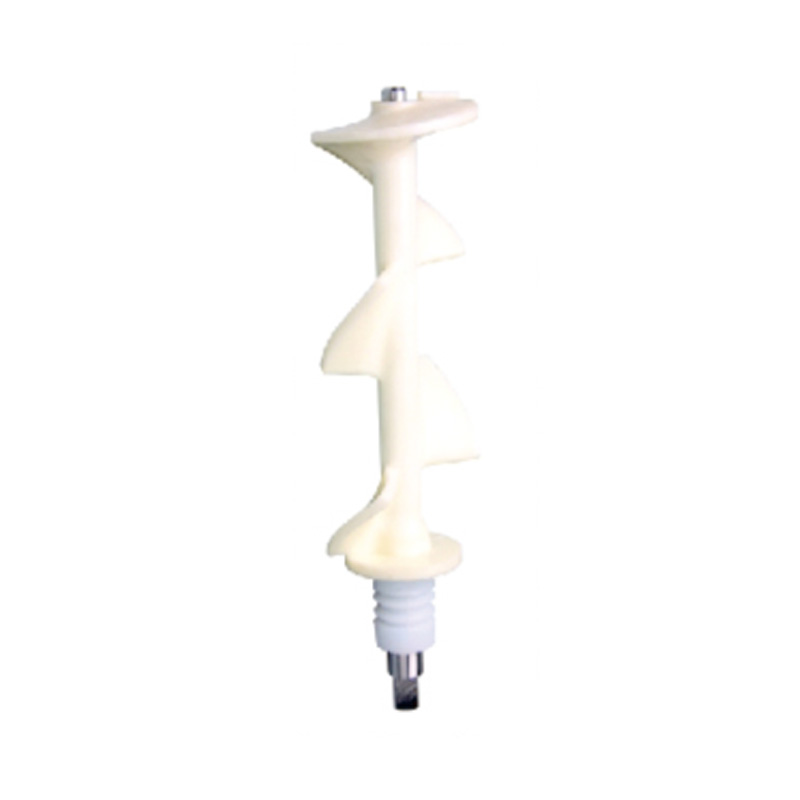
The Various Flavors Magical Shape for Soft-Serve Ice Cream Cones Making collection is designed for this purpose. It includes soft-serve molds in multiple creative forms, including Christmas tree and mushroom shapes, along with other imaginative designs. The molds are optional components and are not sold separately. They are intended to be used with compatible soft-serve ice cream equipment, helping operators introduce new product presentations without replacing their primary machine.
This article examines the product’s design concept, operating value, commercial applications, cleaning considerations, manufacturing background, and advantages over conventional presentation methods. It also explains how a manufacturer with experience in commercial refrigeration, ice cream equipment, beverage equipment, and foodservice solutions can support businesses that want more than a standard cone. The focus is not only on the shapes themselves, but also on the practical value of adding creativity to an existing soft-serve operation.
1. Why Shape Matters in Soft-Serve Ice Cream
Traditional soft-serve ice cream is commonly dispensed in a spiral or standard molded form. This presentation is familiar and efficient, but it can look similar across many shops and brands. When several nearby businesses sell comparable flavors, cones, toppings, and portion sizes, visual differentiation becomes difficult. A distinctive shape can create a recognizable product identity even when the underlying ice cream recipe remains unchanged.
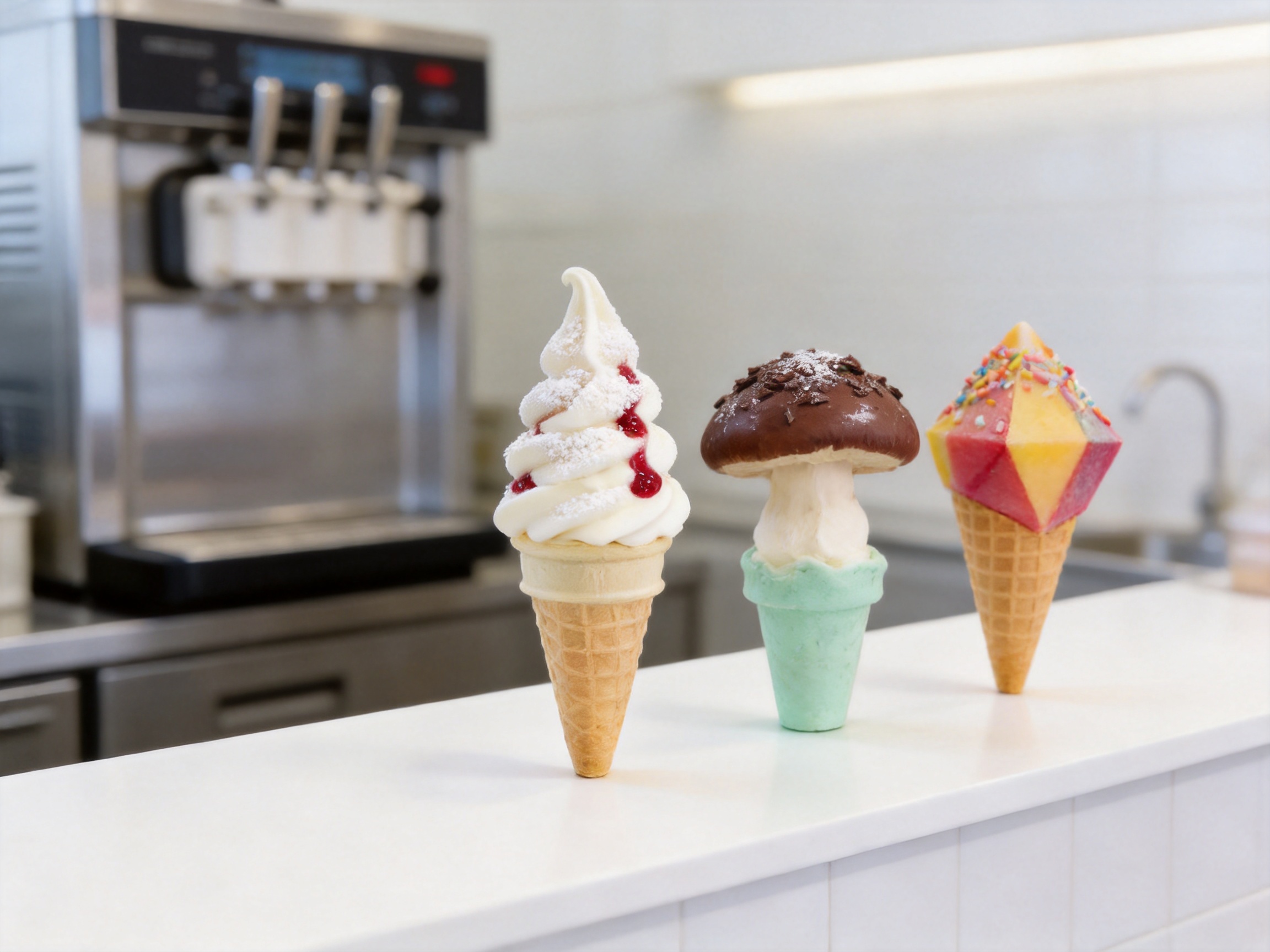
Shape influences the customer experience before the first bite. A cone formed as a Christmas tree immediately suggests celebration, winter holidays, gift-giving, and seasonal promotion. A mushroom-style shape creates a playful and unexpected appearance. Other creative forms can be matched with children’s menus, themed events, festivals, family entertainment venues, promotional campaigns, or limited-time products.
The value of a creative mold is therefore connected to merchandising as well as production. It can help a business present the same soft-serve base in a fresh way. Operators may use the shape as a menu feature, a social media attraction, a photo opportunity, or a premium presentation option. Because the mold is an accessory rather than a complete machine, the operator can add visual variety while continuing to use the existing freezing and dispensing system.
For customers, a unique shape can make the product feel more personalized. Children may choose a dessert based on its appearance, while adults may select a themed cone for an event or photograph. In high-footfall locations, a visually unusual product can also attract attention from people who might otherwise walk past a conventional soft-serve counter.
2. Product Overview
The Various Flavors Magical Shape for Soft-Serve Ice Cream Cones Making collection consists of multiple soft-serve molds developed to create different visual forms. The available presentation shown in the supplied product information includes Christmas tree shapes, mushroom shapes, and other creative designs. Exact details of every additional shape may vary according to the selected mold configuration, so buyers should confirm the available options and compatibility before ordering.
The product belongs to the Optional Components & Spare Parts category. This classification is important because the molds are not presented as independent ice cream machines. They are accessory components intended to complement commercial soft-serve equipment. Their role is to help shape the finished product rather than freeze the mixture, control temperature, or replace the main dispensing system.
The collection is not sold separately according to the product information. This means that purchasing arrangements should be discussed with the supplier as part of a suitable equipment package, project order, or compatible machine solution. Such an arrangement can be beneficial for businesses that want to specify creative product presentation while planning the main equipment at the same time.
The concept is straightforward: the soft-serve mixture is prepared and frozen by compatible equipment, and the mold or forming component guides the product into a selected shape. The result is a cone or serving with a more distinctive outline than a conventional spiral. Depending on the design, the final product may be suitable for direct serving, additional toppings, decorative sauces, or themed packaging.
2.1 Christmas Tree Shape
The Christmas tree design is especially suitable for seasonal menus. It can support winter promotions, holiday markets, Christmas parties, shopping center campaigns, school events, amusement venues, and themed dessert counters. A tree-shaped soft-serve cone communicates its theme immediately, reducing the need for complicated decoration or printed explanation.
Operators can combine the shape with green-colored ice cream, white toppings, edible sprinkles, chocolate flakes, strawberry pieces, or powdered sugar. The mold itself provides the primary visual structure, while toppings can reinforce the seasonal message. A business may also offer the shape with classic vanilla, chocolate, mint, fruit, or specialty seasonal flavors.
One practical advantage is that the product can be introduced as a limited-time item. Seasonal products often benefit from a clear beginning and end because customers feel encouraged to try them before they disappear. When the same machine can continue producing regular soft serve while a creative mold is used for selected portions, the operator can test demand without developing an entirely new production line.
2.2 Mushroom Shape
The mushroom shape provides a different style of visual appeal. It is playful, unusual, and suitable for customers who want a dessert that looks different from a traditional cone. The design may be used in children’s stores, themed cafés, family restaurants, outdoor attractions, food courts, or novelty dessert promotions.
A mushroom-shaped product can also support flavor storytelling. For example, a shop may pair it with forest-themed décor, berry sauces, cookie crumbs, chocolate toppings, or a nature-inspired menu. The shape does not restrict the operator to one flavor profile. It can be used with the same soft-serve base already available at the location, allowing the business to create a new visual identity without changing its entire recipe program.
2.3 Other Creative Shapes
The supplied product information also refers to additional creative forms. Since the exact shapes are not fully defined in the available description, customers should request confirmation of the current mold selection, dimensions, operating method, and compatible equipment. This is particularly important for wholesale buyers, franchise groups, and businesses preparing a themed menu around a specific design.
Other shapes may be useful for birthdays, school holidays, sports events, brand activations, festivals, tourist attractions, and promotional collaborations. The broader value of a multi-shape collection is flexibility. Instead of being restricted to one permanent presentation, an operator can select a design that matches the season, customer group, or marketing objective.
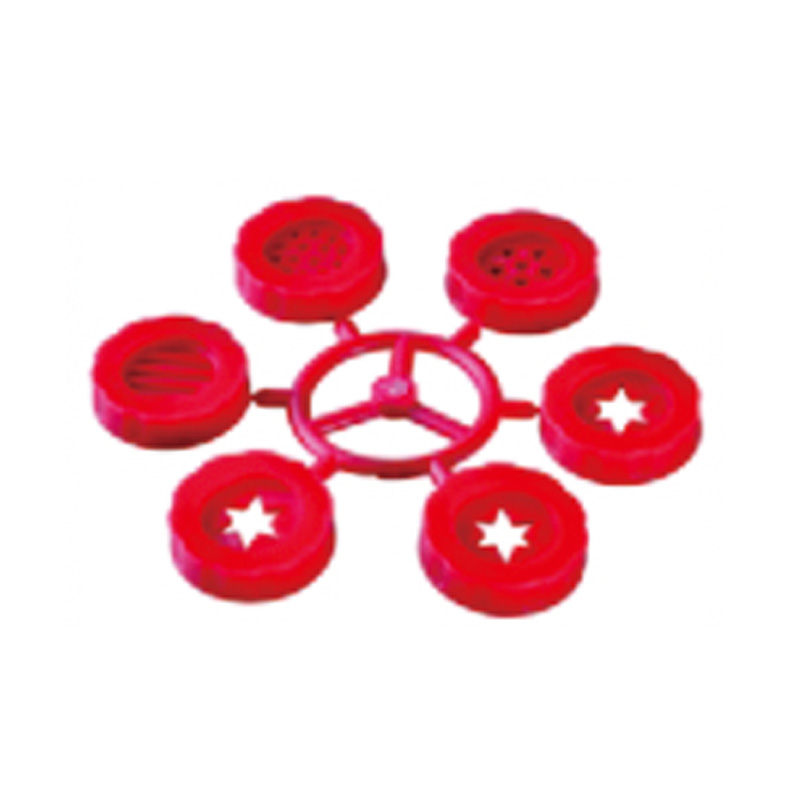
Various Flavors Magical Shape for Soft-Serve Ice Cream Cones Making(Not sold separately)
3. Main Advantages Over Conventional Soft-Serve Presentation
3.1 Stronger Visual Differentiation
The most immediate advantage is the ability to create a product that looks different from a standard soft-serve serving. Conventional cones are widely available and often difficult to distinguish from one another. Creative molds give the operator a way to offer a recognizable form that can become associated with a particular store or campaign.
This differentiation is especially useful in locations where several dessert sellers compete for the same customers. A uniquely shaped cone can stand out on a menu board, in a display cabinet, or in a customer’s hand. It may also encourage customers to take photographs and share them, creating additional exposure without requiring the business to rely only on paid advertising.
3.2 Lower Barrier to Menu Innovation
Developing a new dessert often requires recipe testing, new ingredients, staff training, packaging changes, and equipment investment. A creative mold can provide a simpler route to menu innovation. The business can continue using familiar soft-serve ingredients while changing the form of the final product.
This does not eliminate the need for testing. Operators still need to confirm portion control, serving speed, release performance, cleaning procedures, and compatibility with the equipment. However, compared with purchasing a separate production system for a new dessert category, an optional mold can represent a more manageable way to experiment with presentation.
3.3 Seasonal and Promotional Flexibility
A standard cone is usually suitable for every season, but it may not communicate a specific event. The Christmas tree shape can support holiday sales, while other creative shapes may serve summer campaigns, children’s promotions, or local festivals. This gives the business a tool for rotating visual themes throughout the year.
Seasonal flexibility can also help reduce menu fatigue. Customers may return to try a new shape even when the soft-serve flavor is familiar. A business can promote the mold as a limited edition, a family activity, a collectible presentation, or a special event item. The same core machine and ingredient system can support multiple marketing messages.
3.4 More Engaging Customer Experience
Foodservice is not only about taste and speed. Customers also remember the process of choosing, watching, receiving, and photographing a product. A creative soft-serve shape adds an element of discovery. Children may become more engaged with the ordering process, and adults may see the product as a novelty or giftable treat.
For operators, engagement can have practical commercial value. Customers who spend more time discussing options may be more likely to select toppings, sauces, premium flavors, or combination offers. The mold can therefore support upselling, although pricing should remain appropriate for the local market and portion size.
3.5 Compatibility With Different Foodservice Formats
The product concept is suitable for more than one type of business. Restaurants can use creative shapes for dessert menus. Dessert shops can make them a central product feature. Snack bars and fast-food outlets can offer them as seasonal specials. Bars and entertainment venues can use them for themed nights. Supermarkets and institutions may use them for promotional service counters or family events.
This wide application is an advantage over accessories designed for only one narrow environment. The mold’s value comes from its ability to adapt the appearance of a familiar soft-serve product to different customer settings.
3.6 Better Use of Existing Equipment Investment
Many businesses already own soft-serve equipment but use it only for conventional servings. A compatible creative mold may help extend the commercial value of that equipment. Rather than treating the machine as capable of producing only one standard presentation, the operator can use accessories to build a broader menu.
This approach is particularly useful for businesses with fluctuating demand. A machine can continue normal operation during ordinary periods and support shaped products during peak seasons or promotional events. The operator can plan production according to demand rather than permanently dedicating a new machine to a single novelty product.
| Business Objective | Value of a Creative Mold | Practical Consideration |
|---|---|---|
| Stand out from nearby dessert sellers | Creates a recognizable visual presentation | Use clear menu photography and consistent serving procedures |
| Launch a seasonal product | Supports holiday and event-based themes | Confirm stock planning and campaign duration |
| Test a new menu idea | Changes presentation without replacing the main machine | Evaluate capacity, speed, and customer response |
| Increase customer engagement | Offers a playful and photographable product | Train staff to explain available shapes |
| Serve multiple market segments | Adapts to children, families, tourists, and event guests | Select shapes and packaging suitable for each audience |
| Improve equipment utilization | Adds another use for compatible soft-serve equipment | Follow manufacturer guidance for installation and cleaning |
4. Design and Functional Considerations
A soft-serve mold must do more than create an attractive outline. It must work as part of a foodservice process in which speed, consistency, hygiene, and ease of handling are important. The final performance depends on the mold design, the compatible equipment, the viscosity of the soft-serve mixture, the operating temperature, and the skill of the operator.
4.1 Shape Definition
The first consideration is whether the mold produces a clear and recognizable form. A Christmas tree should maintain a sufficiently defined profile to communicate its theme. A mushroom design should retain its characteristic outline after release and serving. Creative details are valuable only when they remain visible under normal operating conditions.
Shape definition may be influenced by the firmness of the soft serve. If the product is too soft, fine details may lose their form. If it is too firm, dispensing may become slower or less smooth. Operators should therefore follow the compatible machine’s recommended settings and conduct trials before commercial launch.
4.2 Consistency Between Servings
Commercial customers expect repeatability. A shaped cone should look reasonably similar from one serving to the next, particularly when it is featured in promotional photography or sold at a premium price. Consistency depends on mold alignment, portion control, dispensing technique, and staff training.
Businesses should establish a simple operating standard. This may include the approximate fill level, holding time before serving, topping position, packaging style, and acceptable appearance. A written procedure helps different employees produce similar results during busy periods.
4.3 Ease of Integration
Because the product is an optional component, compatibility is essential. Buyers should confirm the applicable soft-serve machine model, connection method, dimensions, dispensing sequence, and any required accessories. The supplier should also clarify whether the mold is intended for a particular machine family or installation configuration.
Integration should be evaluated not only mechanically but also operationally. Staff need to know whether the mold can be changed quickly, whether it affects cleaning time, and whether the operator can switch between standard and creative presentations during the same service period.
4.4 Food Contact and Hygiene
Any component that comes into contact with food must be managed carefully. The operator should follow the manufacturer’s cleaning and sanitation instructions and use procedures appropriate for commercial foodservice. Residual ice cream, toppings, or moisture should not be allowed to accumulate in corners, seams, or difficult-to-reach areas.
Cleaning routines should include disassembly where permitted, washing with suitable food-contact cleaning products, rinsing, sanitizing, drying, and inspection before reassembly. The exact procedure depends on the mold construction and compatible equipment. The supplier should provide applicable instructions, and local food safety requirements should always be observed.
4.5 Service Speed
Novelty products should not create unnecessary delays during peak hours. Before launch, the operator should test how long it takes to install the mold, dispense a serving, add toppings, package the cone, and return the equipment to normal operation. If the shape is designed for special orders rather than every order, staff can manage the process more easily.
For high-volume operations, a business may choose to offer creative shapes during selected periods or from a dedicated service station. For smaller shops, the shape can be made to order, creating a premium experience without disrupting the entire counter.
5. Commercial Applications
5.1 Dessert Shops
Specialty dessert shops can use creative shapes as a signature product. A shop may present a menu with standard servings, premium toppings, and a selection of themed molds. The unusual presentation can help the store establish a stronger identity, especially when the surrounding market contains many similar soft-serve products.
The business can also create combination offers. A Christmas tree cone might be paired with a holiday drink, while a mushroom cone could be offered with a children’s snack set. Packaging can be coordinated with the shape to improve carrying convenience and visual presentation.
5.2 Restaurants and Fast-Food Locations
Restaurants often need desserts that are quick to serve and easy for customers to understand. A shaped soft-serve product can be added to a dessert menu without requiring a complex pastry kitchen. The product may be offered after meals, as part of a family package, or as a limited seasonal promotion.
Fast-food operators can use the molds to create a point of difference in a crowded market. Since the main soft-serve system remains central to production, the accessory can support menu variety while maintaining a familiar ingredient workflow. Staff training should focus on efficient mold handling and consistent portion presentation.
5.3 Cafés and Beverage Shops
Cafés may use creative soft-serve cones as companions to coffee, fruit drinks, milkshakes, or specialty beverages. A themed shape can support a visual menu strategy in which customers select products partly for their appearance. The operator may also offer shaped soft serve as an add-on to a drink or snack order.
For businesses that already use commercial juice dispensers or other beverage equipment, the creative mold can become part of a broader cold-food and beverage program. This helps the shop present a coherent selection of refreshing products without relying on a single category.
5.4 Family Entertainment Venues
Amusement parks, indoor playgrounds, tourist attractions, cinemas, and family entertainment centers benefit from products that appeal to children and photograph well. Creative shapes can be connected to mascots, seasonal décor, or venue themes. A simple form can become part of the overall visitor experience.
These locations should pay close attention to throughput and durability. Demand may be concentrated into short periods, so staff need an efficient workflow. The accessory should be selected and operated in accordance with the compatible equipment’s capacity and the venue’s sanitation procedures.
5.5 Events and Promotional Campaigns
Event organizers may use shaped cones for company celebrations, product launches, community festivals, school activities, and holiday markets. The mold provides an easily understood visual feature that can be customized through flavor, color, toppings, and packaging.
For temporary events, planning is especially important. The organizer should confirm equipment compatibility, transport arrangements, electrical requirements for the main machine, ingredient storage, water access, cleaning facilities, staff responsibilities, and local food safety requirements. The mold itself is only one part of a successful temporary service system.
6. Manufacturing Strength and Product Development Capability
The quality of an optional foodservice component is closely related to the manufacturer’s engineering, production, and service capabilities. Spelor Electrical Appliances (Zhejiang) Co., Ltd. is described in the supplied company information as a professional manufacturer integrating design, research and development, manufacturing, sales, and service.
The company operates more than 60,000 square meters of modern production facilities and specializes in commercial refrigeration, kitchen, and buffet equipment. Its product range includes ice cream machines, juice dispensers, fried ice cream machines, refrigeration cabinets, slush machines, flake ice machines, cooking equipment, griddles, fryers, insulation products, barbecue equipment, and buffet solutions.
This broad equipment background is relevant to the creative mold collection. A mold is most useful when it is developed with an understanding of the machine, the frozen product, the operator’s workflow, and the commercial environment. A manufacturer that works across several foodservice categories can evaluate accessories as part of a complete solution rather than as isolated objects.
6.1 Integrated Design and Development
Integrated design and development can help connect customer requirements with production decisions. For example, a customer may need a seasonal shape for a specific soft-serve machine, a group of molds for a chain of stores, or a customized presentation for an event. A manufacturer with internal design and research capability may be better positioned to review the request, evaluate feasibility, and coordinate the solution.
The supplied company information also highlights OEM and ODM capabilities based on drawings or requirements. This is valuable for businesses that have their own product concepts, private-label programs, or regional menu strategies. Although each customization request requires technical review, the ability to work from drawings or requirements can support more flexible product development than a purely standard catalog approach.
6.2 Manufacturing Scale
A production facility of more than 60,000 square meters suggests a substantial manufacturing base for serving commercial equipment markets. Scale can support organized production planning, component management, quality control, assembly coordination, and order fulfillment. It can also help a supplier handle broader product portfolios and different customer requirements.
For buyers, manufacturing scale may be important when ordering equipment and optional components for multiple outlets. A chain, distributor, hotel group, or regional foodservice project may need consistent products across locations. The buyer should still confirm production schedules, sampling procedures, packaging, inspection standards, and after-sales arrangements for each project.
6.3 Quality-Oriented Production
Foodservice equipment must operate in demanding environments. It may be used for long hours, frequent service cycles, changing ambient conditions, and repeated cleaning. A quality-oriented production process should therefore consider the complete operating life of the product, not only its appearance at delivery.
For a soft-serve mold, quality considerations include shape accuracy, fit, surface condition, ease of handling, repeatability, and resistance to the cleaning routine specified by the manufacturer. The exact materials and construction details should be confirmed with the supplier, but the general principle remains the same: a visually attractive accessory must also support reliable commercial work.
6.4 One-Stop Service
The company describes its service as including pre-sales consultation, product customization, flexible logistics and payment solutions, and after-sales maintenance. This one-stop approach can be useful when a buyer is planning more than a single component. A customer may need a soft-serve machine, creative molds, refrigeration, beverage equipment, spare parts, installation guidance, and ongoing support.
Working with one experienced supplier can simplify communication. Technical questions can be discussed alongside purchasing, shipping, and service questions. This may reduce the risk of selecting an accessory that is visually appealing but unsuitable for the machine or operating environment.
7. Advantages of Sourcing From an Experienced Foodservice Equipment Manufacturer
Competitor comparison should be based on practical value rather than on appearance alone. Many suppliers can offer decorative accessories, but the most useful partner is one that understands how the accessory functions within a commercial foodservice system.
7.1 Equipment Compatibility Support
An experienced manufacturer can help buyers identify the appropriate machine and mold combination. Compatibility support may include reviewing machine models, dispensing arrangements, installation requirements, operating instructions, and cleaning procedures. This is an important advantage over purchasing a generic mold with limited technical guidance.
7.2 Broader Product Portfolio
Because the company manufactures equipment across refrigeration, kitchen, beverage, ice, and buffet categories, it can support more complete projects. A buyer developing a dessert counter may need a soft-serve machine, juice dispenser, slush machine, ice machine, storage solution, and accessories. A broader portfolio can make procurement more coordinated.
7.3 OEM and ODM Flexibility
OEM and ODM capability can be valuable for distributors and businesses that want differentiated products. A buyer may request specific branding, packaging, configuration, appearance, or technical requirements, subject to feasibility and order conditions. This type of flexibility can help customers avoid competing only on identical standard products.
7.4 Manufacturing-to-Service Continuity
When design, research, manufacturing, sales, and service are connected within one organization, product feedback can potentially move more efficiently between departments. Customer comments about mold handling, machine integration, or menu use may help inform future improvements. Buyers should ask the supplier how feedback, replacement parts, and technical issues are handled in practice.
7.5 International Procurement Experience
The company serves global foodservice markets and offers logistics and payment solutions. International buyers should still verify shipping terms, import requirements, documentation, warranty scope, and local service arrangements, but a supplier familiar with overseas procurement can make the process more manageable.
8. Recommended Purchasing Process
8.1 Define the Intended Application
Before requesting a quotation, the buyer should describe where and how the molds will be used. Important information includes the business type, expected daily volume, service hours, target customer group, seasonal schedule, available soft-serve machine, preferred shapes, and packaging method.
A dessert shop with moderate volume may prioritize visual variety and easy shape changes. A large chain may prioritize consistency, supply stability, and training documentation. An event operator may focus on transport, rapid installation, and temporary service. Clear information allows the supplier to recommend a more appropriate solution.
8.2 Confirm Machine Compatibility
Since the product is an optional component and not sold separately, compatibility must be confirmed before ordering. Buyers should provide the model number or technical information of the soft-serve machine. If a machine has not yet been selected, the buyer should explain the desired output, serving style, installation environment, and intended mold shapes.
Questions should cover connection dimensions, installation method, operating temperature, product consistency, cleaning access, and whether switching between shapes is possible. These details help prevent costly misunderstandings after delivery.
8.3 Request Product Details
Buyers should request current photographs, available shape options, dimensions, material information, packaging details, operating instructions, cleaning guidance, and spare-part information. Because the supplied description does not define every creative shape, the latest selection should be confirmed directly with the supplier.
8.4 Test Before Large-Scale Deployment
A sample or pilot installation is recommended for larger projects. Testing should evaluate the appearance of the product, dispensing consistency, speed of service, staff handling, customer acceptance, cleaning time, packaging fit, and overall workflow.
For multi-location customers, the pilot should be tested in conditions that resemble actual stores. A product that works well in a quiet showroom may require different procedures during a busy lunch period or a holiday event.
8.5 Plan Training and Documentation
Even a simple accessory benefits from clear operating instructions. Staff should understand how to install or use the mold, how much product to dispense, how to release the serving, how to add toppings, how to clean the component, and how to identify abnormal performance.
Documentation should be kept near the equipment or included in the store’s operating manual. New employees can then learn the correct process without relying entirely on informal instruction.
9. Operating Workflow
A practical workflow begins with checking the machine and mold before service. The component should be clean, correctly assembled, and free of visible damage. The soft-serve mixture should be prepared according to the machine and recipe requirements. The operator should verify that the product has reached the appropriate consistency before producing shaped servings.
During dispensing, the employee should follow a consistent motion and fill level. Overfilling may reduce shape clarity or create unnecessary waste, while underfilling may produce an incomplete form. The finished product should be removed and served promptly to preserve its appearance and texture.
At the end of a service period, the mold should be cleaned according to the supplier’s instructions. If the component is designed to be removed, staff should avoid forcing it or using unsuitable tools. Inspection after cleaning can help identify wear, cracks, deformation, or residue before the next service cycle.
Operators should maintain records for cleaning, inspection, and replacement where required by their internal food safety system. The exact record format can be simple, but consistent documentation supports accountability and helps identify recurring problems.
10. Marketing and Menu Strategy
10.1 Build a Clear Product Name
A creative shape is easier to sell when customers understand it immediately. Menu names should describe the visual concept in simple language, such as Christmas Tree Soft Serve or Playful Mushroom Cone. The name can be combined with flavor information, topping options, and availability dates.
10.2 Use Visual Merchandising
Because shape is the primary selling point, menu boards and display materials should show the product clearly. The image should communicate scale, toppings, packaging, and the finished form. Staff can also display a sample image near the ordering point to help customers choose quickly.
10.3 Create Limited-Time Offers
Limited-time offers can generate urgency and make seasonal shapes feel special. A Christmas tree design is naturally suited to holiday campaigns, while other designs can be connected to school breaks, local celebrations, or promotional events. Availability should be communicated accurately so customers know when the product can be ordered.
10.4 Encourage Customer Sharing
Creative soft serve is naturally suited to customer photography. Operators may encourage sharing through attractive packaging, a visible presentation counter, or a simple promotional message. The goal should be to improve the customer experience rather than create pressure. A clean, stable, and attractive product is the foundation of organic sharing.
10.5 Coordinate Flavors and Toppings
The shape should work with the available flavor program. The operator can use color and topping combinations to reinforce the design, but the product should remain practical to eat. Heavy toppings may affect balance, while liquid sauces may reduce visual definition. Testing helps determine which combinations maintain both appearance and customer convenience.
11. Maintenance, Hygiene, and Long-Term Use
Commercial accessories require routine care. The operator should use only cleaning and sanitation methods appropriate for the component and approved by the manufacturer. Abrasive tools, unsuitable chemicals, excessive heat, or improper storage may damage the surface or affect fit.
Cleaning frequency depends on the product, service volume, recipe, and local regulations. A high-volume shop may require more frequent cleaning than a low-volume seasonal operation. The business should follow the machine’s complete sanitation schedule as well as the instructions for the mold.
Storage is also important. When not in use, the mold should be protected from impact, contamination, excessive heat, and deformation. Components should be stored in a clean and dry location. If several shapes are used, labeling can help prevent mix-ups and speed up the preparation process.
Replacement planning should be included in commercial purchasing. Buyers should ask whether spare components are available, how they can be ordered, and what information is required for identification. Keeping essential spare parts available can reduce downtime during busy seasons.
12. Frequently Asked Questions
Q1: What is the Various Flavors Magical Shape collection?
It is a collection of soft-serve molds in creative shapes. The supplied product information identifies Christmas tree and mushroom designs and refers to other imaginative shapes. The molds are intended to give soft-serve ice cream a more distinctive visual presentation.
Q2: Is this a complete soft-serve ice cream machine?
No. It is listed under Optional Components & Spare Parts. It is an accessory intended for use with compatible soft-serve equipment and does not replace the freezing, refrigeration, dispensing, or control functions of a complete machine.
Q3: Can the molds be purchased separately?
The product information states that they are not sold separately. Buyers should contact the supplier to discuss suitable equipment packages, compatible configurations, and available purchasing arrangements.
Q4: What shapes are available?
The described options include Christmas tree and mushroom shapes, as well as other creative forms shown in the product materials. Since the exact additional designs are not fully specified, buyers should confirm the current selection directly with the supplier before placing an order.
Q5: Can the molds be used with any soft-serve machine?
Compatibility should not be assumed. Buyers should provide the machine model or technical details and ask the supplier to confirm fit, installation, operating method, and cleaning requirements.
Q6: Are the molds suitable for commercial use?
They are described as suitable for restaurants and dessert shops as well as home use. Commercial operators should still confirm the intended operating conditions, service volume, cleaning procedures, and compatibility with their equipment before deployment.
Q7: Which businesses can benefit most from creative molds?
Dessert shops, cafés, restaurants, fast-food outlets, family entertainment venues, supermarkets, event operators, tourist attractions, and seasonal markets may benefit. The best application depends on customer demand, service capacity, and the ability to present the shaped product consistently.
Q8: Can the shape be combined with different flavors?
In principle, the shapes can be used with compatible soft-serve flavors, but the exact result depends on mixture consistency, machine settings, and mold design. Operators should test each flavor and topping combination before offering it commercially.
Q9: Does a creative mold require special staff training?
Basic training is recommended. Staff should learn installation or handling, portion control, release technique, presentation, cleaning, and inspection. Training helps maintain a consistent appearance and prevents avoidable damage or hygiene problems.
Q10: How does this product help a business compete?
It provides visual differentiation, supports seasonal promotions, encourages customer engagement, and creates menu variety without necessarily requiring a completely new production system. The commercial benefit depends on effective operation, attractive presentation, suitable pricing, and local customer response.
Q11: What should buyers ask the supplier before ordering?
They should ask about compatible machines, available shapes, dimensions, materials, operating instructions, cleaning requirements, packaging, minimum order conditions, customization options, delivery schedules, warranty coverage, and spare-part support.
Q12: Can OEM or ODM service be requested?
The company information states that OEM and ODM solutions are available based on drawings or requirements. Any custom mold, configuration, branding, or packaging request must be reviewed for technical feasibility, production conditions, minimum quantities, and applicable costs.
Q13: Is the Christmas tree shape only for Christmas?
It is especially suitable for Christmas and winter promotions, but a business may use it for other themed events if the presentation fits the local market. Seasonal use generally provides the clearest marketing connection.
Q14: Is the mushroom shape intended for one particular flavor?
No specific flavor restriction is stated in the supplied information. The suitable flavor depends on the compatible soft-serve system and the operator’s recipe. Testing is recommended to confirm shape definition, texture, and visual appeal.
Q15: Why is the manufacturer’s broader product range relevant?
A supplier experienced in ice cream machines, juice dispensers, slush machines, ice machines, refrigeration, cooking equipment, and buffet solutions may be able to support more complete foodservice projects. This can simplify equipment coordination and technical communication.
13. Final Evaluation
The Various Flavors Magical Shape for Soft-Serve Ice Cream Cones Making collection offers a practical way to make a familiar dessert more distinctive. Its main strength is not simply that it creates unusual forms, but that it connects product presentation with menu innovation, seasonal marketing, customer engagement, and better use of compatible soft-serve equipment.
The Christmas tree design is naturally suited to holiday programs, while the mushroom design provides a playful alternative for family-oriented and novelty dessert applications. Other creative shapes can expand the operator’s choices, although the exact selection and technical details should be confirmed before ordering.
Compared with conventional soft-serve presentation, creative molds can help a business attract attention, establish a recognizable product identity, and test new promotions without changing the entire dessert production process. Their success depends on more than the mold itself. Compatibility, product consistency, cleaning, staff training, packaging, pricing, and marketing must all be considered.
The manufacturer’s integrated capabilities provide additional value for buyers seeking a complete solution. Spelor Electrical Appliances (Zhejiang) Co., Ltd. combines design, research and development, manufacturing, sales, and service, with more than 60,000 square meters of modern production facilities. Its broader portfolio across commercial refrigeration, kitchen, beverage, ice, and buffet equipment supports a foodservice-oriented approach to product development.
For restaurants, dessert shops, cafés, fast-food chains, event operators, and other professional users, the collection can serve as a flexible accessory for creating more memorable soft-serve products. When selected with the correct equipment and managed through a disciplined commercial workflow, creative molds can turn a standard cone into a stronger visual experience and a useful tool for business differentiation.
References
1. Product information supplied for Various Flavors Magical Shape for Soft-Serve Ice Cream Cones Making, Optional Components & Spare Parts.
2. Company information supplied for Spelor Electrical Appliances (Zhejiang) Co., Ltd., including manufacturing scope, facility scale, product categories, OEM and ODM capability, and service coverage.
3. General commercial foodservice principles concerning equipment compatibility, sanitation, staff training, menu development, and preventive maintenance.
4. General retail and hospitality principles concerning visual merchandising, seasonal promotions, customer engagement, and product differentiation.
Product: Various Flavors Magical Shape for Soft-Serve Ice Cream Cones Making(Not sold separately)
For exclusive deals and latest offers, sign up by entering your email address below.


-
spelor@spelor.com
-
+86-576-85229688
-
No.528, Changxi Road, Linhai City, Zhejiang Province, China
Commercial Refrigeration Equipment Manufacturer China
Copyright © 2025 by Spelor Electrical Appliances (Zhejiang) Co., Ltd. Rights Reserved.
