


 中文简体
Three-Flavor Soft Serve Ice Cream Machine: Features, Benefits, Manufacturing Strengths, and Buying Guide
Admin 2026-10-21Commercial dessert businesses need equipment that can produce attractive products consistently while supporting efficient daily operations. A soft serve ice cream machine is more than a freezing appliance: it is a production system that influences product quality, serving speed, hygiene, labor requirements, energy use, maintenance routines, and customer satisfaction. For cafés, dessert shops, snack outlets, fast-food restaurants, buffets, supermarkets, and catering operations, selecting a suitable machine is therefore an important business decision.
The BQL-825B three-flavor soft serve ice cream machine is designed for commercial applications that require multiple flavor choices, practical operation, and dependable output. With a stated production capacity of 25 liters per hour, two 5.5-liter hoppers, two 1.6-liter freezing tanks, a 2,000-watt input rating, and a built-in self-cleaning function, the machine combines product flexibility with simplified daily maintenance.
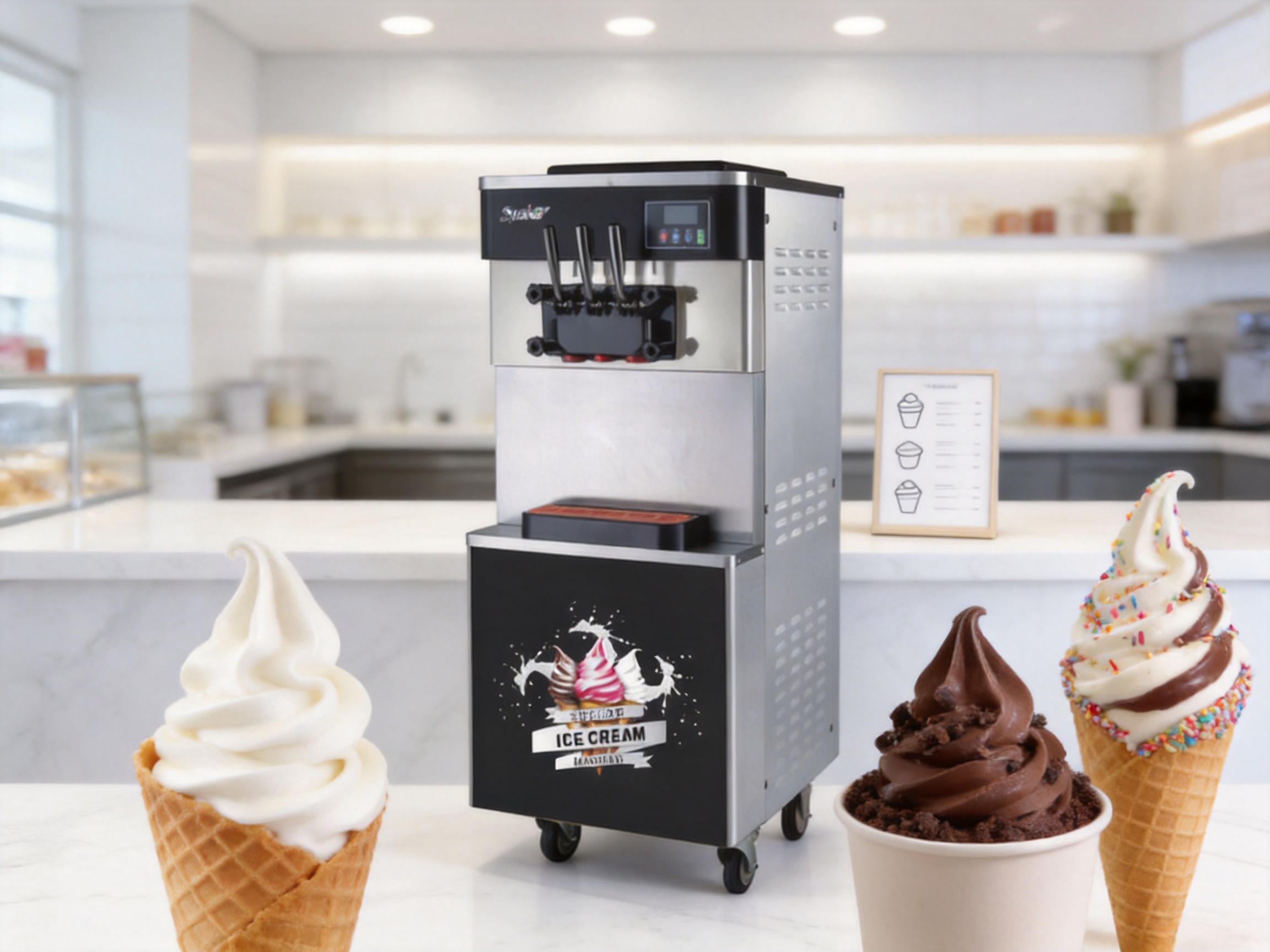
Its three-flavor configuration enables operators to offer two individual flavors and one mixed flavor from a single unit. This arrangement can help increase menu variety without requiring three separate machines. The stainless-steel body, colorful sprayed-steel exterior, LCD control panel, and compact vertical footprint also make the equipment suitable for customer-facing locations where appearance, cleanliness, and efficient use of floor space are important.
This article examines the machine’s specifications, operating value, hygiene advantages, manufacturing considerations, application scenarios, purchasing factors, and frequently asked questions. It also explains how the manufacturer’s broader production capabilities and OEM/ODM services can support distributors, foodservice brands, and international commercial-equipment buyers.

Spelor 3 Flavors Soft Serve Ice Cream Machine with Self-Cleaning Function
Product Overview
The BQL-825B is a commercial soft serve ice cream machine with three flavor outputs. It is intended to produce soft frozen desserts for continuous service rather than occasional household use. The design incorporates separate ingredient hoppers and freezing systems for the primary flavors, while the central outlet combines them to create a mixed serving.
The machine has a stated capacity of 25 liters per hour. Actual output can vary according to recipe, mix temperature, ambient conditions, serving size, pre-cooling practices, operating intervals, and the desired hardness of the finished product. Nevertheless, the rated capacity indicates that the unit is aimed at professional operations with regular customer demand.
Two 5.5-liter hoppers provide a combined stated hopper volume of 11 liters. These hoppers hold liquid ice cream mix before it is transferred into the freezing system. The two 1.6-liter freezing tanks support rapid freezing and dispensing, allowing the operator to maintain a steady supply of finished product during service.
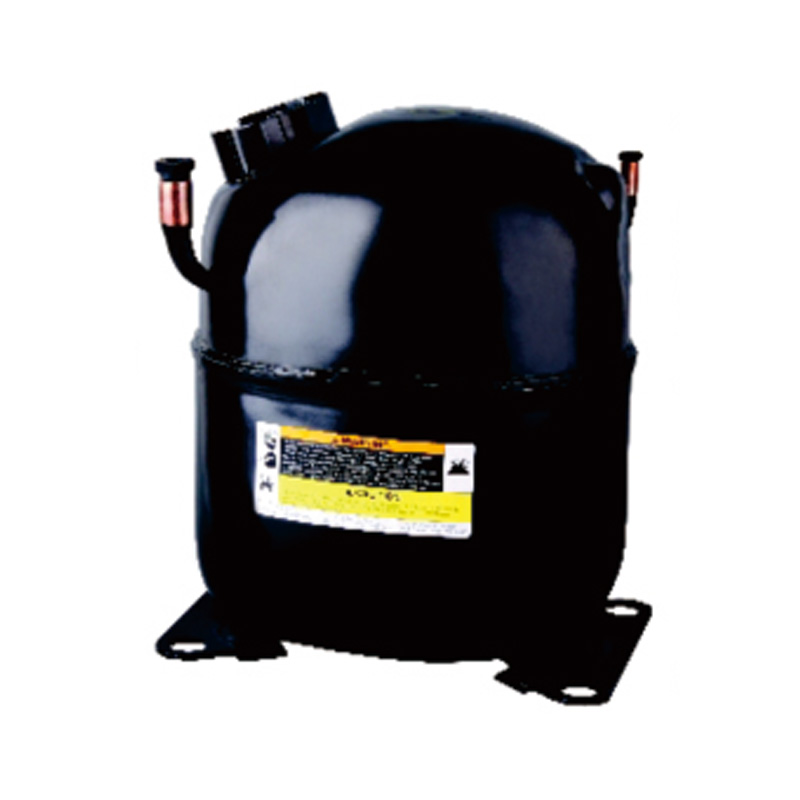
The equipment uses a 220-volt, 50-hertz power supply and has a stated input power of 2,000 watts. It is fitted with a Chinese compressor and uses R404 refrigerant according to the supplied specifications. Because electrical and refrigerant regulations can differ between countries, buyers should confirm the exact configuration, certification, and refrigerant compliance required for their target market before ordering.
The listed dimensions are 540 millimeters wide, 615 millimeters deep, and 1,430 millimeters high. This vertical layout provides a relatively small footprint compared with installing multiple single-flavor machines. The height should be considered during site planning, especially where overhead shelving, signage, ventilation systems, or low ceilings are present.
The supplied product information contains two different net-weight figures: 135 kilograms in the detailed specification and 114 kilograms in the summary information. This discrepancy should be clarified with the supplier before shipment, installation, or logistics quotation. Confirming the final shipping weight, packing dimensions, and gross weight is particularly important for international transport and floor-loading calculations.
Three-Flavor Flexibility for Commercial Menus
One of the most important advantages of the machine is its three-flavor dispensing arrangement. A conventional single-flavor unit may limit the operator to one product profile at a time, while a two-flavor machine may not offer a mixed serving option. The three-output design allows a business to provide two separate flavors and a combination of both.
This flexibility can support a more attractive menu. For example, an operator may load vanilla and chocolate as the two individual choices and offer a vanilla-chocolate twist from the central outlet. Other combinations may include strawberry and vanilla, mango and yogurt, coffee and milk, or seasonal recipes developed for a particular brand or location.
Multiple flavor choices can also improve customer engagement. Customers are often more likely to try a product when they can select a preferred flavor or create a combination. For a dessert shop, this may increase add-on sales involving toppings, cones, cups, sauces, fruit, biscuits, or promotional menu items.
From an equipment-investment perspective, a three-flavor machine can reduce the need to purchase and position several separate units. A smaller equipment footprint may simplify shop layout, preserve counter space, and reduce the number of electrical connections and cleaning stations required. The final financial advantage will depend on purchase price, output requirements, local utility costs, maintenance conditions, and the number of machines that would otherwise be needed.
Three flavor outputs are also useful for businesses that change menus throughout the year. A core flavor can remain available while the second hopper is used for seasonal or limited-edition recipes. This helps operators test new products without replacing the entire machine or making a major change to the service counter.
Construction and Appearance
The product description identifies a food-grade stainless-steel plate body combined with colorful sprayed steel. Stainless steel is widely used in commercial food equipment because it is durable, easy to wipe down, and suitable for environments where frequent cleaning is necessary. It also presents a clean and professional appearance in open-kitchen or front-of-house settings.
The sprayed-steel exterior provides an opportunity to create a more attractive visual design than a plain industrial enclosure. For dessert shops, cafés, and snack stores, equipment appearance can influence the overall presentation of the serving area. A coordinated exterior may also support a distributor’s or restaurant chain’s visual identity, subject to available customization options.
Food-contact surfaces require more than an attractive finish. They must be cleaned and sanitized according to the operator’s procedures and applicable local food-safety requirements. Operators should follow the supplier’s instructions for detergents, sanitizers, disassembly, lubrication, inspection, and storage. Surface materials can support hygiene, but proper operating discipline remains essential.
The vertical format also has practical advantages. With a width of approximately 540 millimeters and a depth of 615 millimeters, the machine can fit into many commercial service areas without occupying the footprint of a large horizontal system. However, sufficient space must be left around the unit for ventilation, access to controls, cleaning, servicing, and safe product handling.
LCD Control Panel and Operating Convenience
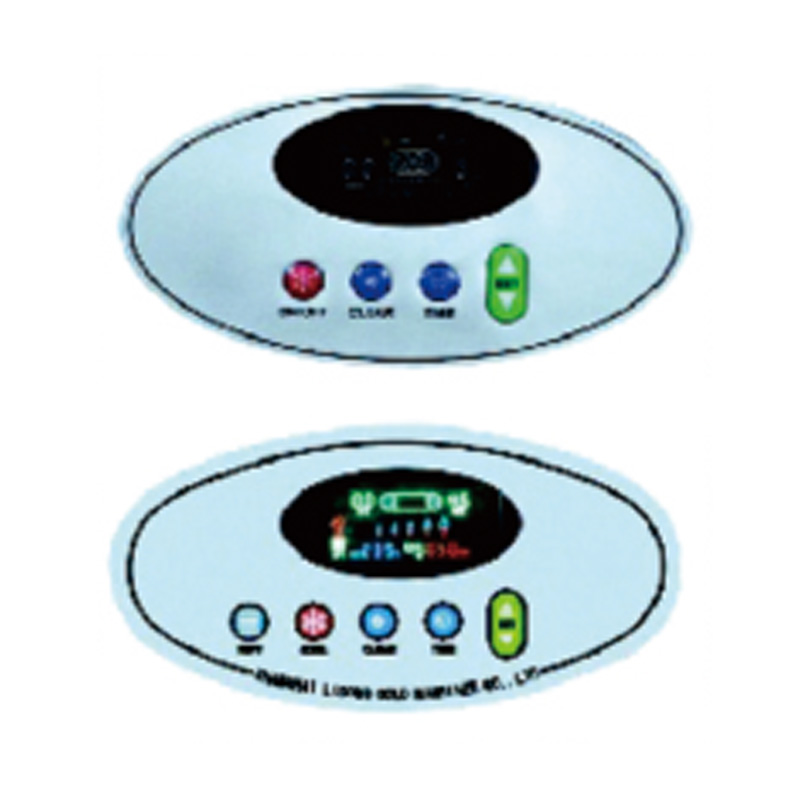
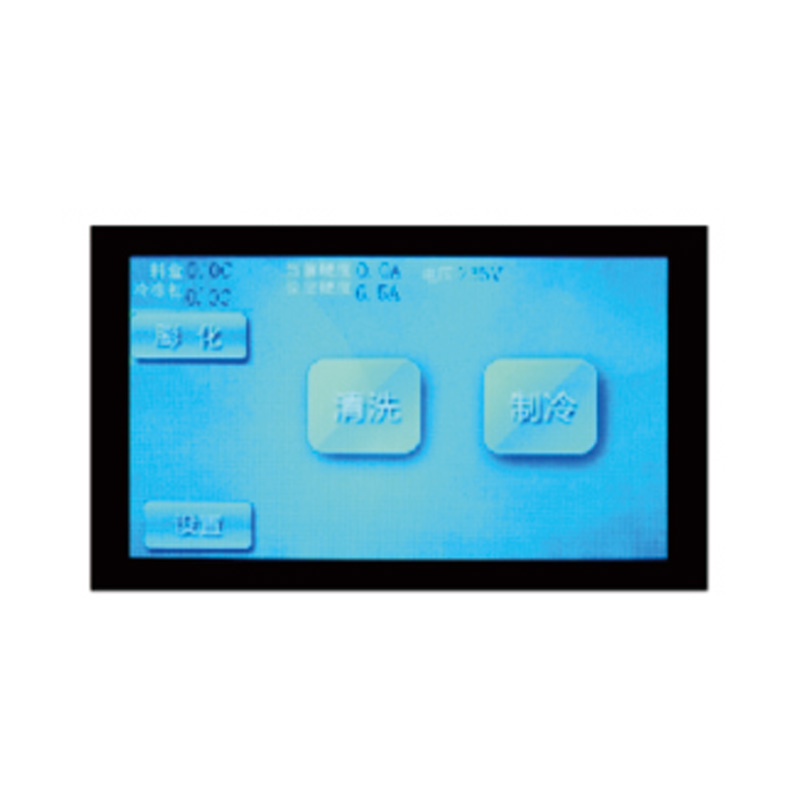
The LCD panel provides a clear interface for operating the machine and monitoring its functions. Compared with basic mechanical controls, a digital panel can make settings easier to read and may present operating information in a more organized form. This is valuable in busy stores where several employees may use the equipment during different shifts.
A visible control panel can also help reduce training time. Staff members can learn a consistent sequence for starting the machine, selecting operating modes, checking status information, and beginning the cleaning program. The exact functions available on the panel should be confirmed in the final user manual, because control layouts and software features may vary by production batch or market configuration.
Digital controls are particularly useful when the machine is shared among employees with different levels of experience. Clear displays can help standardize procedures and reduce dependence on informal instructions. For multi-location businesses, consistent control layouts may make it easier to create common operating procedures and training documents.
Even with a digital interface, operators should not treat the machine as fully automatic. Ingredient preparation, mix handling, temperature monitoring, cleaning, sanitation, and routine inspection remain important. The control panel supports the operator; it does not replace food-safety management or preventive maintenance.
Self-Cleaning Function and Hygiene Management
The built-in self-cleaning function is a major operational feature. Soft serve equipment requires regular cleaning because dairy-based and other liquid mixes can leave residues in hoppers, feed paths, freezing cylinders, dispensing valves, seals, and outlet components. If these areas are neglected, product quality, hygiene, odor control, and machine performance can be affected.
An automatic cleaning program can simplify the process by guiding water or cleaning solution through relevant internal passages. It may reduce the time required for routine cleaning and help staff follow a more consistent procedure. This can be especially valuable in busy stores where manual cleaning competes with customer service and closing duties.
The self-cleaning function should be understood as a maintenance aid rather than a complete substitute for manual sanitation. Components that contact the product may still need to be removed, inspected, brushed, rinsed, sanitized, dried, and reassembled according to the manufacturer’s instructions and local regulations. Seals, scraper blades, dispensing parts, and small passages should receive particular attention.
A well-organized cleaning process can offer several business benefits:
First, it can support more consistent hygiene between operating shifts. Second, it can reduce the likelihood that employees will skip or shorten cleaning because the process is difficult. Third, it may reduce the labor burden associated with routine internal flushing. Fourth, it can help preserve the flavor quality of products when the machine changes from one mix to another.
Operators should establish a written cleaning schedule that distinguishes between cleaning after each production cycle, daily cleaning, weekly inspection, and periodic technical maintenance. Cleaning chemicals must be compatible with the machine’s materials, seals, and local food-contact requirements. Water quality should also be considered, since mineral deposits may affect internal components over time.
Cooling and Freezing Performance
The machine is designed to cool liquid mix and maintain a soft frozen texture suitable for dispensing. Its two freezing tanks, each listed at 1.6 liters, support the freezing process before product reaches the dispensing outlets. The combination of refrigeration capacity, freezing-cylinder design, scraper operation, and control settings determines the final texture.
A smooth soft serve product depends on more than low temperature. The mix formulation, fat content, sugar level, stabilizer system, overrun, incoming mix temperature, freezing speed, and dispensing rate all influence the result. Operators should use recipes that are compatible with the machine and follow recommended preparation practices.
Environmental conditions can also affect performance. High room temperatures, poor ventilation, direct sunlight, dusty condenser surfaces, and insufficient clearance may increase the workload on the refrigeration system. Keeping the installation area clean and adequately ventilated is therefore an important part of achieving stable operation.
The supplied product information describes the machine as providing even cooling and low noise. In practical terms, lower perceived noise can improve the customer experience in cafés and dessert shops, particularly where the equipment is installed close to seating areas. Actual sound levels depend on installation, flooring, compressor operation, ventilation, and surrounding equipment.
Stable freezing is valuable during peak service periods. If product consistency changes noticeably between the first and last serving, customers may perceive the product as unreliable. A properly prepared mix, correct machine settings, scheduled cleaning, and suitable ambient conditions can help support more uniform servings throughout the day.
Production Capacity and Business Planning
The stated capacity of 25 liters per hour provides a useful reference for planning. It can help buyers compare equipment with expected demand and estimate whether one machine will be sufficient for a location. Capacity should not be interpreted as a guarantee of identical output in every operating environment.
For example, a shop that serves small portions rapidly during short peak periods may require different capacity characteristics from a buffet that serves moderate volumes continuously. A restaurant may operate the machine only during lunch and dinner, while a dedicated dessert shop may need extended daily operation. The best selection depends on demand patterns rather than capacity alone.
When estimating requirements, buyers should consider average servings per hour, peak servings per hour, serving size, menu mix, opening hours, product replenishment time, cleaning periods, and the number of outlets. A 25-liter-per-hour rating may support a substantial number of standard servings, but the exact number depends on portion size and recipe density.
Capacity planning should also include future growth. A business that expects to add delivery service, catering, seasonal promotions, or additional locations may need more production margin than a shop serving a stable local customer base. Choosing equipment with sufficient headroom can reduce the risk of long queues and product shortages during busy periods.
At the same time, oversizing equipment can create unnecessary costs. A larger machine may require more power, more space, more cleaning labor, and a greater initial investment. A three-flavor unit with a moderate commercial capacity can be a practical middle option for businesses that need menu flexibility but do not require an industrial-scale production line.
Comparison with Common Alternative Configurations
Compared with a single-flavor machine, the BQL-825B offers greater menu flexibility. A single-flavor unit may be suitable for a business with one signature product, limited space, or a simple menu. However, it cannot provide the same variety without changing the mix and carrying out additional cleaning procedures.
Compared with a two-flavor machine without a central mixed outlet, the three-flavor configuration offers a distinct product presentation. The ability to dispense a combination flavor can create a recognizable signature serving and may help operators promote a wider range of products from the same counter position.
Compared with installing three independent machines, one three-flavor system can simplify the equipment layout. It may require less floor area and may reduce the number of separate control panels, power connections, and external surfaces that need cleaning. Whether it is more economical depends on the purchase prices, output requirements, maintenance costs, and local service availability of the alternatives.
Compared with manual or batch freezing methods, a continuous commercial soft serve machine can support faster serving and a more consistent product format. Batch systems may be appropriate for artisanal concepts or low-volume operations, but they may require more preparation time and offer a different texture and workflow.
Competitor comparisons should always be based on verified specifications rather than general assumptions. Buyers should compare capacity, hopper volume, freezing-cylinder volume, power consumption, voltage, refrigerant, compressor type, cleaning features, warranty support, spare-parts availability, certification, and total ownership cost.
Manufacturing Capabilities and Factory Strengths
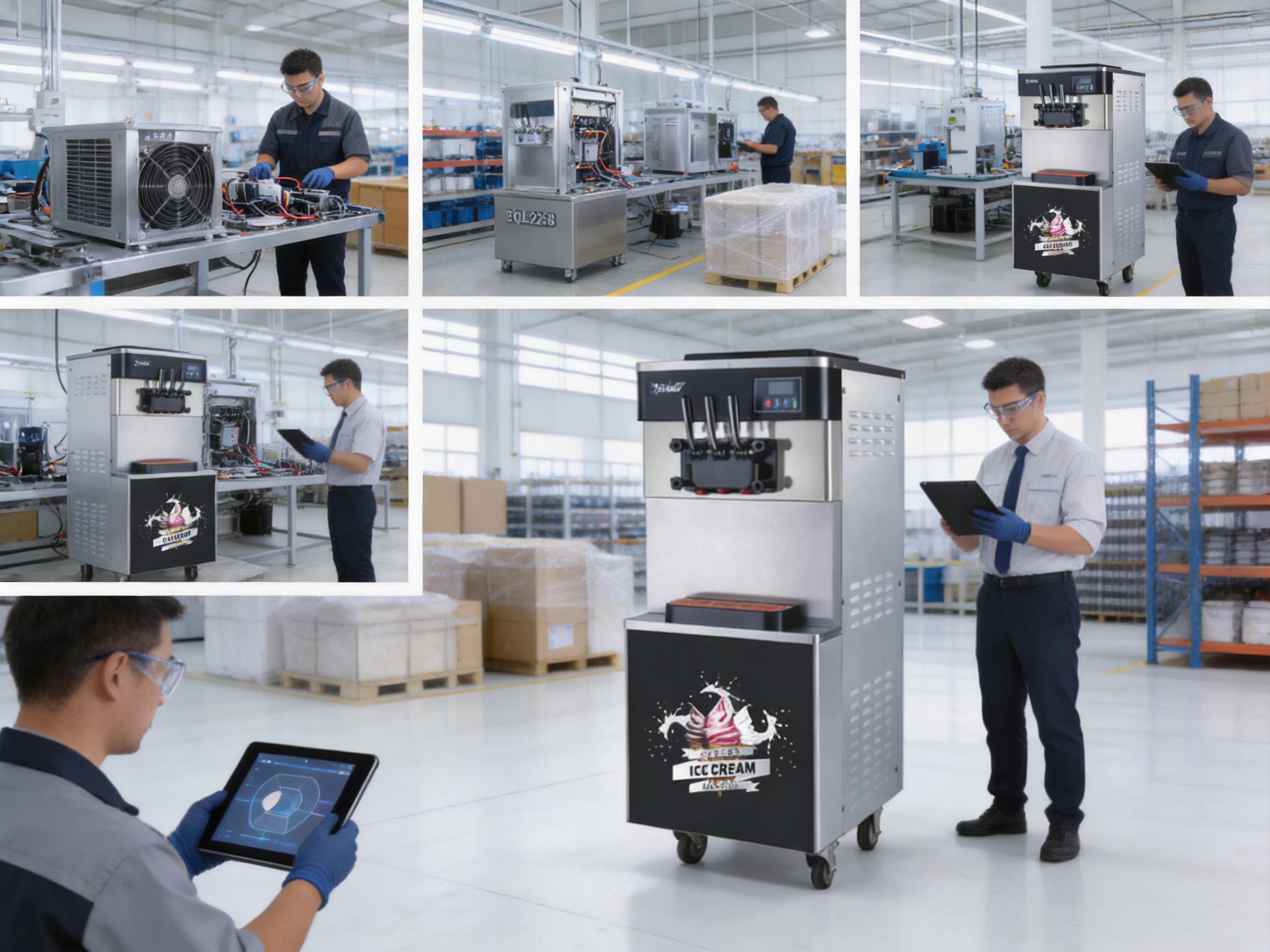
The manufacturer, Spelor Electrical Appliances (Zhejiang) Co., Ltd., is described as a professional enterprise integrating product design, research and development, manufacturing, sales, and service. Its stated production facilities cover more than 60,000 square meters, indicating a substantial manufacturing base for commercial foodservice equipment.
A broad facility footprint can support coordinated production processes, material handling, assembly, quality inspection, warehousing, and shipping. For commercial-equipment buyers, an integrated factory structure may provide better communication between engineering and production teams, particularly when products require specification changes or customized configurations.
The company’s product range includes ice cream machines, juice dispensers, fried ice cream machines, refrigeration cabinets, slush machines, flake ice machines, cooking equipment, griddles, fryers, insulation products, barbecue equipment, and buffet solutions. This portfolio allows the manufacturer to understand a variety of foodservice environments rather than focusing on one isolated equipment category.
Experience across related product categories can support practical product development. For example, commercial refrigeration knowledge is relevant to soft serve equipment because both areas require attention to compressors, heat transfer, insulation, temperature control, refrigerants, electrical systems, and service access. Foodservice equipment experience also helps manufacturers consider cleaning routines, operator safety, workflow, and front-of-house presentation.
Advanced manufacturing is not limited to a single machine or production tool. It includes engineering review, component sourcing, sheet-metal fabrication, surface treatment, refrigeration-system assembly, electrical wiring, software or control-panel integration, performance testing, final inspection, packing, and after-sales support.
For equipment such as the BQL-825B, production quality depends on how these stages work together. Accurate cabinet fabrication helps maintain alignment and appearance. Reliable refrigeration assembly supports consistent freezing. Correct wiring and control integration support safe operation. Careful sealing and component inspection help reduce the risk of leakage, vibration, or premature wear.
A capable factory should also maintain traceability for key components and production batches. This can help identify the source of a problem, organize replacement parts, and provide more effective technical support. Buyers should ask about quality-control procedures, test records, warranty terms, and the availability of manuals and spare parts before placing large orders.
OEM and ODM Support for International Buyers
The company presents itself as an OEM and ODM supplier capable of developing customized commercial refrigeration and foodservice equipment based on customer drawings or requirements. This can be valuable for importers, distributors, restaurant groups, and established brands that need products adapted to specific markets.
OEM services generally involve manufacturing equipment according to a customer’s established design, technical requirements, branding, packaging, or labeling instructions. ODM services may involve adapting an existing platform or developing a product solution around a customer’s intended application.
Potential customization areas may include exterior color, branding, nameplates, packaging, control-panel language, electrical configuration, plug type, accessories, documentation, and selected performance specifications. However, each requested change should be evaluated for technical feasibility, minimum order quantity, tooling requirements, certification impact, lead time, and cost.
International buyers should provide detailed project information at the quotation stage. Useful information includes destination country, voltage and frequency, expected production volume, intended recipes, preferred refrigerant, required certifications, service environment, packaging requirements, branding needs, and target delivery schedule.
Clear technical communication can prevent misunderstandings. Product drawings, electrical diagrams, installation requirements, spare-parts lists, cleaning instructions, warranty conditions, and acceptance criteria should be reviewed before production. For private-label projects, sample approval is recommended before mass manufacturing.
A factory with design, production, sales, and service functions under one organization can potentially provide more efficient communication than a fragmented supply chain. It may also simplify the process of discussing modifications, evaluating production constraints, and arranging technical support after delivery.
Installation and Site-Planning Considerations
Before installation, the buyer should confirm that the site can support the machine’s dimensions, weight, electrical requirements, ventilation needs, drainage arrangements, and cleaning workflow. The listed dimensions are 540 by 615 by 1,430 millimeters, while the final net weight should be confirmed because the supplied information contains two different values.
The floor or counter must be level, stable, and capable of supporting the equipment safely. Although the machine is described as a countertop or small floor-standing design, its height and weight mean that installation should be planned carefully. If it is placed on a counter, the counter must be designed for commercial equipment loads and must not obstruct ventilation or service access.
The electrical supply should match the specified 220-volt, 50-hertz requirement. A qualified electrician should verify circuit capacity, grounding, protection devices, and local compliance. Extension cords, overloaded circuits, or unsuitable adapters can create safety risks and may affect machine performance.
Ventilation clearance is important for refrigeration equipment. The condenser and other heat-releasing components need adequate airflow. The machine should not be pressed tightly against a wall or installed beside a heat source unless the installation instructions specifically permit it.
Water access and drainage may be needed for cleaning. The operator should plan a convenient location for filling, flushing, sanitizing, and disposing of cleaning water. A poorly designed cleaning area can increase labor time and encourage incomplete maintenance.
The machine should also be positioned so that staff can safely access the hoppers, control panel, dispensing handles, removable parts, and rear service areas. Customer traffic should not interfere with operator movement or create a risk of collision.
Daily Operation and Maintenance Recommendations
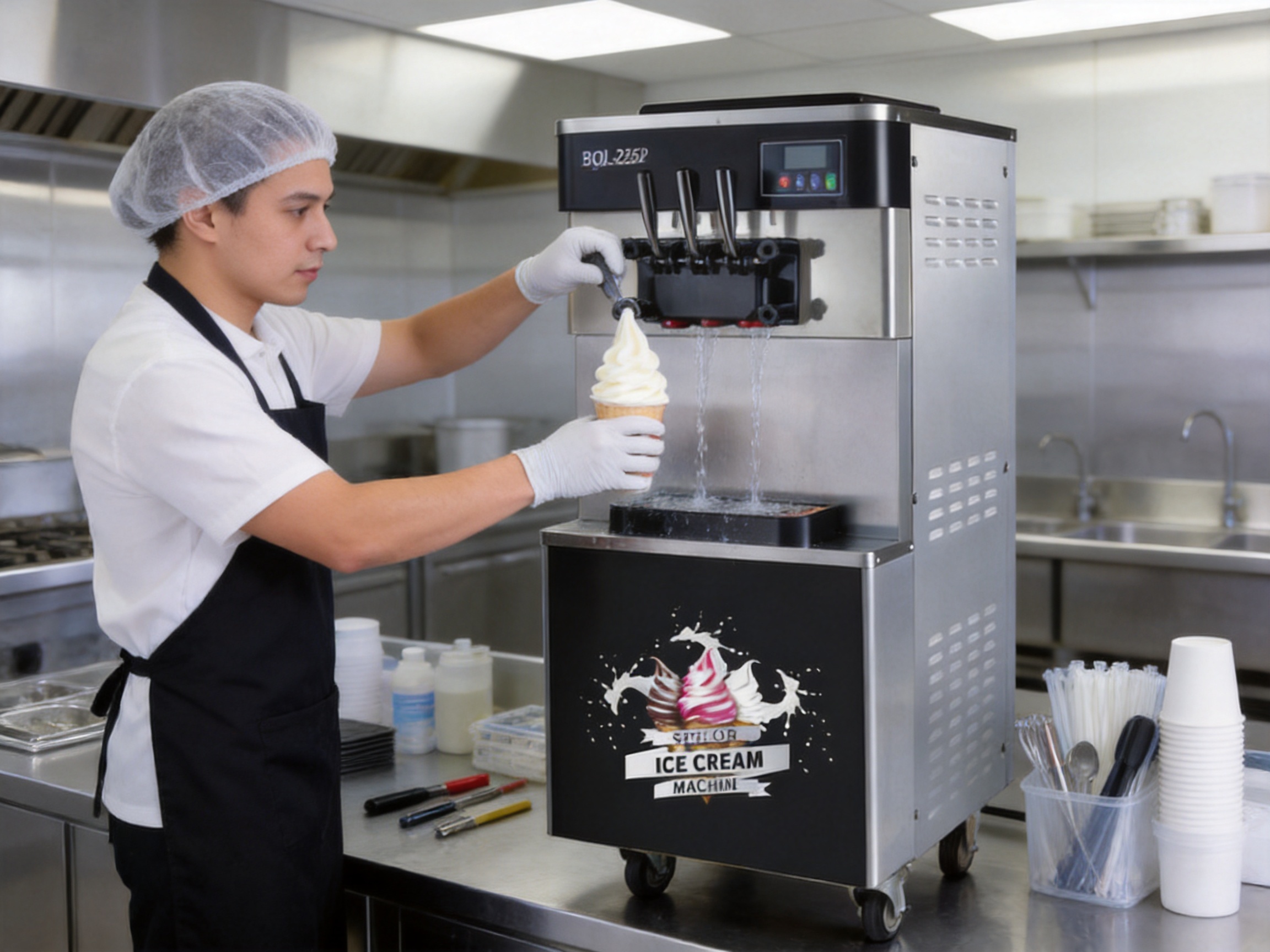
Before starting production, operators should inspect the machine, confirm that removable components are correctly installed, check that the hoppers and product-contact parts are clean, and verify that the selected mix has been prepared according to the recipe. Ingredients should be stored and handled at suitable temperatures before being introduced into the machine.
The hoppers should not be filled beyond their recommended operating level. Operators should avoid introducing foreign objects, excessively viscous mixtures, or ingredients that are incompatible with the machine. If toppings or inclusions are to be added, they should be handled separately unless the equipment is specifically designed for them.
During operation, staff should monitor product texture, dispensing speed, unusual noise, vibration, temperature behavior, and leakage. Changes in product quality may indicate an issue with mix formulation, air incorporation, refrigeration, scraper components, seals, or cleaning condition.
At the end of service, remaining mix should be handled according to food-safety procedures. The machine should be cleaned at the required frequency rather than left full of product for an excessive period. The self-cleaning program should be used as instructed, followed by manual cleaning or component removal where required.
Routine inspections should include dispensing valves, O-rings, seals, scraper blades, hopper surfaces, freezing-cylinder areas, condenser cleanliness, electrical cables, control buttons, and fasteners. Wear parts should be replaced before they cause leakage or reduced performance.
Keeping a maintenance log can improve accountability. The log may record cleaning times, sanitizer use, unusual operating conditions, parts replaced, service visits, and product-quality observations. For multi-unit operations, standardized records can help identify recurring issues across locations.
Applications Across Foodservice Businesses
The machine is suitable for dessert shops that want to build a menu around soft serve, sundaes, cones, cups, shakes, and specialty combinations. Three flavor outputs provide opportunities to offer a standard flavor, a premium flavor, and a twist option from one service point.
Cafés can use the equipment as an extension of their beverage and dessert menu. Soft serve can be paired with coffee, waffles, brownies, fruit, pastries, and cold beverages. The compact footprint may help cafés add a frozen-dessert program without redesigning the entire service counter.
Fast-food restaurants can use multi-flavor dispensing to support quick service and familiar menu formats. The machine can be positioned near the dessert preparation area or customer pickup counter, provided that access, hygiene, and ventilation requirements are satisfied.
Buffets and institutional foodservice operations may benefit from offering multiple flavors during defined service periods. The machine’s production capacity should be evaluated against the number of guests, serving duration, and expected peak demand.
Snack shops, family entertainment venues, cinemas, supermarkets, and seasonal kiosks may also find the three-flavor arrangement useful. In these environments, visual product appeal and rapid customer choice can be important sales factors.
Catering companies and event operators should consider transportation requirements carefully. The machine is a substantial commercial appliance, so it may be more suitable for fixed venues or semi-permanent installations than frequent manual relocation. Where mobility is required, buyers should request suitable casters, packing solutions, electrical arrangements, and transport guidance.
Commercial Value and Total Cost of Ownership
The initial purchase price is only one part of the investment decision. Buyers should consider installation, shipping, import duties, electrical work, cleaning chemicals, replacement seals, scraper blades, service visits, energy consumption, downtime, and staff training.
A self-cleaning function may create labor savings by simplifying routine maintenance. Three flavor outputs may create revenue opportunities by expanding the menu. A compact footprint may reduce the cost of allocating space. These potential benefits should be compared with the machine’s purchase price and the expected sales volume.
Reliable spare-parts support is especially important for commercial equipment. Before purchase, buyers should ask which components are considered consumable parts, how quickly replacements can be supplied, whether technical drawings are available, and which service channels are used for international customers.
Warranty coverage should be reviewed in detail. Important points include warranty duration, covered components, labor coverage, shipping responsibility, compressor terms, exclusions caused by improper cleaning or voltage conditions, and the process for reporting a fault.
Because the listed compressor is identified as Chinese and the refrigerant is listed as R404, market-specific compliance should be reviewed. Refrigerant regulations are changing in many regions, and some markets restrict or phase down refrigerants with higher global-warming impact. Buyers should confirm the current legal requirements and available alternative configurations before ordering.
Specification Summary
| Product type | Commercial three-flavor soft serve ice cream machine |
| Model | BQL-825B |
| Production capacity | 25 liters per hour |
| Flavor outputs | Three outputs, including a mixed flavor option |
| Voltage and frequency | 220 volts / 50 hertz |
| Input power | 2,000 watts |
| Hopper capacity | Two hoppers, 5.5 liters each |
| Freezing-tank capacity | Two tanks, 1.6 liters each |
| Refrigeration component | Chinese compressor, according to supplied information |
| Refrigerant | R404, according to supplied information |
| Dimensions | 540 × 615 × 1,430 millimeters |
| Net weight | 114 kilograms in summary information; 135 kilograms in detailed specification; confirmation required |
| Control system | LCD panel |
| Cleaning feature | Automatic self-cleaning function |
| Body materials | Food-grade stainless-steel plate body and sprayed steel exterior |
Purchasing Checklist for Distributors and End Users
Before placing an order, confirm the exact electrical configuration. The stated specification is 220 volts and 50 hertz, but some markets use different standards. Confirm the plug, wiring, circuit requirements, grounding method, and available certifications.
Confirm the final machine dimensions, net weight, gross shipping weight, packing dimensions, and number of packages. These details affect freight quotations, warehouse planning, lift-gate requirements, installation access, and floor loading.
Request the complete user manual and cleaning instructions. The manual should explain operating modes, recommended mix levels, sanitation procedures, troubleshooting, error indicators, lubrication, and replacement-part procedures.
Verify the refrigerant configuration and its suitability for the destination market. Ask whether another refrigerant option is available if local regulations or customer sustainability policies require it.
Review the warranty and after-sales process. A reliable supplier should explain how technical questions are handled, how replacement parts are ordered, and what information is needed to diagnose a fault.
For private-label or customized orders, approve drawings, colors, labels, packaging, manuals, and samples before mass production. Clearly define performance expectations, inspection standards, and the documentation that will accompany each shipment.
Frequently Asked Questions
What does the three-flavor configuration provide?
The machine is designed to dispense two individual flavors and a combined mixed flavor. This gives operators more menu flexibility than a single-flavor unit and can support signature twist products.
What is the stated production capacity?
The stated production capacity is 25 liters per hour. Actual output depends on recipe, serving size, ambient temperature, incoming mix temperature, operating settings, and service conditions.
How large are the ingredient hoppers?
The machine has two hoppers, each with a stated capacity of 5.5 liters. The total stated hopper capacity is therefore 11 liters.
Does the machine clean itself completely?
It includes an automatic self-cleaning function that helps flush and clean internal pathways. However, operators should still follow the complete cleaning and sanitation procedure, including manual cleaning of removable food-contact components where required.
Is the machine suitable for a café?
Yes. Its three-flavor output, LCD panel, vertical design, and stated low-noise operation make it suitable for many cafés, provided the café can meet the electrical, ventilation, space, cleaning, and production requirements.
Can it be used in a dessert shop?
Yes. Dessert shops can use it for cones, cups, sundaes, twist servings, and combination desserts. The three-flavor arrangement can help create a broader menu from one machine.
What electrical supply does it require?
The supplied specification states 220 volts and 50 hertz, with an input power of 2,000 watts. Buyers should confirm the final electrical requirements and local compliance before installation.
What refrigerant does it use?
The supplied specification identifies R404 refrigerant. Because refrigerant rules differ by country and are subject to change, buyers should verify the current legal requirements and confirm the final configuration with the supplier.
What is the machine’s net weight?
The provided materials list both 114 kilograms and 135 kilograms. This inconsistency should be clarified with the manufacturer before purchase. Buyers should also request gross shipping weight and packing dimensions.
How often should the machine be cleaned?
Cleaning frequency depends on the recipe, operating schedule, local food-safety rules, and supplier instructions. In general, product-contact areas require regular cleaning and sanitation, and the machine should not be left with unsuitable product residue for extended periods.
Can the manufacturer provide customized equipment?
The manufacturer states that it offers OEM and ODM services based on customer drawings or requirements. Possible customization may include appearance, branding, packaging, electrical configuration, language, and selected technical details, subject to feasibility and order requirements.
What should international buyers confirm before ordering?
They should confirm voltage, frequency, plug type, refrigerant compliance, certifications, capacity, dimensions, weight, warranty, spare parts, packaging, delivery schedule, installation requirements, and after-sales support.
Does a three-flavor machine replace three separate machines in every application?
Not necessarily. It may reduce the need for multiple units in many medium-volume applications, but the correct choice depends on production capacity, flavor requirements, redundancy needs, recipe separation, and business scale.
Conclusion
The BQL-825B three-flavor soft serve ice cream machine is designed for commercial operators seeking product variety, practical capacity, and simplified daily maintenance. Its three flavor outputs can support individual and mixed servings, while the two 5.5-liter hoppers and 25-liter-per-hour stated capacity make it suitable for many cafés, dessert shops, snack stores, restaurants, buffets, and other foodservice environments.
The stainless-steel and sprayed-steel construction provides a professional appearance, the LCD panel supports easier operation, and the self-cleaning function can help reduce routine maintenance effort. Its vertical design may also help businesses use limited service-counter space more efficiently than several separate machines.
The manufacturer’s broad experience in commercial refrigeration and foodservice equipment, combined with stated design, research, manufacturing, sales, service, OEM, and ODM capabilities, provides a foundation for supplying both standard products and customized solutions. Buyers should nevertheless confirm all final specifications, especially the conflicting net-weight figures, electrical configuration, refrigerant compliance, certifications, and after-sales terms.
For businesses evaluating commercial soft serve equipment, the most important decision is not based on one feature alone. Product quality, cleaning discipline, installation conditions, capacity planning, staff training, spare-parts access, and supplier support all contribute to long-term performance. When these factors are considered together, a properly specified three-flavor machine can become an efficient and versatile part of a modern foodservice operation.
References
1. Product specification sheet for the BQL-825B commercial three-flavor soft serve ice cream machine.
2. Manufacturer-provided product information concerning hopper capacity, freezing-tank capacity, dimensions, power, refrigerant, and self-cleaning operation.
3. Manufacturer company profile describing commercial refrigeration, kitchen equipment, buffet equipment, OEM services, ODM services, and after-sales support.
4. General commercial food-equipment principles concerning hygienic design, cleaning procedures, preventive maintenance, refrigeration airflow, and foodservice installation planning.
5. General foodservice procurement principles concerning equipment capacity, electrical compatibility, spare-parts planning, warranty review, and total cost of ownership.
Product: Spelor 3 Flavors Soft Serve Ice Cream Machine with Self-Cleaning Function

For exclusive deals and latest offers, sign up by entering your email address below.


-
spelor@spelor.com
-
+86-576-85229688
-
No.528, Changxi Road, Linhai City, Zhejiang Province, China
Commercial Refrigeration Equipment Manufacturer China
Copyright © 2025 by Spelor Electrical Appliances (Zhejiang) Co., Ltd. Rights Reserved.
