


 中文简体
Compact Countertop Ice Maker with Stainless Steel Storage Bin for Home and Small-Scale Use
Admin 2026-10-11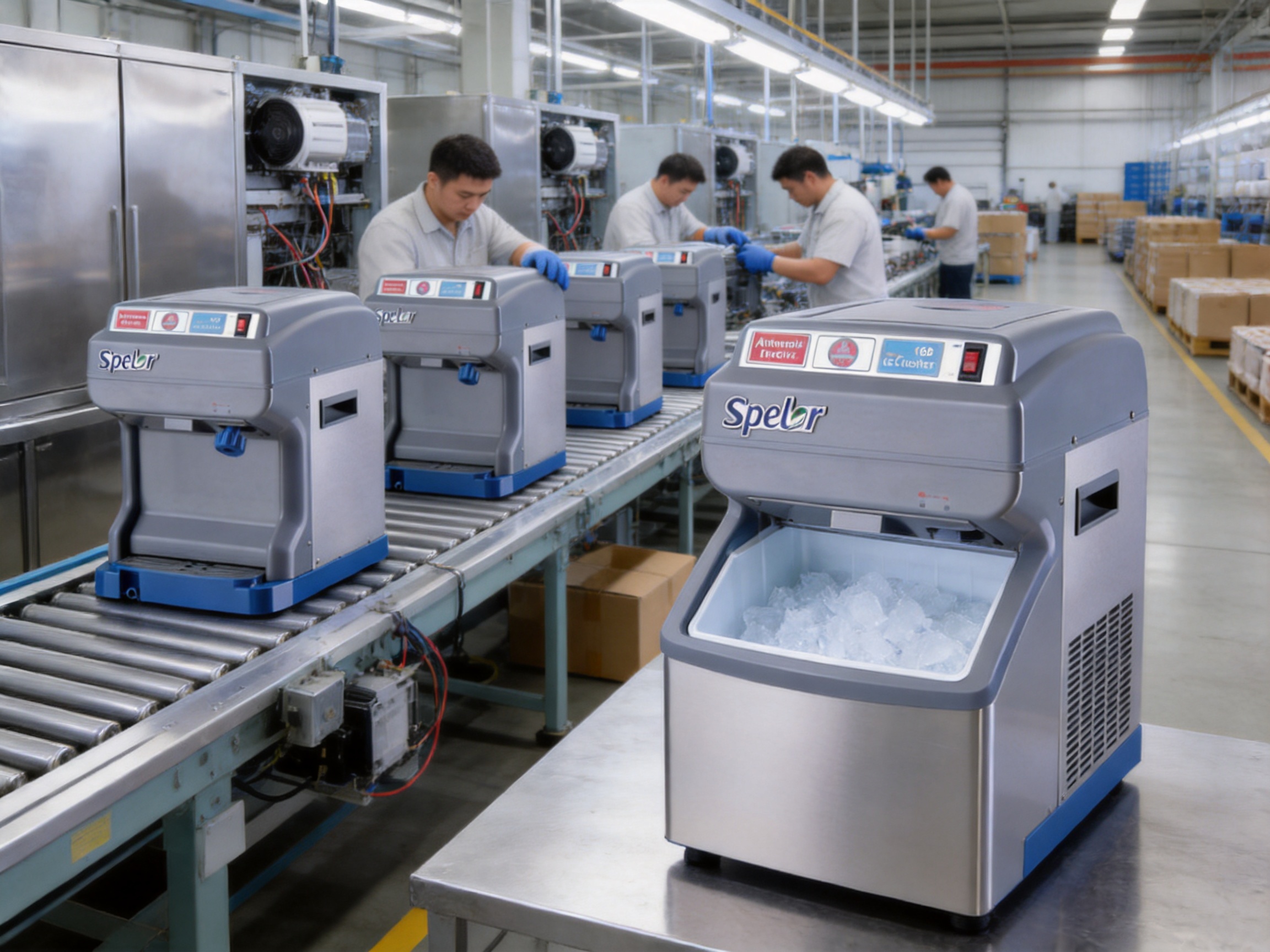
Reliable access to fresh ice is useful in homes, dormitories, small offices, guest rooms, beverage counters, and other spaces where a full-size ice production system would be unnecessary. The 2Kg/24H Countertop Ice Maker with Stainless Steel Storage Bin is designed for this exact requirement: producing a modest daily supply of ice in a compact appliance that can be positioned on a countertop and operated without complicated installation.
With a stated maximum daily production of 2 kilograms, an 180-watt input rating, air cooling, R290 refrigerant, and dimensions of approximately 375 × 260 × 435 millimeters, the machine offers a practical balance between capacity and space efficiency. Its stainless-steel and sprayed-steel construction also gives it a clean appearance suitable for domestic kitchens and light commercial environments.
Although this unit is listed within the commercial ice machine category, its compact format makes it particularly appropriate for users who need a small amount of ice on demand rather than the high-volume output associated with large under-counter, modular, or self-contained commercial ice makers. It is a focused solution for convenience, easy placement, and everyday use.
Understanding the Product Concept
A countertop ice maker is different from a conventional freezer ice tray and different again from a large commercial ice production system. Instead of waiting several hours for trays to freeze, users can operate a dedicated refrigeration appliance that is designed to produce ice in repeated cycles. This makes it easier to respond to changing beverage needs, especially during warm weather, family gatherings, office use, or small-scale foodservice preparation.
The appliance described here combines an integrated ice-making system with a stainless-steel storage bin. The storage area allows newly produced ice to remain available for short-term use, reducing the need to transfer ice immediately into another container. Because the machine is relatively small, it can be placed on a suitable countertop without requiring the floor area, water lines, or supporting infrastructure associated with larger commercial equipment.
The product information identifies the model as JA168. The principal specification is a maximum daily production of 2 kilograms. This capacity is intentionally modest, but it can be sufficient for iced drinks, occasional food presentation, home entertaining, small office refreshments, and limited service requirements. Buyers should distinguish maximum production from continuous hourly output. The supplied information also lists “2kg/h” under rated output, while the product title and specification identify 2 kilograms per 24 hours as the maximum daily production. Actual performance can depend on ambient temperature, water temperature, ventilation, operating conditions, and cycle timing. For purchasing decisions, the manufacturer or supplier should confirm the precise production rating and test conditions.
Key Specifications at a Glance
| Specification | Available Information |
|---|---|
| Product type | Countertop ice maker with stainless-steel storage bin |
| Model reference | JA168 |
| Category | Commercial ice machine |
| Maximum daily production | 2 kilograms per 24 hours |
| Listed rated output in product information | 2 kilograms per hour; confirmation is recommended because this differs from the daily production statement |
| Input power | 180 watts |
| Rated output listing | 180 watts in the technical specification |
| Cooling method | Air cooling |
| Refrigerant | R290 |
| Power supply | 220V/50Hz |
| Machine dimensions | Approximately 375 × 260 × 435 millimeters |
| Net weight | Approximately 18 kilograms |
| Primary materials | Food-grade stainless steel and sprayed steel |
These specifications show the intended position of the machine. It is not designed to replace a high-capacity ice system in a busy restaurant, hotel, bar, supermarket, or large catering operation. Instead, it is aimed at applications where compactness, low power demand, straightforward handling, and a limited but useful ice supply are more important than maximum hourly volume.
Compact Dimensions for Flexible Placement
One of the clearest advantages of this machine is its compact footprint. With a listed width of approximately 375 millimeters, a depth of 260 millimeters, and a height of 435 millimeters, it can fit into many areas where a larger ice maker would be difficult to accommodate. Suitable locations may include a kitchen worktop, beverage preparation station, office refreshment area, dormitory pantry, small café counter, guesthouse service area, or temporary event setup.
Compact dimensions can reduce the need for extensive remodeling. A large commercial ice maker may require dedicated floor space, drainage, a permanent water connection, or additional ventilation planning. A countertop design simplifies the initial placement process, although users should still follow the installation instructions and leave sufficient clearance around air intake and exhaust areas.
The small footprint can also help businesses use their existing space more efficiently. In a small snack shop or beverage counter, every square meter may already be occupied by refrigeration, preparation equipment, storage, and customer service areas. A countertop ice maker can provide supplemental ice without displacing a major piece of equipment.
Portability is another practical benefit. At approximately 18 kilograms net weight, the machine is not a lightweight travel appliance, but it is considerably easier to relocate than a large commercial ice machine. This may be valuable for seasonal use, temporary service points, exhibitions, mobile beverage stations, or businesses that periodically change their layout.

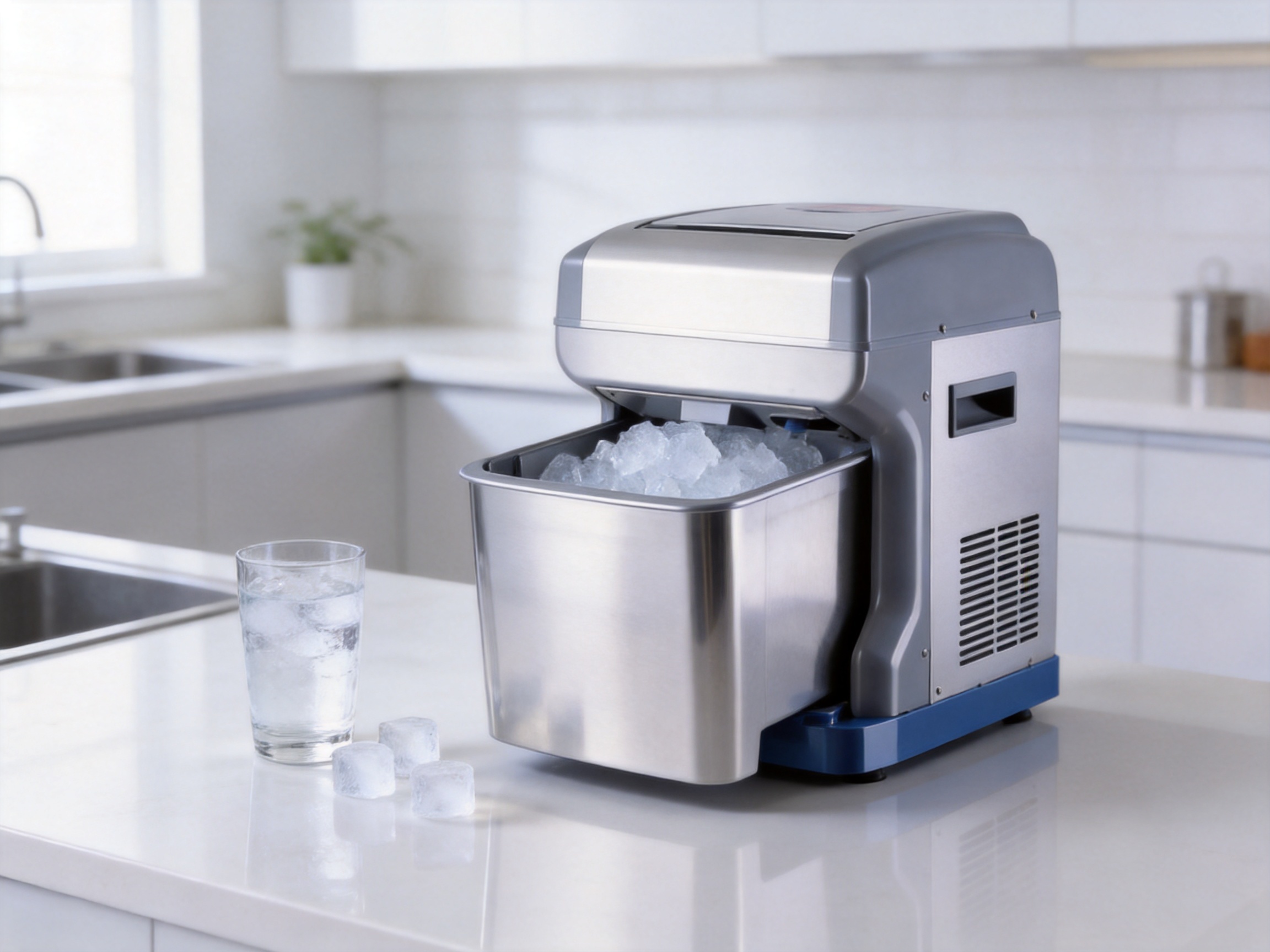
2Kg/24H Countertop Ice Maker Stainless Steel Storage Bin for Home
Stainless-Steel Construction and Hygienic Appearance
The product description states that the plate body uses food-grade stainless steel and colorful sprayed steel. This combination supports two important objectives: a sanitary working environment and an attractive external appearance. Stainless steel is widely used in foodservice equipment because it is relatively resistant to corrosion, easy to wipe clean, and visually compatible with other kitchen appliances.
A smooth metal exterior can help reduce the accumulation of dust and residue compared with heavily textured surfaces. It also gives the appliance a professional appearance without making it visually intrusive. The sprayed-steel elements provide opportunities for color and finish variation, allowing the unit to suit different interior styles or product configurations.
Material selection is especially important for an ice-making appliance. Ice is consumed directly or used in beverages, so all water-contacting and user-accessible areas must be maintained properly. The stainless-steel body does not eliminate the need for routine cleaning, but it provides a practical foundation for sanitation when the machine is used and maintained according to the manufacturer’s instructions.
Users should regularly inspect the ice storage bin, water reservoir, internal surfaces, and any removable components. Ice should not be stored indefinitely. As with any food-contact appliance, cleaning frequency should reflect usage, local hygiene requirements, water quality, and the environment in which the machine operates.
Air Cooling for Simpler Installation
The JA168 uses air cooling rather than water cooling. This can make installation and operation simpler in locations where water consumption must be minimized or where a dedicated cooling-water connection is not practical. Air-cooled equipment generally uses ambient air and an internal fan or airflow path to remove heat from the refrigeration system.
For a countertop appliance, air cooling is a logical design choice because it avoids the additional plumbing requirements associated with water-cooled systems. Users may be able to position the machine near a standard electrical outlet and operate it with a manual water-filling process, depending on the final configuration and user manual.
Air cooling does require attention to ventilation. The machine should not be pushed tightly against a wall or surrounded by objects that block airflow. Excessive ambient heat, restricted ventilation, dust buildup, or placement near another heat-producing appliance can affect refrigeration performance. Adequate clearance is therefore an important part of installation, even when the machine itself is compact.
Compared with some competitors that may require more complicated installation arrangements, an air-cooled countertop format can reduce setup time and make the product more accessible to residential users. It may also help small businesses add ice-making capacity without making structural changes to their premises.
R290 Refrigerant and Modern Refrigeration Design
The listed refrigerant is R290. R290 is propane used as a refrigerant and is recognized in modern refrigeration applications for its low global warming potential compared with many older refrigerant options. Its inclusion indicates that the machine uses a contemporary refrigerant approach rather than relying on legacy refrigerants with a higher environmental impact.
Refrigerants must always be handled within applicable safety and regulatory requirements. R290 is flammable, so servicing, charging, component replacement, and refrigerant-system repairs should be performed only by appropriately qualified technicians using suitable tools and procedures. Users should not attempt to open or modify the sealed refrigeration circuit.
For buyers comparing compact ice machines, the use of R290 can be a positive consideration in environmental planning and product modernization. It may support compliance with evolving refrigerant policies in different markets, although importers and distributors should confirm the requirements that apply in the destination country.
Refrigerant choice is only one part of overall energy performance. Actual electricity consumption also depends on compressor efficiency, insulation, operating temperature, ice cycle design, ventilation, and user behavior. The stated 180-watt input power provides a useful reference for electrical planning, but it should not be interpreted as a complete statement of daily energy consumption without a defined operating test.
Appropriate Capacity for Daily Household Needs
A maximum daily production of 2 kilograms can satisfy many ordinary household requirements. A family may use the ice maker for cold drinks, iced coffee, smoothies, summer meals, parties, outdoor dining preparation, and occasional food presentation. The product is also suitable for people who prefer not to fill and store multiple ice trays in a freezer.
The capacity can be valuable in dormitories and small offices as well. Shared spaces often have limited freezer capacity, and ice trays can be inconvenient when several people need ice at the same time. A dedicated countertop unit provides a visible and organized source of ice for beverages without occupying the entire freezer compartment.
Small businesses may use the machine as a supplementary ice source. Examples include a boutique café with limited cold-drink demand, a small guesthouse, a salon or studio offering refreshments, a temporary sales booth, or an office pantry. The machine can also serve as a backup during periods of unusually high demand, although the daily capacity should be assessed carefully before using it as the primary ice source.
For larger operations, the capacity should be considered in relation to peak demand rather than average demand. A restaurant serving many iced beverages, a bar operating throughout the evening, or a hotel supplying ice to numerous rooms will normally require equipment with a substantially greater output and storage capacity. Choosing a smaller machine for such applications could lead to shortages, excessive operating time, and reduced service reliability.
Storage Bin Convenience
The integrated stainless-steel storage bin is a practical feature for a compact appliance. Instead of requiring the user to collect ice immediately after every production cycle, the bin provides a designated place for short-term holding. This can make the operating routine more convenient and reduce clutter around the machine.
A storage bin also helps separate newly produced ice from other items in a household freezer. This may be particularly useful in a small kitchen where freezer space is limited. In an office or guesthouse, a dedicated bin offers a clear and recognizable location for ice, helping reduce confusion among users.
Storage capacity should not be confused with production capacity. A machine may produce ice over a full day, while the bin may hold only a portion of the total daily output. Once the bin is full, the appliance may stop producing until ice is removed, depending on its control system. Buyers should request the storage-bin capacity and the precise operating logic if these details are important for their application.
Ice should be handled with clean utensils or washed hands, and the bin should be cleaned regularly. The stainless-steel material can support hygienic maintenance, but cleanliness depends on actual operating practices. Users should avoid placing unrelated food items in the ice bin and should follow any instructions concerning drainage, sanitizing, and defrosting.
Low Input Power for Small-Scale Operation
The product lists an input power of 180 watts and a 220V/50Hz power supply. This relatively low input rating is consistent with a compact ice maker intended for domestic and light-duty environments. It may be easier to operate from standard electrical infrastructure than a high-output commercial machine with a substantially larger electrical load.
Lower input power can help reduce the burden on small premises where several appliances already share a circuit. Nevertheless, users should confirm the electrical requirements, plug configuration, grounding arrangement, and local voltage compatibility before installation. The machine should be connected to a suitable outlet and should not be operated with an unsafe extension arrangement.
Energy use over time depends on how often the machine runs. If the machine is used only when ice is needed and then switched off after production, its total consumption may differ considerably from a unit left operating continuously. Ambient temperature and ventilation also affect the workload placed on the refrigeration system.
Compared with larger competitors, the 180-watt specification is an advantage for users whose priority is modest ice availability rather than maximum production. It supports the product’s role as a space-saving supplementary appliance and may help simplify electrical planning in homes, offices, and small service locations.
Advantages Compared with Common Alternatives
Compared with Ice Trays
Ice trays are inexpensive and require no dedicated machine, but they depend on freezer availability and usually require several hours to freeze. They also demand manual filling, careful handling, and regular replenishment. A countertop ice maker provides a more organized and responsive alternative for users who need ice repeatedly during the day.
The dedicated appliance can reduce the need to reserve freezer space for trays. It can also be more convenient when a household or office has a high short-term demand for ice. The integrated storage bin further improves handling by keeping production and collection in one location.
Compared with Freezer-Maker Compartments
Some refrigerators include automatic ice-making systems, but these may have limited production, small storage capacity, or slow recovery after the ice bin is emptied. A separate countertop unit can provide an additional source of ice without requiring replacement of the refrigerator.
This separate format is particularly useful in homes where the existing refrigerator is not equipped with an ice maker or where its ice output is insufficient. It can also support temporary events without changing the main kitchen appliance.
Compared with Large Commercial Ice Machines
Large commercial machines are appropriate for high-volume users, but they typically require more space, higher investment, stronger utility infrastructure, and more extensive maintenance. A compact unit is easier to place and may have a lower acquisition cost and lower electrical demand.
The trade-off is capacity. The JA168 should be selected when the required ice volume is limited and convenience is more important than continuous heavy-duty production. Its advantage is not that it outproduces large machines; its advantage is that it supplies an appropriate amount of ice with less space and less infrastructure.
Compared with Imported Generic Countertop Units
When comparing small countertop ice makers, buyers should look beyond appearance and nominal production claims. Important factors include construction materials, refrigerant type, power compatibility, replacement parts, service support, documentation, customization capability, and supplier experience.
The supplied product information identifies an established manufacturer with integrated design, research and development, production, sales, and service capabilities. This can be valuable for distributors and OEM customers who need more than a one-time shipment of generic appliances.
Manufacturing Strengths Behind the Product
Spelor Electrical Appliances (Zhejiang) Co., Ltd. is described as a professional manufacturer integrating design, research and development, manufacturing, sales, and service. The company was formerly known as Zhejiang Spelor Refrigeration Equipment Co., Ltd. This background is relevant because the product belongs to a wider refrigeration and foodservice equipment portfolio rather than being an isolated appliance outside the company’s main technical area.
The company reports more than 60,000 square meters of modern production facilities. A facility of this scale can support the separation of product development, component preparation, assembly, testing, warehousing, and dispatch activities. For buyers, manufacturing scale can provide a stronger basis for stable supply, model coordination, production scheduling, and long-term product support.
The company’s product range includes ice cream machines, juice dispensers, fried ice cream machines, refrigeration cabinets, slush machines, flake ice machines, cooking equipment, griddles, fryers, insulation products, barbecue equipment, and buffet solutions. This broad portfolio suggests experience across several categories of commercial kitchen and cold-chain equipment.
That product diversity can benefit the development and production of a compact ice maker. Refrigeration knowledge, sheet-metal fabrication, electrical integration, thermal management, component sourcing, and foodservice design principles are all relevant to the final appliance. A manufacturer active in multiple equipment categories may also be better positioned to provide coordinated solutions for customers building a complete beverage or foodservice area.
Integrated Design and Development
Product quality begins before assembly. Design decisions influence thermal performance, usability, cleaning access, component serviceability, external dimensions, noise management, structural strength, and the overall life of the machine. An integrated manufacturer can coordinate these decisions across engineering, production, procurement, and service teams.
For the JA168, the compact dimensions indicate that space efficiency was an important design objective. The combination of an 180-watt power rating, air-cooling method, stainless-steel storage area, and small daily production target reflects a product designed around light-duty convenience rather than industrial output.
Research and development capability is also important for adapting products to different markets. Voltage, frequency, plug standards, refrigerant regulations, labeling requirements, packaging conditions, and user expectations can vary from one destination to another. A manufacturer offering OEM and ODM services can potentially adjust product details according to approved drawings, specifications, branding requirements, or market needs.
Customization should be confirmed on a project-by-project basis. Buyers may ask about exterior colors, labels, packaging, electrical configurations, control panels, accessories, storage arrangements, and documentation. Any proposed change should be evaluated for technical feasibility, certification, production quantity, cost, and delivery schedule.
Production Process Considerations
Although the supplied materials do not provide a detailed factory routing sheet, the product category generally requires coordination among metal fabrication, surface finishing, refrigeration assembly, electrical installation, insulation, final assembly, and performance testing. A capable factory must manage these stages consistently to produce reliable appliances.
Metal Fabrication
Foodservice equipment commonly relies on formed sheet metal for the cabinet, panels, supports, and storage areas. Accurate cutting, bending, joining, and finishing help maintain dimensional consistency and reduce sharp edges or misalignment. Stainless steel requires appropriate handling to preserve its appearance and corrosion resistance during fabrication.
Surface Treatment
Sprayed-steel components require controlled surface preparation and coating processes. Consistent preparation and curing can influence adhesion, color uniformity, durability, and resistance to everyday cleaning. A professional production environment should control these variables and inspect finished panels before assembly.
Refrigeration Assembly
The refrigeration circuit is central to ice-making performance. Components such as the compressor, condenser, evaporator, tubing, filter-drier, electrical controls, and refrigerant charge must be assembled according to suitable technical procedures. Leak testing and functional testing are essential to protect system reliability.
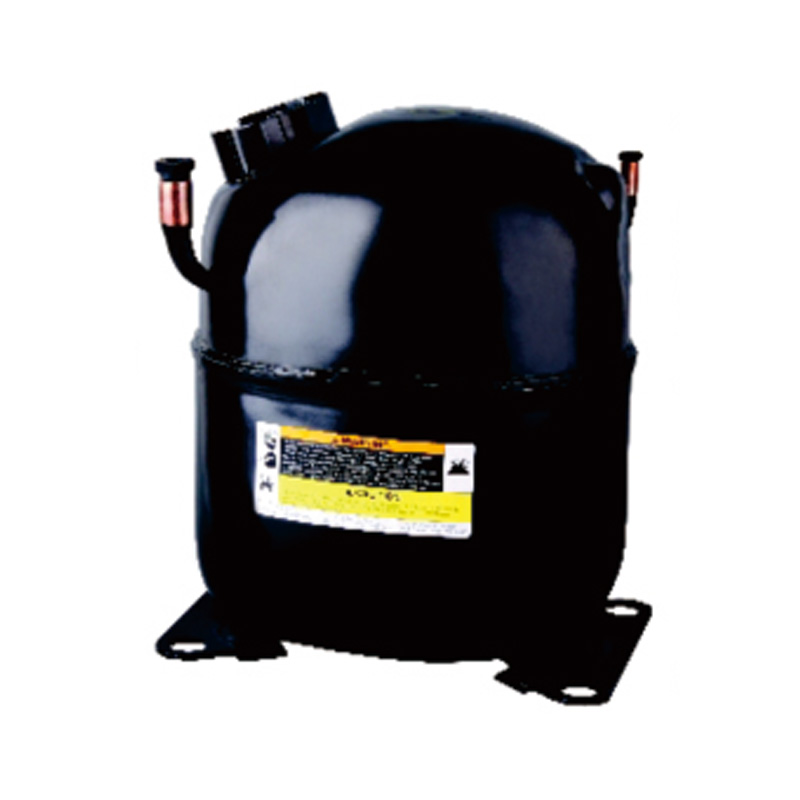
The product information refers to a Chinese compressor but does not provide a specific compressor brand or model. Buyers who require detailed component traceability should request the applicable bill of materials, compressor information, rated operating conditions, and service-part availability.
Electrical Integration
Electrical wiring, controls, sensors, switches, and protective components must be installed consistently. The 220V/50Hz rating identifies the intended supply conditions, but the final product should also satisfy the applicable electrical and safety requirements of its destination market.
Final Inspection
Final inspection may include visual checks, dimensional verification, power-on testing, ice production observation, abnormal-noise inspection, temperature or cycle checks, leakage testing, and packaging review. The exact inspection plan should be confirmed with the supplier, especially for commercial orders or private-label programs.
Quality and Reliability Priorities
For a compact ice maker, reliability is not determined by one specification alone. A dependable product requires a suitable compressor, stable electrical components, effective insulation, properly sealed refrigeration tubing, durable cabinet construction, and controls that operate predictably.
The machine’s relatively simple user concept should not be mistaken for a simple engineering challenge. Producing ice repeatedly requires the refrigeration system to transfer heat efficiently, the water path to remain clean, the ice-forming area to operate consistently, and the control system to manage fill, production, storage, and shutdown functions.
Users and distributors should evaluate the machine according to its intended workload. A product designed for home or light-duty use may perform well when operated within its capacity but may experience faster wear if used continuously in a high-volume commercial setting. Clear application guidance is therefore part of product quality.
After-sales support is another important factor. The company describes its service offering as including pre-sales consultation, product customization, flexible logistics and payment solutions, and after-sales maintenance. For international customers, support may also involve troubleshooting guidance, spare parts, technical documentation, warranty coordination, and communication with local service providers.
Cleaning and Maintenance Practices
Regular maintenance helps protect ice quality and machine performance. Before cleaning, the user should disconnect the appliance from the power supply and follow the manufacturer’s instructions. Water should be drained according to the approved procedure, and removable parts should be cleaned with suitable food-contact-safe materials.
The storage bin should be emptied and cleaned at appropriate intervals. Any visible residue, scale, or unusual odor should be addressed promptly. In areas with hard water, mineral deposits may accumulate more quickly, making descaling an important part of the maintenance schedule. The correct cleaning chemical and dilution should be confirmed from the manual.
Air-cooled equipment also requires attention to airflow paths. Dust and lint can collect around ventilation openings and condenser surfaces, reducing heat rejection. Keeping the surrounding area clean and unobstructed can help maintain efficient operation.
The refrigeration circuit should not be opened by unqualified personnel. If the machine fails to cool, produces unusual sounds, shows signs of refrigerant leakage, or repeatedly trips electrical protection, it should be switched off and inspected by an authorized technician.
Maintenance records can be useful for offices, guesthouses, and small businesses. Recording cleaning dates, descaling, service work, and unusual operating conditions makes it easier to identify recurring problems and demonstrate responsible equipment care.
Installation Guidance
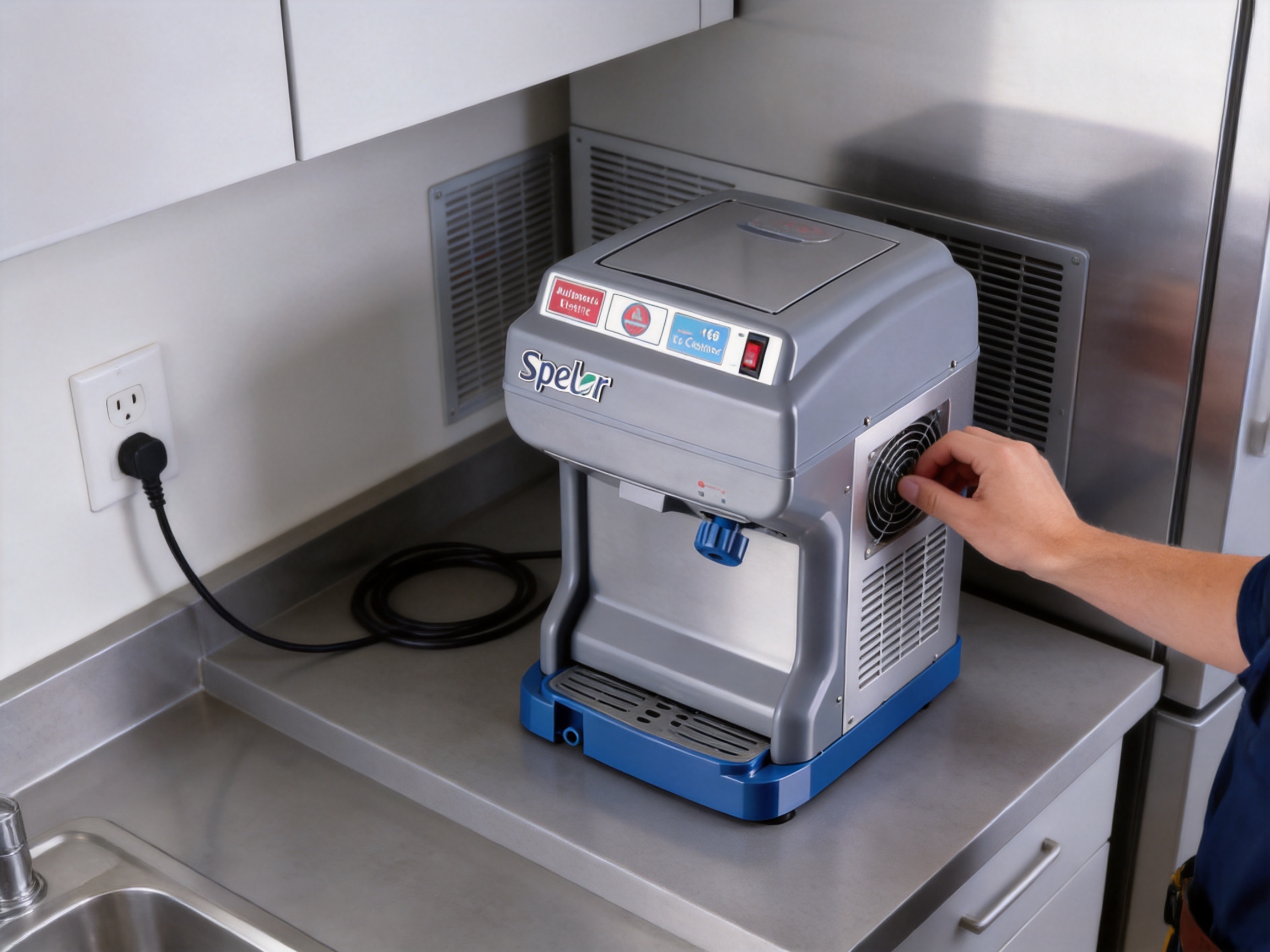
The machine should be placed on a stable, level, and sufficiently strong countertop. The surface should be able to support the approximately 18-kilogram net weight as well as water and ice. Uneven placement can contribute to vibration, noise, or unstable operation.
Leave suitable clearance around the appliance, especially near air intake and exhaust areas. Do not place it directly beside a cooker, oven, radiator, or other appliance that produces substantial heat. Avoid locations exposed to rain, splashing water, excessive humidity, or direct sunlight.
Before connecting the unit, verify that the electrical supply matches the 220V/50Hz specification and that the outlet is properly grounded where required. Do not overload the circuit with multiple high-power appliances. The final installation should follow local electrical rules and the manufacturer’s manual.
After transportation, refrigeration appliances may require a settling period before being switched on. The supplier’s instructions should take priority, particularly if the unit has been transported on its side or exposed to significant vibration during delivery.
Commercial and Residential Applications
The machine is particularly suitable for households that regularly prepare iced beverages but do not need a large freezer-based ice supply. Its countertop design may fit kitchens where floor space is unavailable, and its metal exterior can coordinate with other appliances.
In dormitories, it can serve residents who have access to a shared kitchenette but limited freezer space. In offices, it can provide ice for staff beverages, meeting rooms, and small internal events. In guesthouses and serviced apartments, it can supplement guest amenities where a larger ice station would be excessive.
Light commercial applications may include small beverage counters, snack shops, cafés with limited iced-drink sales, beauty or wellness businesses offering refreshments, small catering preparation areas, and temporary event stations. It can also function as a backup unit when the primary machine is being cleaned or serviced.
However, the maximum daily production must be matched to actual demand. Buyers should calculate the number of drinks served, the average ice quantity per drink, peak service periods, and the expected recovery time. If projected demand exceeds the machine’s practical output, a larger or additional ice machine should be considered.
OEM and ODM Potential
For importers, distributors, and foodservice equipment brands, the manufacturer’s OEM and ODM capability may be as important as the standard product itself. The supplied company information states that Spelor offers customized commercial refrigeration equipment based on drawings or requirements.
A standard compact ice maker can serve as a starting platform for a private-label project. Possible areas for discussion may include color, exterior graphics, control labeling, packaging, user manuals, regional electrical specifications, product identification, and coordinated equipment design. The scope of customization depends on order volume and technical review.
ODM cooperation may involve more extensive development, such as changes to cabinet dimensions, storage arrangements, controls, materials, or performance targets. Such projects require clear specifications, prototype evaluation, sample approval, testing, and agreement on production tolerances.
Professional procurement should also address quality standards, inspection procedures, spare-parts support, warranty terms, shipping protection, lead time, minimum order quantity, payment arrangements, and responsibility for destination-market certification. A detailed technical file helps reduce misunderstandings between the buyer and manufacturer.
Logistics and Packaging Considerations
Compact equipment is easier to ship than large floor-standing systems, but refrigeration appliances still require careful packaging. The cabinet, storage bin, controls, and refrigeration components must be protected from impact, moisture, vibration, and stacking pressure during transport.
International buyers should confirm carton dimensions, gross weight, pallet configuration, container loading quantity, and shipping marks. They should also verify whether the machine is shipped with all required accessories, manuals, power cords, fittings, and spare parts.
Because the machine weighs approximately 18 kilograms net, safe handling procedures are still important during unloading and installation. Warehouses and distributors should avoid dropping the unit or storing it in conditions that could damage the exterior or compromise the electrical system.
For private-label orders, packaging can be adapted to provide stronger brand presentation and clearer product handling instructions. Packaging artwork should be reviewed carefully to ensure that electrical ratings, warnings, model references, and operating information are accurate for the destination market.
How to Compare the Machine Before Purchase
Buyers should compare machines on practical performance rather than headline claims alone. The following questions can help create a balanced evaluation:
What is the verified ice production per 24 hours, and under what ambient and water-temperature conditions was it measured?
What is the storage-bin capacity, and does the machine stop automatically when the bin is full?
What type of ice does the machine produce, and is that ice form suitable for the intended beverages or foodservice application?
What are the required clearances for air cooling, and how much noise does the machine generate during operation?
Which components are replaceable, and are common spare parts available for international customers?
What cleaning, descaling, and maintenance procedures are recommended?
Does the 220V/50Hz configuration match the destination market, and are local certifications required?
What warranty, technical support, and after-sales service are included?
Can the manufacturer provide OEM or ODM changes, and what are the minimum order quantities?
These questions are especially important because small ice makers can look similar externally while differing significantly in cooling performance, durability, serviceability, and actual production capacity.
Clarifying the Production Specification
The supplied materials contain two different output references: the product specification states a maximum daily production of 2 kilograms, while the information table lists rated output as 2 kilograms per hour. These values are materially different and should not be treated as interchangeable.
A production rate of 2 kilograms per hour would imply a much higher daily output if the machine operated continuously. The product title and main specification strongly position the appliance as a 2-kilogram-per-day countertop ice maker. Therefore, buyers should request written confirmation of the correct rated production value, the test environment, and whether the 2kg/h entry is a data-entry error, a cycle-related figure, or a reference to another measurement.
Clear technical documentation protects both the buyer and the supplier. It helps prevent incorrect marketing claims, unsuitable customer expectations, and disputes after delivery. Product pages, labels, manuals, quotations, and packaging should use consistent specifications once the manufacturer has confirmed them.
Why the Manufacturer’s Broader Portfolio Matters
A company producing only one type of appliance may have limited ability to supply a complete foodservice project. By contrast, a manufacturer with experience in ice cream machines, juice dispensers, slush machines, refrigeration cabinets, flake ice machines, cooking equipment, and buffet products can potentially support multiple areas of a customer’s operation.
This broader product range may simplify procurement for businesses opening snack shops, beverage counters, fast-food outlets, bars, supermarkets, institutions, or buffet areas. It can reduce the number of separate suppliers involved in a project and create opportunities for coordinated design, consolidated logistics, and unified service communication.
The company’s stated user-oriented and quality-driven philosophy is also relevant to long-term cooperation. Equipment buyers generally need support before, during, and after the sale. Product selection, layout planning, customization, shipment coordination, installation guidance, maintenance, and spare-parts supply all contribute to the total ownership experience.
Manufacturing strength is therefore not limited to production volume. It includes the ability to understand an application, recommend a suitable model, maintain consistent output, communicate technical details, respond to quality issues, and support the customer throughout the product life cycle.
Advantages Summarized
The compact countertop format is the primary advantage of this ice maker. It allows users to add dedicated ice production without allocating the floor space needed by a large commercial machine.
The 2-kilogram daily capacity is appropriate for modest household, office, hospitality, and light-duty beverage requirements when demand is planned realistically.
The stainless-steel storage bin provides a dedicated location for short-term ice holding and supports a clean, professional appearance.
The use of food-grade stainless steel and sprayed steel combines practical durability with visual appeal.
Air cooling can simplify installation by avoiding the need for a dedicated cooling-water connection, provided sufficient ventilation is maintained.
The listed 180-watt input power supports the appliance’s role as a small-scale machine with manageable electrical requirements.
R290 refrigerant reflects a modern refrigerant direction with a comparatively low global warming potential, subject to proper handling and destination-market compliance.
The manufacturer’s integrated design, research and development, production, sales, and service structure can support standard purchases as well as OEM and ODM cooperation.
The company’s broad foodservice equipment portfolio may allow customers to coordinate the ice maker with other refrigeration, beverage, cooking, and buffet equipment.
Limitations Buyers Should Recognize
A responsible product evaluation should also consider limitations. The machine’s compact size means that its output is limited compared with large commercial ice systems. It is not the ideal choice for high-volume bars, hotels, busy restaurants, or large catering operations unless used as a supplementary unit.
Air cooling requires appropriate room conditions and clear ventilation paths. In a hot, dusty, or poorly ventilated environment, performance may be reduced and maintenance requirements may increase.
The listed specifications do not identify the exact ice shape, storage-bin capacity, noise level, compressor model, control method, or detailed cycle time. These details should be obtained from the supplier before purchase if they affect application suitability.
The output discrepancy between the daily production statement and the 2kg/h information-table entry must be clarified. Accurate product documentation is essential for professional procurement and marketing.
Finally, stainless steel improves cleanability and appearance but does not eliminate the need for sanitation. The appliance must be cleaned, descaled, ventilated, and serviced according to a suitable schedule.
Q&A
What is the intended use of this countertop ice maker?
It is intended for homes, dormitories, small offices, guesthouses, and light-duty beverage or foodservice applications that require a modest supply of ice. It is best suited to users who value compact size and convenience over high-volume production.
How much ice can it produce?
The main product specification states a maximum daily production of 2 kilograms. The supplied information also includes a 2kg/h rated-output entry, which conflicts with the daily figure. Buyers should obtain written confirmation of the correct production rating and test conditions before ordering.
Does the machine require a water-cooling connection?
No. The listed condensation method is air cooling. The machine still requires proper ventilation around its air intake and exhaust areas.
What power supply does the unit use?
The supplied information identifies a 220V/50Hz power supply and 180 watts of input power. Electrical compatibility should be verified for the destination country before installation.
What refrigerant is used?
The listed refrigerant is R290. Refrigerant-system service should be performed by qualified technicians because R290 is flammable and must be handled according to applicable safety procedures.
What are the machine dimensions?
The listed dimensions are approximately 375 × 260 × 435 millimeters. Buyers should confirm whether these dimensions refer to the complete machine and should allow additional clearance for airflow and operation.
How heavy is the machine?
The net weight is listed as approximately 18 kilograms. Packaging and gross shipping weight may be higher.
Is the exterior suitable for a commercial environment?
The body uses food-grade stainless steel and sprayed steel, giving the machine a clean and professional appearance. Suitability for a specific commercial environment also depends on local hygiene, electrical, and safety requirements.
Does the machine include an ice storage area?
Yes. The product title and description identify a stainless-steel ice storage bin. The exact storage capacity should be confirmed in the technical documentation.
Can the manufacturer provide customized products?
The company information states that it offers OEM and ODM commercial refrigeration equipment based on drawings or requirements. Buyers should discuss customization scope, minimum order quantity, samples, testing, certification, packaging, and lead time with the supplier.
What maintenance does the machine need?
Typical maintenance includes cleaning the ice bin and water-contact areas, removing scale when necessary, keeping air passages clean, checking for abnormal operation, and arranging professional service for refrigeration or electrical faults. The manufacturer’s manual should provide the definitive maintenance instructions.
Can this unit replace a large commercial ice machine?
Usually not. Its compact 2-kilogram daily positioning makes it appropriate for small-scale or supplementary use. High-volume operations should select equipment based on measured peak demand and required storage capacity.
Why is the company’s manufacturing background important?
The manufacturer integrates design, research and development, manufacturing, sales, and service and operates modern production facilities reported to exceed 60,000 square meters. Its wider portfolio covers refrigeration, beverage, cooking, and buffet equipment, which may support stable supply and coordinated foodservice projects.
Conclusion
The 2Kg/24H Countertop Ice Maker with Stainless Steel Storage Bin is a practical solution for users who need dedicated ice production in a small footprint. Its main strengths are compact dimensions, air cooling, modest power consumption, stainless-steel construction, integrated storage, R290 refrigerant, and suitability for home or light-duty environments.
Its value lies in matching the machine to the right application. A household, small office, guesthouse, dormitory, or low-volume beverage counter may benefit from an appliance that produces ice on demand without the space and infrastructure required by a large commercial system. Conversely, high-volume businesses should carefully compare daily demand, peak usage, storage capacity, and recovery time before selecting a compact model.
The manufacturing background of Spelor Electrical Appliances (Zhejiang) Co., Ltd. adds another important consideration for buyers. The company combines product development, manufacturing, sales, and service, reports more than 60,000 square meters of modern facilities, and offers a broad range of commercial refrigeration and foodservice equipment. These capabilities can support standard purchasing, private-label programs, and customized OEM or ODM projects.
Before final procurement, buyers should confirm the exact production rating, ice type, storage capacity, noise level, electrical configuration, certifications, warranty conditions, spare-parts support, and maintenance requirements. With those points clarified, this countertop ice maker can provide a convenient and space-efficient source of ice for everyday residential and small-scale commercial use.
References
1. Product specification sheet for the JA168 countertop ice maker, including rated power, daily production, cooling method, dimensions, refrigerant, and net weight.
2. Product information supplied for the countertop ice maker, including power supply, input power, machine size, net weight, and application description.
3. Manufacturer profile for Spelor Electrical Appliances (Zhejiang) Co., Ltd., including company history, production facilities, product portfolio, OEM and ODM capability, and service scope.
4. General foodservice equipment hygiene principles concerning stainless-steel surfaces, ice storage, cleaning, sanitation, and food-contact equipment maintenance.
5. General refrigeration engineering guidance concerning air-cooled equipment, ventilation clearance, compressor operation, refrigerant safety, and routine condenser maintenance.
6. General technical guidance concerning R290 refrigerant handling, flammability precautions, qualified servicing, and destination-market compliance.
Product: 2Kg/24H Countertop Ice Maker Stainless Steel Storage Bin for Home

For exclusive deals and latest offers, sign up by entering your email address below.


-
spelor@spelor.com
-
+86-576-85229688
-
No.528, Changxi Road, Linhai City, Zhejiang Province, China
Commercial Refrigeration Equipment Manufacturer China
Copyright © 2025 by Spelor Electrical Appliances (Zhejiang) Co., Ltd. Rights Reserved.
