


 中文简体
Plastic Beater Components for Soft-Serve Machines: A Practical Guide to Hygiene, Performance, Compatibility, and OEM Supply
Admin 2026-10-15Soft-serve ice cream depends on more than a reliable freezing cylinder and a powerful refrigeration system. Inside the machine, the beater or agitator assembly plays a central role in transforming a liquid mix into a smooth, consistent, and appealing frozen product. It moves the mix through the freezing chamber, supports heat transfer, helps distribute air, and assists with the controlled delivery of soft-serve product. When the beater components are correctly designed and maintained, the machine can provide more uniform texture, stable portioning, and efficient daily operation.
Plastic Beater Components for Soft-Serve Machine are developed as replacement or optional components for compatible soft-serve equipment. The assembly is made from food-grade plastic and is designed to support safe food contact, convenient installation, straightforward cleaning, and dependable operation. It is not sold separately as an independent retail item, but it may be supplied as an optional component or spare part for suitable machines and equipment programs.
This article explains the role of plastic beater components, their principal advantages, selection considerations, cleaning requirements, manufacturing strengths, and suitability for OEM and ODM cooperation. It also examines how a professionally manufactured component can offer practical value compared with poorly matched, difficult-to-clean, or low-quality alternatives.
1. The Role of a Beater Assembly in a Soft-Serve Machine
A soft-serve machine must perform several processes at the same time. It needs to cool the product mix, partially freeze it, incorporate or maintain a controlled amount of air, move the product through the freezing chamber, and deliver it through the dispensing system. The beater assembly contributes to this process by continuously agitating the mix inside the freezing cylinder.
The beater normally includes a central shaft, supporting structures, mixing sections, scraping surfaces, and other geometry designed around the internal shape of the cylinder. Depending on the machine design, the beater may rotate at a controlled speed while scraper elements move product away from the cylinder wall. This movement helps prevent excessive freezing on the inner surface and encourages more even temperature distribution.
In a commercial environment, the beater is exposed to repeated cycles of rotation, refrigeration, product pressure, cleaning, rinsing, and sanitizing. It must therefore be suitable for frequent use and regular maintenance. The component must also fit accurately inside the freezing cylinder. Even a small mismatch in length, diameter, shaft connection, or scraper position can reduce machine performance or prevent proper installation.
A well-designed plastic assembly can provide an effective balance between low weight, food-contact suitability, corrosion resistance, and ease of handling. These characteristics are especially useful for operators who remove the assembly at the end of each service period for cleaning and sanitation.
2. Product Overview
The plastic beater component is intended for use in compatible soft-serve ice cream machines. It is manufactured from food-grade plastic selected for applications involving contact with prepared food products. Its design supports installation, removal, cleaning, inspection, and routine maintenance.
The component can be used as an optional part or replacement assembly within an appropriate equipment configuration. Because soft-serve machines differ in cylinder dimensions, drive connections, dispensing capacity, and internal structure, compatibility should always be confirmed before ordering. Customers should provide the equipment model, component drawing, measurements, photographs, or technical requirements when requesting a quotation or a customized solution.
The product is particularly suitable for commercial foodservice applications where operators require repeatable performance and practical maintenance. Potential users include ice cream shops, snack stores, fast-food restaurants, cafés, dessert counters, convenience stores, supermarkets, catering businesses, and institutional foodservice locations.
| Product Attribute | Practical Benefit | Application Consideration |
|---|---|---|
| Food-grade plastic construction | Supports safe and hygienic food-contact use | Confirm material requirements and applicable regulations for the target market |
| Lightweight design | Makes removal, installation, and handling easier | Follow the machine manufacturer’s assembly procedure |
| Easy disassembly | Helps operators clean and inspect the component efficiently | Clean after use and inspect seals, surfaces, and connection points |
| Compatible component design | Can support different suitable soft-serve machine configurations | Verify dimensions, drive connection, and cylinder compatibility |
| Plastic construction | Resists many common corrosion concerns associated with metal parts | Use approved cleaning chemicals and avoid unsuitable tools or temperatures |
| Optional spare-part supply | Supports equipment maintenance and replacement planning | Not sold separately as a universal, standalone component |
3. Main Advantages of the Plastic Beater Components
3.1 Food-Grade Material Selection
The use of food-grade plastic is one of the most important features of the assembly. Food-contact components must be selected and manufactured with attention to cleanliness, material stability, surface condition, and intended use. A suitable material helps reduce concerns related to unwanted contamination and supports the hygiene procedures required in commercial foodservice operations.
Food-grade plastic can also provide a smooth and practical surface for cleaning. When the component is properly molded and finished, there are fewer unnecessary areas where product residue can collect. This helps operators carry out routine washing and sanitizing procedures more effectively.
Material selection should always be considered together with the operating environment. The final suitability of a component depends on factors such as product composition, operating temperature, cleaning chemicals, mechanical load, and local food-contact requirements. For this reason, professional suppliers should confirm the material specification and intended machine application during the quotation and approval process.
3.2 Lightweight Handling
Compared with many traditional metal assemblies, a plastic beater can be easier to lift, remove, and reinstall. This is valuable during daily cleaning, especially in businesses that operate several machines or complete a full sanitation routine after every service period.
Lower handling weight can reduce physical effort for staff and make the disassembly process more manageable. It may also reduce the likelihood of accidental impact against the freezing cylinder, work surface, or other machine parts during maintenance. A component that is easier to handle can encourage operators to follow cleaning procedures consistently rather than delaying or shortening them.
3.3 Convenient Cleaning and Hygiene Maintenance
Soft-serve equipment requires careful cleaning because dairy mixes, sugar-based mixes, plant-based formulations, and flavored products can leave residue in internal passages and around moving components. The beater is directly involved in product movement and must be cleaned thoroughly.
The plastic agitator assembly is designed for easy disassembly and maintenance. This allows operators to separate the component from the machine, inspect its surfaces, wash it according to the equipment procedure, rinse away cleaning agents, and sanitize it before reassembly.
Convenient cleaning is not simply a matter of saving time. It also supports food safety, product quality, and equipment reliability. Residue that remains on a component can affect the taste and appearance of a new batch. Inadequate cleaning may also contribute to unpleasant odors, microbial growth, or premature wear of seals and connection areas.
3.4 Support for Uniform Product Texture
The beater helps move and distribute the product mix through the freezing cylinder. When the assembly is properly matched to the machine, its geometry can support more consistent movement and reduce localized differences in product temperature or density.
Uniform agitation is especially important for soft-serve texture. If the mix is not moved effectively, some areas may become over-frozen while others remain too fluid. This can produce inconsistent dispensing, unstable shape, or variation between servings. A suitable beater assembly helps the freezing system and dispensing system work together more effectively.
Product texture also depends on many other factors, including mix formulation, refrigeration performance, air incorporation, operating temperature, draw rate, and maintenance condition. The plastic beater does not replace the need for correct machine adjustment, but it is an important part of the overall process.
3.5 Corrosion Resistance in Normal Foodservice Conditions
Plastic does not rust in the same way as ordinary steel. This can be a practical advantage in an environment where components are repeatedly exposed to water, food residue, cleaning solutions, and humid conditions. A suitable plastic part can help limit certain corrosion-related maintenance issues that may occur with unsuitable metal components.
However, corrosion resistance should not be interpreted as immunity to all forms of chemical or thermal damage. Operators should use cleaning agents approved for the machine and follow the recommended concentration, exposure time, water temperature, and rinsing procedure. Strong chemicals, excessive heat, sharp tools, or incorrect handling can damage any component.
3.6 Easier Replacement Planning
Commercial soft-serve equipment represents an ongoing investment. A planned spare-part program allows operators, distributors, and service organizations to keep important components available. A replaceable plastic beater assembly can help reduce unexpected downtime when a component reaches the end of its service life or becomes damaged during operation or cleaning.
Because the product is supplied as an optional component or spare part rather than sold as a universal standalone item, it should be ordered together with accurate machine information. This approach helps avoid incorrect purchases and improves the chance of receiving a properly matched assembly.
4. Advantages Compared with Poorly Matched or Low-Quality Alternatives
Product comparisons should be based on verified specifications rather than unsupported claims. In practical use, the most meaningful advantages of a professional food-grade plastic beater are related to fit, material suitability, maintenance convenience, and supply support.
A poorly matched beater may have the wrong overall length, an incompatible shaft interface, incorrect scraper positioning, or insufficient clearance from the cylinder wall. Such problems can cause installation difficulty, uneven product movement, abnormal noise, or excessive wear. A professionally specified component is more likely to be developed around the intended machine structure and technical requirements.
Low-quality plastic components may also suffer from rough surfaces, inconsistent molding, deformation, weak connection points, or poor dimensional accuracy. These issues can make cleaning more difficult and may affect the stability of the assembly during repeated operation. Professional manufacturing controls help reduce these risks through tooling management, material control, inspection, and process documentation.
Another difference concerns technical communication. A reliable supplier should be able to review drawings, dimensions, samples, and application details before production. This is especially important for OEM and ODM customers, distributors, and equipment manufacturers that require a component to match a specific machine platform.
| Comparison Area | Professionally Specified Plastic Beater | Poorly Matched or Low-Quality Alternative |
|---|---|---|
| Machine fit | Selected according to model, measurements, and connection requirements | May require modification or fail to install correctly |
| Surface quality | Designed for practical cleaning and routine inspection | May contain rough areas, flash, or unnecessary residue traps |
| Material suitability | Food-grade plastic selected for the intended application | Material origin or food-contact suitability may be unclear |
| Operational stability | Produced with attention to geometry and dimensional consistency | May cause vibration, noise, or uneven movement |
| Maintenance | Designed for disassembly, washing, and reassembly | May be difficult to remove or inspect |
| Supply support | Can be reviewed through OEM or spare-part procedures | May have limited documentation and uncertain availability |
5. Design Features That Affect Performance
5.1 Overall Dimensions
The beater must fit inside the freezing cylinder with the correct clearance. The outside diameter, total length, shaft position, and end structure all influence operation. If the beater is too large, it may contact the cylinder or create excessive mechanical resistance. If it is too small, it may not move product effectively or may allow excessive product accumulation on the cylinder wall.
Accurate dimensional control is therefore essential. For customized projects, customers should provide engineering drawings or a physical sample whenever possible. Measurements should include the body diameter, shaft diameter, shaft length, keyway or drive structure, end-to-end length, scraper location, and any retaining features.
5.2 Drive Connection
The drive connection transfers rotational force from the machine motor or gearbox to the beater. It must match the equipment’s shaft and coupling arrangement. Different machines may use different interfaces, such as keyed shafts, shaped drive ends, pins, sockets, or specialized couplings.
A correct connection helps ensure that torque is transferred smoothly. An incorrect connection can create looseness, slippage, unusual noise, or excessive stress at the beater hub. When ordering a replacement component, the drive interface should never be assumed solely from the general appearance of the assembly.
5.3 Scraping and Mixing Geometry
The shape and placement of the mixing and scraping sections influence product movement. The assembly should support effective circulation while maintaining appropriate clearance from the freezing cylinder. The geometry should also be suitable for the product formulation and machine operating speed.
A practical design balances product movement with mechanical load. Excessive resistance may increase stress on the drive system, while insufficient movement can reduce texture consistency. The correct balance is determined through machine design, testing, and application-specific evaluation.
5.4 Disassembly Structure
Components that can be separated without unnecessary complexity are easier to clean and inspect. The beater assembly should be handled according to the specific equipment procedure, with attention to removable scrapers, seals, pins, retaining parts, and drive elements.
Disassembly should not require forceful impact or improvised tools. Operators should place removed parts on a clean surface, record their positions when necessary, and check for cracks, distortion, discoloration, or unusual wear before reassembly.
6. Hygiene and Cleaning Practices
Good component design supports cleaning, but hygiene depends on correct operating procedures. The beater should be cleaned at the frequency specified by the machine manufacturer and according to the requirements of the local food safety program.
6.1 Recommended Cleaning Sequence
First, remove remaining product from the machine according to the approved product-removal procedure. Do not begin disassembly while the machine is operating or while the drive system is still engaged. Disconnect power when required by the equipment instructions.
Next, remove the beater carefully. Avoid dropping it or placing it directly on an unclean surface. Separate removable parts and inspect the assembly for visible residue, cracks, deformation, or damaged connection points.
Wash the parts using the approved cleaning solution and water temperature. Use tools that will not scratch or gouge the plastic surfaces. Scratches can create additional areas where residue may collect and can make later cleaning more difficult.
Rinse all cleaning solution away thoroughly. Chemical residues should not remain on food-contact surfaces. Apply the approved sanitizer at the correct concentration and contact time, then allow the parts to drain or dry according to the applicable sanitation procedure.
Before reassembly, confirm that the components are clean, intact, and correctly positioned. Inspect seals and other associated parts even if they are not included in the beater assembly. Incorrectly installed seals can lead to leakage, product loss, or contamination of non-product areas.
6.2 Cleaning Mistakes to Avoid
Operators should avoid using metal scrapers, abrasive pads, unapproved solvents, excessive heat, or highly concentrated chemicals. These methods may damage the surface or alter the component’s dimensions.
It is also important not to store a wet assembly in a closed container for a long period. After cleaning and sanitation, components should be stored in a clean, protected location that prevents dust, impact, and contact with unsuitable materials.
Do not continue using a beater that has visible cracks, severe wear, distortion, or an unreliable drive connection. A damaged component may affect product quality and could place additional stress on the machine’s drive system.
7. Installation and Maintenance Considerations
Installation should be performed by trained personnel or by operators who have been instructed in the correct procedure for the specific soft-serve machine. Before installation, confirm that the machine is switched off, isolated from power where required, and free from product residue.
Check that the freezing cylinder is clean and that no foreign object is present. Inspect the beater, shaft, scrapers, seals, and retaining parts. Apply only the lubricant specified for the equipment and use it in the correct quantity. Excessive or unsuitable lubricant may create a food safety concern or interfere with operation.
Insert the beater in the correct orientation. Do not force the assembly into position. If it does not fit smoothly, remove it and recheck the alignment, drive interface, seals, and cylinder condition. Forcing the part may damage the component or the machine.
After installation, verify that the assembly rotates or engages as intended before returning the machine to normal production. Watch for abnormal noise, vibration, leakage, or irregular product delivery. If any problem appears, stop the equipment and investigate before continued use.
Maintenance intervals depend on operating hours, product type, cleaning frequency, machine design, and service conditions. High-volume stores may need more frequent inspection than low-volume applications. A written maintenance checklist can help staff record cleaning, inspection, part replacement, and service activities.
8. Manufacturing Strengths and Production Capabilities
Spelor Electrical Appliances (Zhejiang) Co., Ltd. is a professional manufacturer integrating design, research and development, manufacturing, sales, and service. Formerly known as Zhejiang Spelor Refrigeration Equipment Co., Ltd., the company operates modern production facilities covering more than 60,000 square meters.
This manufacturing foundation is significant for customers seeking more than a single replacement component. A supplier with experience across commercial refrigeration, kitchen equipment, and buffet equipment can evaluate a beater assembly within the broader context of foodservice machinery. This supports practical communication between component requirements and complete equipment performance.
The company’s product range includes ice cream machines, juice dispensers, fried ice cream machines, refrigeration cabinets, slush machines, flake ice machines, cooking equipment, griddles, fryers, insulation products, barbecue equipment, and buffet solutions. Experience across these product groups provides exposure to different material, assembly, refrigeration, heating, sanitation, and commercial usability requirements.
A modern factory environment can support the development and production of plastic beater components through several coordinated stages. These stages may include requirement review, product drawing confirmation, tooling or mold preparation, material selection, molding, trimming, dimensional inspection, assembly verification, cleaning evaluation, packaging, and shipment preparation.
8.1 Engineering and Requirement Review
The first stage of a customized or replacement component project is understanding the application. Engineers and technical staff review the machine model, freezing-cylinder dimensions, drive arrangement, product capacity, operating conditions, and cleaning requirements.
When customers provide drawings, samples, or photographs, these materials can be compared with internal design information. Questions about tolerance, material, surface finish, quantity, packaging, and inspection criteria should be resolved before mass production. This reduces the risk of producing a component that appears similar but does not function correctly in the target machine.
8.2 Tooling and Molding Control
Plastic components depend on appropriate mold design and molding conditions. Mold accuracy influences the shape, dimensions, surface quality, and repeatability of the finished part. Production staff must control factors such as material drying where applicable, melt temperature, injection pressure, cooling time, and ejection conditions.
Consistent molding is important for a beater because the assembly must rotate and fit within a defined mechanical space. Excessive warpage, sink marks, flash, or dimensional variation may affect installation and operation. Tooling maintenance also helps preserve repeatability over larger production quantities.
8.3 Inspection and Assembly Verification
Inspection may include visual checks, dimensional measurements, material records, surface examination, and trial assembly. Depending on the project, a supplier may also evaluate rotational fit, connection stability, clearance, and compatibility with related components.
Assembly verification is especially useful for OEM and ODM customers. A component can meet individual dimensional measurements yet still fail to work properly when combined with a shaft, scraper, seal, cylinder, or drive system. Practical trial assembly helps identify these issues before shipment.
8.4 Manufacturing and Service Integration
Because the company designs and manufactures a broad range of commercial foodservice equipment, customers can communicate with a supplier familiar with complete machine programs. This can simplify discussions involving machine customization, component replacement, packaging, technical documents, and after-sales service.
Integrated manufacturing and service capabilities are valuable for importers, distributors, chain stores, and equipment brands. They can support a more coordinated procurement process rather than requiring separate communication with unrelated component vendors.
9. OEM and ODM Cooperation
Plastic beater components can be developed for OEM and ODM projects based on drawings, samples, or defined functional requirements. Customers may need a replacement assembly for an existing machine, a private-label component for a new equipment series, or a customized design that supports a specific freezing-cylinder structure.
For an OEM project, the customer may provide an established design and require controlled production, consistent material, stable dimensions, and packaging according to its brand or service system. For an ODM project, the supplier may contribute engineering support, design adjustment, prototype development, and production recommendations.
A successful project should define the following information:
1. Target machine model or equipment family.
2. Freezing-cylinder internal dimensions and available clearance.
3. Overall beater length and diameter.
4. Drive shaft and coupling configuration.
5. Scraper, mixing, and retaining structure.
6. Food-contact material requirements.
7. Cleaning and sanitation conditions.
8. Expected operating temperature and rotation conditions.
9. Annual or monthly forecast quantity.
10. Packaging, labeling, inspection, and documentation requirements.
Clear specifications help control cost and reduce lead-time risk. They also make it easier to establish approval samples and production inspection standards. When a product is intended for multiple markets, customers should communicate applicable regulatory or certification expectations at the beginning of the project.
10. Supply, Logistics, and After-Sales Support
Commercial equipment customers often need more than a product shipment. They may require pre-sales consultation, technical confirmation, customized packaging, flexible logistics, payment coordination, installation guidance, and after-sales maintenance support.
Spelor provides one-stop service for customers in global foodservice markets. Its support structure is designed to assist customers from initial product selection through customization, order coordination, delivery, and maintenance communication.
For spare-part programs, effective supply planning is important. Customers should consider the number of machines in operation, average operating hours, service location, expected replacement cycle, and time required for international shipment. Maintaining a reasonable stock of critical components can reduce downtime and protect daily sales.
Packaging should protect the plastic assembly from deformation, impact, contamination, and moisture during transport. For larger projects, individual identification labels and carton marks can simplify warehouse management and field service. Technical drawings, installation instructions, or inspection records may also be included when required by the customer.
11. How to Select the Correct Component
The appearance of two beaters may be similar while their dimensions and interfaces are different. Selection should therefore be based on technical confirmation rather than visual comparison alone.
Start with the exact soft-serve machine model and production version. Check whether the equipment is a countertop or floor-standing unit, single-flavor or multiple-flavor model, gravity-fed or pump-fed system, and whether it uses one or more freezing cylinders.
Next, compare the internal dimensions of the freezing cylinder with the beater specifications. Confirm that the beater will have the correct clearance and that its mixing sections align with the product-flow design.
Then examine the drive connection. Photographing the shaft end, coupling, and retaining structure can help a supplier identify the correct configuration. If possible, provide the old part’s measurements and note any changes made to the machine.
Finally, explain the intended operating environment. Information about product type, daily output, cleaning chemicals, cleaning frequency, and target market can help the supplier recommend the appropriate material and production approach.
12. Operating Benefits for Different Foodservice Users
12.1 Ice Cream Shops
Ice cream shops often require a consistent texture and attractive shape throughout the day. A properly maintained beater supports the stable movement of mix through the freezing system and helps staff maintain predictable serving quality.
12.2 Fast-Food Restaurants
Fast-food operations depend on speed and repeatability. A lightweight, easy-to-clean component can reduce the effort required during scheduled maintenance. Reliable spare-part availability can also help reduce the impact of unexpected equipment service.
12.3 Convenience Stores and Supermarkets
These locations may operate equipment for long periods and may rely on staff with different levels of technical experience. Clear installation procedures, simple disassembly, and practical inspection points can support better maintenance consistency.
12.4 Catering and Institutional Foodservice
Catering businesses, schools, hotels, and institutions may require equipment that can be cleaned thoroughly between service periods. A component designed for convenient removal and hygiene maintenance can support operational flexibility and sanitation control.
13. Environmental and Economic Considerations
A durable, maintainable component can contribute to more efficient equipment ownership. When a beater can be inspected, cleaned, and replaced as an individual service component, operators may avoid replacing a complete machine because of a localized part issue.
Plastic can also offer lower handling weight and potentially reduce material use compared with some heavy metal constructions. The environmental value of any component depends on its service life, manufacturing process, packaging, transportation, and end-of-life treatment. Responsible use includes following maintenance instructions, preventing avoidable damage, and replacing only parts that require replacement.
An economical spare-part solution should be judged by total operating value rather than initial purchase price alone. A low-cost part that fits poorly, creates cleaning difficulties, or fails prematurely may increase labor, downtime, and service expenses. A correctly specified component with stable supply and technical support can provide better long-term value.
14. Quality, Reliability, and Customer Value
Quality in a plastic beater assembly is not limited to the visual appearance of the molded part. It includes material suitability, dimensional accuracy, structural integrity, surface condition, connection reliability, compatibility, packaging, and service support.
For a foodservice customer, reliability means that the component can be installed correctly, operate within the intended machine, be cleaned without unnecessary difficulty, and remain available through a dependable supply channel. For a distributor, reliability also includes consistent product identification, documentation, packaging, and communication.
Spelor’s manufacturing and service model is focused on helping customers obtain commercial refrigeration and foodservice equipment solutions based on drawings or requirements. This capability is relevant to customers that require customized components rather than generic products of uncertain origin.
The company’s user-oriented and quality-driven approach combines production capability with pre-sales consultation, customized solutions, logistics coordination, and after-sales maintenance. These strengths can help global customers manage procurement more efficiently and build a stable equipment support program.
15. Frequently Asked Questions
Q1: What is the purpose of a plastic beater in a soft-serve machine?
The beater agitates and moves the product mix inside the freezing cylinder. It supports more even product distribution, contributes to texture consistency, and helps the machine deliver soft-serve product effectively.
Q2: Is the component sold as a universal replacement?
No. It is an optional component or spare part for compatible soft-serve machines and is not sold separately as a universal standalone product. Customers should confirm the machine model, dimensions, and drive connection before ordering.
Q3: Is the plastic suitable for food-contact applications?
The assembly is made from food-grade plastic intended for foodservice equipment applications. Specific material documentation and regulatory requirements should be confirmed according to the destination market and project specification.
Q4: Can the beater be used in any soft-serve machine?
No. Soft-serve machines vary in cylinder size, drive arrangement, beater geometry, and product-flow design. Compatibility must be verified using the machine model, drawings, measurements, or a physical sample.
Q5: How often should the beater be cleaned?
Cleaning frequency depends on the machine instructions, product type, operating schedule, and local food safety requirements. Commercial operators should follow the equipment manufacturer’s sanitation schedule and clean the beater whenever the machine is emptied or serviced as required.
Q6: Can abrasive tools be used to remove residue?
Abrasive tools and metal scrapers should generally be avoided because they can scratch the plastic surface. Use approved cleaning tools and solutions that are suitable for food-contact equipment.
Q7: What information is needed for an OEM quotation?
Useful information includes the machine model, drawings, beater dimensions, shaft and coupling details, product application, material requirements, estimated quantity, packaging requirements, and destination market.
Q8: Can the component be customized?
Customization may be available for suitable OEM or ODM projects based on drawings, samples, or defined requirements. Engineering review is needed to confirm feasibility, tooling requirements, minimum order quantity, and production schedule.
Q9: What signs indicate that a beater should be replaced?
Replacement may be necessary when the component has cracks, deformation, severe wear, damaged connection points, unusual movement, abnormal noise, or an inability to maintain correct clearance and product flow.
Q10: Does the beater determine the final soft-serve texture by itself?
No. Texture also depends on mix formulation, refrigeration capacity, air incorporation, machine settings, product temperature, draw rate, and general maintenance. The beater is one important part of the complete system.
Q11: Why is easy disassembly important?
Easy disassembly allows staff to remove product residue, inspect surfaces, sanitize the component, and identify wear or damage. This supports hygiene and can reduce maintenance time.
Q12: What type of company can supply this component?
A manufacturer with experience in commercial refrigeration and foodservice equipment can help evaluate the component within the complete machine system. Spelor Electrical Appliances (Zhejiang) Co., Ltd. provides equipment manufacturing, customization, supply, and service support for global foodservice markets.
16. Conclusion
Plastic Beater Components for Soft-Serve Machine provide a practical solution for compatible soft-serve equipment. Their food-grade plastic construction, lightweight handling, convenient disassembly, cleaning-friendly design, and support for consistent product movement make them valuable for commercial foodservice operations.
The main advantage over poorly matched or low-quality alternatives is not simply the use of plastic. It is the combination of suitable material, accurate design, compatibility review, controlled manufacturing, inspection, and service support. These factors help operators protect hygiene, reduce maintenance difficulty, and maintain reliable equipment performance.
With more than 60,000 square meters of modern production facilities and experience across refrigeration, kitchen, ice-making, beverage, and buffet equipment, Spelor Electrical Appliances (Zhejiang) Co., Ltd. is positioned to support both standard equipment programs and customized OEM or ODM projects. Customers can request solutions based on drawings, samples, machine requirements, or application conditions.
For the best result, purchasers should confirm the machine model and technical specifications before ordering. Correct selection, careful installation, approved cleaning practices, and timely replacement will help the beater assembly perform as intended and contribute to a more efficient, hygienic, and dependable soft-serve operation.
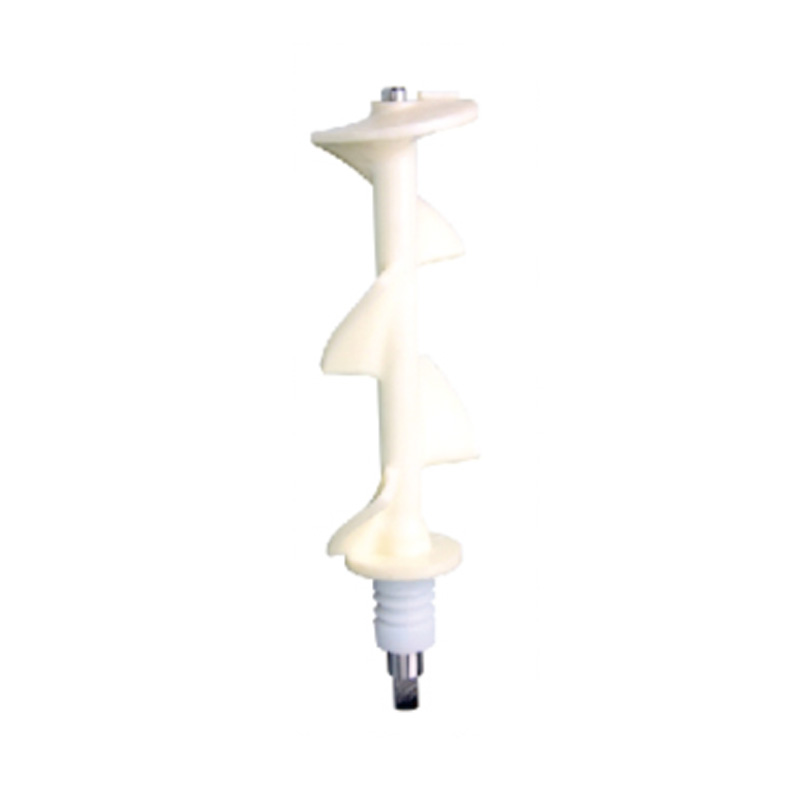
Plastic Beater Components for Soft-Serve Machine(Not sold separately)
References
1. General principles of food-contact material selection for commercial foodservice equipment.
2. Commercial soft-serve machine operation, cleaning, and sanitation practices.
3. Plastic component design principles for food-processing and refrigeration equipment.
4. Preventive maintenance practices for commercial ice cream and frozen dessert machines.
5. Manufacturer-provided technical information for compatible soft-serve machine assemblies.
6. Internal product and company information supplied for Plastic Beater Components for Soft-Serve Machine.
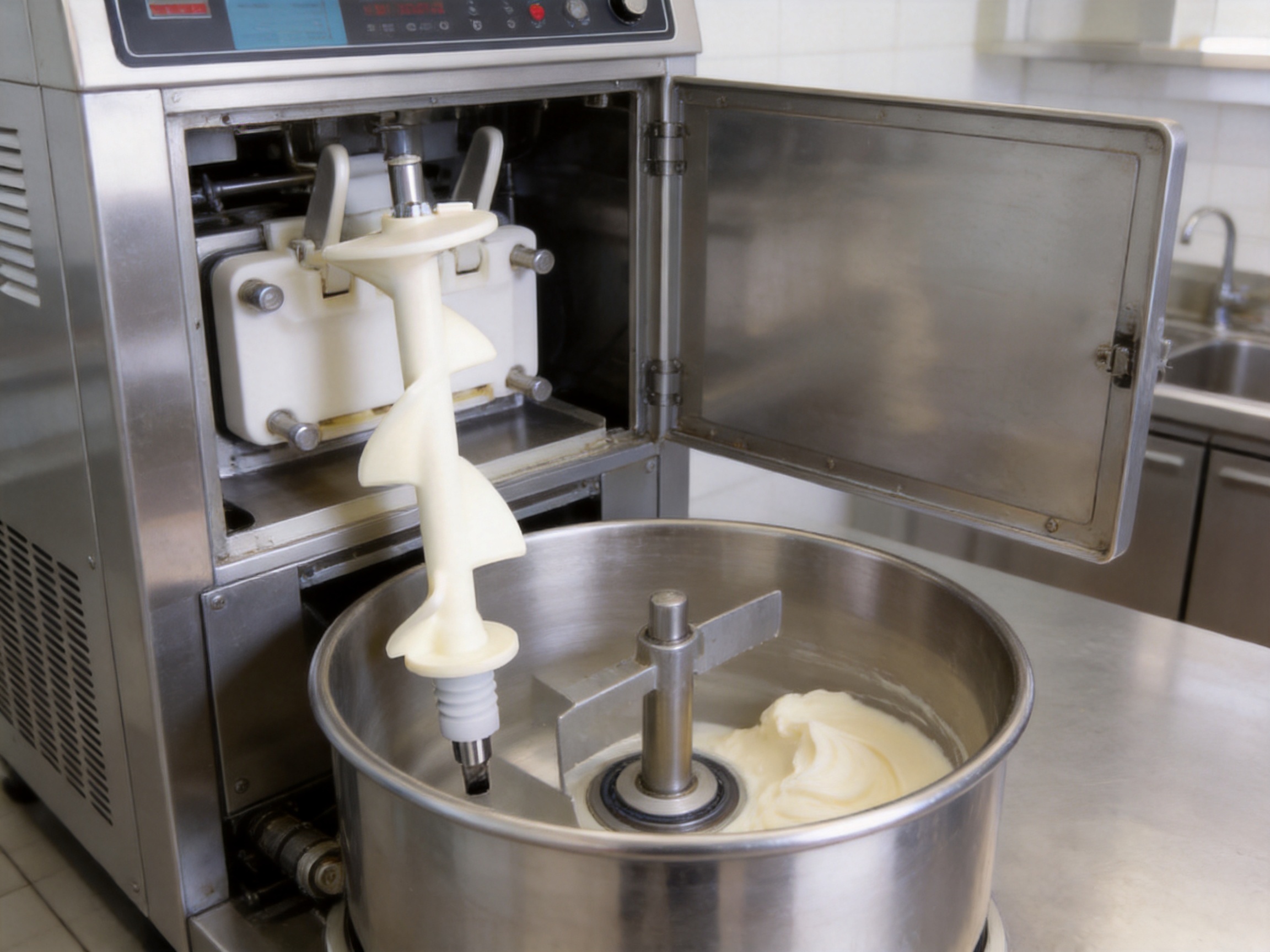
Suggested Procurement Checklist
Before placing an order, confirm the exact machine model, freezing-cylinder dimensions, beater length, beater diameter, shaft connection, scraper arrangement, material requirements, cleaning procedure, required quantity, packaging details, and destination-market documentation.
For customized projects, provide a technical drawing or sample whenever possible. A complete specification allows the manufacturer to review compatibility, prepare an accurate quotation, establish inspection criteria, and support reliable long-term supply.
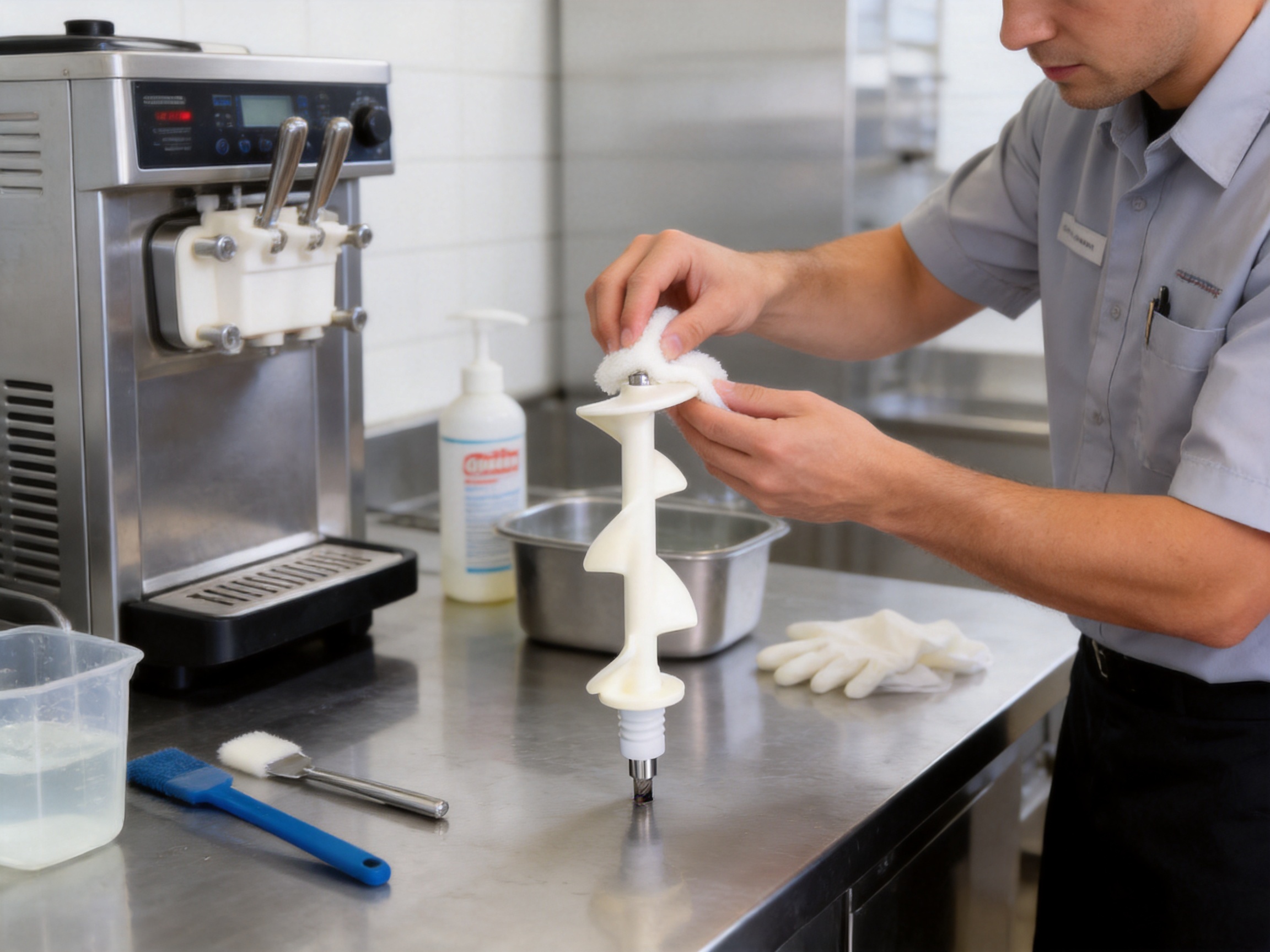
Final Maintenance Reminder
Always switch off the machine and follow the applicable safety procedure before removing the beater. Clean and sanitize food-contact parts according to approved instructions, inspect the assembly regularly, and replace it if cracks, distortion, excessive wear, or connection damage is found.
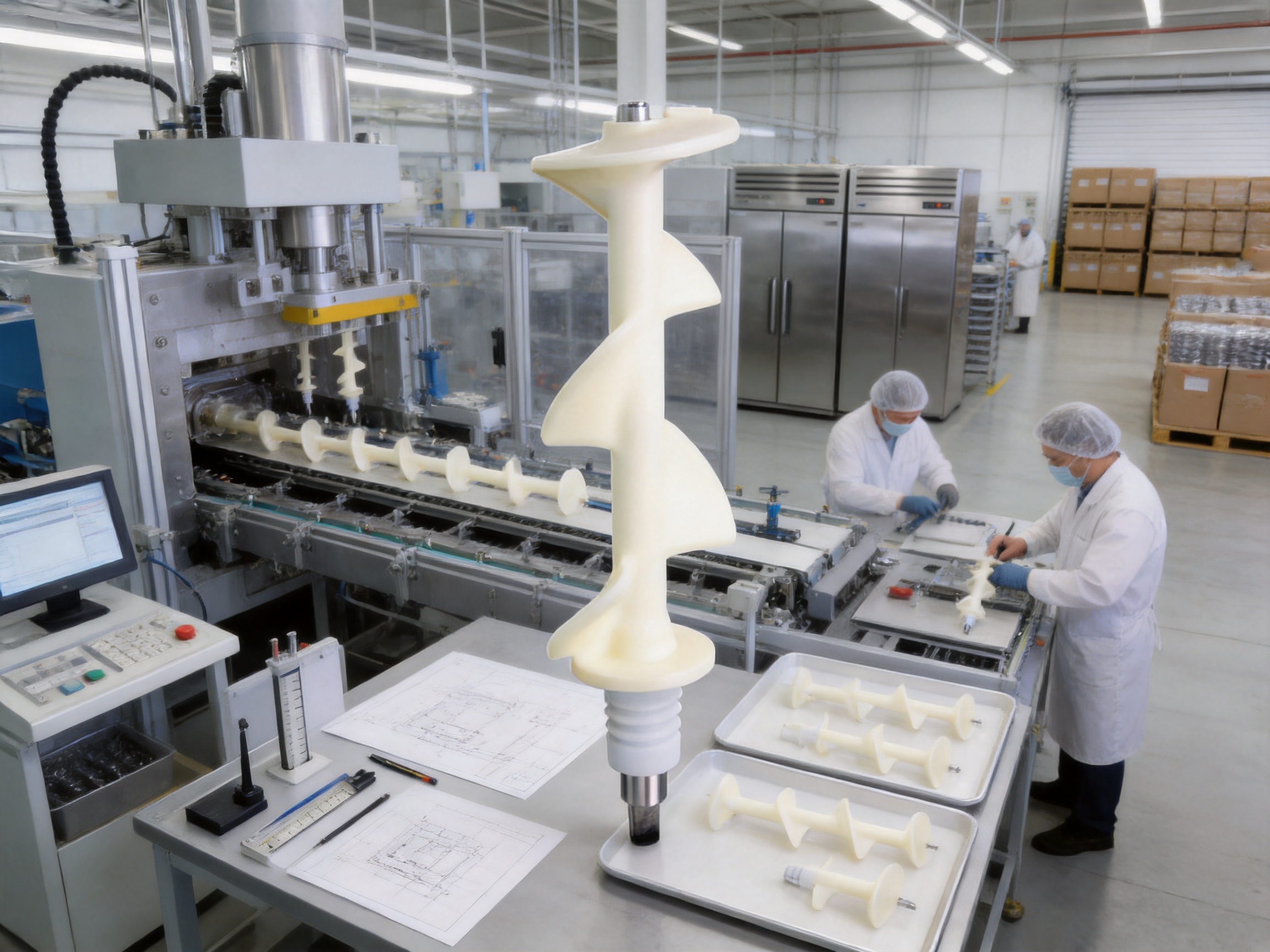
Product: Plastic Beater Components for Soft-Serve Machine(Not sold separately)

For exclusive deals and latest offers, sign up by entering your email address below.


-
spelor@spelor.com
-
+86-576-85229688
-
No.528, Changxi Road, Linhai City, Zhejiang Province, China
Commercial Refrigeration Equipment Manufacturer China
Copyright © 2025 by Spelor Electrical Appliances (Zhejiang) Co., Ltd. Rights Reserved.
