


 中文简体
Stainless Steel Beater Components for Frozen Dessert: Reliable Mixing Performance for Commercial Applications
Admin 2026-11-02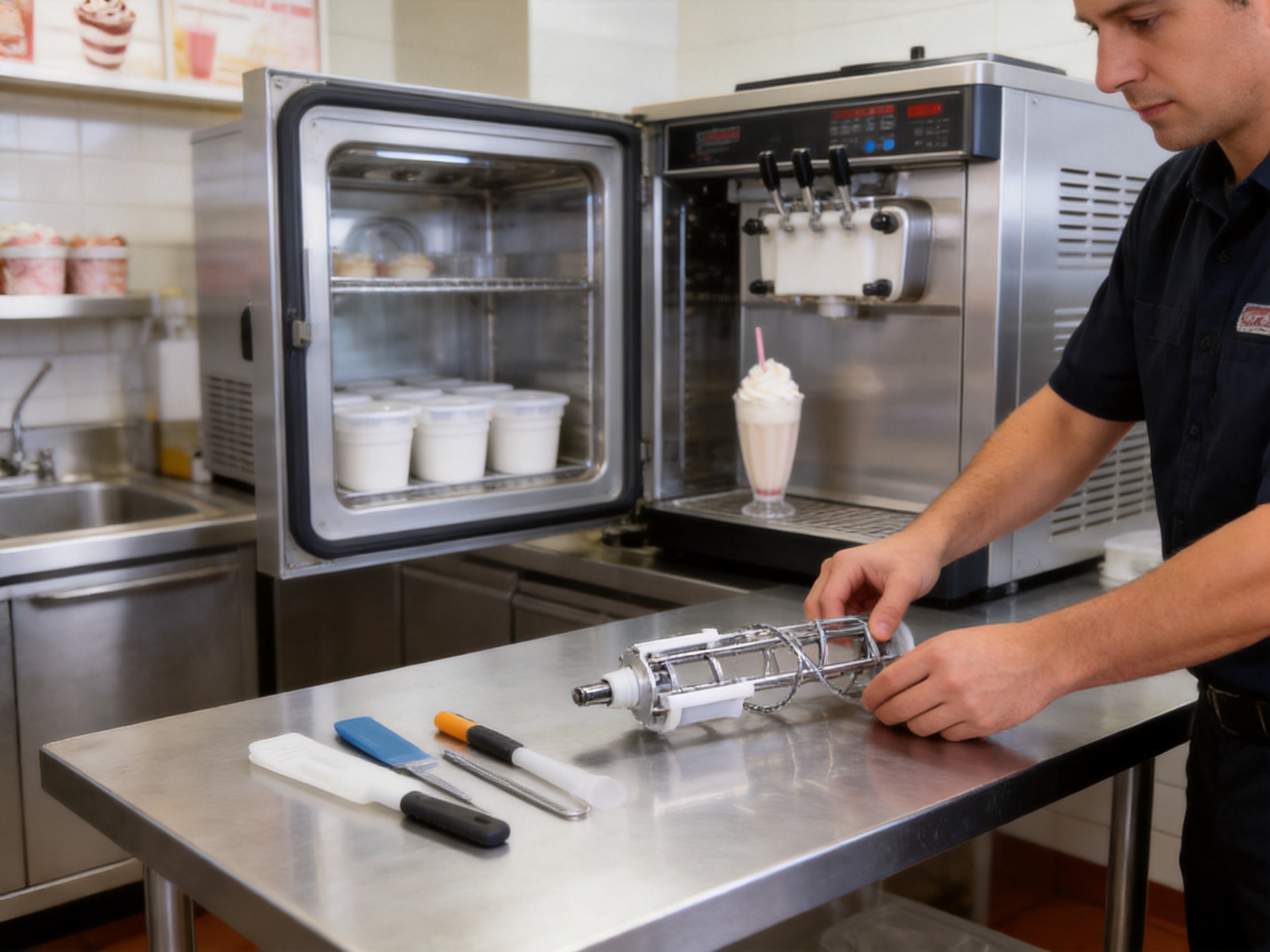
In commercial frozen dessert production, the quality of the mixing assembly directly influences texture, consistency, hygiene, and daily operating efficiency. A beater is not simply a rotating metal part. It is a working component that continuously contacts the dessert mix, transfers mechanical energy through the product, supports even blending, and helps maintain a smooth and attractive finished result. For this reason, foodservice operators, dessert shops, quick-service restaurants, supermarkets, and institutional kitchens need components that are durable, hygienic, easy to maintain, and compatible with demanding production schedules.
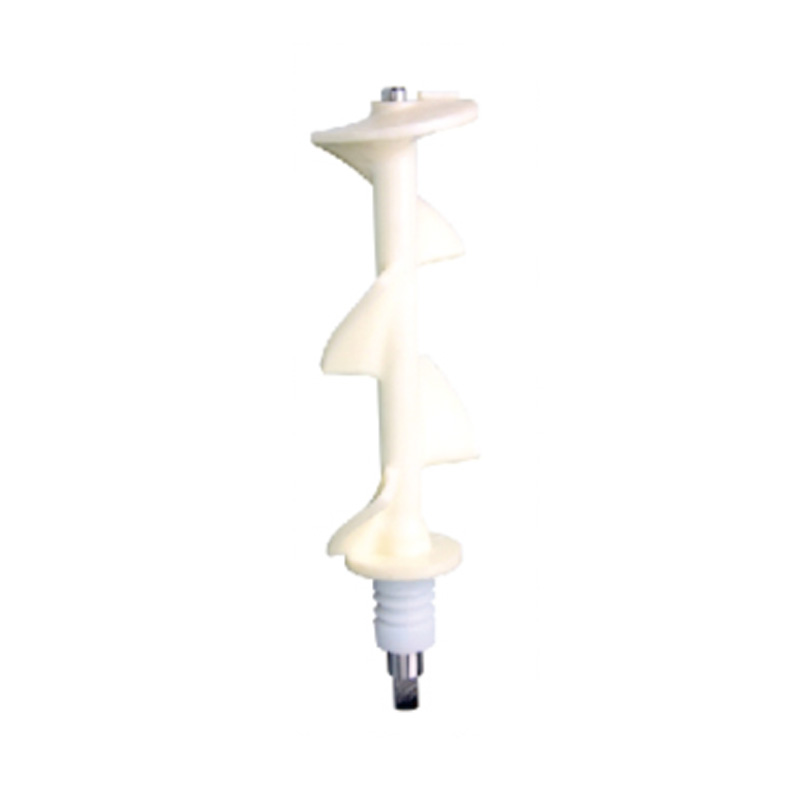
Stainless Steel Beater Components for Frozen Dessert are designed for efficient preparation of frozen desserts such as ice cream and milkshakes. The assembly features a robust stainless steel construction and a spiral design intended to promote even blending of ingredients. It is also designed to be installed and removed with relative ease, helping operators complete cleaning, maintenance, inspection, and replacement procedures more efficiently.
This component is supplied as an optional spare part and is not sold separately. It is intended to support applicable frozen dessert equipment as part of a complete machine or service solution. Customers should confirm equipment compatibility, dimensions, connection details, and model requirements before ordering.
When compared with basic or poorly finished mixing components, a well-designed stainless steel beater offers important operational advantages. It supports a hygienic working environment, resists the demanding conditions of repeated food production, simplifies cleaning, and helps maintain consistent product quality. These benefits are especially important for businesses that need reliable equipment performance throughout busy service periods.
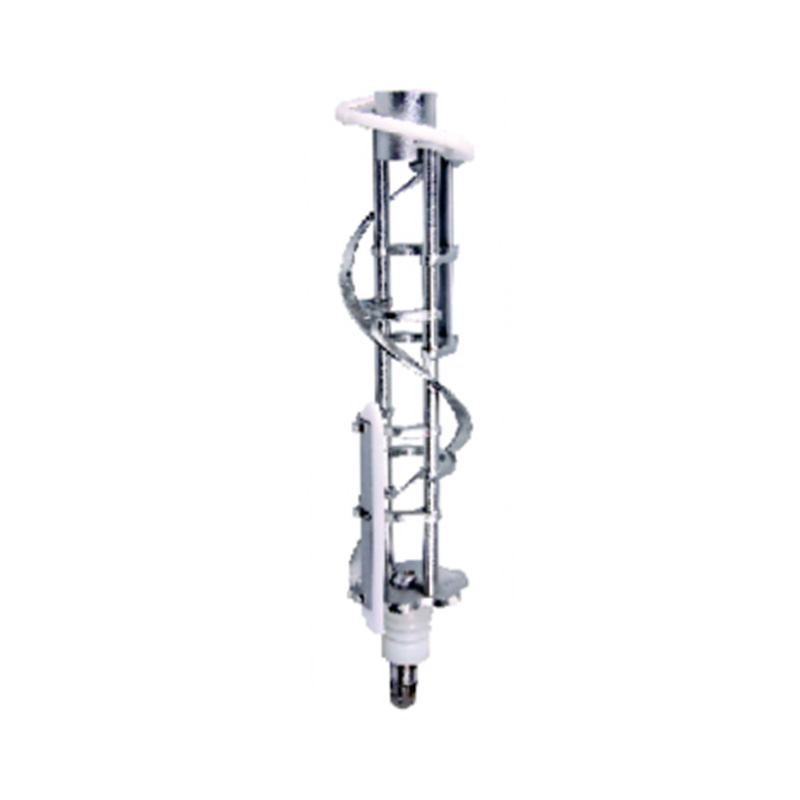
Stainless Steel Beater Components for Frozen Dessert(Not sold separately)
Why the Beater Is Important in Frozen Dessert Equipment
Frozen dessert preparation requires more than cooling a liquid mixture. Ingredients must be distributed evenly, air and product movement must be controlled, and the mixture must be handled in a way that supports a smooth final texture. The beater is central to this process because it creates movement inside the working chamber while the frozen dessert machine performs its cooling and freezing functions.
During operation, the beater helps move the mix through the chamber and prevents the product from remaining static in one area. Its spiral configuration is intended to guide the mixture through a continuous mixing path. This movement can help combine ingredients more evenly and support a more uniform texture from the beginning of a batch to the end of a production cycle.
A suitable beater also helps the machine operate as a complete system. The cooling system, product chamber, drive mechanism, seals, scraper or related working parts, and beater must work together. If the beater is worn, deformed, difficult to clean, or unsuitable for the equipment, the overall performance of the machine may suffer even when other components remain functional.
For commercial operators, this makes the beater an important maintenance item. A replacement or spare assembly can help extend the useful operating life of equipment and reduce the disruption associated with unexpected component problems. Instead of replacing an entire machine because one working assembly has reached the end of its service life, an operator may be able to restore the relevant function by using the correct spare component.
Product Overview
The stainless steel beater component is designed for frozen dessert applications, including ice cream and milkshakes. Its main structure is made from stainless steel, a material widely used in foodservice equipment because it combines durability, a smooth surface, corrosion resistance, and practical cleaning characteristics.
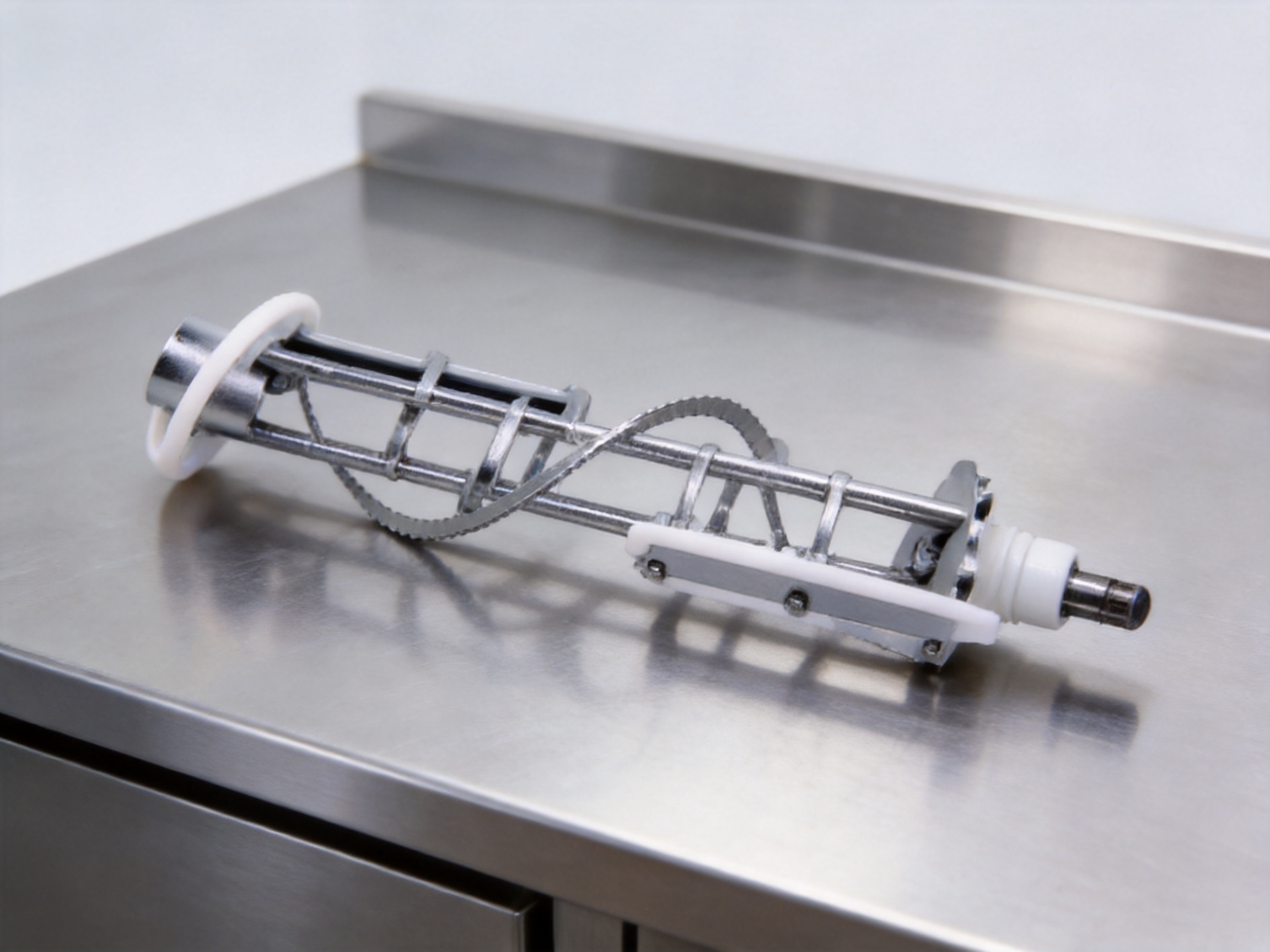
The assembly is formed around a spiral mixing concept. Rather than relying on a simple straight shaft or basic paddle arrangement, the spiral design supports directional movement within the product chamber. This configuration can help distribute ingredients through the mix and support a consistent working pattern during operation.
The beater is intended to provide dependable mechanical action while remaining practical for commercial use. It is designed to be installed and removed for maintenance and upkeep, which is valuable in environments where equipment must be cleaned frequently and returned to service quickly.
Because the component is supplied as an optional component and spare part, it can support different customer needs. It may be considered during new equipment procurement, preventive maintenance planning, service preparation, or replacement of a worn working assembly. It should be selected according to the specific machine model and technical requirements rather than treated as a universal component for every frozen dessert machine.
| Product Aspect | Design or Functional Benefit | Commercial Value |
|---|---|---|
| Stainless steel construction | Supports durability, hygiene, and practical cleaning | Suitable for repeated foodservice operation and maintenance routines |
| Spiral mixing design | Helps guide and blend frozen dessert ingredients evenly | Supports consistent texture and product presentation |
| Removable assembly concept | Facilitates inspection, cleaning, and upkeep | Can help reduce maintenance time and operational disruption |
| Optional spare-part format | Provides a replacement solution for compatible equipment | Supports equipment life-cycle management and service planning |
| Commercial application focus | Designed for professional dessert preparation environments | Useful for shops, restaurants, bars, supermarkets, and institutions |
Stainless Steel Construction for Foodservice Use
Material selection is one of the most important considerations for any component that comes into contact with food products. Stainless steel is valued in commercial kitchens and foodservice environments because it offers a practical balance of strength, cleanliness, appearance, and resistance to demanding working conditions.
The stainless steel construction of this beater supports a more hygienic equipment design. A smooth and durable metal surface is easier to inspect and clean than a damaged, porous, or heavily worn surface. When the component is removed according to the equipment maintenance procedure, operators can more easily access areas that require cleaning and visual inspection.
Stainless steel also provides a professional appearance that suits modern commercial equipment. In open-kitchen restaurants, dessert counters, and retail food environments, equipment components may be inspected by staff, service personnel, or customers. A clean and well-maintained stainless steel assembly supports a positive impression of equipment quality and food preparation standards.
Another benefit is mechanical durability. A beater must withstand repeated movement, product contact, cleaning procedures, and the normal operating demands of commercial food production. Stainless steel provides a strong foundation for this type of component. It is not a substitute for correct operation or regular maintenance, but it can contribute to longer and more dependable service when the component is properly matched to the machine.
Compared with low-quality alternatives made from unsuitable materials, stainless steel offers a more appropriate solution for frozen dessert applications. Materials that discolor, deform, corrode, or become difficult to clean can create maintenance concerns and may negatively affect operator confidence. A carefully manufactured stainless steel assembly is better aligned with the practical requirements of professional foodservice.
Spiral Design and Even Mixing
The geometry of a beater affects how ingredients move through the freezing and mixing chamber. A spiral design creates a guided movement pattern that can help transport and distribute the product during operation. This is particularly useful for mixtures containing multiple ingredients that need to remain evenly blended.
For ice cream and milkshake preparation, product consistency is essential. Customers expect the same smoothness, body, and appearance each time they order a familiar item. Uneven movement can contribute to inconsistent texture, localized buildup, or differences between the beginning and end of a production cycle. A properly designed spiral beater helps the equipment maintain a more stable mixing action.
The spiral form can also support the movement of product through the working area without relying on abrupt or irregular contact. This can contribute to a smoother operating pattern and help the machine perform its intended function more effectively. The final result will still depend on many factors, including recipe formulation, ingredient temperature, machine settings, cleaning condition, and operator practice. However, the beater remains a critical part of the mechanical process.
Compared with a basic mixing element that provides limited directional control, a spiral assembly can offer a more purposeful approach to product movement. It is designed not only to rotate but also to influence how the mix travels through the chamber. This design consideration is one of the product’s key advantages for commercial frozen dessert applications.
Hygiene and Easy Cleaning
Hygiene is a central requirement in any foodservice operation. Frozen dessert equipment may be used repeatedly during a day, and residual product can remain in the chamber or on working components if cleaning is incomplete. A removable stainless steel beater helps make cleaning and inspection a more practical part of the operating routine.
The ability to remove the assembly allows staff to access surfaces that may not be fully visible while the component is installed. This supports a more thorough cleaning process and helps operators identify product residue, wear, deformation, or other conditions that require attention. The exact cleaning method should follow the equipment manual and the operator’s approved sanitation procedures.
A durable stainless steel surface also supports repeated cleaning. Commercial equipment components must tolerate regular washing and sanitation without quickly losing their functional appearance or becoming excessively difficult to maintain. Proper cleaning chemicals, water temperature, contact time, and drying procedures should always be selected according to the equipment instructions and applicable foodservice practices.
Easy removal also benefits maintenance personnel. When a beater can be removed and reinstalled efficiently, service staff can spend less time disassembling the machine and more time checking the condition of related parts. This is useful for scheduled preventive maintenance as well as for responding to performance concerns.
Compared with a permanently fixed or difficult-to-access mixing element, a removable beater supports better maintenance discipline. It encourages regular inspection and makes it more practical to maintain a clean working environment. For high-use dessert businesses, this can contribute to more stable daily operation and a more consistent product quality standard.
Advantages Over Basic or Lower-Quality Alternatives
The market includes many types of mixing components, but not all are equally suitable for professional frozen dessert production. The advantages of this stainless steel beater are related to its material, geometry, maintenance design, and use as part of a commercial equipment support system.
Improved Material Suitability
A stainless steel construction is generally more appropriate for food-contact applications than materials that are prone to rust, cracking, excessive wear, or surface deterioration. It provides a durable working surface and supports the cleanliness expectations of commercial kitchens and dessert shops.
More Consistent Mixing Action
The spiral configuration is intended to create a more organized movement of the frozen dessert mix. This can help reduce uneven blending and provide a more stable product-handling pattern than a simple or poorly shaped mixing element.
Better Maintenance Access
The removable design makes the assembly easier to inspect, clean, and maintain. A component that can be removed without unnecessary difficulty is more convenient for service teams and more suitable for businesses that follow frequent sanitation schedules.
Support for Equipment Life-Cycle Management
As an optional spare part, the beater can support repairs and planned component replacement. This may help businesses maintain existing equipment instead of discarding an entire machine when a working assembly becomes worn or damaged.
Professional Commercial Orientation
The product is developed for commercial frozen dessert applications rather than occasional household use. Its design priorities reflect the needs of businesses that require repeatable production, efficient cleaning, and dependable equipment support.
Compatibility-Based Replacement Approach
A professional supplier can help customers identify the correct component according to the relevant machine model and requirements. This is more reliable than purchasing a generic part based only on appearance. Correct matching helps protect the machine, supports safe operation, and reduces the risk of installation problems.
Manufacturing Strengths Behind the Component
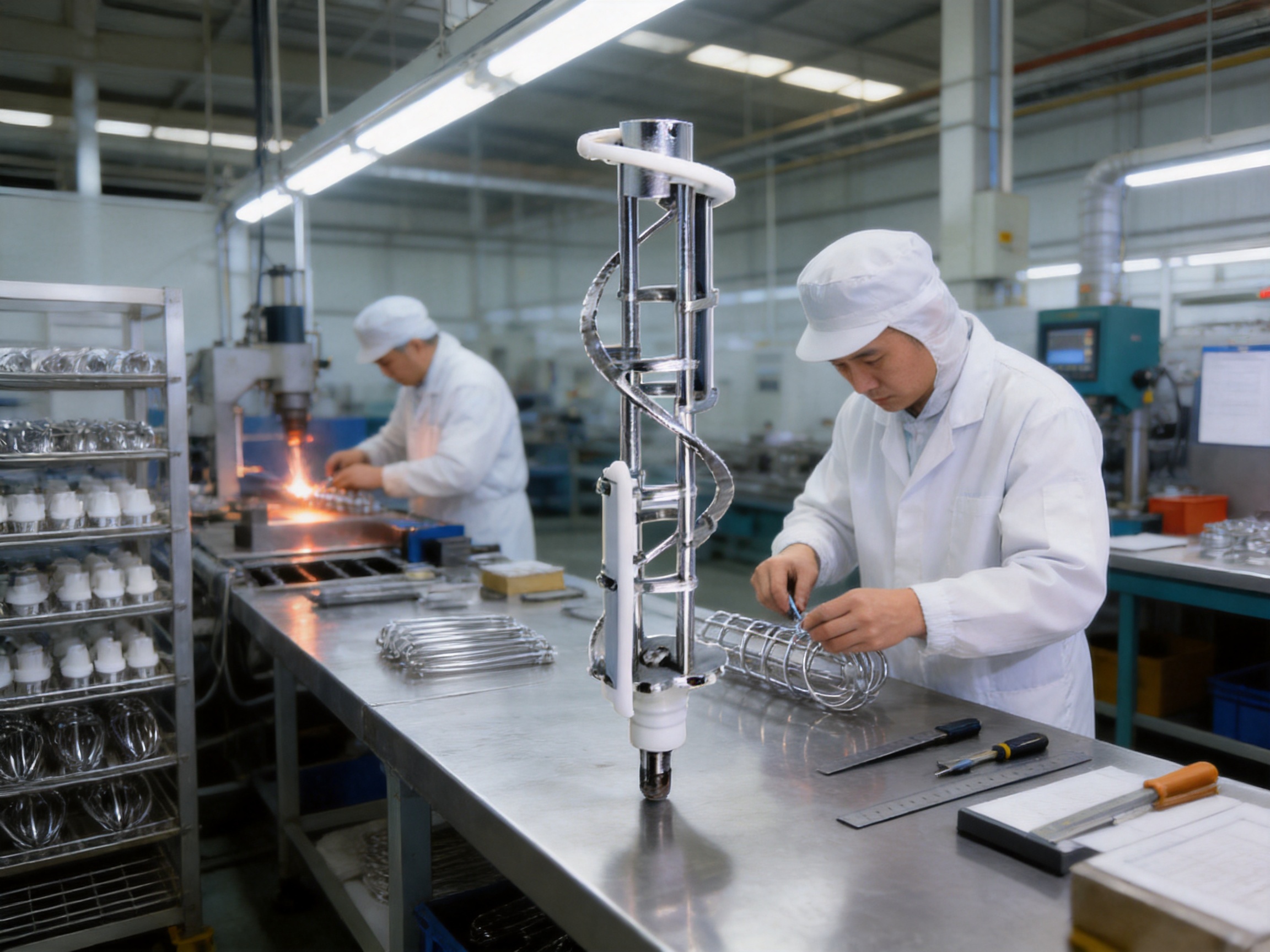
The performance of a stainless steel beater depends not only on its general design but also on how it is manufactured. Accurate forming, stable assembly, appropriate surface finishing, quality inspection, and careful packaging all contribute to the reliability of the final component.
The manufacturer behind this product operates as a professional equipment producer integrating design, research and development, manufacturing, sales, and service. Its production capabilities cover commercial refrigeration, kitchen equipment, buffet equipment, ice cream machines, juice dispensers, fried ice cream machines, refrigeration cabinets, slush machines, flake ice machines, cooking equipment, griddles, fryers, insulation products, barbecue equipment, and buffet solutions.
This broad product range is valuable because spare components are best developed by organizations that understand complete equipment systems. A beater does not work in isolation. Its dimensions, connection points, rotational behavior, and working clearances must correspond to the machine in which it is installed. Experience across multiple categories of commercial foodservice equipment can support a more complete understanding of these relationships.
The company operates more than 60,000 square meters of modern production facilities. A substantial manufacturing base can support organized production planning, dedicated working areas, equipment assembly, quality control, storage, and logistics coordination. It also provides a foundation for handling both standard product programs and customer-specific requirements.
Design and research capabilities are important for component development. A beater must be designed around practical issues such as product movement, cleaning access, mechanical strength, assembly convenience, and compatibility with the relevant equipment. An integrated design and manufacturing process allows these considerations to be evaluated together rather than treating the component as an isolated metal part.
Manufacturing experience also supports communication with customers. When a buyer provides drawings, model information, or technical requirements, an experienced equipment factory can review the request from both a design and production perspective. This can help identify the necessary material, dimensions, connection method, finish, packaging, and service documentation.
Production Process Considerations
Although specific factory process details may vary by model and order, a reliable stainless steel beater typically passes through several controlled stages before shipment. Each stage affects the final quality and service performance of the component.
Design Review and Technical Confirmation
Production begins with technical information. The relevant equipment model, component dimensions, connection arrangement, working clearances, material expectations, and application conditions should be confirmed before manufacturing. For replacement orders, photographs, drawings, samples, or machine identification details may help reduce the risk of mismatch.
Technical confirmation is particularly important because a beater that looks similar to another component may still have different dimensions or connection details. Proper review helps ensure that the part is suitable for the intended machine rather than merely similar in appearance.
Material Preparation
The stainless steel material must be prepared according to the approved design and production requirements. Material handling should protect the surface from unnecessary scratches, contamination, or deformation before forming and assembly begin.
For foodservice components, material consistency is important. The steel must be suitable for the intended application and capable of maintaining its shape during operation. Careful preparation contributes to both appearance and mechanical reliability.
Forming and Component Fabrication
The spiral structure and related parts require controlled forming and fabrication. The shape must be sufficiently accurate to support even product movement and maintain suitable clearance within the working chamber. Poorly controlled forming could create imbalance, interference, or inconsistent mixing action.
Manufacturing personnel must also consider the connection areas and any points that interact with the machine drive system. These areas require appropriate dimensional control because they transfer rotational force and influence how the assembly operates inside the equipment.
Welding or Assembly Operations
Where the design includes joined stainless steel elements, assembly quality is essential. Joints should be stable, clean, and appropriate for repeated foodservice operation. The finished assembly should not contain avoidable sharp edges, excessive projections, or difficult-to-clean areas.
Assembly accuracy also affects balance. A beater rotates during operation, so uneven construction can create unnecessary vibration or stress. Careful assembly supports smoother equipment operation and helps protect related components.
Surface Treatment and Finishing
Finishing is important for both hygiene and appearance. A properly finished stainless steel surface is easier to inspect and clean. Surface treatment should remove or control rough areas, burrs, sharp edges, and other conditions that could interfere with use or maintenance.
Finishing quality also affects customer confidence. Commercial operators expect spare components to look professional and to fit naturally within the equipment. Consistent surface quality supports the perception of a controlled manufacturing process.
Inspection and Quality Control
Before shipment, the assembly should be checked against applicable production requirements. Inspection may include visual review, dimensional confirmation, connection verification, surface inspection, and assessment of the overall assembly condition.
Quality control is especially important for components that must be installed into existing equipment. A small dimensional error can create installation difficulties or affect machine operation. A systematic inspection process helps reduce these risks and supports more dependable customer service.
Packaging and Shipment Preparation
Stainless steel components should be packaged to protect their surfaces and connection areas during handling and transportation. Appropriate packaging helps prevent scratches, impact damage, contamination, and deformation before the part reaches the customer.
Clear identification is also useful. Product model information, quantity, order details, and installation-related documentation can help customers organize incoming goods and reduce confusion during maintenance or equipment assembly.
Customization and OEM/ODM Support
Commercial foodservice customers do not always require identical components. Some may need a replacement based on an existing machine, while others may be developing equipment for a particular market or application. OEM and ODM support can help address these different requirements.
The manufacturer offers customized solutions based on drawings or customer requirements. For beater components, customization may involve dimensions, connection details, surface preferences, packaging, labeling, or integration with a particular frozen dessert machine. Any customization should be reviewed technically before production to confirm feasibility and application suitability.
OEM cooperation can be valuable for distributors, equipment brands, importers, and foodservice solution providers. A customer may require a component to be supplied under a private label or as part of a larger equipment program. Coordinated manufacturing and service support can simplify procurement and help maintain product consistency across an equipment range.
ODM cooperation may be suitable when a customer needs design input as well as manufacturing. In this situation, the supplier can contribute experience in product structure, commercial equipment application, production planning, and service considerations. This can help transform a general requirement into a practical component or complete equipment solution.
However, customization should not remove the need for technical confirmation. A beater must operate safely and correctly within its intended machine. Drawings, samples, equipment information, expected usage, and cleaning practices should be reviewed before an order is finalized.
Applications in Commercial Foodservice
Stainless Steel Beater Components for Frozen Dessert can support many types of commercial foodservice operations. Dessert shops may use frozen dessert machines throughout the day and need spare components available for maintenance planning. Quick-service restaurants may require stable equipment performance to support a consistent menu. Bars and beverage outlets may use milkshake-related equipment as part of their drink offering.
Supermarkets and convenience-oriented retail locations may prepare frozen desserts for direct customer purchase. In these environments, cleaning access and reliable operation are especially important because equipment may be positioned in a customer-facing area. Institutions, cafeterias, hotels, and catering operations may also benefit from dependable frozen dessert equipment components.
The product can support both routine service and contingency planning. A business that keeps suitable spare components available may be better prepared to respond to wear or unexpected equipment issues. This is particularly useful during peak seasons, holidays, promotional events, and high-volume service periods.
| Application Environment | Typical Component Requirement | Relevant Beater Benefit |
|---|---|---|
| Ice cream and dessert shops | Consistent texture and frequent sanitation | Spiral mixing action and removable stainless steel construction |
| Quick-service restaurants | Reliable equipment availability during busy periods | Support for maintenance planning and replacement service |
| Bars and beverage outlets | Efficient preparation of milkshakes and frozen drinks | Designed for frozen dessert and blended product applications |
| Supermarkets | Professional appearance and accessible cleaning | Stainless steel surface and removable assembly format |
| Hotels and institutions | Flexible foodservice operation and dependable support | Commercial equipment orientation and spare-part availability |
Installation and Maintenance Practices
Correct installation is essential for safe and effective operation. Before installing the beater, the machine should be turned off, disconnected from its power source where applicable, and allowed to reach a safe condition according to the equipment manual. Staff should never attempt to remove or install a rotating component while the machine is operating.
The operator should verify that the replacement assembly matches the equipment model and that all related parts are clean and free from damage. The beater should be positioned according to the manufacturer’s instructions, with attention to connection points, orientation, seals, fasteners, and working clearances.
After installation, the assembly should be checked for smooth movement and correct seating before normal production begins. Any unusual resistance, noise, vibration, or interference should be investigated immediately. Operating a mismatched or incorrectly installed beater can damage the equipment and may create an unsafe condition.
Regular inspection can help identify wear before it becomes a major problem. Operators should look for unusual surface damage, distortion, cracks, loose connections, excessive product buildup, or changes in operating noise. The inspection frequency should reflect equipment usage, cleaning routines, product formulation, and the recommendations provided for the complete machine.
Cleaning should be completed after use according to the approved sanitation procedure. The beater should be removed when required, washed using appropriate methods, rinsed thoroughly, and dried or stored as instructed. Abrasive tools or unsuitable chemicals may damage the surface and should be avoided unless specifically approved.
Maintenance staff should also inspect related components. A beater works together with the drive system, seals, chamber, scrapers, and other machine elements. Replacing only the beater may not resolve a problem caused by another worn or misaligned part. A complete system inspection supports more accurate troubleshooting.
How to Select the Correct Spare Component
Because this product is not sold separately and is intended as an optional component or spare part, selection should begin with the complete equipment model. Customers should provide the machine name, model number, production version, photographs, drawings, or other identification information when requesting a quotation or compatibility review.
Important details may include the overall beater length, diameter, connection configuration, mounting arrangement, direction of rotation, chamber dimensions, and related seal or drive requirements. The supplier should confirm the applicable specifications before production or shipment.
Customers should also consider the operating environment. A high-volume dessert shop may require multiple spare assemblies, while a smaller operation may need one replacement for contingency purposes. Businesses with multiple locations may benefit from standardizing compatible components across their equipment fleet where possible.
Purchasing the correct spare component is usually more economical than selecting a generic part that requires modification. Unauthorized modification can affect balance, hygiene, equipment safety, warranty conditions, and service life. Compatibility should therefore be treated as a technical requirement rather than an optional convenience.
Procurement and Customer Service Support
A complete supply relationship includes more than manufacturing. Customers may need assistance with product identification, application review, customization, packaging, logistics, payment arrangements, installation questions, and after-sales maintenance. An integrated supplier can provide support across these stages.
The manufacturer’s service approach includes pre-sales consultation, product customization, flexible logistics and payment solutions, and after-sales maintenance support. This one-stop approach can make procurement more efficient for international customers and commercial equipment distributors.
For international orders, clear communication is especially important. Customers should receive accurate information about product specifications, quantities, packaging, lead times, shipping arrangements, and documentation. Early confirmation of these details can reduce delays and help the buyer plan installation or maintenance work.
After-sales support is also important when a spare component is used in an operating business. If a customer has questions about compatibility, installation, cleaning, or performance, responsive technical communication can help reduce downtime and prevent incorrect use.
The company’s experience in design, manufacturing, sales, and service supports this broader approach. Rather than treating the beater as an isolated accessory, the supplier can consider its role within the complete frozen dessert equipment system and the customer’s wider foodservice operation.
Operational Benefits for Commercial Buyers
For a commercial buyer, the value of a beater component is measured not only by its purchase price but also by its effect on operation. A durable and maintainable assembly can help support product consistency, sanitation routines, maintenance scheduling, and equipment availability.
Consistent mixing can support a more uniform dessert texture. This contributes to customer satisfaction and helps businesses maintain menu standards. Although recipe control and machine settings remain essential, a correctly designed working component provides a sound mechanical foundation.
Easy removal can reduce the time required for cleaning and inspection. In a busy commercial environment, simpler maintenance procedures can make it more practical for staff to follow the recommended cleaning schedule.
Spare-part availability can also reduce operational risk. If a business has an appropriate replacement available, it may be able to restore equipment function more quickly than if it must wait for a complete machine replacement. This is particularly valuable when frozen desserts are an important part of revenue generation.
Finally, a strong manufacturing and service relationship can simplify future procurement. Customers can request compatible components, discuss customization, and coordinate equipment requirements with a supplier that understands the relevant application.
Quality, Reliability, and Responsible Use
The component’s design and material provide important advantages, but reliable operation also depends on correct use. Operators should follow the instructions for the complete machine, avoid overloading the equipment, use suitable recipes, maintain correct temperatures, and complete cleaning procedures consistently.
Stainless steel does not eliminate the need for care. Scratches, impact damage, improper chemicals, or incorrect installation can affect the condition of the assembly. Regular inspection remains necessary even when the component appears durable.
Similarly, a spiral beater can support even mixing but cannot compensate for problems elsewhere in the machine. Inadequate refrigeration, worn seals, incorrect product formulation, insufficient cleaning, or drive-system problems may still affect final dessert quality. The beater should be considered one part of a complete operating system.
Responsible use protects both the component and the equipment. It also helps the business obtain the greatest value from its investment. When the assembly is installed correctly, cleaned properly, inspected regularly, and replaced when necessary, it can contribute to stable and hygienic frozen dessert production.
Questions and Answers
What is this product used for?
This product is a stainless steel beater assembly designed for frozen dessert preparation. It is intended for applications such as ice cream and milkshakes, where controlled mixing and product movement are required.
Is the beater sold separately?
No. The product is identified as an optional component and spare part and is not sold separately. Customers should purchase or request it in connection with compatible frozen dessert equipment or an applicable replacement program.
What is the main material?
The assembly is made from stainless steel. This material supports durability, hygiene, resistance to demanding foodservice conditions, and practical cleaning.
What is the purpose of the spiral design?
The spiral design helps guide the frozen dessert mixture through the working area and supports even blending of ingredients. It is intended to contribute to a more consistent mixing pattern and texture.
Can the component be removed for cleaning?
Yes. The assembly is designed to be easy to install and remove, which facilitates cleaning, inspection, maintenance, and upkeep. Removal and installation should always follow the instructions for the complete machine.
Is this a universal beater for all frozen dessert machines?
No. Compatibility must be confirmed before ordering. Customers should provide the equipment model, drawings, photographs, dimensions, or other technical information so the correct component can be identified.
Which businesses may use this component?
Potential users include ice cream shops, dessert stores, quick-service restaurants, bars, supermarkets, hotels, cafeterias, institutions, and other commercial foodservice operations using compatible frozen dessert equipment.
How does stainless steel benefit commercial operators?
Stainless steel provides a durable and cleanable surface suitable for professional foodservice applications. It also supports a professional appearance and can tolerate repeated maintenance when the correct cleaning procedures are used.
Can the component be customized?
Customization may be available according to drawings or customer requirements. Possible considerations can include dimensions, connection details, packaging, labeling, or integration with a particular equipment model. Technical feasibility and compatibility must be reviewed before production.
What information should be provided when requesting a quotation?
Customers should provide the equipment model, required quantity, photographs or drawings, existing component information, application details, destination, and any special packaging or labeling requirements. More complete information supports faster and more accurate technical confirmation.
How often should the beater be replaced?
There is no single replacement interval for every operation. Service life depends on usage frequency, product formulation, cleaning practices, installation, operating conditions, and maintenance. The component should be inspected regularly and replaced if it shows damage, excessive wear, deformation, or abnormal operating behavior.
Can a replacement beater solve every mixing problem?
No. Mixing performance also depends on the refrigeration system, recipe, product temperature, drive mechanism, seals, chamber condition, and operator settings. The complete machine should be inspected if the equipment produces inconsistent results.
Why work with an integrated equipment manufacturer?
An integrated manufacturer can evaluate the component within the context of the complete machine. Design, research and development, production, sales, and service experience can support better compatibility review, customization, procurement coordination, and after-sales assistance.
Conclusion
Stainless Steel Beater Components for Frozen Dessert provide a practical solution for commercial operators that need dependable mixing, hygienic construction, and convenient maintenance. The stainless steel structure supports durability and cleaning, while the spiral design helps promote even movement and blending of ice cream and milkshake mixtures.
The removable assembly format makes the component suitable for inspection, cleaning, upkeep, and replacement planning. As an optional spare part that is not sold separately, it is intended to support compatible frozen dessert equipment and help businesses maintain the useful life of their machines.
Its advantages over basic alternatives include suitable foodservice material, purposeful spiral geometry, improved maintenance access, commercial application focus, and support from an integrated manufacturer. With more than 60,000 square meters of modern production facilities and capabilities covering design, research and development, manufacturing, sales, and service, the supplier is positioned to support standard and customized requirements for global foodservice markets.
For the best result, customers should confirm compatibility before ordering, follow the complete equipment manual during installation, maintain a consistent cleaning routine, and inspect the assembly regularly. When correctly matched and responsibly maintained, this stainless steel beater can contribute to reliable frozen dessert production, stable product quality, and efficient commercial kitchen operation.
References
1. Product information supplied for Stainless Steel Beater Components for Frozen Dessert.
2. Product category information for Optional Components and Spare Parts.
3. Manufacturer information concerning commercial refrigeration, kitchen, buffet, and foodservice equipment production.
4. Manufacturer information concerning design, research and development, manufacturing, sales, and after-sales service capabilities.
5. General foodservice equipment maintenance principles concerning cleaning, inspection, installation, and replacement of food-contact components.
6. General commercial frozen dessert equipment operating principles concerning mixing, product movement, texture consistency, and sanitation.
7. General stainless steel application principles for commercial kitchen and foodservice equipment.
Product: Stainless Steel Beater Components for Frozen Dessert(Not sold separately)

For exclusive deals and latest offers, sign up by entering your email address below.


-
spelor@spelor.com
-
+86-576-85229688
-
No.528, Changxi Road, Linhai City, Zhejiang Province, China
Commercial Refrigeration Equipment Manufacturer China
Copyright © 2025 by Spelor Electrical Appliances (Zhejiang) Co., Ltd. Rights Reserved.
