


 中文简体
中文简体How Do You Install an Undercounter Cube Ice Machine Properly
Admin 2026-05-15In many kitchens and small commercial spaces, undercounter ice machines are becoming more common. They fit neatly into unused space and provide a steady supply of cube ice without taking up extra room. Still, installation is often where uncertainty begins. The process is not complicated, but it does ask for patience and careful setup.
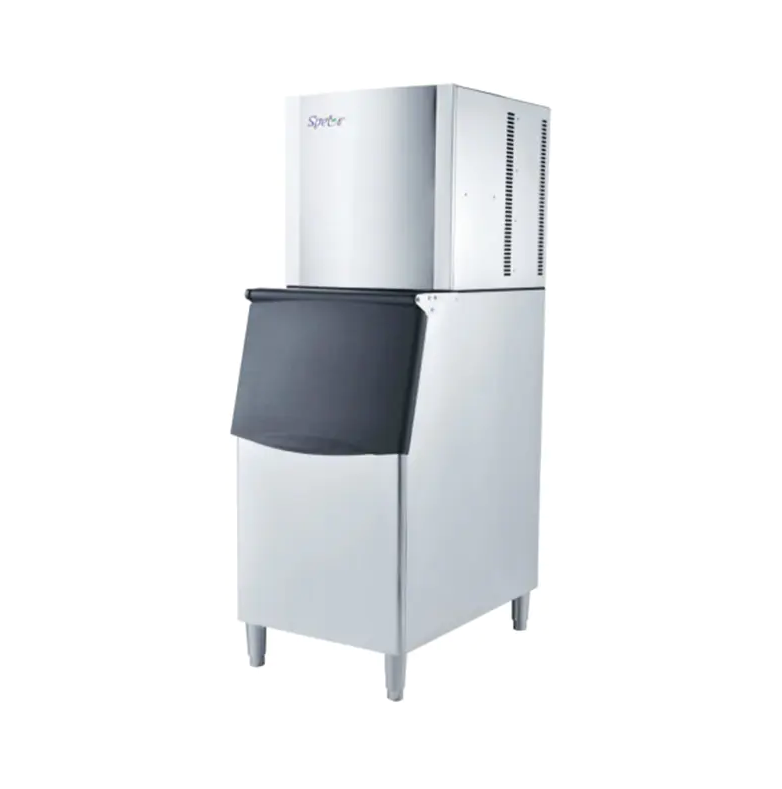
We are looks at the installation process from a practical angle. It focuses on what really matters during setup and how small details can influence long-term use.
Why Does Proper Installation Matter More Than Expected?
At a glance, installing an undercounter ice machine may seem straightforward. Place it under the counter, connect water and power, and turn it on. In practice, the situation is slightly more sensitive.
If airflow is restricted, the machine may struggle to run smoothly. If drainage is not set correctly, water may collect where it should not. Even a small tilt can affect how ice forms.
These are not dramatic issues at the start. They often appear gradually. That is why installation should be treated as a foundation rather than a quick task.
What Should You Prepare Before Installation?
Preparation can save a lot of time later. A few checks before installation help avoid unnecessary adjustments once the machine is already in place.
It helps to look at the space and connections in advance:
- Measure the available space under the counter
- Check that the floor is stable and even
- Locate a nearby water source
- Confirm that drainage is possible
- Make sure there is a suitable power outlet
A simple table can make this clearer:
| Area | Key Check |
|---|---|
| Space | Enough room and some clearance |
| Floor | Flat and steady |
| Water | Accessible connection point |
| Drainage | Clear path for water flow |
| Electricity | Safe and reachable outlet |
A bit of planning here reduces interruptions later on.
Where Is the Right Location for Installation?
Not every empty space under a counter is a good fit. The surrounding environment has a direct effect on how the machine behaves.
A suitable location should allow some breathing room around the unit. It should not be too close to heat sources, and it should not be exposed to excessive dust or moisture.
Ease of access also matters. If the machine is too tightly enclosed, cleaning and checking connections can become inconvenient. Over time, this can affect how often maintenance is done.
Choosing the location carefully makes daily use easier and more predictable.
How Do You Connect the Water Supply Correctly?
The water connection is one of the key steps. Without a steady supply, the machine cannot function as expected.
The general process includes:
- Finding a nearby water line
- Attaching the inlet connection securely
- Checking that there are no leaks
- Allowing water to flow smoothly into the unit
The tubing should not be bent or under tension. Even slight pressure can cause wear over time.
It is also worth paying attention to water cleanliness. Cleaner water tends to support more consistent ice production. After connecting, running a short test helps confirm everything is working as it should.
What About Drainage Setup?
Drainage is often overlooked, but it's absolutely vital for normal use.
The machine produces extra water while running, and this waste water has to drain away smoothly. Poor drainage will cause standing water buildup and leave bad odors behind.
A proper drainage installation needs these key points:
- Keep the drain pipe sloped downward for natural flow
- Make all joints tight and fully sealed
- Leave enough clearance to avoid pipe clogs
Most regular setups rely on gravity to drain water automatically. Some special layouts need extra layout planning in advance.
Sort out the drainage check at the start, and you won't run into hidden problems after using the machine for a period of time.
How Do You Handle Electrical Connection Safely?
Wiring up the power supply is straightforward, but you can't cut corners or rush through it.
Choose a power outlet close to the machine, and make sure it's properly grounded. Don't share the socket with other high-power devices, as this will affect power stability.
Extension cords might feel like a quick fix, but they're never a good choice for long-term daily use.
Before turning on the machine for the time, double-check all electrical connections are dry and firmly fitted. It only takes a minute to do this check, yet it can prevent a lot of unnecessary faults and safety risks.
How Can You Ensure Proper Leveling?
Leveling often gets overlooked, yet it plays a noticeable role in performance.
If the machine is not level, water may not spread evenly inside. This can affect how ice forms and may also put uneven stress on internal parts.
Most machines allow small adjustments through their base supports. These can be used to stabilize the unit.
A simple observation during operation can help. If water movement looks even, the machine is likely positioned correctly.
What Steps Should You Take Before First Use?
Once everything is connected, it is tempting to start using the machine right away. Taking a short pause can make a difference.
Before regular use:
- Run a cleaning cycle
- Recheck all connections
- Let the machine run briefly without storing the ice
This helps clear out any residue and ensures that everything is working together properly.
How Do You Maintain Performance After Installation?
After installation, regular care keeps the machine running smoothly.
Maintenance does not need to be complicated. Small actions, done consistently, are usually enough:
- Clean internal surfaces from time to time
- Check connections for any signs of wear
- Keep the drainage path clear
- Wipe down the surrounding area
These steps help maintain steady operation and reduce the chance of unexpected issues.
What Common Installation Mistakes Should Be Avoided?
Some installation problems appear more often than others.
Common examples include:
- Placing the unit in a tight space with little airflow
- Ignoring slight unevenness in the floor
- Leaving water connections loosely fitted
- Setting up drainage without proper slope
- Skipping testing after installation
Most of these can be avoided with a bit of attention during setup.
How Does Installation Influence Daily Use?
After installation, the difference becomes clear over time.
A well-installed machine tends to run quietly and produce consistent ice. It is easy to access and does not require constant adjustment.
If installation is rushed, small inconveniences may appear. These can affect how often the machine is used and how reliable it feels.
In that sense, installation is not just a starting step. It shapes the overall experience.
Can Installation Be Done Without Professional Help?
Lots of users like to install the machine on their own. For basic, straightforward setups, doing it yourself works perfectly well.
But there are a few cases where you need to be extra careful and cautious:
- Complex water line routing
- Limited or tricky drainage conditions
- Unclear wiring and power layout
Whether you DIY or not all comes down to your installation space, plus how comfortable you are with basic setup work.
What Role Does Environment Play in Long-Term Operation?
Once the machine is installed, the surrounding environment still makes a big difference long-term.
Ambient temperature, air circulation and overall cleanliness all directly affect the machine's running condition and service life.
Keeping the surrounding environment stable lets the machine run consistently, and cuts down on frequent tweaks and maintenance.
How Can Small Adjustments Improve Results?
After using the machine for a few days, some tiny fine-tunes can noticeably improve its performance.
Common simple adjustments include:
- Slightly shifting the position for better ventilation
- Retightening all pipe and power connections after initial running-in
- Releveling the unit if the floor settles or shifts slightly
These are all trivial little steps, but they really help the machine run more steadily and dependably day in and day out.
Installing an undercounter cube ice machine is less about technical difficulty and more about attention to detail. Each step builds on the previous one. When handled carefully, the machine becomes a quiet and useful part of the space, working in the background without drawing much attention.
For exclusive deals and latest offers, sign up by entering your email address below.


-
spelor@spelor.com
-
+86-576-85229688
-
No.528, Changxi Road, Linhai City, Zhejiang Province, China
Commercial Refrigeration Equipment Manufacturer China
Copyright © 2025 by Spelor Electrical Appliances (Zhejiang) Co., Ltd. Rights Reserved.
