


 中文简体
中文简体Juice Dispenser Supplier: The Last Stop Before the Cup
Admin 2026-09-04Walk into any café, juice bar, or self-serve restaurant. The juice doesn't come from a bottle behind the counter. It comes from a dispenser—a machine that holds, chills, and portions the product into cups with a single press. Behind every reliable dispenser stands a juice dispenser supplier, a company that sources, stocks, and delivers the equipment that keeps drinks flowing from morning rush to last call.
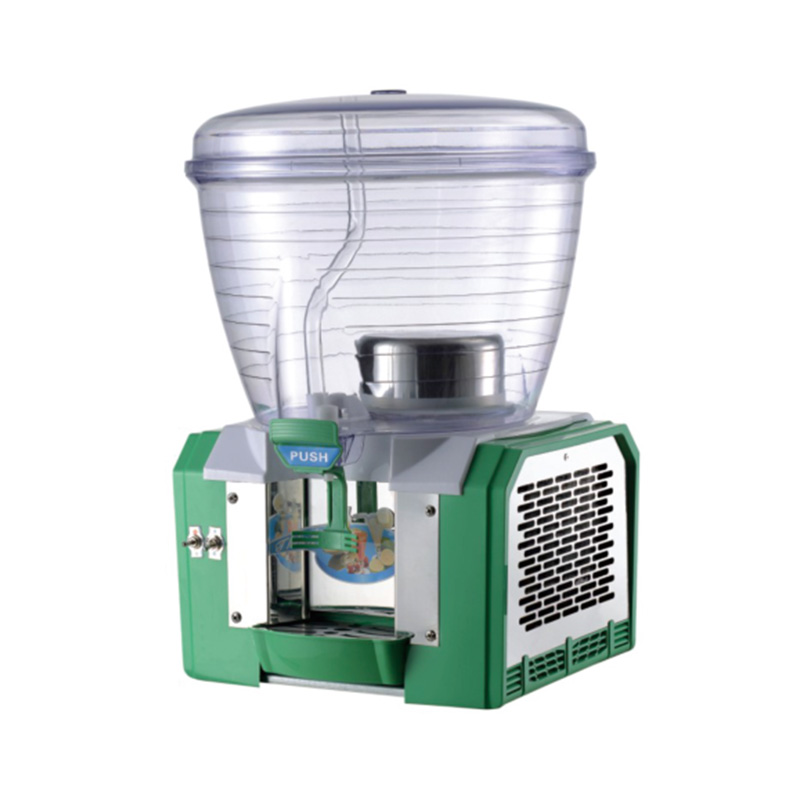
What a Juice Dispenser Actually Does
It holds the product—juice, concentrate, or puree—in a refrigerated or ambient tank. It chills or maintains the temperature. It portions the serving, typically 6 to 12 ounces per press. A juice dispenser supplier provides machines sized for different volumes, from countertop single-tank units to floor-standing triple-tank workhorses that serve hundreds of cups per hour.
The dispenser is simple in concept but complex in execution. It must keep product cold without freezing. It must deliver consistent portions without spilling. It must clean easily at the end of the day. And it must look presentable in front of customers.
The Main Types of Dispensers
Gravity-fed dispensers
Product sits in a clear hopper above the dispensing valve. Gravity pulls it down when the handle is pressed. Simple, reliable, and inexpensive. A juice dispenser supplier stocks these for low-volume operations—breakfast buffets, office pantries, and small cafés.
Pressure-fed dispensers
Product is pumped from a refrigerated chamber to the nozzle. Used for thicker products like smoothies and purees. A juice dispenser supplier offers these with adjustable pressure settings to handle different viscosities.
Concentrate-to-water dispensers
The machine mixes concentrate with chilled or carbonated water at the nozzle. The product comes from a bag-in-box or jug, and the dispenser does the dilution. A juice dispenser supplier provides these for high-volume accounts where shipping water would be wasteful.
The Components That Matter Many
The refrigeration system keeps product safe
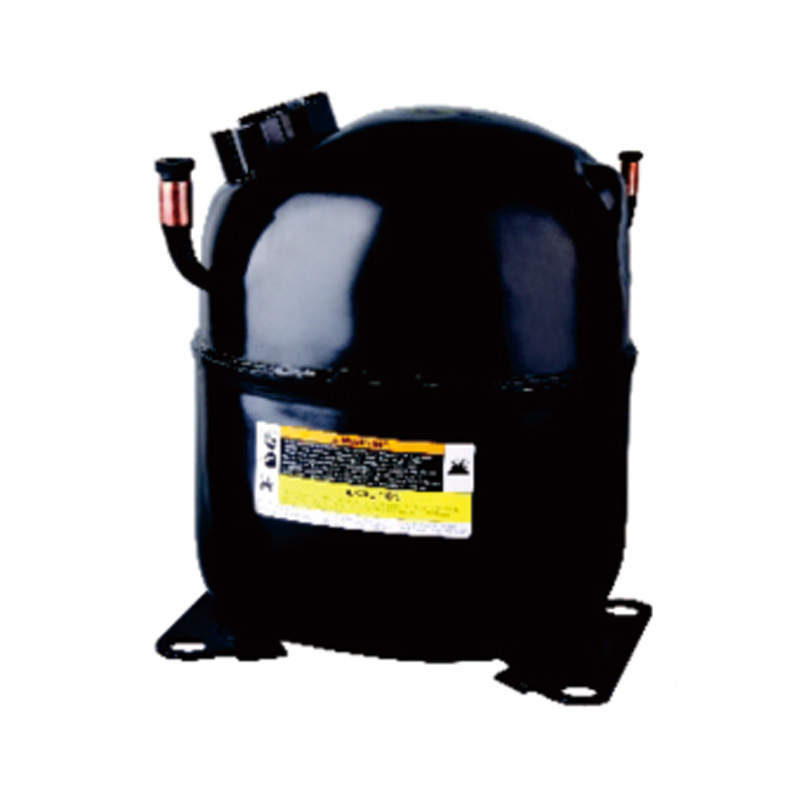
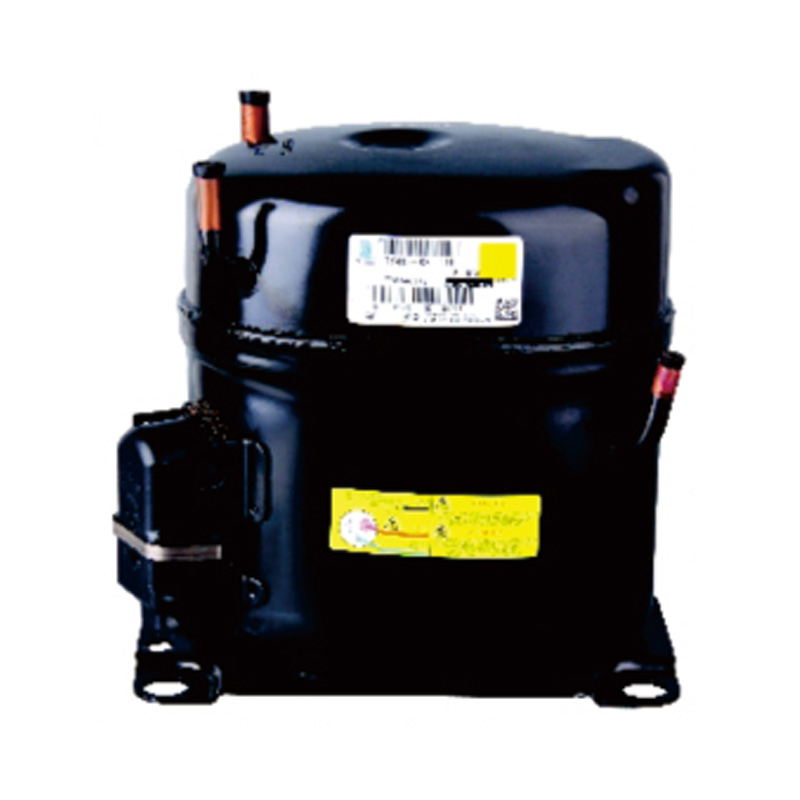
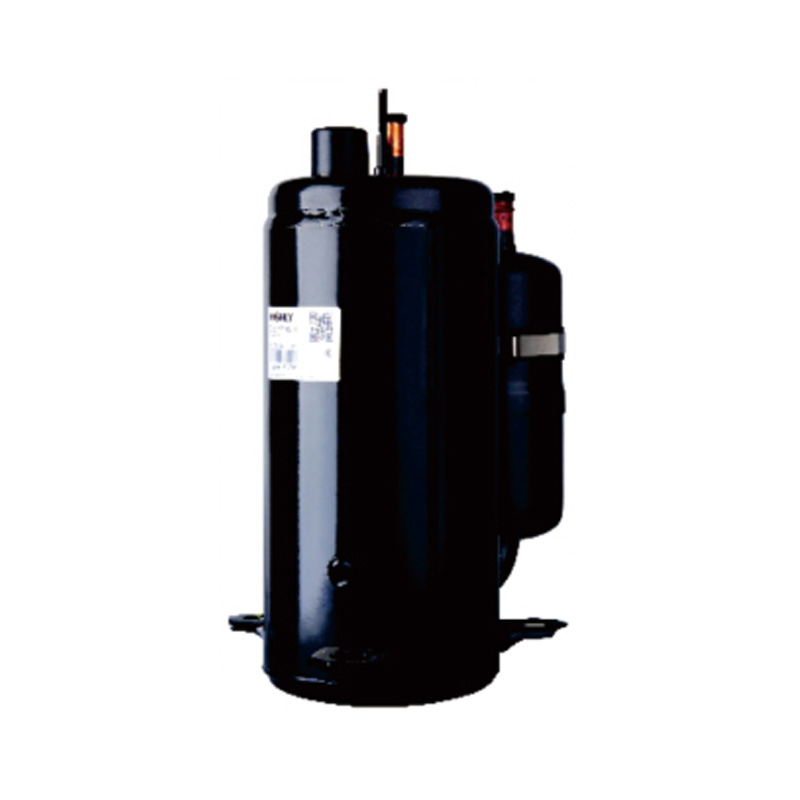
Juice must stay below 41°F (5°C) to prevent bacterial growth. A juice dispenser supplier sources units with reliable compressors, proper insulation, and accurate thermanyats. Cheap systems fail in summer heat and cause spoilage.
The dispensing valve controls portion accuracy
Customers expect a full cup. A valve that drips or short-pours frustrates everyone. A juice dispenser supplier offers valves with adjustable portion control and anti-drip features.
The interior surfaces must be food-safe and cleanable
Stainless steel or food-grade plastic. Smooth surfaces that resist bacterial growth. A juice dispenser supplier stocks machines with removable parts that go through a dishwasher.
The Product Contact Parts
The bowl or hopper holds the juice
Clear polycarbonate for gravity units—lets customers see the product and helps staff monitor refill levels. A juice dispenser supplier provides bowls in various capacities: 1.5 gallons for counter units, 3 to 5 gallons for floor models.
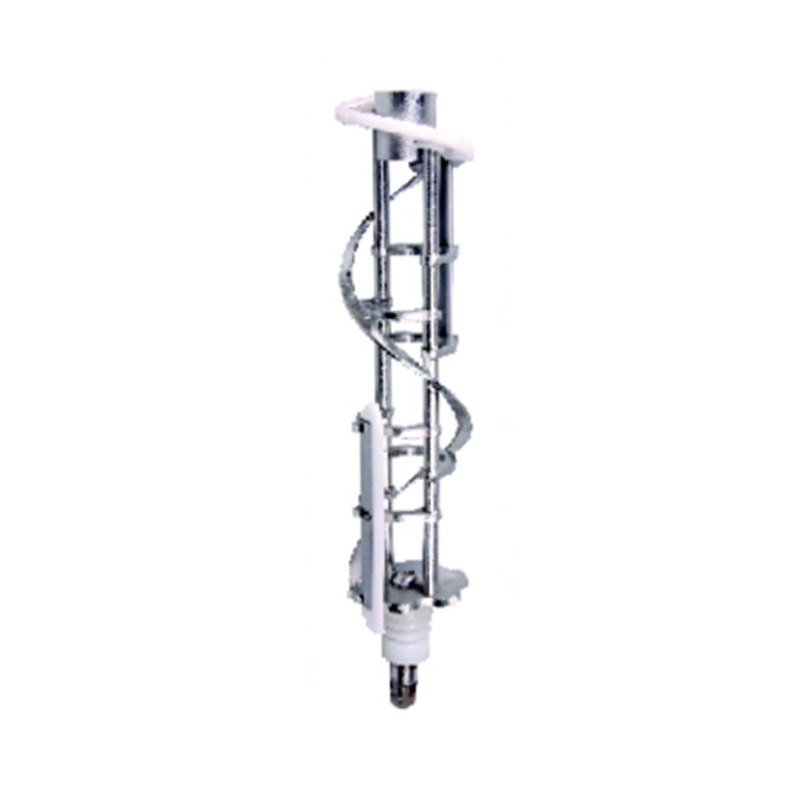
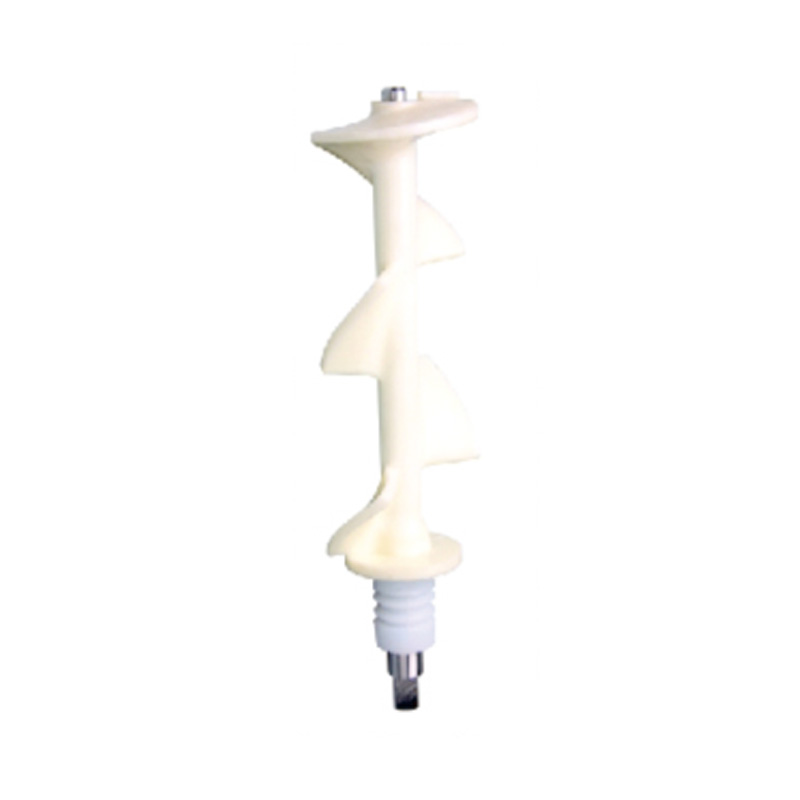
The agitator keeps pulp suspended
Many juices contain pulp that settles. A slow-moving paddle or auger keeps the product uniform. A juice dispenser supplier offers machines with agitators that run continuously or on a timer.
The tubing and seals handle acid
Citrus juices are acidic. Seals and hoses must resist degradation. A juice dispenser supplier uses food-grade EPDM or silicone tubing that won't leach or harden.
What to Look For in a Supplier
Service and parts availability
Dispensers fail during peak hours. A juice dispenser supplier that stocks repair parts and responds quickly is worth paying more for. Ask about response times and inventory depth.
Brand representation
The big names—Bunn, Cornelius, Lancer—offer proven reliability. A juice dispenser supplier that carries these brands and their certified parts gives you more peace of mind than a generic importer.
Installation and training
A dispenser needs water hookup, electrical, and sometimes CO2 lines. A good supplier sends a technician for startup and trains staff on cleaning cycles and portion adjustments.
Customization options
Color panels, brand wraps, and custom valve labels make the dispenser fit the business aesthetic. A juice dispenser supplier offers these upgrades for chain accounts.
A juice dispenser supplier does more than sell machines. They deliver reliability, support, and product knowledge. A good supplier offers multiple dispenser types—gravity, pressure, and concentrate-to-water—and stocks the parts and service that keep them running. They understand that a broken dispenser at peak hour means lost sales and frustrated customers. Choose a supplier that treats every machine as the last stop before the customer's cup.
For exclusive deals and latest offers, sign up by entering your email address below.


-
spelor@spelor.com
-
+86-576-85229688
-
No.528, Changxi Road, Linhai City, Zhejiang Province, China
Commercial Refrigeration Equipment Manufacturer China
Copyright © 2025 by Spelor Electrical Appliances (Zhejiang) Co., Ltd. Rights Reserved.
