


 中文简体
18L/h Commercial Stainless Steel Hard Ice Cream Machine for Restaurant
Admin 2026-11-03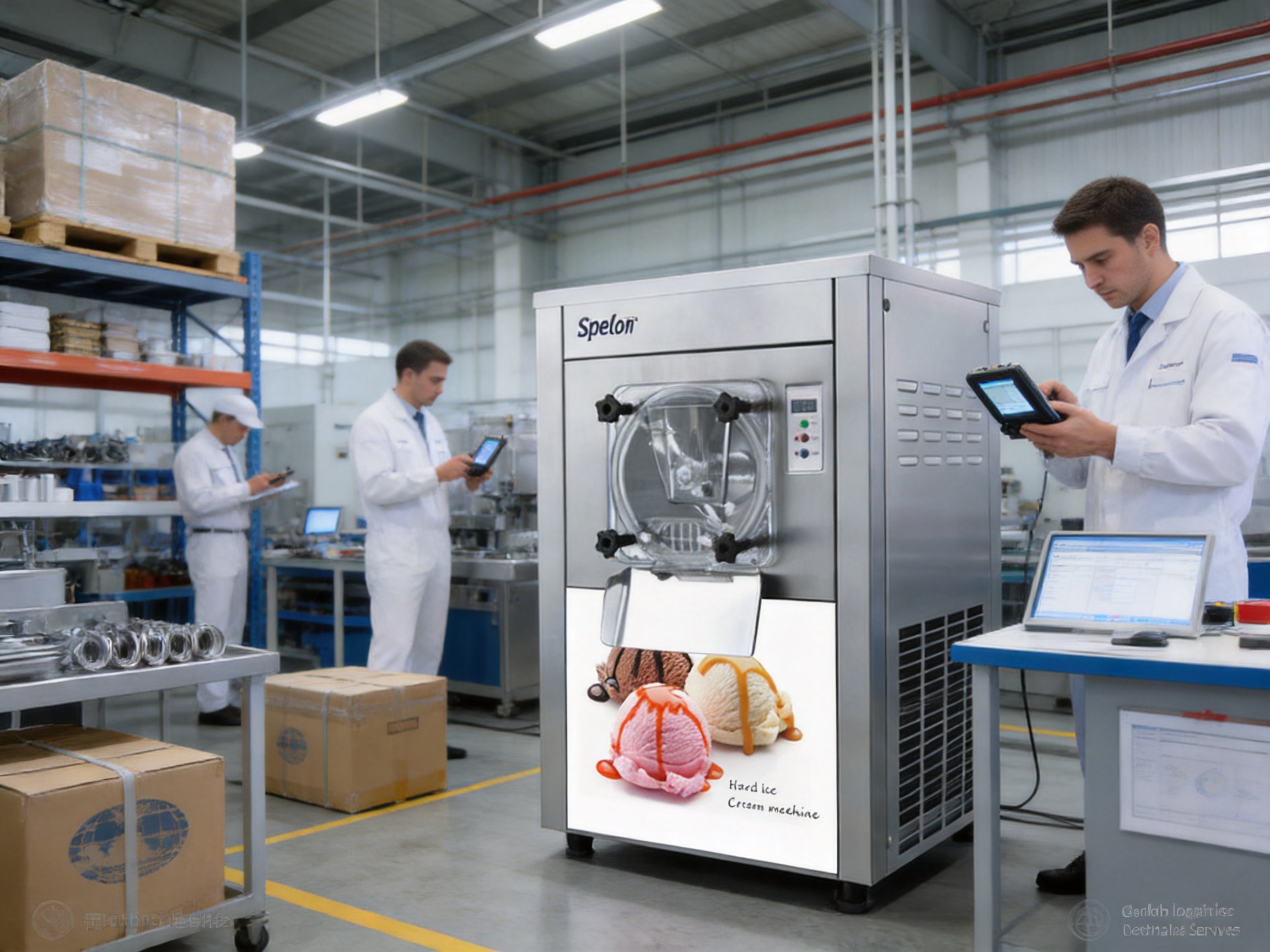
Hard ice cream remains one of the most attractive dessert products for restaurants, cafés, dessert shops, snack bars, hotels, supermarkets, and catering businesses. Customers expect a smooth texture, rich flavor, attractive presentation, and dependable availability throughout the day. For operators, however, producing hard ice cream commercially requires more than a freezer. The equipment must provide stable refrigeration, practical operating controls, hygienic construction, sufficient hourly output, and reliable performance during busy service periods.
The BQL-128Y commercial hard ice cream machine is designed for businesses that need continuous production in a compact and professional format. With a stated capacity of approximately 18 liters per hour, a single-tank configuration, air-cooled refrigeration, food-grade stainless-steel construction, and a 1,600-watt power rating in the primary product information, it is positioned as a practical solution for medium-sized restaurants and dessert businesses.
This article examines the machine’s construction, operating value, production capability, hygiene advantages, application range, maintenance requirements, and suitability for commercial use. It also explains how a professional manufacturing company with extensive production facilities, engineering experience, and OEM and ODM capabilities can support customers beyond the initial equipment purchase.
Commercial Hard Ice Cream Production Requirements
Commercial ice cream preparation is different from occasional household use. A restaurant may need to serve multiple portions within a short period, while a dessert shop may need to maintain consistent quality from opening until closing. The machine must therefore be able to cope with repeated production cycles, frequent customer orders, changing ambient conditions, and daily cleaning procedures.
Capacity is one of the first considerations. A machine with insufficient output can create queues, limit menu development, and force operators to prepare product too far in advance. Excessively large equipment, on the other hand, can occupy valuable floor space, consume more energy, and represent an unnecessary investment for a smaller operation. An output of approximately 18 liters per hour offers a useful middle position for businesses that require commercial performance without the footprint of a large industrial production line.
Consistency is equally important. Ice cream quality depends on freezing performance, mix formulation, agitation, serving temperature, and operating discipline. A stable refrigeration system helps the operator maintain a predictable product texture. The machine must also be easy to clean, because residues in the freezing system can affect flavor, sanitation, and equipment life.
Commercial users also evaluate equipment according to its total operating value. Purchase price is only one element. Labor efficiency, cleaning time, maintenance access, product waste, downtime, and service support all influence the long-term cost of ownership. A well-designed machine can help reduce unnecessary handling and allow staff to focus on customer service and product preparation.
Product Overview
The BQL-128Y is a single-tank commercial hard ice cream machine intended for foodservice environments. Its format is suitable for restaurants, dessert counters, cafés, small-to-medium ice cream businesses, hotel food and beverage areas, convenience stores, and other locations where fresh hard ice cream is produced on demand.
The unit combines a food-contact-oriented stainless-steel structure with a refrigeration and freezing system designed for continuous commercial operation. The supplied product information identifies air cooling as the condensation method. Air-cooled equipment is often convenient for sites where a dedicated water supply and drainage connection are undesirable or unavailable.
The product data describes an hourly capacity of 18 liters, while another specification section lists production figures of 12 liters per hour and 15–20 liters per hour. These figures may reflect different testing conditions, formulations, ambient temperatures, or model-document versions. Buyers should confirm the final rated capacity with the manufacturer before ordering. For planning purposes, the machine is best considered an approximately 18-liter-per-hour commercial unit, with actual performance influenced by mix temperature, recipe composition, room temperature, voltage, and operating practices.
The same supplied materials list both 1,500 watts and 1,600 watts as input power. The primary product information identifies the machine as a 1,600-watt model. Because electrical requirements are essential for installation and export compliance, customers should request the final nameplate specification and electrical configuration for their destination market.
Key Specification Summary
| Item | Specification |
|---|---|
| Product type | Commercial hard ice cream machine |
| Model | BQL-128Y |
| Configuration | Single tank |
| Nominal capacity | Approximately 18 liters per hour |
| Additional capacity figures in supplied data | 12 liters per hour and 15–20 liters per hour |
| Condensation method | Air cooling |
| Primary listed power | 1,600 watts |
| Alternative power figure in supplied data | 1,500 watts |
| Net weight | Approximately 80 kilograms |
| Primary listed dimensions | 625 × 535 × 840 millimeters |
| Alternative dimensions in supplied data | 620 × 535 × 840 millimeters |
| Compressor refrigerant listed in supplied data | R410 |
| Main construction | Food-grade stainless steel and sprayed steel components |
The table reflects the information supplied for the product. Since several values appear in more than one version, the final commercial quotation, technical drawing, rating plate, and user manual should be treated as the controlling documents for procurement and installation.

18L/h Commercial Stainless Steel Hard Ice Cream Machine for Restaurant
Food-Grade Stainless-Steel Construction
One of the clearest advantages of the machine is its foodservice-oriented construction. The product description states that the plate body is made from food-grade stainless steel together with colorful sprayed steel. Stainless steel is widely used in professional food equipment because it provides a clean appearance, strong resistance to routine moisture exposure, and a smooth surface that is easier to wipe down than many porous or unfinished materials.
In a busy restaurant, the exterior of a machine is exposed to splashes, ingredient residue, fingerprints, cleaning chemicals, and repeated contact with staff. A stainless-steel body helps the equipment maintain a professional appearance when it is cleaned according to the manufacturer’s instructions. It also supports the hygienic presentation that customers expect when food is prepared in an open service area.
The use of food-grade materials is particularly important around areas that may come into contact with ice cream mix. Contact surfaces should be cleaned and sanitized regularly, and operators should follow the approved procedures for disassembly, washing, sanitizing, rinsing, and drying. Material selection alone does not replace good hygiene practices, but it provides an appropriate foundation for commercial food handling.
The sprayed steel elements can contribute to design flexibility. Businesses may select a finish that coordinates with a restaurant interior, dessert counter, branded service area, or retail display. A machine that looks clean and professional can become part of the customer-facing environment rather than appearing as an improvised back-of-house appliance.
Output Designed for Medium-Sized Foodservice Businesses
An approximate output of 18 liters per hour can support a broad range of commercial applications. A standard serving size varies by recipe and business model, but this capacity can provide a meaningful number of portions during a service period. Actual portions depend on serving weight, overrun, flavor formulation, and whether the product is sold in cups, cones, sandwiches, plated desserts, or combination dishes.
For a restaurant, the machine can support dessert menus without requiring a full industrial production system. For a café, it can provide a house-made or freshly frozen component for sundaes, waffles, crepes, cakes, and specialty drinks. For a dessert shop, it can help maintain availability during lunch, afternoon, and evening peaks. In a hotel or buffet environment, it can support planned service while allowing staff to produce fresh batches according to demand.
The single-tank design is especially relevant to businesses that prefer operational simplicity. A single tank can reduce the number of product lines, cleaning points, and controls that staff must manage. It may also be appropriate when the business focuses on one primary flavor at a time or changes flavors between production cycles.
Operators should match capacity to expected demand rather than relying on the headline rating alone. A capacity test may be conducted under controlled conditions with a specific mix temperature and ambient temperature. In a real restaurant, product output can be affected by warm ingredients, high room temperatures, delayed cleaning, insufficient pre-cooling, or repeated opening of access points. Proper workflow planning helps the machine perform closer to its intended commercial capability.
Refrigeration and Air-Cooling Performance
The machine uses an air-cooled condensation method according to the supplied information. Air cooling is a practical choice for many restaurants because it does not normally require the same type of condenser-water circuit as water-cooled equipment. This can simplify installation in locations where plumbing modifications are difficult or expensive.
An air-cooled machine should be installed in a position with sufficient ventilation. The condenser must be able to discharge heat into the surrounding area. If the machine is placed too close to a wall, beneath a heat-producing appliance, or inside an enclosed cabinet without ventilation, the refrigeration system may operate under greater stress. Good airflow supports stable performance and may help reduce avoidable energy consumption.
Ambient conditions also influence production. A hot kitchen can increase refrigeration demand, while a cooler, well-ventilated service area may provide more favorable operating conditions. Users should maintain clearance around air intake and exhaust areas, keep condenser surfaces free of dust, and avoid placing the unit beside ovens, fryers, steam equipment, or direct sunlight whenever possible.
The supplied technical data identifies R410 as the compressor refrigerant. Refrigerant requirements should always be verified against the final model documentation and the regulations of the destination country. Installation, repair, recovery, and charging work should be completed by qualified refrigeration technicians using suitable tools and procedures.
Texture, Product Quality, and Process Control
A commercial hard ice cream machine contributes to texture by freezing and agitating the mix under controlled conditions. The objective is to create a product that is sufficiently firm for serving and storage while retaining a smooth, creamy mouthfeel. The final result depends not only on the machine but also on the recipe, ingredients, mix temperature, solids content, stabilizer system, fat level, and freezing time.
Operators can improve consistency by standardizing their recipes. Each flavor should be prepared using measured ingredients and a repeatable mixing process. The mix should be filtered or strained when appropriate, cooled before loading, and held under proper food-safety conditions. A consistent starting temperature reduces variation between batches and makes it easier to identify equipment or recipe issues.
When a machine is used during peak demand, staff should avoid overloading the system with warm mix or rushing cleaning steps. A disciplined workflow may include preparing chilled mix in advance, monitoring production intervals, rotating flavors in a planned sequence, and recording unusual changes in texture or freezing time.
The stainless-steel body, commercial refrigeration system, and stated hourly output together give the BQL-128Y a practical foundation for repeatable production. Its advantages over basic entry-level equipment are most visible when the machine is integrated into a standardized foodservice process rather than operated without preparation.
Advantages Compared with Less Specialized Equipment
Businesses sometimes attempt to use domestic ice cream makers or small countertop appliances for commercial service. Such equipment may be suitable for testing recipes or producing occasional batches, but it may not provide the capacity, durability, working height, cooling performance, or cleaning convenience needed in a restaurant environment.
The BQL-128Y is designed as commercial equipment rather than a household appliance. Its approximately 80-kilogram net weight indicates a more substantial machine structure, while its 840-millimeter height offers a working format that can fit many service and preparation areas. The stainless-steel construction is better aligned with professional cleaning routines and the visual expectations of foodservice customers.
Compared with an oversized industrial machine, the single-tank format may offer a more efficient use of space and capital for medium-sized businesses. A large multi-cylinder system can provide greater output, but it may also require more floor area, greater electrical capacity, additional staff training, and a more complex cleaning routine. Selecting a machine that matches actual demand can prevent underutilized capacity.
Compared with low-cost equipment with limited technical support, a machine supplied by an established commercial equipment manufacturer can offer stronger access to documentation, spare parts, technical consultation, and customization. These factors may become more important than the initial purchase price over the life of the equipment.
Practical Competitive Benefits
The machine’s main competitive benefits can be summarized as follows:
First, it offers a useful commercial capacity for medium-sized businesses without presenting the scale of a factory production unit.
Second, its single-tank structure can simplify operation for staff who need a straightforward production routine.
Third, food-grade stainless-steel construction supports hygiene, durability, and professional presentation.
Fourth, air cooling can make installation more practical in locations without dedicated condenser-water plumbing.
Fifth, its compact rectangular footprint can help operators use limited commercial floor space efficiently.
Sixth, the manufacturer’s broader capabilities in commercial refrigeration, kitchen equipment, buffet equipment, and OEM and ODM production can support customers seeking coordinated equipment programs.
These benefits should be considered alongside local electrical requirements, confirmed capacity, installation conditions, warranty terms, and after-sales arrangements. A professional purchasing decision should evaluate the complete operating package rather than one specification in isolation.
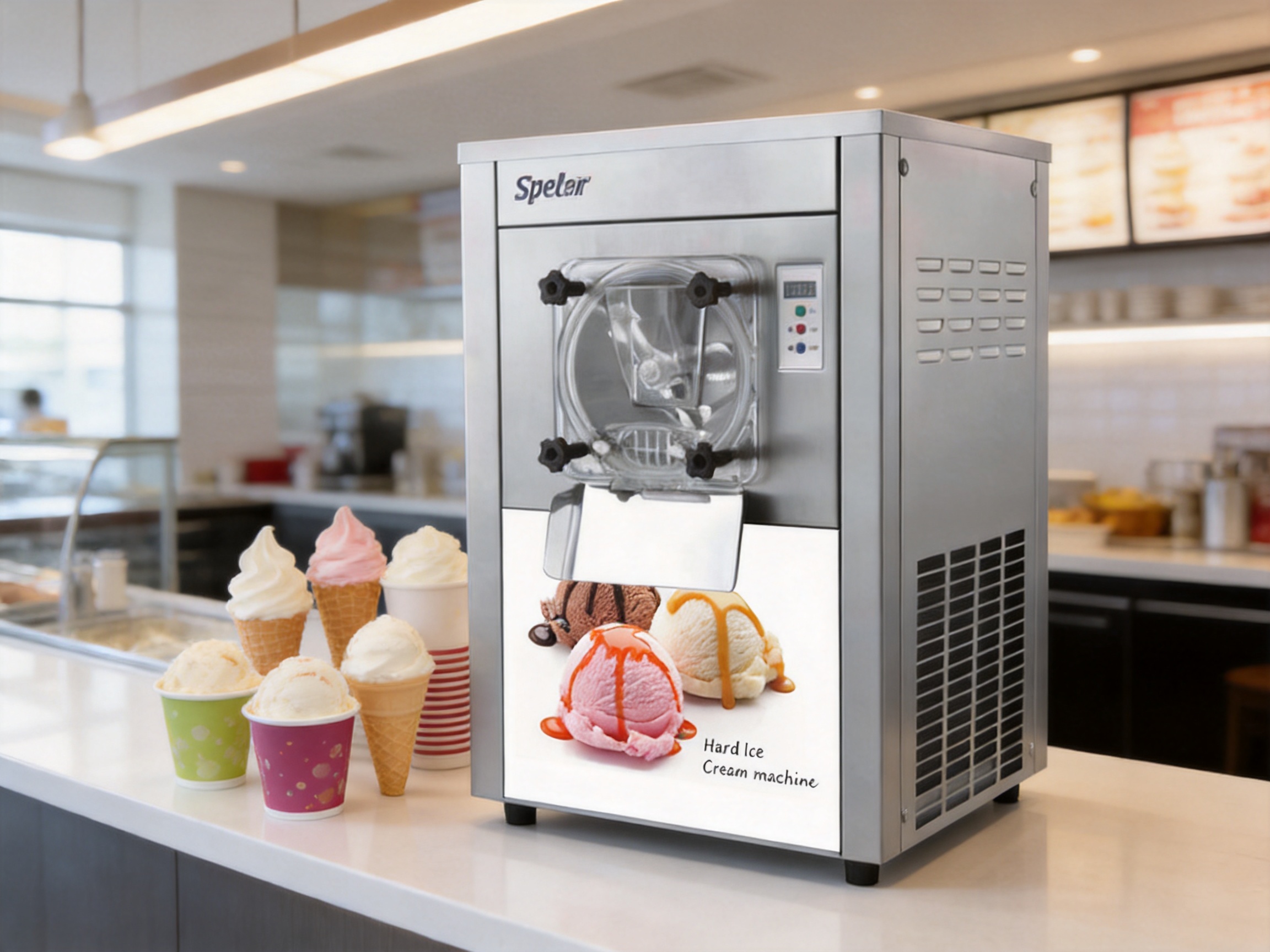
Applications in Restaurants and Dessert Shops
Restaurants
Restaurants can use the machine to add freshly made hard ice cream to dessert menus without outsourcing production. It can support plated desserts, children’s portions, ice cream and cake combinations, seasonal specials, and premium menu items. Producing ice cream on site may also allow the restaurant to adjust flavors according to local preferences or menu themes.
Cafés and Coffee Shops
Cafés can combine hard ice cream with waffles, brownies, pancakes, fruit, coffee beverages, and cold desserts. A machine located near the service counter may create a visual point of interest and encourage impulse purchases. Because the unit is intended for commercial use, it can support regular production without requiring the business to dedicate space to a larger factory-style system.
Ice Cream and Dessert Stores
Dedicated dessert stores can use the equipment for rotating flavors. A store may produce a base flavor in the morning, introduce a second flavor later, or use different recipes on different days. The single-tank configuration can be useful for businesses that value flexibility and do not need simultaneous production of multiple flavors from separate cylinders.
Hotels, Buffets, and Institutional Foodservice
Hotels, canteens, schools, hospitals, and institutions may use the machine to supplement dessert service. In these environments, predictable output, hygiene, ease of cleaning, and straightforward staff training are important. Operators can schedule production around meal periods and prepare portions according to expected attendance.
Convenience Stores and Supermarkets
Retail outlets can use hard ice cream as an additional high-margin dessert category. The equipment may support cup and cone sales, combination promotions, and seasonal campaigns. In customer-facing locations, the stainless-steel appearance can help present the operation as professional and organized.
Installation Planning
Before installation, buyers should confirm the machine’s final dimensions, rated voltage, frequency, current, power, refrigerant information, and clearance requirements. The supplied dimensions are approximately 625 by 535 by 840 millimeters, with another document listing 620 by 535 by 840 millimeters. A small dimensional difference can affect counter alignment, door access, and shipping preparation, so the final technical drawing should be requested before purchasing.
The floor or support surface should be level, stable, and capable of carrying a machine weighing approximately 80 kilograms, in addition to ingredients and operational accessories. The machine should not be placed where it can be struck by carts, exposed to standing water, or obstruct emergency paths.
Adequate ventilation is essential for an air-cooled refrigeration system. Operators should leave the clearances recommended by the manufacturer and avoid blocking air intake or exhaust grilles. The surrounding temperature should remain within the approved operating range. If the unit is installed in a hot kitchen, ventilation improvements may be required.
Electrical installation should be completed by a qualified professional. The final power specification must be checked because the supplied records list both 1,500 watts and 1,600 watts. The outlet, breaker, grounding, plug type, and local compliance requirements should all correspond to the final machine configuration.
During delivery, the machine should be inspected for dents, scratches, loose components, and shipping damage. If the unit has been transported in a position that could affect the refrigeration system, the manufacturer’s instructions should be followed before startup. Staff should read the operating manual and understand the correct sequence for filling, freezing, serving, draining, and cleaning.
Cleaning and Hygiene Procedures
Commercial ice cream equipment requires a defined cleaning schedule. Product residues can accumulate in tanks, passages, seals, scrapers, and dispensing areas. If residues are left in place, they may affect flavor, texture, sanitation, and equipment performance.
At the end of each production period, operators should follow the manufacturer-approved cleaning procedure. This generally includes removing remaining mix, flushing or rinsing relevant product areas, disassembling removable components, washing them with an approved detergent, rinsing thoroughly, sanitizing as required, and allowing parts to dry before reassembly.
Cleaning chemicals should be compatible with stainless steel, seals, gaskets, and other machine materials. Abrasive pads, harsh chemicals, or unapproved tools can damage surfaces and reduce component life. Staff should pay particular attention to corners, joints, dispensing areas, and parts that are difficult to see during quick cleaning.
External surfaces should be wiped regularly to remove mix, grease, dust, and fingerprints. The condenser area should be inspected and cleaned according to the maintenance schedule. Dust buildup can reduce airflow and place additional demand on the refrigeration system.
Food safety also depends on ingredient handling. Mix should be stored at appropriate temperatures, protected from contamination, and used within the recommended period. Operators should maintain records where required by local food regulations and should never rely on the machine as a substitute for safe ingredient storage.
Routine Maintenance and Serviceability
Preventive maintenance helps reduce unexpected downtime. Daily checks may include inspecting the power cord, observing unusual noise, confirming that air passages are open, checking for leaks, and verifying that the product is freezing normally. Weekly or periodic checks may include a more detailed inspection of fasteners, seals, scraper components, condenser cleanliness, and electrical connections.
Seals and gaskets are wear items. Their service life depends on operating frequency, cleaning chemicals, temperature, assembly technique, and general handling. Replacing worn seals promptly can help prevent leakage and maintain hygienic operation.
Abnormal vibration, excessive noise, longer freezing times, or inconsistent texture should be investigated rather than ignored. Potential causes may include inadequate ventilation, dirty condenser surfaces, incorrect mix temperature, insufficient cleaning, component wear, or refrigeration-system problems. Only qualified technicians should work on sealed refrigeration circuits or electrical systems.
A professional manufacturer can add value by supplying replacement parts, maintenance guidance, troubleshooting support, and technical documentation. These services are especially important for overseas customers who need dependable communication and efficient parts planning.
Manufacturing Strengths and Quality Approach
The manufacturer is described as a professional producer integrating design, research and development, manufacturing, sales, and service. This integrated structure can provide advantages compared with trading companies that have limited control over engineering and production. When design, assembly, quality management, and customer support are connected within one organization, product improvements and customer feedback can be handled more efficiently.
The company operates more than 60,000 square meters of modern production facilities. A facility of this scale can support organized production planning, dedicated assembly areas, component storage, testing procedures, packaging operations, and the development of multiple commercial equipment categories. Scale alone does not guarantee quality, but it can provide the infrastructure needed for consistent manufacturing when supported by appropriate process controls.
The product range includes ice cream machines, juice dispensers, fried ice cream machines, refrigeration cabinets, slush machines, flake ice machines, cooking equipment, griddles, fryers, insulation products, barbecue equipment, and buffet solutions. This broad portfolio gives the manufacturer experience across several types of commercial foodservice equipment and allows customers to source complementary products from one supplier.
Research and development capability is important because commercial equipment must respond to practical operating requirements. Engineers may need to consider refrigeration performance, heat dissipation, food-contact materials, cleaning access, component availability, shipping constraints, electrical standards, and regional market expectations. Product development that considers the full service environment can produce equipment that is easier to install and operate.
Production Process Considerations
A professional manufacturing process normally begins with product design and technical review. Materials, dimensions, refrigeration components, electrical parts, fasteners, seals, and control elements must be specified before assembly. For OEM and ODM projects, the supplier may review customer drawings, target capacity, appearance requirements, packaging needs, and destination-market standards.
Sheet-metal fabrication and body preparation are important stages for stainless-steel equipment. Accurate cutting, forming, welding, surface finishing, and panel alignment contribute to both appearance and structural integrity. Foodservice equipment must also be designed so that surfaces can be cleaned without excessive gaps or difficult-to-reach contamination points.
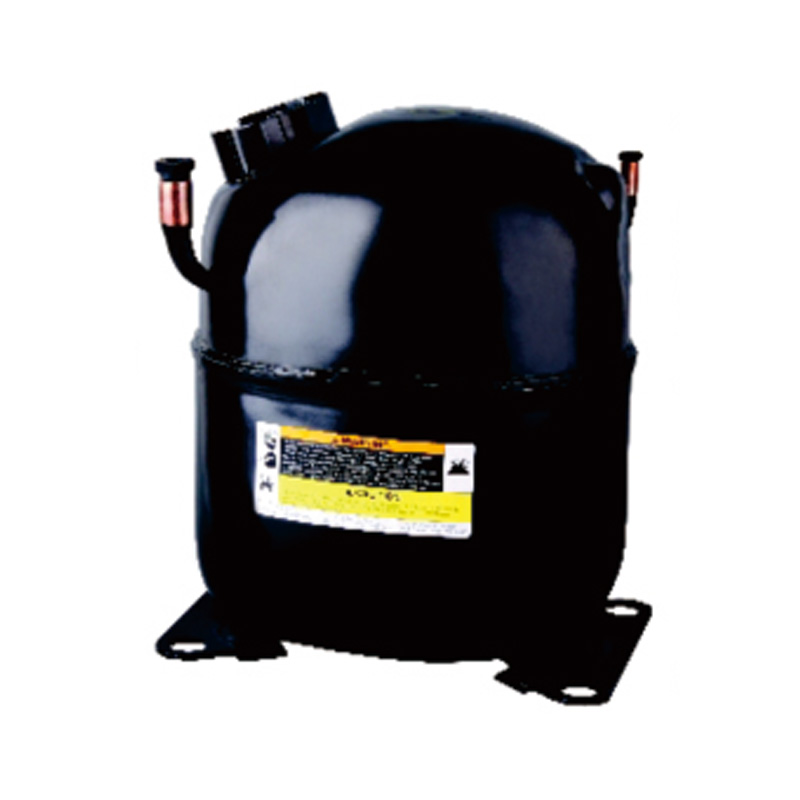
Refrigeration assembly requires careful installation of compressors, condensers, evaporators, tubing, insulation, controls, and electrical connections. The refrigeration circuit should be assembled and tested using appropriate procedures. Pressure testing, leak inspection, evacuation, charging, and performance testing help identify problems before shipment.
Final assembly should include inspection of moving parts, tanks, covers, handles, controls, panels, and protective components. Functional testing can verify startup behavior, refrigeration response, operating noise, electrical safety, and general stability. Packaging should protect the machine against movement, impact, moisture, and handling damage during domestic or international transport.
These manufacturing stages are particularly relevant to a commercial machine because reliability depends on the interaction of many components. A strong body cannot compensate for poor refrigeration assembly, and a powerful compressor cannot compensate for inadequate ventilation design. Product quality is therefore the result of coordinated engineering, production, testing, and service.
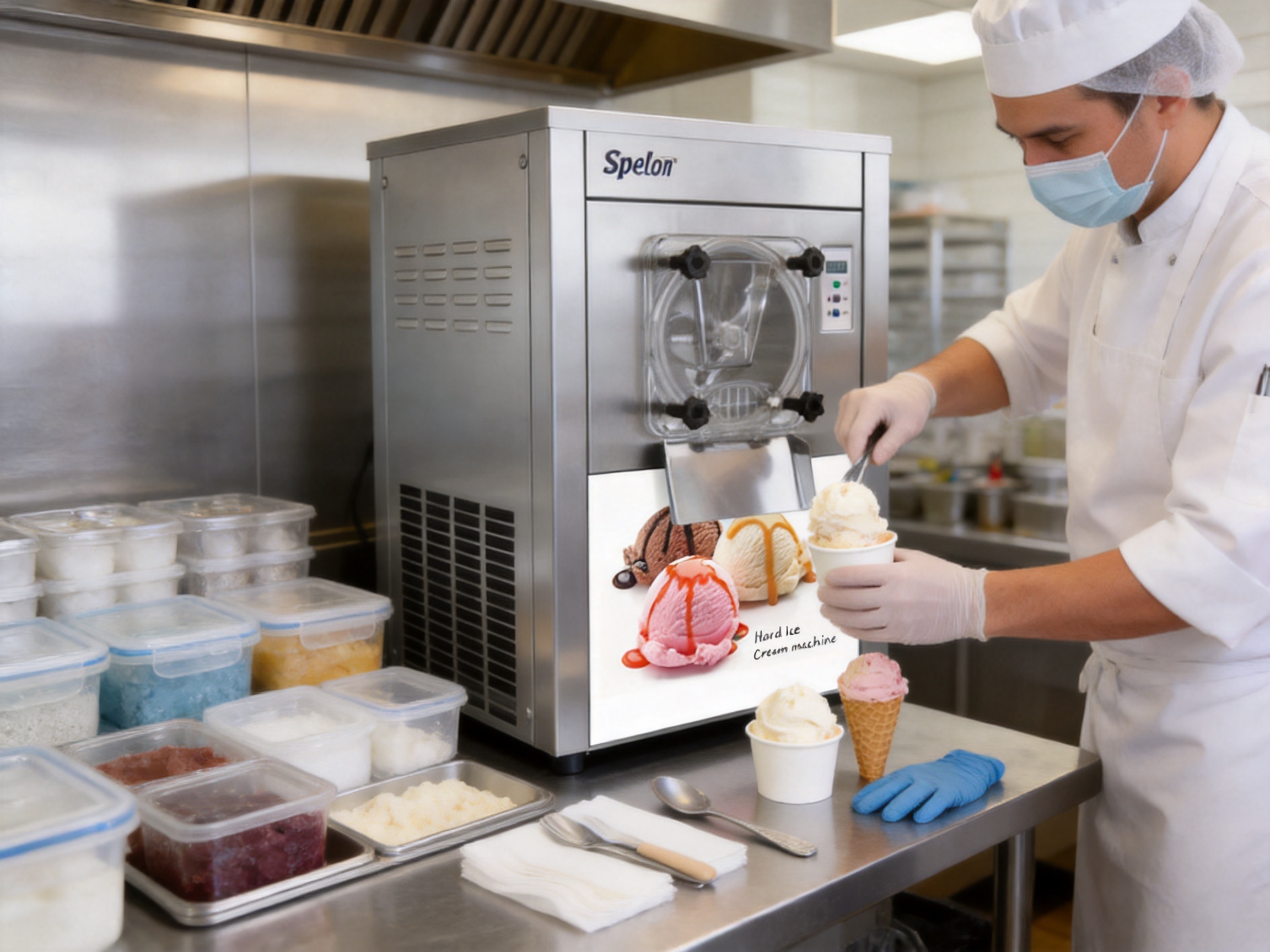
OEM and ODM Cooperation
Many importers, distributors, restaurant groups, and foodservice-equipment brands need more than a standard catalog machine. They may require a customized exterior, private labeling, different electrical specifications, modified dimensions, special packaging, revised controls, or integration with a broader product line.
The manufacturer’s stated OEM and ODM capability allows customers to discuss solutions based on drawings or requirements. OEM cooperation generally involves producing equipment according to a customer’s specifications or branding instructions. ODM cooperation may involve adapting an existing platform or developing a product solution around the customer’s intended market and application.
Customization should be managed through a clear technical process. Buyers should provide expected capacity, target market, voltage and frequency, operating environment, preferred materials, exterior finish, control requirements, packaging standards, certification needs, and delivery schedule. The supplier can then evaluate feasibility, tooling, minimum order quantities, testing requirements, and cost implications.
For distributors, a customized product can help create a differentiated market position. For chain restaurants, standardization across locations can simplify staff training, maintenance, spare-parts planning, and brand presentation. For project contractors, coordinated equipment from one manufacturing source can reduce procurement complexity.
Logistics and After-Sales Support
Commercial refrigeration equipment must be packaged and transported carefully. Buyers should confirm crate or carton dimensions, loading method, shipping weight, protection materials, stacking limitations, and documentation. International customers should also review import requirements, electrical compliance, customs classification, and local service arrangements.
Pre-sales consultation can help customers select a model that matches their expected demand and site conditions. The manufacturer’s service offering is described as including product customization, flexible logistics and payment solutions, and after-sales maintenance. These services can be particularly valuable when a customer is purchasing several equipment categories for a new restaurant, supermarket, hotel, or foodservice project.
After-sales support should include access to operating instructions, parts information, cleaning guidance, troubleshooting recommendations, and technical communication. A distributor may also request a recommended spare-parts list for common wear items such as seals, gaskets, fasteners, and other service components.
Reliable support contributes directly to business continuity. When a machine is used for daily production, even a short period of downtime can affect sales and customer satisfaction. Clear communication, practical troubleshooting, and available replacement parts can help reduce the impact of service issues.
Energy and Operating Efficiency
The listed power rating for the machine is approximately 1,600 watts in the primary specification. Actual energy consumption depends on refrigeration load, ambient temperature, production volume, operating intervals, and the condition of the condenser and other components.
Operators can improve efficiency by placing the machine in a ventilated location, pre-chilling mix when appropriate, avoiding unnecessary operation when the tank is empty, keeping condenser surfaces clean, and following the recommended maintenance schedule. Excessively warm ingredients and poor ventilation may lengthen freezing cycles and increase energy demand.
Efficient workflow is also important. Staff can prepare ingredients in advance, organize storage, schedule production around demand, and avoid repeatedly starting and stopping the machine without a clear purpose. A machine with a suitable capacity can reduce the need for multiple small batches and help simplify labor planning.
Energy efficiency should be evaluated together with productivity. A lower-powered appliance may not be more economical if it produces too slowly, requires excessive labor, or creates product waste. The appropriate choice is equipment that provides the necessary output and quality under the actual operating conditions of the business.
How to Select the Right Configuration
Before placing an order, customers should confirm whether a single-tank configuration matches their menu and production pattern. The machine is well suited to businesses that focus on one flavor at a time, change flavors in planned cycles, or prefer a simple operation. Businesses that require two flavors simultaneously may need a different configuration.
Capacity should be calculated from expected daily sales, peak-hour demand, serving size, operating hours, and planned production intervals. Buyers should also consider whether product will be sold immediately or stored for later service. A machine that is correctly sized can provide better capital efficiency than one selected only on the basis of maximum theoretical output.
Site conditions should be reviewed before purchase. Confirm available floor space, ventilation, door widths, electrical supply, drainage arrangements if applicable, staff workflow, cleaning location, and access for maintenance. A simple site survey can prevent installation delays and unexpected modification costs.
Customers should request the final technical documents, including the rating plate specification, user manual, wiring information where applicable, packing details, warranty conditions, spare-parts list, and recommended maintenance schedule. Because the supplied information includes more than one figure for capacity, power, and dimensions, written confirmation is especially important.
Operating Workflow for Commercial Users
A practical workflow begins with recipe preparation. Ingredients should be weighed accurately, mixed according to the approved formula, and cooled or held under suitable food-safety conditions. Staff should inspect the machine before loading and confirm that all required parts are correctly assembled.
The mix should be loaded according to the manufacturer’s instructions. Operators should avoid exceeding the recommended fill level, because excessive loading can affect freezing performance and product quality. The machine should then be operated using the appropriate control settings and monitored during the initial production cycle.
When the product reaches the required consistency, it can be transferred to suitable storage containers or served according to the business’s menu procedure. Containers should be clean, labeled where necessary, and held at the correct temperature. Staff should monitor texture and temperature rather than relying only on time.
At the end of production, remaining mix should be handled according to food-safety procedures. The machine should be drained, cleaned, sanitized, and dried as instructed. A short daily checklist can help ensure that cleaning and inspection tasks are completed consistently across different shifts.
Q&A
What type of product is this machine designed to make?
It is designed for commercial hard ice cream production. It is intended for restaurants, dessert shops, cafés, hotels, supermarkets, and other foodservice businesses that need frozen dessert production on a regular basis.
What is the production capacity?
The primary product information states a capacity of 18 liters per hour. Other supplied specification records mention 12 liters per hour and 15–20 liters per hour. Since output varies according to mix, ambient temperature, and operating conditions, buyers should confirm the guaranteed capacity for the exact order configuration.
Is the machine suitable for a medium-sized restaurant?
Yes. Its approximate 18-liter-per-hour capacity and single-tank design make it suitable for many medium-sized restaurants, cafés, and dessert businesses. The correct choice depends on expected peak demand, serving size, menu design, and operating hours.
Does it use air cooling or water cooling?
The supplied information identifies air cooling as the condensation method. The machine should be installed with adequate ventilation and sufficient clearance around the air intake and exhaust areas.
What materials are used for the machine body?
The product description states that the plate body uses food-grade stainless steel and colorful sprayed steel. Stainless steel supports a durable, professional, and easy-to-clean foodservice construction.
What is the listed power requirement?
The primary product information lists 1,600 watts, while another specification section lists 1,500 watts. Customers must confirm the final nameplate rating, voltage, frequency, plug, and electrical requirements before installation.
What are the machine dimensions?
The primary information lists dimensions of 625 × 535 × 840 millimeters. Another record lists 620 × 535 × 840 millimeters. The final technical drawing should be used for site planning and equipment installation.
How much does the machine weigh?
The listed net weight is approximately 80 kilograms. Shipping weight and packed dimensions may be higher, so logistics providers and installation teams should request the final packing information.
Can the machine be customized?
The manufacturer offers OEM and ODM cooperation based on customer drawings or requirements. Possible projects may involve appearance, labeling, electrical configuration, packaging, dimensions, or other commercial requirements, subject to technical evaluation and order conditions.
How often should the machine be cleaned?
The machine should be cleaned according to the manufacturer’s instructions and the food-safety requirements of the operating location. Product-contact areas should normally be cleaned after production or according to an approved shift-based schedule. External surfaces and ventilation areas should also be maintained regularly.
Can it be installed beside a fryer or oven?
It is better to avoid placing the machine beside major heat-producing equipment. High ambient temperatures can increase refrigeration load and reduce operating efficiency. If the layout requires nearby installation, adequate separation and ventilation should be planned.
What should buyers confirm before ordering?
Buyers should confirm capacity, power, voltage, frequency, dimensions, refrigerant information, condensation method, warranty, spare-parts support, packaging, delivery terms, certifications, and the final operating manual. These details are especially important because some values in the supplied product records differ.
Does the manufacturer supply other foodservice equipment?
Yes. The company’s described product range includes commercial refrigeration, ice cream machines, juice dispensers, fried ice cream machines, slush machines, flake ice machines, cooking equipment, griddles, fryers, insulation products, barbecue equipment, and buffet solutions.
Conclusion
The 18L/h commercial stainless-steel hard ice cream machine is designed to meet the practical needs of medium-sized foodservice businesses. Its key strengths include an approximately 18-liter-per-hour production concept, single-tank operation, air-cooled refrigeration, food-grade stainless-steel construction, professional appearance, and a format suitable for restaurants and dessert shops.
Compared with household appliances or undersized entry-level equipment, it provides a more appropriate foundation for repeated commercial production. Compared with larger industrial systems, its single-tank structure and moderate footprint may be more suitable for businesses that need dependable output without excessive capacity or complexity.
The manufacturer adds value through integrated design, research and development, manufacturing, sales, and service capabilities. Its large modern production base, broad commercial equipment portfolio, OEM and ODM experience, customization support, logistics solutions, and after-sales maintenance resources can help customers develop complete foodservice equipment programs.
Before purchase, customers should confirm the final capacity, power, dimensions, refrigerant, electrical configuration, installation clearances, warranty, and service arrangements. With proper site planning, standardized recipes, disciplined cleaning, and preventive maintenance, this machine can become a dependable part of a restaurant, café, dessert shop, hotel, supermarket, or institutional foodservice operation.
References
1. Product specification sheet for the BQL-128Y commercial hard ice cream machine, supplied product information.
2. Product technical data describing capacity, power, dimensions, condensation method, net weight, and construction materials.
3. Commercial food equipment hygiene and sanitation principles for frozen dessert production.
4. General refrigeration equipment installation and ventilation practices for air-cooled commercial appliances.
5. Manufacturer information concerning commercial refrigeration, kitchen equipment, buffet equipment, OEM cooperation, ODM development, logistics, and after-sales service.
6. General foodservice equipment maintenance principles covering cleaning, inspection, ventilation, electrical safety, and replacement of wear components.
Product: 18L/h Commercial Stainless Steel Hard Ice Cream Machine for Restaurant

For exclusive deals and latest offers, sign up by entering your email address below.


-
spelor@spelor.com
-
+86-576-85229688
-
No.528, Changxi Road, Linhai City, Zhejiang Province, China
Commercial Refrigeration Equipment Manufacturer China
Copyright © 2025 by Spelor Electrical Appliances (Zhejiang) Co., Ltd. Rights Reserved.
