


 中文简体
Intelligent Button Control Panel for Commercial Cold Drink Appliances
Admin 2026-09-03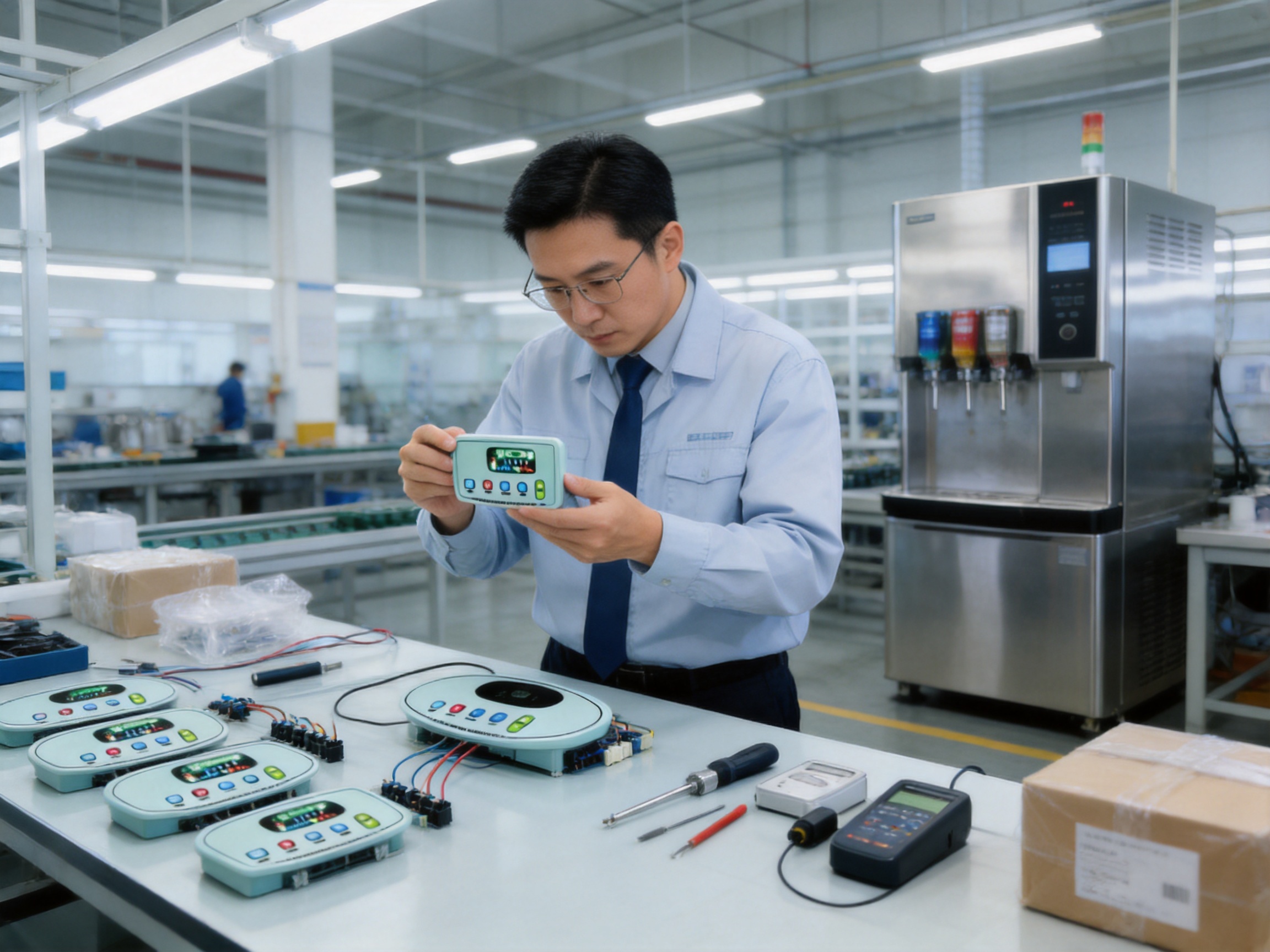
Commercial beverage equipment must be easy to operate, dependable during long working hours, and clear enough for employees to use with minimal training. In busy restaurants, cafés, snack shops, supermarkets, bars, and institutional foodservice environments, a control panel is more than a group of buttons. It is the primary communication point between the operator and the appliance. It helps users start and stop the equipment, select working modes, monitor operating conditions, and make adjustments that support consistent product quality.
The intelligent button control panel described in this article is designed for commercial cold drink appliances, including equipment such as ice cream machines and related beverage systems. It combines a practical button layout with status and setting information shown on a display screen. The result is a straightforward interface intended to improve operating efficiency, reduce unnecessary complexity, and support more consistent daily use.
This component is supplied as an optional replacement or matching part and is not sold separately. Its value is therefore closely connected with the commercial appliance for which it is designed. When correctly matched with compatible equipment, the panel can help restore normal operation, improve operator convenience, and extend the practical service life of the machine.
Why the Control Panel Matters in Commercial Beverage Equipment
In a commercial environment, operators may need to manage equipment quickly while handling customer orders, ingredients, cleaning tasks, and other responsibilities. A poorly arranged interface can lead to incorrect settings, delayed service, avoidable wear, and unnecessary interruptions. A well-designed control panel helps simplify these activities by placing important functions in an organized and recognizable interface.
Cold drink appliances often perform several tasks within one system. Depending on the appliance configuration, the operator may need to switch the machine on or off, select a cooling or dispensing mode, monitor the current status, adjust a temperature-related setting, or respond to an operating condition. A button-based interface provides direct access to these functions without requiring complicated menus or advanced technical knowledge.
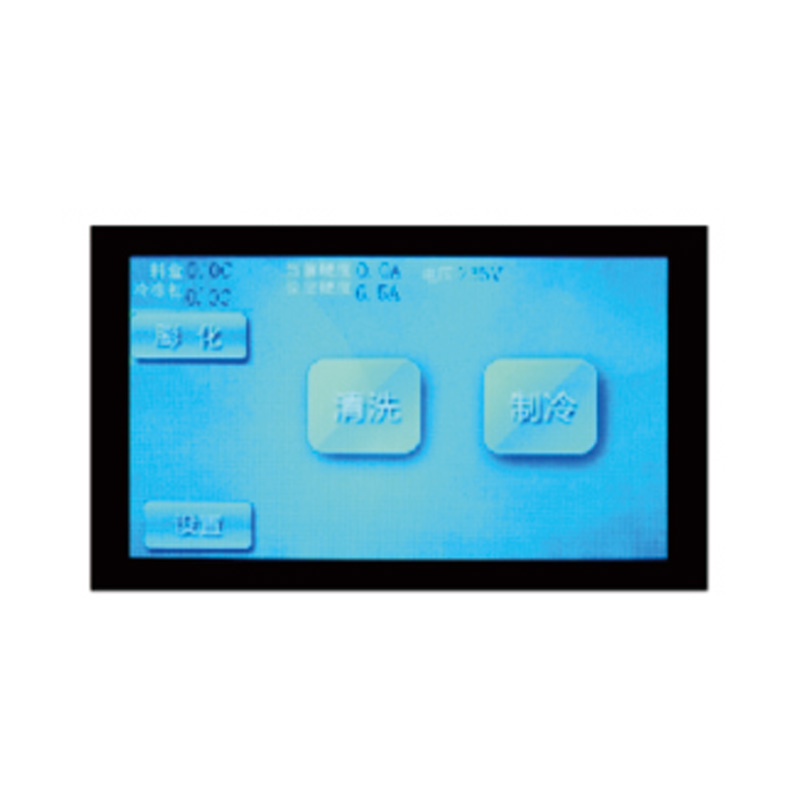
The display screen further improves usability by presenting information in a visible format. Instead of relying only on sound, indicator lights, or trial and error, an operator can refer to the displayed status and settings. This can be especially useful in a high-volume foodservice environment where several appliances may operate at the same time.
For equipment owners, the control panel also has an important maintenance function. If a panel becomes worn, damaged, or unresponsive after extended use, replacing the compatible panel can be more practical than replacing an entire appliance. A suitable replacement component can help reduce downtime and support more predictable equipment management.
Product Overview
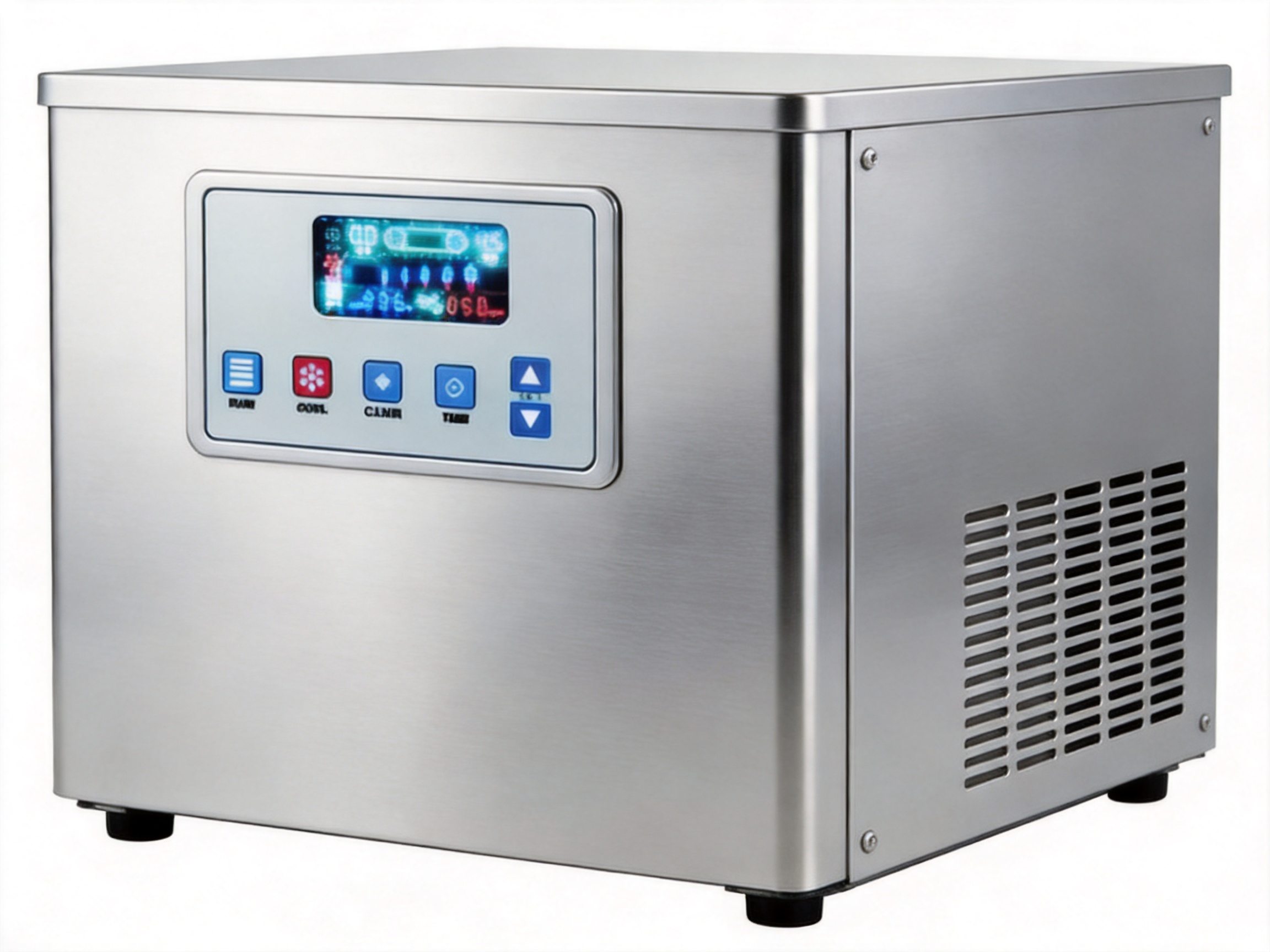
The intelligent button control panel is an operating and information interface for compatible commercial cold drink appliances. It is designed around physical buttons and a display area, providing an accessible method for controlling essential functions. Its application can include commercial ice cream machines and other related cold beverage equipment that use a compatible control configuration.
The panel may support functions such as power on and off, mode selection, and temperature adjustment. The exact functions and interface configuration depend on the appliance model and electrical control system with which the panel is used. For this reason, compatibility should always be confirmed before ordering or installation.
The design focuses on practical operation rather than unnecessary complexity. Buttons provide a direct response, while the display helps communicate machine status and selected settings. This combination is suitable for commercial users who value clear controls, quick training, and repeatable operation.
| Product Attribute | Details |
|---|---|
| Product type | Intelligent button control panel |
| Application | Compatible commercial cold drink appliances |
| Typical equipment association | Commercial ice cream machines and related beverage equipment |
| Control method | Physical button operation with display feedback |
| Potential functions | Power control, mode selection, temperature-related adjustment, and status viewing |
| Product category | Optional Components & Spare Parts |
| Sales condition | Not sold separately; compatibility with the associated appliance is required |
| Customization support | OEM and ODM cooperation based on drawings or requirements |
The panel should be regarded as a purpose-matched component rather than a universal replacement. Commercial refrigeration and beverage appliances can use different wiring layouts, button assignments, display formats, and control protocols. A professional supplier can help confirm whether the panel is suitable for a specific appliance before shipment.
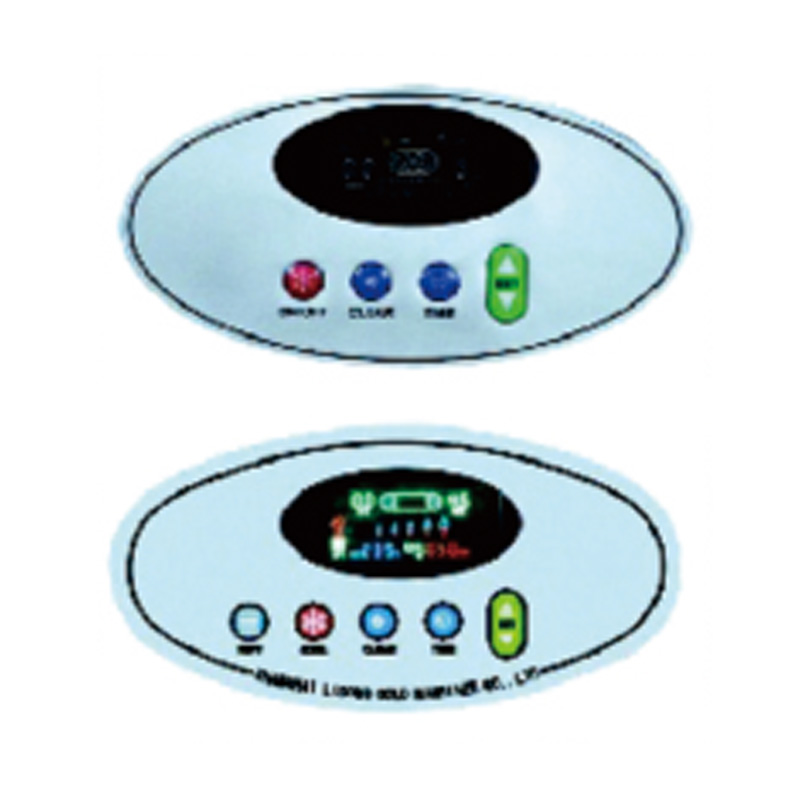
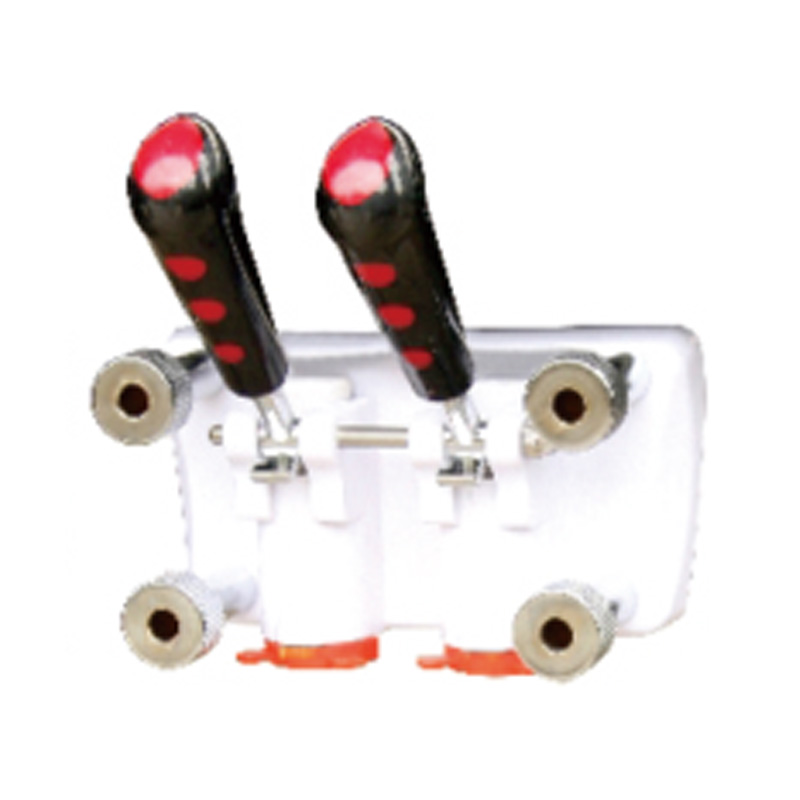
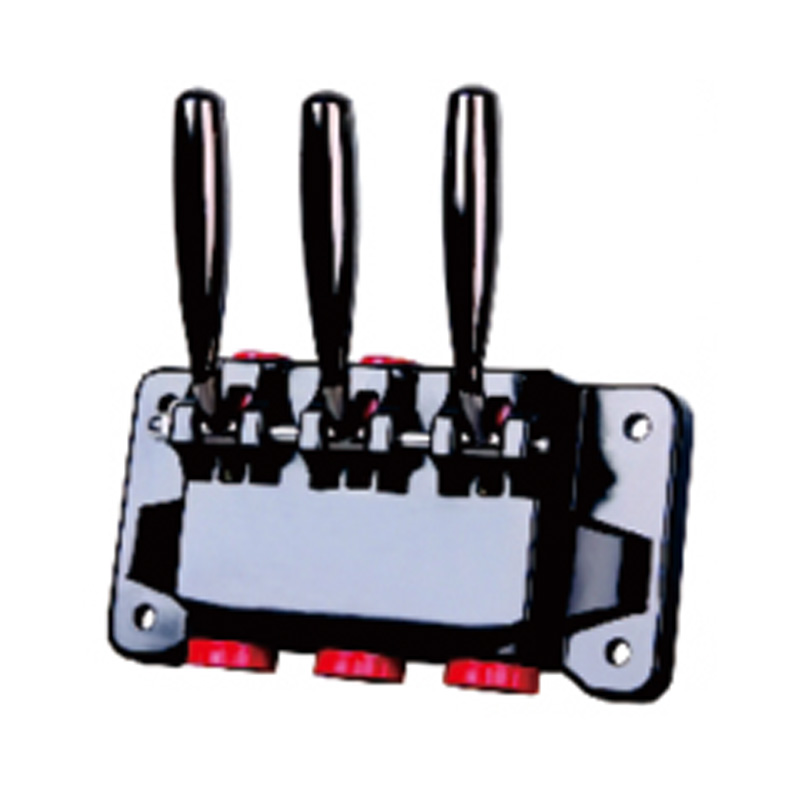
Cold Drink Appliance Intelligent Button Control Panel(Not sold separately)
Core Advantages of the Intelligent Button Design
Direct and Accessible Operation
One of the principal advantages of a button control panel is its direct operating method. Employees can identify and press a physical button without navigating multiple digital screens. This can reduce the time required to perform routine actions, especially when the operator is working under pressure during a busy service period.
Physical buttons are also familiar to a wide range of users. A restaurant may have employees with different levels of technical experience and different language backgrounds. A clear button arrangement, supported by recognizable symbols or labels, can make daily operation easier to learn. This is valuable for businesses with frequent staff turnover or seasonal employees.
Clear Status and Setting Visibility
A display screen helps users understand what the machine is doing and which settings are currently selected. This visual feedback can reduce uncertainty during startup, mode changes, and temperature-related adjustments. Operators can check the status before serving customers, after cleaning, or when preparing the machine for a new operating period.
Clear status information may also support more consistent procedures. For example, employees can verify that the machine has entered the intended mode instead of assuming that a button press was successful. This can help reduce operation errors and may contribute to more stable product preparation.
Efficient Mode Selection
Commercial cold drink appliances may need to operate in different modes depending on the product, service period, or preparation stage. A button-based interface can make mode selection faster and more understandable. Instead of adjusting several independent controls, the operator can use the designated control to select the required operating condition.
Efficient mode selection is particularly important in foodservice businesses that serve different products throughout the day. A café, snack shop, or fast-food location may change from preparation to service, cleaning, or standby operation. An organized interface supports these transitions and helps employees follow consistent routines.
Convenient Temperature-Related Adjustment
Temperature is a central operating factor for cold drink and ice cream equipment. The control panel may provide a convenient method for adjusting or viewing temperature-related settings, depending on the appliance configuration. A clear interface can help operators make changes in a controlled manner rather than relying on guesswork.
Temperature adjustment should always follow the operating instructions for the specific appliance. The panel itself does not replace proper cleaning, ingredient handling, preventive maintenance, or technical inspection. However, it provides an important user interface for applying the equipment’s available controls in a more convenient way.
Support for Repeatable Daily Procedures
Commercial equipment must often be operated in the same general manner every day. Repeatability is important because inconsistent settings can influence serving quality, energy use, and equipment workload. A clear control panel helps employees repeat established steps, from startup through service and shutdown.
When operators can easily identify power, mode, and setting functions, managers can create simple operating procedures around the equipment. These procedures may include checking the display, confirming the selected mode, monitoring the machine during service, and completing the recommended shutdown process.
Advantages Compared with Less Specialized Alternatives
Some low-cost or generic control interfaces may appear attractive because of their simple purchase price. However, a commercial appliance requires more than a collection of switches. It requires an interface that corresponds with the equipment’s intended functions and operating environment. A purpose-matched intelligent button control panel can offer several advantages over improvised, poorly matched, or overly basic alternatives.
Better Functional Matching
A compatible panel is designed to work as part of a specific appliance system. The button arrangement, display behavior, and available functions can be matched with the machine’s control logic. This is generally preferable to attempting to adapt a general-purpose panel that may not provide the required functions or may create confusion for operators.
Functional matching is also important for service work. When a replacement panel corresponds with the original equipment design, technicians can more easily identify the operating controls and carry out a replacement procedure. This may reduce installation uncertainty and help limit the time that the appliance remains unavailable.
More Practical Than Replacing a Complete Machine
A damaged control panel does not always mean that the entire beverage appliance has reached the end of its useful life. If the refrigeration, mixing, dispensing, and structural systems remain serviceable, replacing the affected interface may be a more efficient solution. A compatible spare component can help protect the original investment and reduce the material waste associated with unnecessary equipment replacement.
This approach is particularly relevant for commercial users operating several appliances. Equipment owners can maintain a spare-parts strategy and replace selected components when required. Such planning can support more predictable maintenance costs and reduce the impact of unexpected interface failures.
More Usable Than Complicated Touch-Only Interfaces
Touchscreen controls can provide a modern appearance, but they may not always be the most practical choice for every foodservice environment. Operators may work with wet hands, gloves, food residue, or strong lighting. Physical buttons can provide a more direct tactile response and may be easier to identify during fast-paced work.
A button interface also minimizes the number of steps needed for routine actions. This can be beneficial when the operator needs to complete a task quickly and return attention to customers or food preparation. The appropriate choice depends on the appliance and application, but direct buttons remain a reliable solution for many commercial environments.
Improved Operator Confidence
When buttons are clearly arranged and the display provides immediate feedback, users can operate the equipment with greater confidence. This is not only a convenience issue. Operator confidence can help reduce hesitation, repeated button presses, incorrect selections, and unnecessary calls for technical assistance.
For businesses that train multiple employees, a familiar interface can also shorten the learning process. Staff members can be taught a small number of standard actions and can refer to the display when checking the machine’s status. This supports a more organized workflow across shifts.
Application in Different Foodservice Environments
Snack Shops and Dessert Counters
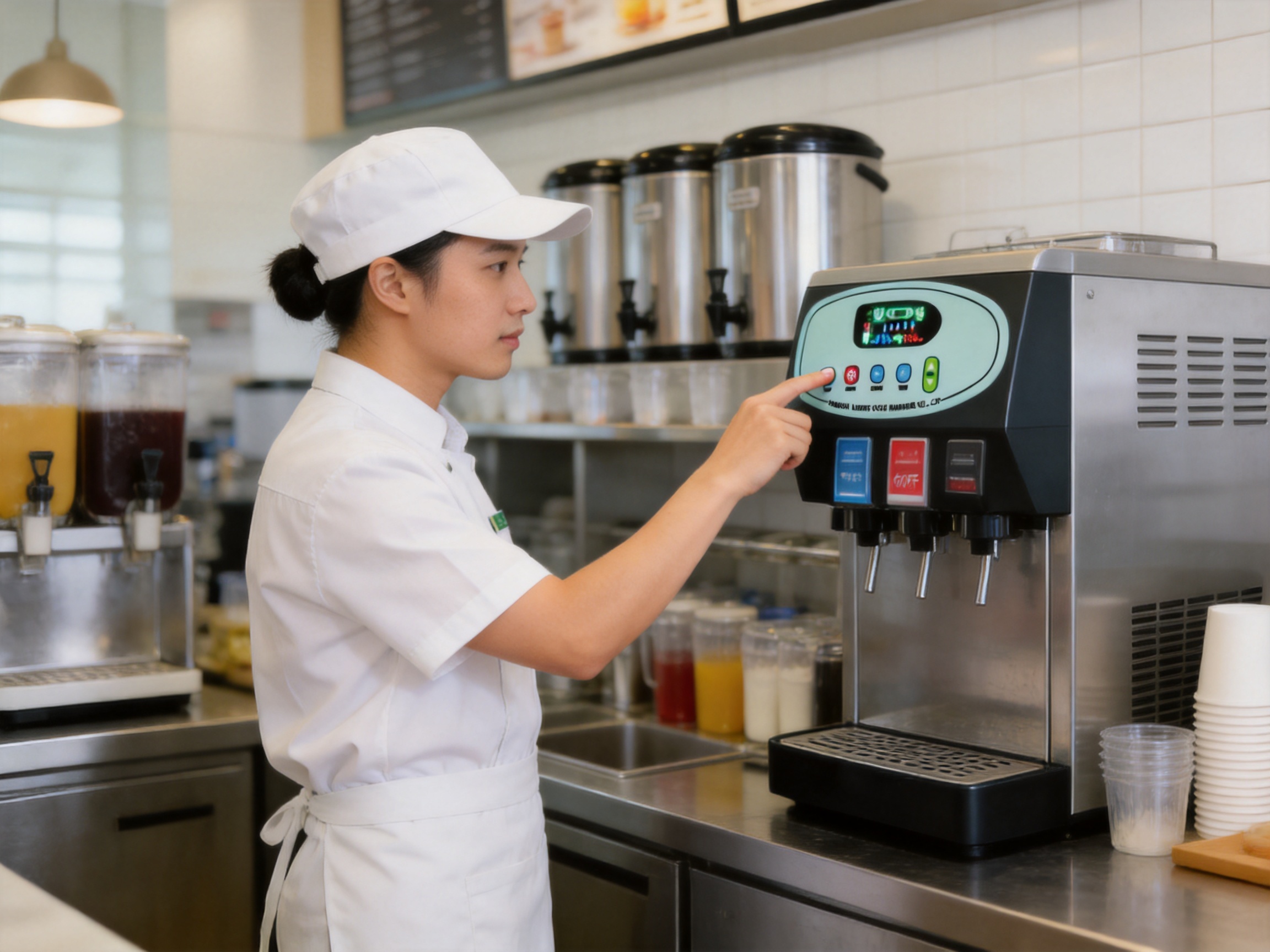
Snack shops and dessert counters often depend on fast and consistent preparation. Ice cream machines and cold drink appliances may be used continuously during peak periods. An accessible control panel helps employees start the equipment, select the correct mode, and monitor its operation without interrupting customer service.
These businesses may also have limited back-of-house space. The operator may need to work close to the appliance while serving customers. A compact and clearly organized interface can therefore be especially useful because the user does not need to move away from the equipment to access a separate controller.
Fast-Food Restaurants
Fast-food restaurants typically emphasize speed, repeatability, and easy staff training. A button control panel supports these priorities by providing direct access to common functions. When several employees share responsibility for an appliance, a familiar operating sequence can help maintain consistent procedures across different shifts.
The display can also assist supervisors in checking whether the equipment is operating in the intended mode. This can be useful when the restaurant is busy and staff members have limited time for detailed equipment inspection.
Cafés and Beverage Shops
Cafés and beverage shops may offer a variety of chilled products and may adjust equipment use according to demand. An interface that supports mode selection and temperature-related adjustment can provide operational flexibility. Employees can work with the equipment according to the product schedule while maintaining a clear view of the selected settings.
Because cafés often place equipment in customer-facing areas, appearance and ease of use can both matter. A well-integrated control panel contributes to a professional equipment presentation while remaining practical for employees.
Bars and Entertainment Venues
Bars and entertainment venues may operate late hours and experience sudden changes in demand. Equipment controls need to remain easy to understand in a fast-moving environment. A visible display and direct buttons can help staff operate cold drink equipment quickly, even when several service tasks are taking place at once.
Supermarkets and Institutional Foodservice
Supermarkets, schools, hospitals, corporate dining facilities, and other institutions may require dependable equipment operation over extended periods. In these settings, clear control procedures can support staff handover between shifts and help maintenance personnel identify the condition of the appliance.
The replacement-panel approach can also assist organizations that manage multiple units. Standardized or compatible components may simplify inventory planning, although the exact compatibility of each panel must be verified before procurement.
Manufacturing Strength Behind the Component
The performance of a control panel is influenced not only by its visible buttons and display but also by the manufacturing system behind it. A reliable supplier must coordinate design, component selection, assembly, inspection, product integration, and after-sales support. Spelor Electrical Appliances (Zhejiang) Co., Ltd. operates as a manufacturer integrating design, research and development, manufacturing, sales, and service.
The company was formerly known as Zhejiang Spelor Refrigeration Equipment Co., Ltd. Its manufacturing experience is centered on commercial refrigeration, kitchen equipment, and buffet equipment. This broader product background is relevant because a control panel for a cold drink appliance must be understood as part of a complete foodservice machine rather than as an isolated electrical accessory.
Large-Scale Production Facilities
The company has more than 60,000 square meters of modern production facilities. A facility of this scale can support coordinated production activities, organized material handling, product assembly, quality inspection, and equipment development. It also provides a foundation for serving customers who require repeat orders, multiple product categories, or customized equipment solutions.
Large-scale manufacturing does not automatically guarantee product quality, but it can create the infrastructure needed for systematic production management. When design, assembly, inspection, and service functions are coordinated, the supplier can respond more efficiently to technical requirements and customer feedback.
Integrated Design and Research Capability
Commercial equipment interfaces must be considered together with the machines they control. An integrated manufacturer can evaluate how a panel relates to the appliance’s electrical system, user workflow, operating modes, and service requirements. This broader perspective can help avoid the limitations of sourcing a generic control component without understanding the equipment application.
Research and development capability is also important for OEM and ODM projects. Customers may have specific drawings, electrical requirements, button arrangements, display preferences, dimensions, or branding needs. A manufacturer with in-house design and development experience can review these requirements and help transform them into a practical product solution.
Experience Across Related Product Categories
The company’s product range includes ice cream machines, juice dispensers, fried ice cream machines, refrigeration cabinets, slush machines, flake ice machines, cooking equipment, griddles, fryers, insulation products, barbecue equipment, and buffet solutions. This category experience provides useful knowledge of the operating environments in which foodservice control systems are used.
For customers purchasing cold drink equipment and spare parts, a supplier with a broad portfolio can provide more coordinated support. The same manufacturer may be able to discuss the main appliance, optional components, replacement parts, and future equipment requirements within one commercial relationship.
Manufacturing with a User-Oriented Philosophy
The company describes its operating philosophy as user-oriented and quality-driven. For a control panel, this means focusing on practical usability, clear operation, dependable integration, and service support. The user is not only the person purchasing the component. The user is also the employee who presses the buttons, the technician who installs the replacement, and the business owner who depends on the appliance for daily revenue.
A user-oriented approach encourages attention to details such as button recognition, display readability, installation compatibility, operating instructions, and access to technical assistance. These details can have a meaningful effect on the total ownership experience even when the control panel is a relatively small part of the complete appliance.
Production and Quality Considerations
Design Review
A responsible production process begins with design review. The supplier should evaluate the panel dimensions, button arrangement, display position, wiring interface, mounting method, and intended appliance model. The purpose is to ensure that the component is suitable for the machine and that the operator can use it as intended.
For customized projects, design review may include customer drawings, samples, interface requirements, and expected operating conditions. Questions about control functions, display information, environmental conditions, and service access should be discussed before production begins.
Material and Component Coordination
The panel includes multiple elements that must work together, including the front interface, buttons, display area, internal electrical components, wiring connections, and mounting structure. Proper coordination is necessary to support reliable operation. The supplier’s manufacturing team must manage these elements according to the product design and equipment application.
Material selection should consider the commercial environment. Foodservice equipment may be exposed to frequent handling, cleaning activities, moisture, temperature changes, and long operating hours. The panel design should be used and maintained according to the appliance instructions, while production should aim for a practical balance of durability, usability, and cost.
Assembly Control
Assembly quality can influence button response, display alignment, wiring security, and overall panel fit. Organized production procedures help ensure that each component is installed in the correct position and that the completed panel corresponds with the approved design.
For repeat orders, consistent assembly is especially important. Customers operating several machines generally expect the same control behavior and physical arrangement across equivalent units. Manufacturing discipline helps support this consistency.
Functional Inspection
Functional inspection should verify that the buttons and display operate according to the intended design. Depending on the product configuration, inspection may include power-related functions, mode selection, display response, temperature-setting input, and connection checks.
The inspection process should be related to the appliance for which the panel is intended. A panel that appears visually correct may still be unsuitable if its electrical interface or control logic does not match the target machine. This is why compatibility confirmation and appropriate testing are essential.
Packaging and Logistics
Control panels are precision components that require suitable packaging during storage and transportation. Protective packaging can help reduce the risk of impact, pressure, moisture exposure, or connector damage. A professional supplier should coordinate packaging with the product structure and shipping method.
Spelor provides flexible logistics and payment solutions as part of its broader customer service. These capabilities can be important for international buyers that need coordinated shipment of equipment, spare parts, and optional components.
OEM and ODM Opportunities
The control panel can also serve as a starting point for OEM and ODM cooperation. Foodservice equipment distributors, appliance brands, project contractors, and commercial kitchen integrators may require a panel that follows a particular machine design or project specification.
OEM cooperation may involve producing a panel according to customer drawings, approved samples, or established technical requirements. ODM cooperation may involve developing or adapting the interface with support from the manufacturer’s design and engineering teams. Potential areas of discussion can include button layout, display arrangement, panel dimensions, mounting details, operating symbols, electrical connections, and integration with a specific appliance.
Customization should be approached systematically. The buyer should provide as much technical information as possible, including the appliance model, existing panel photographs, wiring details where available, dimensional drawings, expected annual quantity, operating environment, and required functions. The manufacturer can then assess feasibility, confirm the development process, and clarify production requirements.
OEM and ODM projects can provide advantages beyond visual customization. A properly developed panel may improve the appliance’s operating workflow, support a distributor’s product differentiation, or make the equipment easier for a particular market to use. However, any modified design should be evaluated and approved before mass production.
Installation and Compatibility Guidance
Because this product is not sold separately, buyers should identify the associated appliance before ordering. The most important information may include the equipment model, production version, voltage and frequency, panel dimensions, connector type, button arrangement, and display configuration. Photographs of the existing panel can also help the supplier assess compatibility.
Installation should be performed by a qualified technician or by personnel familiar with the appliance. Before replacing a control panel, the equipment should be disconnected from the power supply according to applicable safety procedures. The technician should follow the appliance service manual and avoid modifying wiring unless the manufacturer has provided clear instructions.
After installation, the technician should check the panel’s physical fit and confirm that all functions respond correctly. Testing may include power operation, mode selection, display visibility, temperature-related settings, and any other functions supported by the appliance. If the display shows an unexpected condition or a button does not respond, the machine should be inspected rather than operated through repeated forced inputs.
Compatibility is more than physical fit. A panel may have the same dimensions as another model while using different electrical connections or control logic. Buyers should therefore avoid selecting a replacement based only on appearance. Confirmation from the supplier or an authorized technical contact is recommended.
Operation and Maintenance Practices
Routine Cleaning
The control panel should be cleaned according to the appliance manufacturer’s instructions. Operators should use suitable cleaning materials and avoid allowing liquid to enter the buttons, display openings, seams, or electrical connections. Excessive moisture can damage electrical components and may create a safety risk.
Cleaning should be integrated into the normal equipment sanitation routine. However, the panel should not be treated as a substitute for cleaning the product-contact areas, dispensing parts, mixing components, or refrigeration surfaces of the complete appliance.
Careful Button Use
Buttons should be pressed normally and should not be struck with sharp objects or excessive force. Operators should avoid placing heavy items against the panel or using it as a support surface. Simple handling practices can reduce unnecessary wear and help preserve the response of the interface.
Monitoring Display Behavior
Changes in display behavior may provide an early indication that the appliance needs attention. Flickering, missing characters, irregular readings, or delayed response should be reported for technical evaluation. Similarly, a button that requires repeated pressing may indicate wear, contamination, connection problems, or a wider control-system issue.
Early reporting can help prevent minor interface problems from becoming a larger operational interruption. Businesses may benefit from maintaining a service record that notes the date, operating condition, observed issue, and action taken.
Preventive Maintenance
The control panel is one part of a complete commercial appliance. Preventive maintenance should also cover refrigeration components, fans, condensers, motors, seals, dispensing systems, mixing systems, and other elements identified in the equipment manual. Keeping the complete machine in good condition can reduce stress on individual components and support stable performance.
Professional maintenance is particularly important when the appliance operates for long periods, serves large numbers of customers, or works in a hot and humid environment. The recommended maintenance interval should be determined by the equipment manufacturer and actual usage conditions.
Benefits for Equipment Owners and Distributors
For equipment owners, a compatible intelligent control panel can support better operational continuity. If the original interface is damaged or no longer functions correctly, a suitable replacement may help return the appliance to service without replacing unaffected systems. This can be a practical option for businesses seeking to manage capital expenditure carefully.
For distributors, optional components and spare parts can strengthen after-sales support. Customers often evaluate a commercial equipment supplier not only by the initial machine price but also by the availability of technical assistance and replacement components. A supplier able to provide related equipment and support may help distributors build longer-term customer relationships.
For project contractors and commercial kitchen planners, the panel can be considered as part of a complete equipment solution. Its compatibility with cold drink appliances, ice cream equipment, and related foodservice systems can support more coordinated procurement. This may simplify communication among the buyer, manufacturer, installer, and end user.
For international customers, one-stop service can be valuable. Spelor offers pre-sales consultation, product customization, logistics and payment solutions, and after-sales maintenance support. These services help customers address product selection, project requirements, delivery arrangements, and future service needs through a more unified process.
How to Select the Right Control Panel
The correct selection process should begin with the appliance rather than the panel alone. Buyers should identify the machine model and confirm whether the requested panel is the original component, an approved replacement, or a customized version. This information allows the supplier to evaluate the correct specifications.
| Selection Question | Why It Matters |
|---|---|
| What is the appliance model? | Different models may use different control systems and panel layouts. |
| Is the panel a replacement or a new project design? | Replacement and OEM/ODM projects may require different documentation and approval steps. |
| What are the voltage and frequency requirements? | Electrical compatibility is necessary for safe and correct operation. |
| What functions are required? | Power, mode, temperature-related settings, and display functions must correspond with the appliance. |
| Are drawings or photographs available? | Visual and dimensional information can help confirm fit and interface arrangement. |
| What quantity is required? | Quantity affects production planning, packaging, and possible customization arrangements. |
| What is the operating environment? | Usage conditions may influence material, protection, cleaning, and service considerations. |
Buyers should also discuss lead times, packaging, documentation, warranty conditions, installation requirements, and after-sales support. These issues are particularly important for international procurement and for businesses that depend on equipment availability.
Why Work with an Integrated Foodservice Equipment Manufacturer?
An integrated manufacturer can view the control panel within the wider context of commercial foodservice equipment. This can improve communication when a customer is purchasing a complete appliance, requesting a replacement part, or developing a customized product. Instead of discussing the interface independently from the machine, the customer can address the relationship between operation, construction, manufacturing, and service.
Spelor’s portfolio covers refrigeration equipment, cold beverage machines, cooking equipment, insulation products, barbecue equipment, and buffet solutions. This range reflects an understanding of different foodservice applications, including snack shops, fast-food chains, bars, supermarkets, institutions, and other commercial environments.
The company’s integrated structure combines design, research and development, manufacturing, sales, and service. This arrangement can support a more complete project process, from early consultation through production and after-sales maintenance. Customers looking for OEM or ODM cooperation can also benefit from discussing product requirements with a supplier that has experience across multiple foodservice categories.
A manufacturing partner should provide more than a product catalogue. It should help clarify technical requirements, identify compatibility issues, coordinate production, and respond when service questions arise. This type of cooperation can reduce procurement risk and support long-term equipment value.
Commercial Value of a Practical Interface
The commercial value of a control panel may not be measured only by its purchase price. A clear interface can influence training time, operating consistency, service response, and equipment availability. When employees understand the controls, they may complete routine tasks more efficiently and make fewer avoidable errors.
In a high-volume business, small delays can accumulate. If an employee must repeatedly check an unclear interface, ask a supervisor for assistance, or correct an incorrect setting, the impact can extend beyond the machine itself. A practical control panel helps create a smoother workflow by making common actions visible and direct.
For equipment maintenance, a replacement panel can represent a targeted repair strategy. Rather than removing an entire appliance from service because of a damaged interface, the owner may be able to replace the relevant component, subject to technical evaluation. This supports more responsible use of equipment resources and may reduce disruption to business operations.
Limitations and Responsible Use
The panel should be used only with compatible commercial cold drink appliances. It should not be treated as a universal control device or installed on equipment without confirming the electrical and mechanical requirements. The actual functions available may vary according to the appliance model and control-system design.
The control panel does not replace professional maintenance or safe operating practices. It cannot correct problems caused by insufficient cleaning, poor ventilation, refrigerant-system faults, overloaded equipment, incorrect ingredient handling, or damaged internal components. If a machine behaves abnormally, the entire appliance should be inspected by qualified personnel.
Product information such as button functions, display behavior, dimensions, and electrical details should be confirmed with the supplier before purchase. OEM and ODM specifications should be approved through drawings, samples, or other agreed documentation before mass production.
Frequently Asked Questions
What is this product used for?
It is an intelligent button control panel used to operate and monitor compatible commercial cold drink appliances. Typical functions may include power control, mode selection, temperature-related adjustment, and status display.
Can the control panel be used with any ice cream machine?
No. Compatibility depends on the appliance model, electrical interface, control logic, dimensions, and button configuration. Buyers should provide the machine information and confirm suitability before ordering.
Is the product sold separately?
No. The product is listed as an optional component or spare part and is not sold separately. It must be associated with a compatible commercial appliance or an approved equipment project.
Does the panel include a display?
The design includes a display screen intended to show current status and settings. The exact information shown depends on the connected appliance and its control-system configuration.
What functions can the buttons provide?
Depending on the compatible appliance, the buttons may support power on and off, operating-mode selection, temperature-related adjustment, and other equipment-specific functions. The final function list should be confirmed for the target model.
Is a physical button interface suitable for busy restaurants?
Yes. Physical buttons provide direct operation and can be easy for employees to identify during busy service periods. The display also provides visual feedback that may support faster and more consistent operation.
Can the panel be customized?
OEM and ODM cooperation may be available based on customer drawings or requirements. Possible discussion areas include dimensions, button arrangement, display layout, electrical interface, operating symbols, and integration with a particular appliance.
What information should be supplied when requesting a replacement?
Useful information includes the appliance model, panel photographs, dimensions, voltage and frequency, connector details, existing button arrangement, and a description of the issue. The more complete the information, the easier it is to evaluate compatibility.
Who should install the control panel?
Installation should be performed by a qualified technician or trained service professional familiar with the appliance. The equipment should be disconnected safely, and the service manual and supplier instructions should be followed.
How should the panel be cleaned?
It should be cleaned according to the appliance instructions with suitable materials. Operators should prevent liquid from entering the buttons, display openings, seams, and electrical connections.
What industries can use equipment supported by this type of panel?
Potential applications include snack shops, dessert counters, fast-food restaurants, cafés, beverage shops, bars, supermarkets, schools, hospitals, corporate dining facilities, and other institutional or commercial foodservice operations.
What manufacturing capabilities support this product?
The manufacturer integrates design, research and development, production, sales, and service. It operates more than 60,000 square meters of modern production facilities and has experience in commercial refrigeration, kitchen, and buffet equipment.
Can the supplier provide complete equipment solutions?
The company’s product range includes ice cream machines, juice dispensers, fried ice cream machines, refrigeration cabinets, slush machines, flake ice machines, cooking equipment, griddles, fryers, insulation products, barbecue equipment, and buffet solutions. Customers can discuss complete equipment and spare-part requirements with the supplier.
Why is compatibility more important than appearance?
Two panels may look similar while using different wiring, control signals, button assignments, or display systems. A panel must match the appliance’s complete control architecture, not just its external dimensions.
Conclusion
The intelligent button control panel is a practical interface for compatible commercial cold drink appliances. By combining direct physical buttons with display feedback, it supports essential functions such as power control, mode selection, temperature-related adjustment, and status viewing. Its design can help improve operator convenience, staff training, daily consistency, and equipment serviceability.
Compared with generic or poorly matched alternatives, a purpose-compatible panel offers stronger functional integration and a more reliable path for replacement or equipment customization. It can be especially valuable in foodservice environments where equipment must remain understandable and available throughout long operating periods.
The component is supported by a manufacturer with integrated design, research and development, production, sales, and service capabilities. With more than 60,000 square meters of modern production facilities and a broad portfolio of commercial refrigeration, kitchen, and buffet equipment, the company is positioned to support both standard equipment requirements and OEM or ODM projects.
Because the panel is not sold separately, correct appliance matching remains essential. Buyers should confirm the model, electrical requirements, dimensions, functions, and installation conditions before ordering. When properly matched and professionally installed, this control panel can contribute to smoother operation and longer practical value for commercial cold drink equipment.
References
1. Commercial Refrigeration Equipment: Operating Principles and Maintenance Practices, industry training reference.
2. Foodservice Equipment Planning and Workplace Ergonomics, professional kitchen design reference.
3. Human-Machine Interface Design for Commercial Appliances, equipment usability reference.
4. Preventive Maintenance Guidelines for Refrigeration and Beverage Equipment, service management reference.
5. OEM and ODM Manufacturing Processes for Foodservice Equipment, industrial production reference.
6. Commercial Kitchen Safety and Electrical Service Procedures, technical safety reference.
Product: Cold Drink Appliance Intelligent Button Control Panel(Not sold separately)

For exclusive deals and latest offers, sign up by entering your email address below.


-
spelor@spelor.com
-
+86-576-85229688
-
No.528, Changxi Road, Linhai City, Zhejiang Province, China
Commercial Refrigeration Equipment Manufacturer China
Copyright © 2025 by Spelor Electrical Appliances (Zhejiang) Co., Ltd. Rights Reserved.
