


 中文简体
40kg/24H Countertop Ice Maker for Business and Commercial Use
Admin 2026-09-04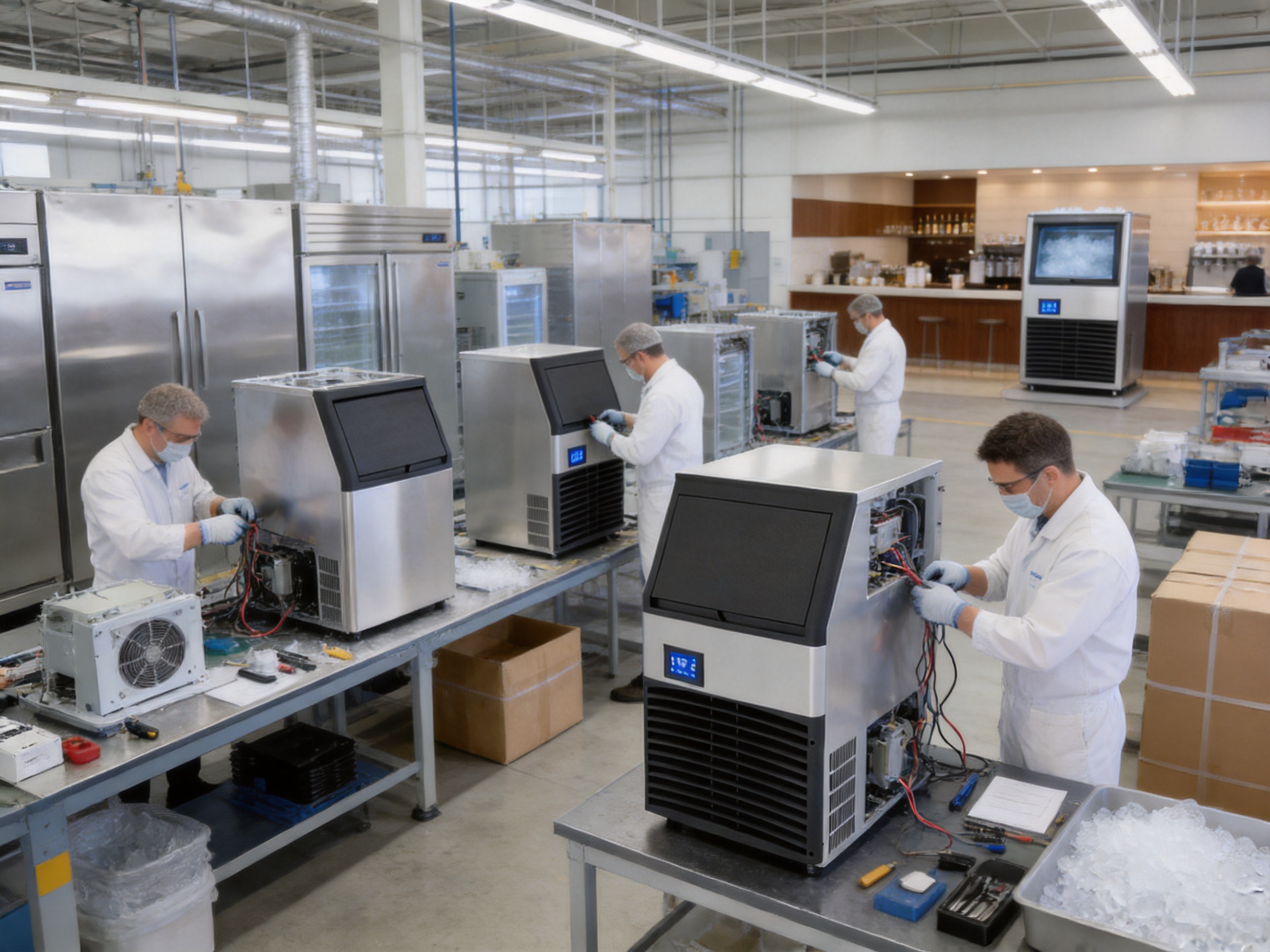
Reliable ice production is essential for many foodservice businesses. Cafes, convenience stores, small restaurants, bars, beverage counters, snack shops, and institutional kitchens all depend on a steady supply of clean ice during daily operations. When ice production is too slow, storage capacity is too limited, or the machine occupies excessive floor space, staff efficiency and customer service can suffer. A commercial ice maker must therefore combine dependable output, practical storage, efficient operation, hygienic construction, and a footprint suitable for the working environment.
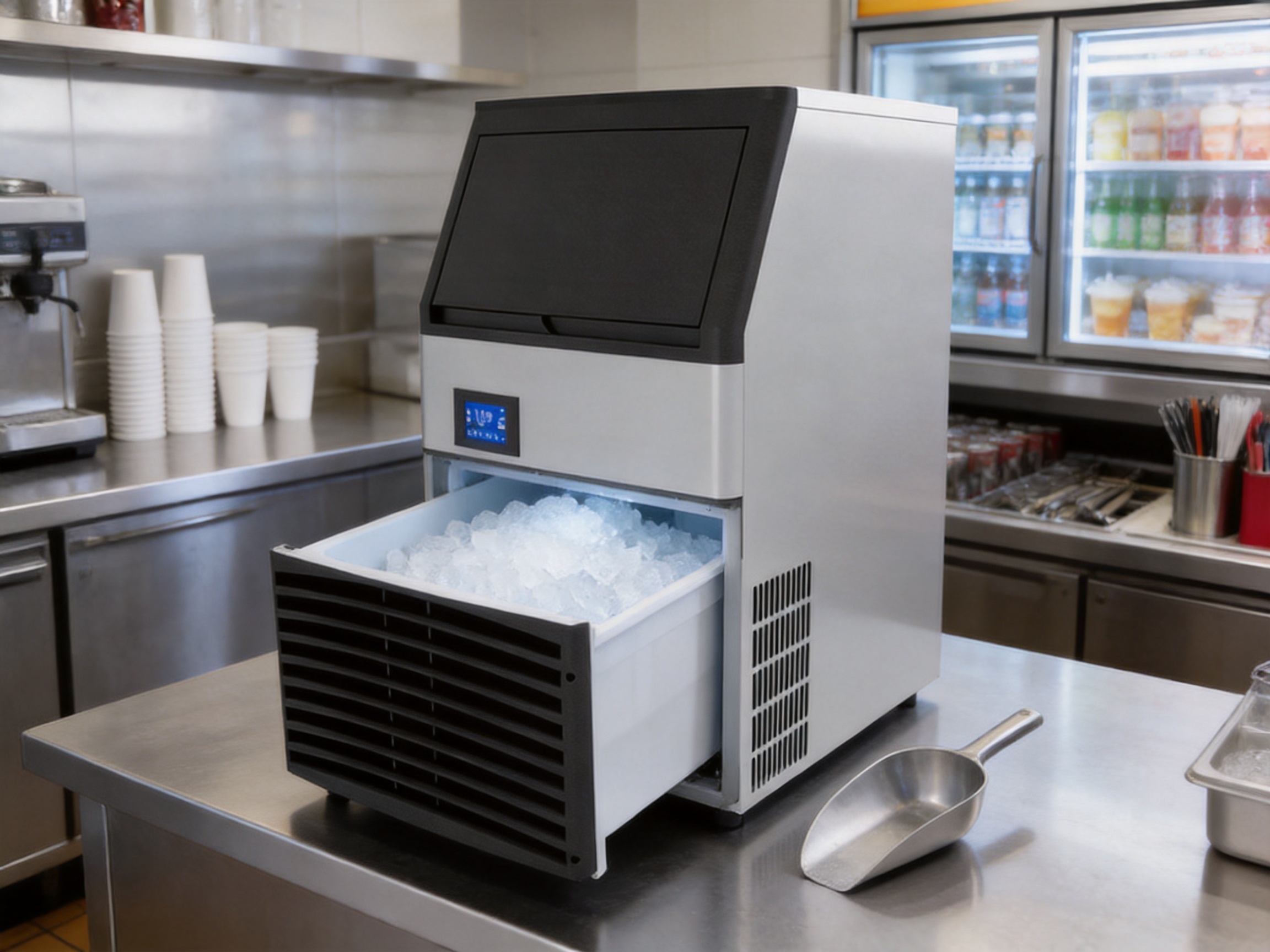
The ZB-80B 40kg/24H Countertop Ice Maker is designed to meet these requirements. It provides a maximum daily ice production capacity of 40kg, includes a 25kg storage bin, uses air cooling, and operates with R290 refrigerant. Its stainless-steel and sprayed-steel construction supports a clean professional appearance while helping the machine withstand the demands of commercial use. With a rated power consumption of 400W and overall dimensions of 500 x 432 x 810mm, it offers a practical balance between output, capacity, and space efficiency.
This article examines the machine in detail, including its operating value, construction, manufacturing strengths, commercial applications, maintenance considerations, and advantages over many conventional alternatives. It also explains how a professional foodservice equipment manufacturer can support OEM, ODM, and customized procurement requirements for international customers.
Meeting the Daily Ice Requirements of Small and Medium-Sized Businesses
Ice demand varies greatly from one business to another. A large hotel or high-volume beverage factory may require a specialized industrial ice plant, while a neighborhood cafe or convenience store often needs a smaller machine that can produce ice continuously without occupying an entire preparation area. The challenge is to select equipment that provides enough ice for normal peak periods without creating unnecessary investment, energy, or space costs.
The ZB-80B is positioned for small and medium-volume commercial applications. Its maximum daily production of 40kg provides a substantial amount of ice for beverage service, food presentation, cold storage support, and routine customer demand. The 25kg storage bin allows the machine to continue making ice while retaining a ready supply for immediate use.
A 40kg daily capacity does not mean that every business will consume exactly 40kg each day. Actual output can vary according to ambient temperature, water temperature, ventilation, operating schedule, and installation conditions. Nevertheless, the stated capacity gives buyers a useful reference point when comparing the machine with smaller countertop units intended mainly for household or light-duty use.
For many commercial operators, the key advantage is not only the maximum output but also the ability to produce ice repeatedly throughout the day. A business can start production before opening, replenish the storage bin during service, and maintain a reserve for busy periods. This reduces dependence on purchased bagged ice and helps staff keep ice available at the point of service.
Balanced Production and Storage Capacity
The relationship between production capacity and storage capacity is particularly important. A machine that produces ice quickly but has only a very small bin may require frequent manual transfer. Conversely, a large storage bin paired with low production may not recover quickly after a busy service period. The ZB-80B combines a maximum daily production of 40kg with a storage capacity of 25kg, creating a practical balance for businesses that need regular ice availability rather than occasional production.
The storage bin can support more organized workflow management. Staff can collect ice when the bin reaches a suitable level, keep service containers replenished, and avoid interrupting customer-facing operations to purchase additional ice. For a cafe or convenience store, this may simplify opening and closing routines. For a small restaurant, it can help support table service, cold drinks, seafood presentation, and other daily requirements.
Suitable for Continuous Daily Operation
Commercial ice equipment is expected to perform repeatedly rather than only for short periods. The ZB-80B is intended for daily business use, offering a compact solution for operations that need regular ice production. Its automatic cleaning function also supports routine hygiene management and reduces the complexity of standard maintenance procedures.
Automatic cleaning does not eliminate the need for responsible sanitation. Operators should still follow the recommended cleaning schedule, use suitable food-equipment cleaning products, maintain the water system properly, and keep the surrounding area clean. However, an automatic cleaning program can make the process easier to organize and encourage more consistent maintenance by reducing the amount of manual intervention required.

40Kg/24H Countertop Ice Maker for Business Commercial
Product Specifications at a Glance
The following specifications summarize the main performance and design characteristics of the 40kg/24H Countertop Ice Maker.
| Item | Specification |
|---|---|
| Model | ZB-80B |
| Product type | Commercial countertop ice maker |
| Maximum daily production | 40kg per 24 hours |
| Storage bin capacity | 25kg |
| Rated power | 400W |
| Condensation method | Air cooling |
| Refrigerant | R290 |
| Overall dimensions | 500 x 432 x 810mm |
| Construction | Food-grade stainless steel and sprayed steel |
| Cleaning function | Automatic cleaning function |
| Recommended applications | Cafes, convenience stores, small restaurants, beverage counters, bars, and other foodservice locations |
These specifications show why the machine is suitable for businesses that need more capacity than a domestic ice maker but do not require a large floor-standing production system. Its power rating, output, bin size, cooling method, and dimensions are all aligned with compact commercial operation.
Compact Design for Efficient Use of Commercial Space
Floor space is often one of the most valuable resources in a commercial kitchen or beverage service area. A restaurant may need to fit refrigeration, preparation tables, sinks, cooking equipment, shelving, and service equipment into a limited room. A cafe may have only a narrow back counter or preparation zone. A convenience store may need to keep equipment close to the beverage station while preserving customer circulation space.
With dimensions of 500 x 432 x 810mm, the ZB-80B is designed to use space efficiently. Its relatively compact footprint makes it easier to plan into a commercial layout than larger floor-standing machines. The countertop-oriented structure can be useful where vertical space is available but floor space is limited, provided that the supporting surface is stable, level, strong enough for the machine, and suitable for ventilation requirements.
Compact dimensions can also improve workflow. When the ice maker is installed near the beverage preparation area, staff can reduce unnecessary movement between the machine and the service counter. Shorter walking distances may support faster drink preparation, easier replenishment, and better organization during peak hours.
Countertop Installation Advantages
A countertop format can offer several benefits compared with a large standalone unit. First, the machine can be positioned at a convenient working height when installed on an appropriate base. Second, the space below the unit may remain available for storage or other equipment, depending on the installation plan. Third, the machine can be integrated into a beverage station without requiring a separate equipment room.
However, countertop installation should always be planned carefully. The surface must be level and capable of supporting the machine when the storage bin is full. Adequate clearance should be left around ventilation areas. The machine should not be placed beside equipment that produces excessive heat, and the air inlet and outlet should not be blocked by walls, boxes, or other appliances.
Practical Footprint Compared with Larger Alternatives
Large ice production systems can provide greater capacity, but they also require more installation space, higher logistical planning, and potentially more complicated service arrangements. For a small business, purchasing an oversized machine may create unnecessary capital expense and leave valuable floor area unused.
The ZB-80B offers a more proportional solution. Its 40kg daily output is appropriate for businesses that require a dependable supply but do not want to invest in a high-capacity industrial system. This balance is one of its main competitive advantages: it provides commercial-level functionality in a form intended for space-conscious operators.
Food-Grade Construction and Professional Appearance
Hygiene and durability are central considerations when equipment comes into regular contact with water and ice used for food and beverages. The ZB-80B uses a food-grade stainless-steel plate body together with colorful sprayed steel. This construction gives the machine an attractive appearance while supporting the sanitation expectations of commercial foodservice environments.
Stainless steel is widely used in professional kitchens because it is comparatively easy to wipe clean, resistant to routine moisture exposure, and visually consistent with other commercial equipment. A smooth, well-maintained exterior can help reduce the accumulation of dirt and simplify daily inspection. The material also gives the machine a professional appearance suitable for visible placement near a beverage counter or service area.
The sprayed-steel components contribute to the product’s visual design and can allow color coordination with different commercial environments. Appearance is not simply a cosmetic concern. In cafes, dessert shops, and open beverage stations, customers may see the equipment directly. A clean, modern machine can support the overall impression of organization and professionalism.
Designed for Foodservice Hygiene
Ice is a food product, even when it is used only in drinks. Water quality, internal cleanliness, operator hygiene, and storage conditions all influence the final result. The machine’s food-grade exterior materials and automatic cleaning function provide a foundation for hygienic operation, while the operator remains responsible for using clean water and following suitable sanitation procedures.
Businesses should establish a simple cleaning routine that includes checking the storage bin, wiping exterior surfaces, inspecting the water supply, and performing the automatic cleaning program according to the operating instructions. Ice scoops and storage containers should also be cleaned regularly and stored in a hygienic location.
R290 Refrigerant and Air-Cooling Configuration
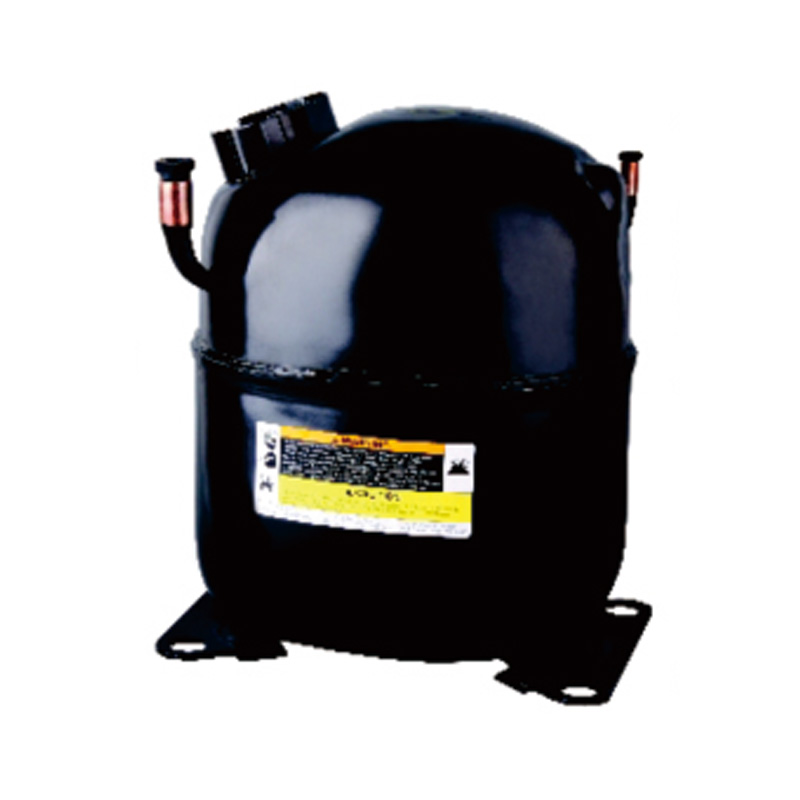
The ZB-80B uses R290 refrigerant and an air-cooling condensation method. These specifications are important because the refrigeration system influences operating design, installation requirements, environmental considerations, and maintenance planning.
R290 is a natural refrigerant commonly used in modern refrigeration equipment. It has a low global warming potential compared with many older refrigerant options. Its use reflects the broader movement toward more environmentally responsible refrigeration technologies. Businesses seeking to update their equipment may consider R290 an important purchasing factor, particularly when sustainability and modern refrigerant standards are included in their procurement policies.
Because R290 is classified as a flammable refrigerant, installation, servicing, transportation, and repair must be handled according to applicable local regulations and the manufacturer’s technical instructions. Only qualified personnel should work on the refrigeration circuit. Operators should not attempt to open, recharge, or modify the sealed system without appropriate training and authorization.
Benefits of Air Cooling
Air cooling can simplify installation because it does not require a separate water-cooling circuit for condenser heat removal. This may reduce water consumption and avoid the need for additional condenser-water connections. For small foodservice locations, a properly designed air-cooled machine can be easier to install and operate.
Air-cooled performance depends on the surrounding environment. The machine must have sufficient ventilation, and the condenser area should be kept free of dust and grease. If the surrounding air is excessively hot or the ventilation path is blocked, production performance may decline. A responsible installation plan is therefore essential to obtain the expected output.
Compared with water-cooled alternatives, air cooling may be particularly attractive for businesses that want to limit water usage or avoid additional plumbing. Compared with basic consumer ice makers, the ZB-80B combines air cooling with a significantly larger commercial production and storage capacity.
Efficient 400W Power Rating
The machine has a rated power consumption of 400W. Power consumption is only one part of the total operating cost, since real energy use depends on operating hours, ambient conditions, water temperature, cleaning cycles, and refrigeration load. Even so, the rated figure gives buyers a useful basis for electrical planning and product comparison.
A 400W rating is suitable for many commercial environments where electrical capacity is limited or where several appliances share the same service area. Before installation, buyers should confirm local voltage, frequency, plug type, circuit protection, and electrical requirements with the supplier or a qualified technician. The available product information specifies the power rating but does not provide every regional electrical configuration, so these details should be confirmed during the purchasing process.
Efficient operation also depends on good working practices. Keeping the condenser area clean, installing the unit away from direct heat, using suitable water, avoiding unnecessary door or bin opening, and maintaining proper ventilation can all support stable performance. The machine should not be forced to operate in conditions outside its intended application range.
Power and Output Balance
Commercial buyers often compare machines by looking at production output in relation to rated power. The ZB-80B is designed to deliver up to 40kg of ice per day while using a rated 400W input. This creates a practical output-to-power relationship for compact commercial service, particularly where the business needs steady daily production rather than occasional batches.
Actual results should be evaluated according to site conditions. Maximum production ratings are generally measured under defined test conditions. A hot kitchen, warm water supply, poor ventilation, or frequent shutdowns may result in lower daily output. For this reason, buyers should evaluate their expected demand with a reasonable operating margin instead of planning around the maximum figure alone.
Automatic Cleaning and Easier Daily Operation
Ease of use directly affects staff adoption and maintenance consistency. If an ice maker requires complicated procedures, cleaning may be delayed or performed incorrectly during busy periods. The ZB-80B includes an automatic cleaning function that helps simplify the sanitation process and makes regular maintenance easier to organize.
An automatic cleaning cycle can reduce the number of manual steps required by the operator. It may help flush internal water pathways and support routine cleaning, depending on the specific program and operating instructions. The function should be treated as part of a complete hygiene plan rather than as a substitute for manual inspection.
The machine is described as easy to operate, making it suitable for businesses where different employees may be responsible for opening, closing, and equipment care. Clear operating procedures should still be provided to staff. These procedures can include checking water supply, monitoring the storage bin, recognizing alarm or fault conditions, removing ice hygienically, and initiating the cleaning cycle.
Operational Simplicity for Busy Staff
In a fast-moving foodservice environment, staff need equipment that does not distract them from customer service. A commercial ice maker should be straightforward to start, monitor, clean, and maintain. The ZB-80B’s compact design and automatic cleaning capability help reduce operational complexity while providing the output required for routine service.
Simple operation can also reduce training time. New employees can learn the basic production and cleaning procedures more easily when the machine has a clear functional design. This is particularly valuable for convenience stores, seasonal businesses, and foodservice locations with changing staff schedules.
Applications Across Foodservice and Retail Environments
The ZB-80B is suitable for a variety of commercial applications. Its output and storage capacity make it especially appropriate for locations with regular but moderate ice demand.
Cafes and Coffee Shops
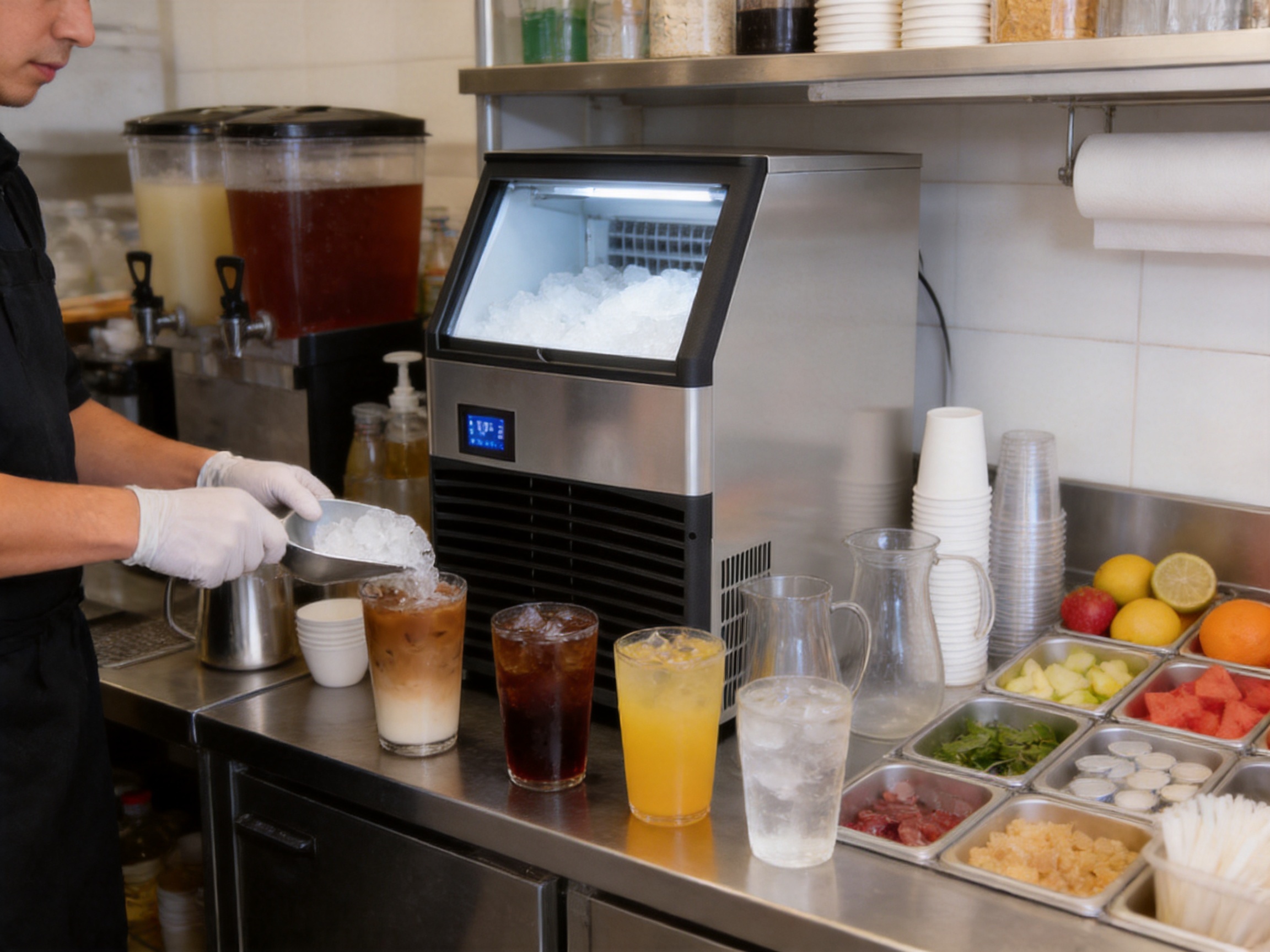
Cafes use ice for iced coffee, cold tea, blended beverages, fruit drinks, and seasonal menus. Demand often rises during warm weather, lunch periods, and afternoon service. Positioning the ice maker near the beverage preparation station can help baristas work more efficiently and reduce the need to purchase and transport packaged ice.
The machine’s professional exterior is also suitable for cafes where equipment may be visible to customers. Regular cleaning and good installation practices can help the unit remain attractive and hygienic over long-term use.
Convenience Stores
Convenience stores frequently sell chilled drinks, fountain beverages, iced coffee, smoothies, and take-away refreshments. A compact ice maker can support beverage operations without taking up excessive retail or storage space. The 25kg storage bin provides a useful reserve for busy periods, while the 40kg maximum daily production supports ongoing replenishment.
Because convenience stores may operate for extended hours, dependable daily operation and straightforward cleaning are important. Staff can incorporate ice production checks into regular store-opening, mid-shift, and closing procedures.
Small Restaurants
Restaurants use ice for drinks, table service, food displays, ingredient cooling, and special menu items. A 40kg/day machine may be appropriate for smaller restaurants that do not require the capacity of a large central ice plant. It can provide a dedicated ice source close to the kitchen, bar, or service area.
Restaurant managers should estimate demand according to seating capacity, beverage sales, menu design, and peak service periods. If the restaurant serves large volumes of iced beverages or requires significant ice for food presentation, additional storage or a higher-capacity machine may be necessary.
Bars and Beverage Counters
Bars depend on a consistent ice supply for cocktails, soft drinks, mixed beverages, and bottle service. A compact commercial ice maker can be integrated into a back-bar arrangement or beverage preparation zone, subject to suitable ventilation and water connections.
Bars should pay special attention to ice-handling hygiene because the storage bin may be opened frequently. Scoops should be used instead of hands, and the bin should be inspected and cleaned on a regular schedule.
Snack Shops and Dessert Businesses
Snack shops, dessert stores, juice counters, and similar businesses often have fluctuating ice demand. Ice may be needed for fruit drinks, slush-style beverages, chilled ingredients, and display service. The ZB-80B gives these businesses a compact source of daily ice production without requiring a large equipment room.
Advantages over Typical Consumer and Oversized Commercial Alternatives
When comparing commercial ice makers, buyers should examine the complete operating value rather than focusing on a single specification. The ZB-80B offers several advantages over common alternatives, although the most suitable machine will always depend on the customer’s specific demand and site conditions.
More Capacity than Household Ice Makers
Domestic ice makers are generally designed for occasional household use and limited daily output. They may be adequate for a family gathering but are often unsuitable for a business that needs repeated production throughout the day. The ZB-80B is specifically positioned for commercial use, with a maximum daily capacity of 40kg and a 25kg storage bin.
This higher capacity can help businesses reduce the frequency of manual refilling and avoid relying on consumer appliances that may wear quickly under commercial workloads. The stainless-steel construction, air-cooled refrigeration system, and commercial storage design further distinguish it from basic household equipment.
More Space-Efficient than Large Floor-Standing Machines
At the other end of the market, large floor-standing ice makers may offer much higher output than a small cafe or convenience store actually needs. Such equipment can occupy considerable space and require more complex installation. The ZB-80B provides a middle-ground solution: commercial production in a compact countertop-oriented format.
This can reduce wasted capacity and help businesses make more efficient use of their available floor plan. Buyers can select a machine that matches their actual consumption instead of paying for output that remains unused.
Environmentally Considered Refrigeration
The use of R290 refrigerant is another advantage for buyers seeking modern refrigeration technology. While refrigerant selection must always be evaluated together with safety and regulatory requirements, R290’s low global warming potential makes it an appealing option for environmentally conscious foodservice operators.
Integrated Storage for Better Workflow
A 25kg storage bin provides more operational convenience than a machine that produces ice without an integrated reserve. Staff can draw ice when needed while production continues in the background. This can help separate production from immediate service demand and reduce interruptions during busy periods.
Automatic Cleaning Support
The automatic cleaning function gives the ZB-80B an operational advantage over simpler machines that require every cleaning step to be performed manually. A structured cleaning program can support better routine maintenance, especially when several employees share responsibility for the equipment.
Manufacturing Capabilities and Quality-Oriented Production
The performance of commercial foodservice equipment depends not only on the final design but also on the manufacturing systems behind it. Spelor Electrical Appliances (Zhejiang) Co., Ltd. is a professional manufacturer integrating design, research and development, manufacturing, sales, and service. The company operates more than 60,000 square meters of modern production facilities and specializes in commercial refrigeration, kitchen, and buffet equipment.
This integrated structure can benefit customers in several ways. Product design teams can work with manufacturing departments to improve practicality and production consistency. Research and development resources can support product updates and customized requirements. Sales and service teams can communicate customer feedback back to the technical organization, helping create a more complete product-development cycle.
Experience Across Related Equipment Categories
The manufacturer’s product range includes ice cream machines, juice dispensers, fried ice cream machines, refrigeration cabinets, slush machines, flake ice machines, cooking equipment, griddles, fryers, insulation products, barbecue equipment, and buffet solutions. This broad experience is relevant to the ZB-80B because commercial ice makers are often purchased as part of a wider foodservice equipment project.
A customer opening a cafe, snack shop, fast-food restaurant, hotel buffet, or beverage chain may require several categories of equipment at the same time. A manufacturer with experience across refrigeration, beverage, cooking, and buffet equipment can provide more coordinated assistance than a supplier focused on only one isolated product type.
Modern Production Facilities
A production area exceeding 60,000 square meters provides room for organized manufacturing, assembly, testing, warehousing, and logistics operations. Facility size alone does not guarantee product quality, but it can support production planning, material management, process separation, and scalable order fulfillment when combined with suitable management systems.
For international buyers, manufacturing scale can also be important when purchasing multiple units or developing a private-label program. A supplier should be able to discuss production capacity, lead times, quality procedures, packaging, spare parts, and inspection arrangements before an order is finalized.
Design and Research Support
Commercial customers do not always require an off-the-shelf product. They may need changes to exterior color, logo placement, packaging, voltage configuration, control language, dimensions, storage arrangements, or installation details. An integrated design and research capability can make it easier to assess whether such requirements are technically and commercially feasible.
Spelor provides OEM and ODM services based on drawings or customer requirements. This allows importers, distributors, foodservice groups, and equipment brands to explore customized solutions for different markets. Any customization should be confirmed through formal technical documents, prototypes, samples, and approval procedures before mass production.
OEM and ODM Opportunities for Global Buyers
OEM and ODM cooperation can help international buyers create product programs suited to their own market positioning. A distributor may want a private-label ice maker with specific branding. A restaurant chain may require uniform equipment across several locations. A project contractor may need a machine that matches a predefined kitchen layout. A regional importer may need packaging, manuals, labels, or electrical configurations adapted for local requirements.
For the ZB-80B platform, customization discussions may cover external appearance, branding, user documentation, packaging design, accessory requirements, and market-specific compliance documentation. Technical modifications should be evaluated carefully because changes to dimensions, airflow, refrigeration components, power supply, or control systems may affect performance and certification.
Customization Based on Drawings or Requirements
Customers can begin an OEM or ODM discussion by providing drawings, target specifications, annual volume estimates, destination markets, preferred colors, logo files, packaging expectations, and required delivery schedules. Clear information at the beginning helps the manufacturer assess feasibility and provide a more accurate proposal.
Where the customer does not have a complete technical drawing, the manufacturer’s engineering team may help convert functional requirements into a product specification. Important questions can include daily ice demand, storage capacity, available installation space, operating temperature, water quality, electrical supply, user interface, and local certification needs.
Support for Different Foodservice Projects
International foodservice projects often involve more than product supply. Buyers may need assistance with product selection, layout planning, sample review, documentation, shipping arrangements, payment terms, installation guidance, and after-sales support. A supplier capable of providing one-stop service can help reduce the number of separate communication channels involved in a project.
Spelor describes its service approach as including pre-sales consultation, product customization, flexible logistics and payment solutions, and after-sales maintenance. Customers should confirm the exact scope of service, warranty conditions, spare-parts availability, technical documentation, and shipping responsibilities during the commercial negotiation.
Installation and Operating Considerations
Correct installation is essential for achieving stable performance. Before delivery, the buyer should verify that the planned location can accommodate the machine’s 500 x 432 x 810mm dimensions and provide sufficient working clearance. The support surface should be level, stable, and capable of carrying the machine safely when the storage bin contains ice.
Because the ZB-80B is air-cooled, airflow around the condenser must remain unobstructed. The machine should not be pushed tightly against a wall if doing so blocks air circulation. It should also be kept away from ovens, fryers, hot exhaust outlets, and areas exposed to direct sunlight or excessive ambient heat.
The water supply should be clean and suitable for ice production. Water quality can influence ice appearance, taste, odor, scale buildup, and internal maintenance requirements. If local water is hard or contains significant sediment, the operator may need to consider filtration or a water treatment solution compatible with the machine.
Electrical Preparation
Before connecting the machine, the operator should confirm that the local electrical supply matches the product configuration. The rated power is 400W, but voltage and frequency requirements may vary according to the destination market. The machine should be connected to a properly grounded circuit with suitable protection.
Electrical installation and any necessary modifications should be performed by qualified personnel. Extension cords, overloaded circuits, damaged plugs, or unapproved adapters can create safety risks and may affect machine performance.
Water Drainage and Cleaning Access
Depending on the configuration and local installation method, drainage planning may be required. The installation area should allow staff to access the storage bin, controls, water connections, and condenser area. If the machine is placed beneath shelving or inside a cabinet, the operator must ensure that doors or panels do not restrict ventilation or maintenance access.
Equipment should be installed where staff can clean the exterior and inspect the storage area without difficulty. A machine that is technically installed but difficult to access may receive less frequent maintenance, reducing hygiene and operational reliability over time.
Maintenance Practices for Long-Term Performance
Routine maintenance helps protect product quality and reduce avoidable service interruptions. The exact schedule should follow the manufacturer’s instructions and the operating environment, but a general maintenance plan can include daily, weekly, and periodic checks.
Daily Checks
At the beginning or end of each operating day, staff should inspect the exterior, storage bin, ice scoop, water supply, and general operating condition. Any unusual noise, odor, leakage, reduced production, or abnormal frost should be reported promptly rather than ignored.
The storage bin should be kept clean and dry when the machine is not in use. Ice should be handled with a dedicated clean scoop, and the scoop should not be stored on dirty surfaces or left buried in the ice where it may be touched improperly.
Regular Cleaning
The automatic cleaning function should be used according to the operating instructions. Operators should understand which cleaning agents are permitted and whether the process requires rinsing or additional manual wiping. Food-equipment cleaning chemicals should never be used in a way that leaves residues in the water system.
Exterior surfaces can generally be wiped with a clean, suitable cloth and an appropriate mild cleaning solution. Abrasive materials should be avoided if they could scratch or damage the stainless-steel or sprayed-steel finish.
Condenser and Ventilation Care
Air-cooled equipment requires attention to the condenser and ventilation area. Dust, grease, and lint can restrict airflow and reduce heat-transfer efficiency. Commercial kitchens may expose equipment to more grease and airborne particles than retail environments, so inspection frequency should reflect actual conditions.
Cleaning around the condenser should be carried out safely and according to the service instructions. If internal access is required, qualified service personnel should perform the work. Keeping the surrounding area clean is one of the simplest ways to support stable operation.
Professional Service
Refrigeration repairs, refrigerant handling, electrical troubleshooting, and internal component replacement should be performed by trained technicians. This is especially important because the machine uses R290 refrigerant. Businesses should retain service records, note recurring problems, and keep commonly required spare parts available when operational continuity is important.
Procurement Guidance for Commercial Customers
Before purchasing the ZB-80B, buyers should compare their expected demand with the machine’s rated capacity. A business should estimate average daily use, peak-hour consumption, seasonal increases, and emergency reserve requirements. If the machine will operate in a particularly hot environment or use warm incoming water, additional capacity margin may be advisable.
Buyers should also confirm the product configuration for their destination market. Important details may include voltage, frequency, plug type, language of manuals, packaging standards, certification requirements, warranty terms, and spare-parts support.
For multi-unit projects, customers should request information about production lead time, sample approval, inspection procedures, carton dimensions, loading quantity, shipping marks, and documentation. For OEM programs, artwork and branding approvals should be completed before production begins.
Questions to Ask the Supplier
Useful procurement questions include: What are the tested production conditions for the 40kg/day rating? What clearance is recommended around the machine? What water quality is suitable? Which cleaning chemicals are approved? What electrical configurations are available? How is the warranty handled? Which spare parts are normally stocked? What technical support is available after delivery?
These questions help buyers understand not only the product itself but also the support system surrounding it. A commercial appliance is a long-term operating asset, so service responsiveness and parts availability can be as important as the initial purchase price.
Why Choose an Integrated Foodservice Equipment Manufacturer?
Working with an integrated manufacturer can simplify the purchasing process and improve communication. Spelor Electrical Appliances (Zhejiang) Co., Ltd. combines design, research and development, production, sales, and service within one organization. This structure allows the company to support customers from early product selection through customization, manufacturing, delivery, and after-sales maintenance.
The manufacturer’s experience in commercial refrigeration and foodservice equipment enables it to understand the practical needs of businesses such as snack shops, fast-food chains, bars, supermarkets, institutions, and buffet operations. These customers often need equipment that is easy to operate, durable in daily service, compatible with a defined layout, and supported with dependable documentation.
Its broad product portfolio can also support project consolidation. A customer may source an ice maker together with a juice dispenser, slush machine, ice cream machine, refrigeration cabinet, cooking appliance, or buffet solution. Consolidating related equipment with one experienced supplier may simplify communication, branding, packaging, logistics, and after-sales coordination.
Quality and User-Oriented Development
A user-oriented approach means that product development should consider real operating conditions rather than focusing only on laboratory specifications. For a commercial ice maker, this includes accessibility, cleaning, storage convenience, space use, ventilation, serviceability, and the working habits of foodservice staff.
The ZB-80B reflects this practical orientation through its compact format, commercial storage bin, automatic cleaning support, air-cooled configuration, food-grade exterior materials, and modern R290 refrigerant. Together, these features address several common concerns faced by small and medium-sized commercial operators.
Conclusion
The 40kg/24H Countertop Ice Maker is a practical commercial solution for businesses that need reliable daily ice production without the size and complexity of a large industrial system. Its maximum production of 40kg per day and 25kg storage capacity support continuous service in cafes, convenience stores, small restaurants, bars, beverage counters, and snack shops.
The machine’s main advantages include a compact 500 x 432 x 810mm footprint, 400W rated power, air-cooled condensation, R290 refrigerant, food-grade stainless-steel and sprayed-steel construction, automatic cleaning support, and a storage bin designed for routine commercial use. These features create a balanced product for operators who value space efficiency, hygiene, manageable operation, and modern refrigeration technology.
Compared with household ice makers, the ZB-80B offers more suitable commercial output and storage. Compared with oversized floor-standing systems, it provides a more space-conscious alternative for moderate demand. Its value is further supported by the manufacturing capabilities of Spelor Electrical Appliances (Zhejiang) Co., Ltd., which provides design, research and development, production, customization, logistics, and after-sales service for international foodservice markets.
For the best results, customers should match the machine to their real demand, confirm local electrical and installation requirements, provide sufficient ventilation, use suitable water, and follow a consistent cleaning and maintenance program. When selected and installed correctly, this countertop ice maker can become a dependable part of a professional beverage or foodservice operation.
Questions and Answers
What is the maximum daily ice production of the machine?
The maximum daily ice production is 40kg within 24 hours. Actual output may vary according to ambient temperature, water temperature, ventilation, operating conditions, and maintenance.
How much ice can the storage bin hold?
The storage bin capacity is 25kg. This allows the machine to retain a useful supply of ice while continuing to produce ice during normal operation.
Is this ice maker suitable for a cafe?
Yes. The machine is suitable for cafes that need ice for iced coffee, cold tea, fruit beverages, blended drinks, and other regular beverage service requirements. Its compact dimensions can be useful where preparation space is limited.
Can convenience stores use this machine?
Yes. Convenience stores can use it for chilled drinks, iced coffee, fountain beverages, smoothies, and other retail beverage applications. Store operators should estimate peak demand before selecting the machine.
What type of refrigerant does the machine use?
The machine uses R290 refrigerant. Because R290 is a flammable refrigerant, servicing and refrigeration-system work should be performed by qualified technicians in accordance with local regulations.
Does the ice maker use air cooling or water cooling?
The condensation method is air cooling. The installation area must provide sufficient ventilation, and the air path around the condenser should remain free from obstruction.
What is the rated power consumption?
The rated power consumption is 400W. Buyers should confirm the applicable voltage, frequency, plug, and electrical protection requirements for their destination market before ordering.
Does the machine have an automatic cleaning function?
Yes. The ZB-80B includes an automatic cleaning function. Operators should use it according to the manufacturer’s instructions and combine it with regular manual inspection and hygienic ice handling.
What are the overall dimensions?
The overall dimensions are 500 x 432 x 810mm. Customers should also allow additional space for ventilation, water connections, drainage where applicable, cleaning, and service access.
Is the machine suitable for a large hotel or high-volume restaurant?
It may be suitable for a specific station or moderate-demand area, but a large hotel or high-volume restaurant may require multiple units or a higher-capacity ice production system. The correct choice depends on total daily consumption and peak demand.
What materials are used for the exterior?
The plate body is made of food-grade stainless steel and colorful sprayed steel. These materials provide a professional appearance and support routine cleaning when properly maintained.
Can the product be customized?
OEM and ODM services are available based on drawings or customer requirements. Potential customization may include branding, appearance, packaging, documentation, and selected technical configurations, subject to feasibility review and formal approval.
What should be checked before installation?
Customers should check the available dimensions, support-surface strength, ventilation clearance, water supply, drainage arrangements if required, electrical supply, grounding, and access for cleaning and maintenance.
How should the ice be handled hygienically?
Ice should be handled with a clean dedicated scoop. Staff should avoid touching ice directly, keep the storage bin closed or protected when possible, clean the bin regularly, and follow the machine’s sanitation instructions.
Where is the manufacturer located?
Spelor Electrical Appliances (Zhejiang) Co., Ltd. is located at No. 528, Changxi Road, Linhai City, Zhejiang Province, China. The company can be contacted through spelor@spelor.com or +86-576-85229688.
References
1. Spelor Electrical Appliances (Zhejiang) Co., Ltd. Product information for the ZB-80B commercial ice maker.
2. Spelor Electrical Appliances (Zhejiang) Co., Ltd. Technical specification sheet: rated power, production capacity, storage capacity, dimensions, cooling method, and refrigerant.
3. Spelor Electrical Appliances (Zhejiang) Co., Ltd. Company profile and commercial foodservice equipment manufacturing information.
4. General commercial refrigeration equipment installation and maintenance practices.
5. General foodservice equipment hygiene and ice-handling principles.
6. General technical guidance concerning natural refrigerants and R290 refrigeration systems.
Product: 40Kg/24H Countertop Ice Maker for Business Commercial

For exclusive deals and latest offers, sign up by entering your email address below.


-
spelor@spelor.com
-
+86-576-85229688
-
No.528, Changxi Road, Linhai City, Zhejiang Province, China
Commercial Refrigeration Equipment Manufacturer China
Copyright © 2025 by Spelor Electrical Appliances (Zhejiang) Co., Ltd. Rights Reserved.
