


 中文简体
Stainless Steel Screw Parts for Commercial Beverage and Frozen Dessert Equipment
Admin 2026-09-01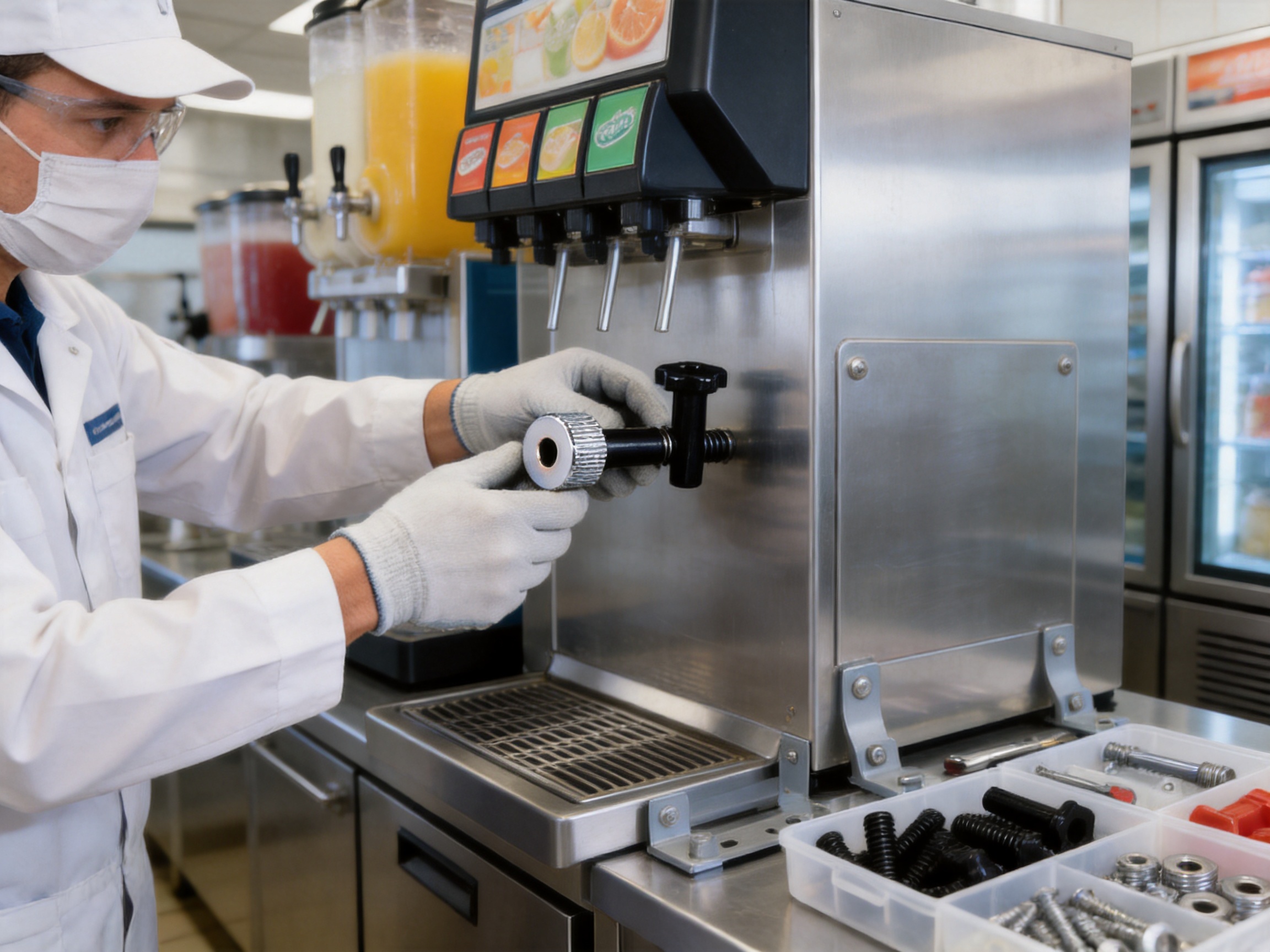
Reliable fastening is one of the foundations of safe, efficient, and long-lasting foodservice equipment. In commercial beverage appliances, ice cream machines, slush machines, juice dispensers, smoothie makers, and related systems, screws and fittings may appear small compared with compressors, tanks, motors, and control panels. However, these components perform a critical function: they hold assemblies together, maintain alignment, support sanitation, and help equipment operate consistently under daily commercial workloads.
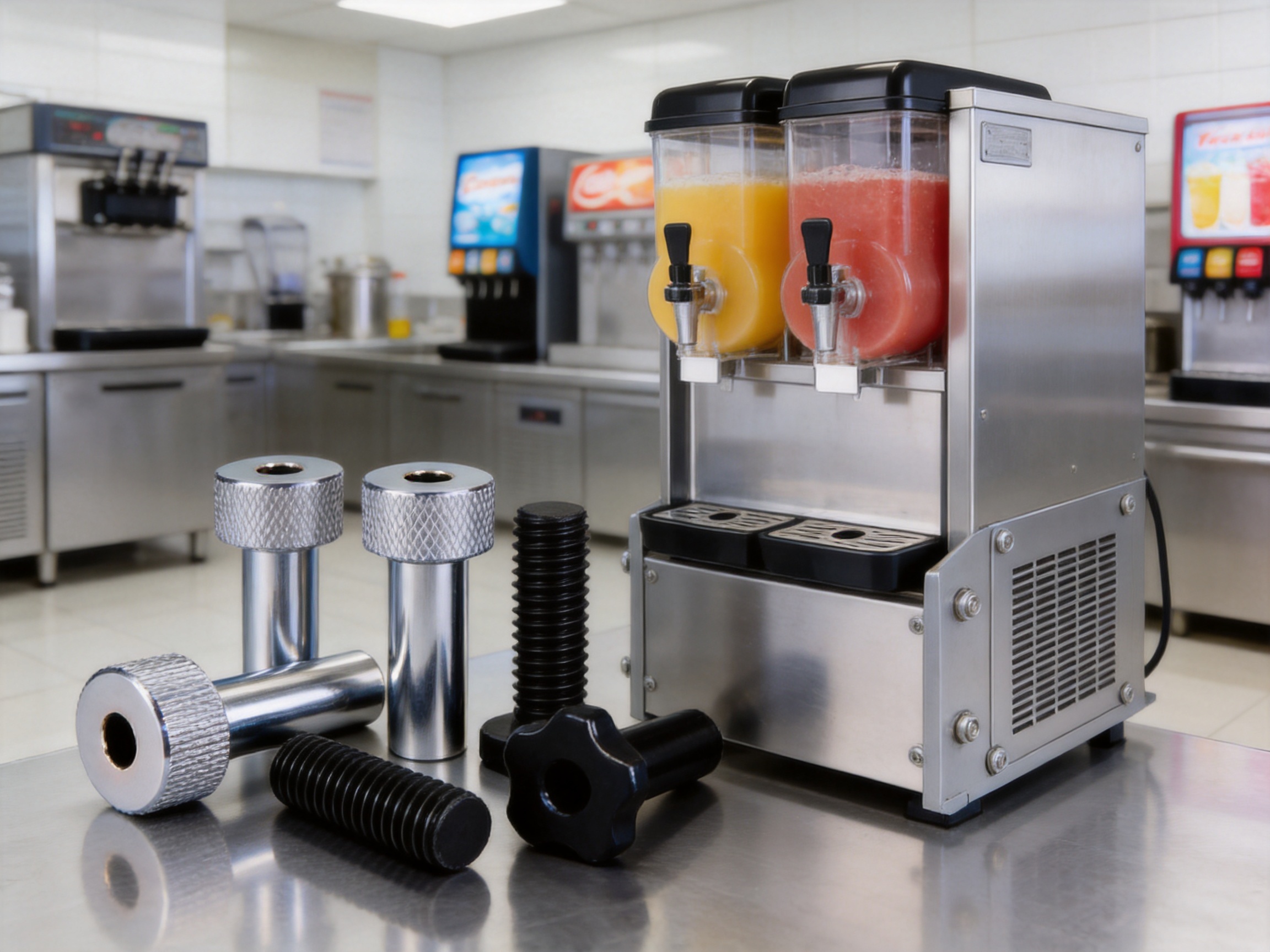
Cold Drink Appliance Stainless Steel Screw Parts are precision-designed fastening components developed for beverage appliances and other foodservice equipment. They are made from stainless steel materials selected for corrosion resistance, structural stability, and dependable service. Because they are intended for equipment maintenance, assembly, and upgrades, these parts can help operators restore a secure fit, replace worn fasteners, and support the long-term reliability of beverage and frozen dessert appliances.
These screw parts are supplied as optional components and spare parts and are not sold separately. They are intended to be matched with suitable appliances, equipment assemblies, or service requirements. This approach allows customers to obtain compatible components as part of a complete equipment order, maintenance program, or customized procurement solution.

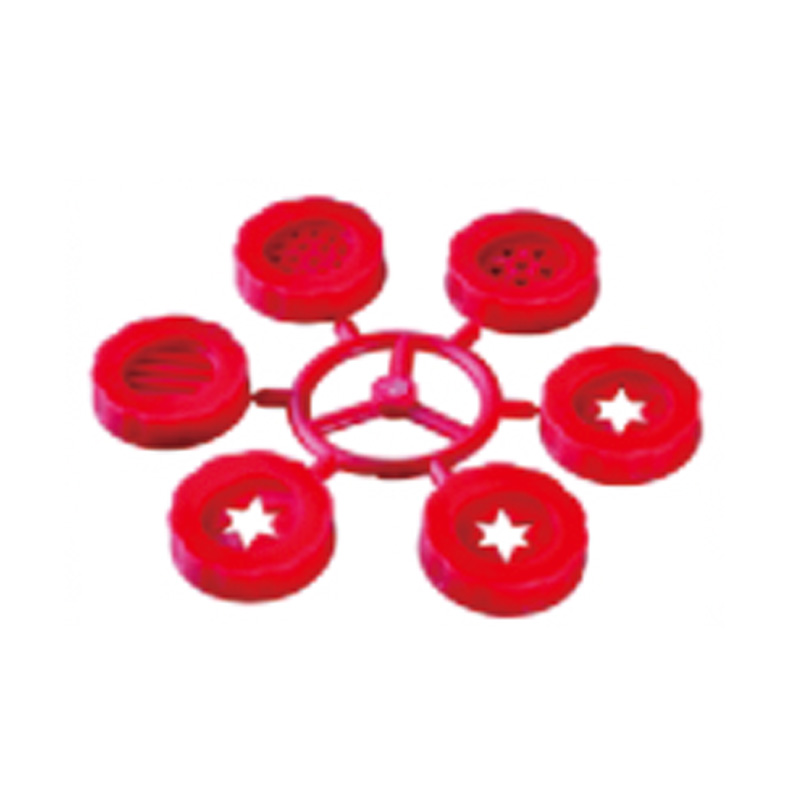
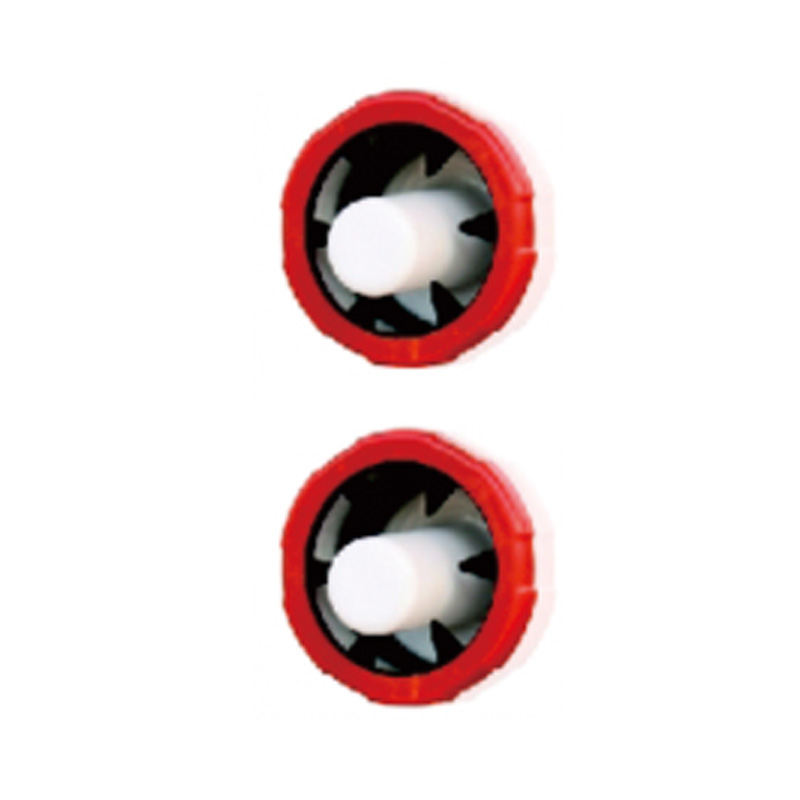
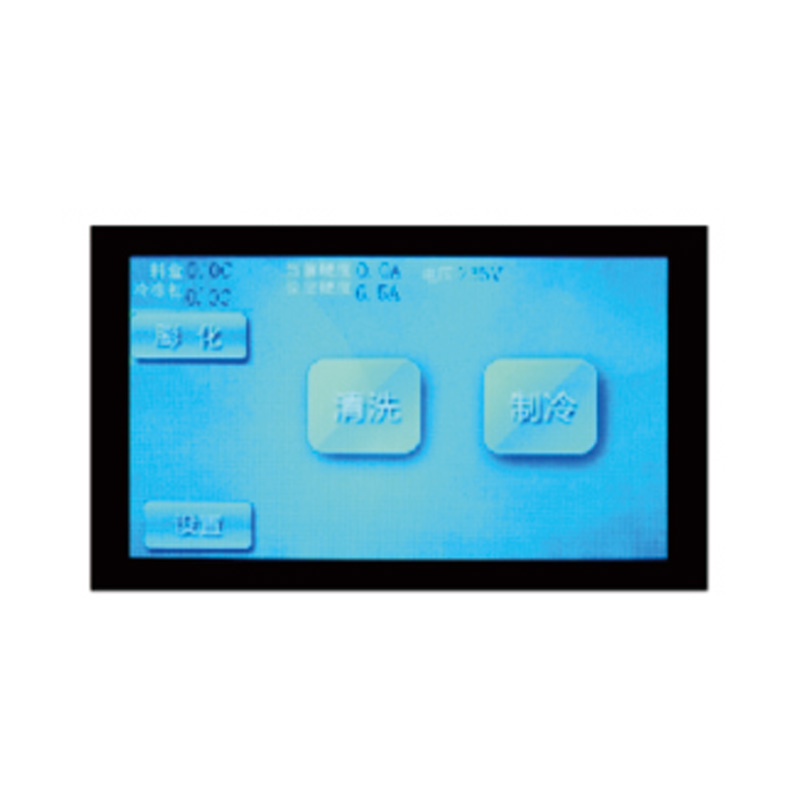
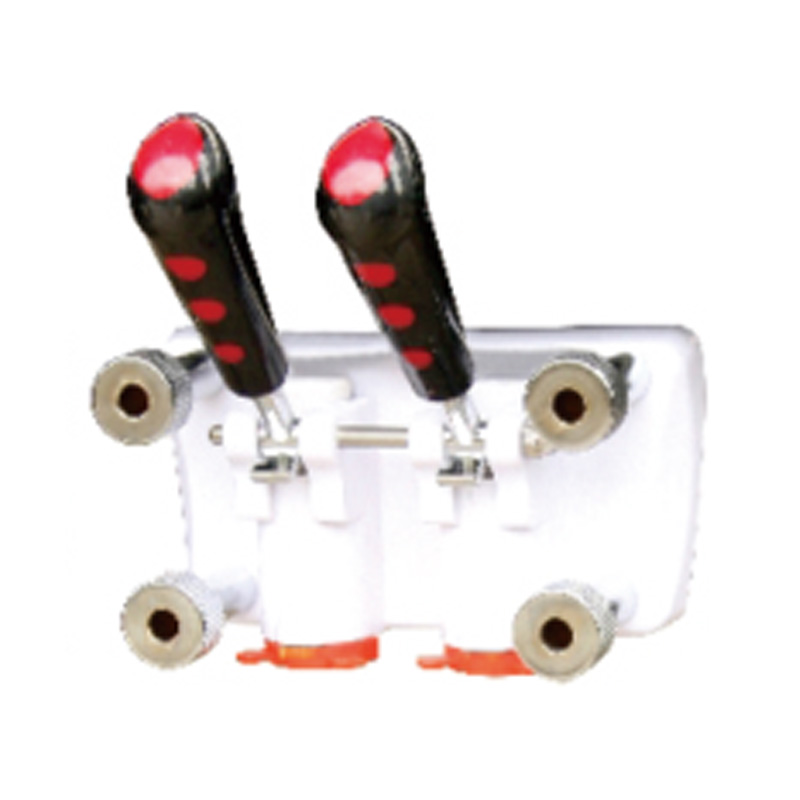
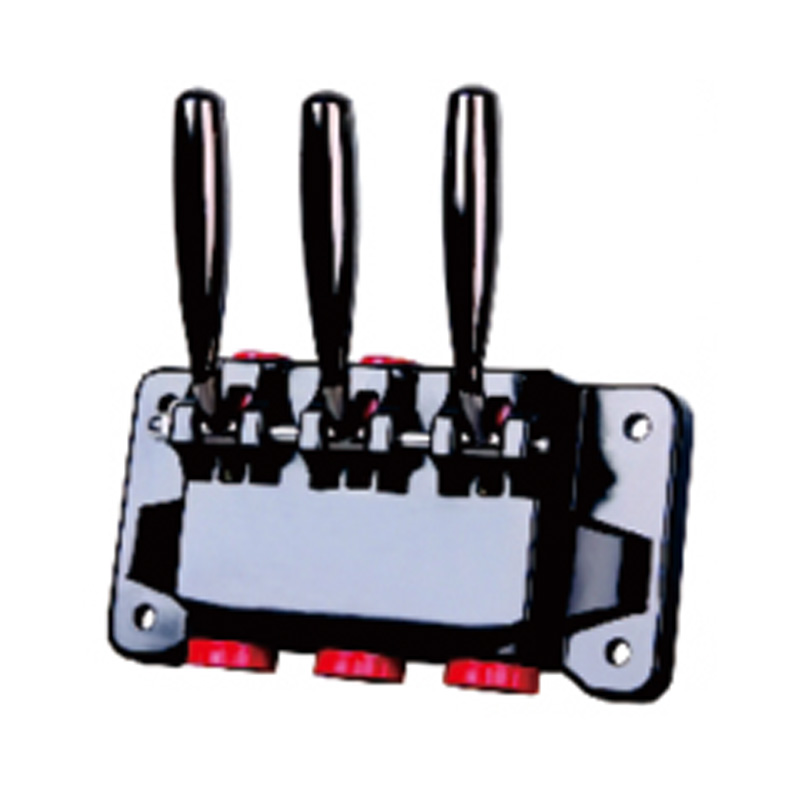
Cold Drink Appliance Stainless Steel Screw Parts(Not sold separately)
Why Small Fastening Components Matter in Commercial Equipment
Commercial foodservice equipment is exposed to demanding conditions. Machines may operate for many hours each day, experience repeated opening and closing of covers, undergo frequent cleaning, and remain in humid environments. Beverage appliances can also be exposed to fruit acids, sugar residues, milk proteins, cleaning chemicals, condensation, and temperature changes. Under these conditions, low-quality screws may become discolored, loose, difficult to remove, or structurally weakened.
A suitable stainless steel screw helps maintain the mechanical connection between equipment parts. It can secure panels, brackets, covers, fittings, guards, support structures, and other assemblies. A dependable fastening point contributes to correct alignment and reduces unwanted movement, vibration, rattling, or leakage caused by an unstable connection.
The value of a fastening component is not limited to its original installation. It also affects future maintenance. When a screw has good corrosion resistance and a precise shape, technicians can install or remove it more efficiently. This can shorten service time and reduce the possibility of damaging surrounding components. For a busy café, dessert shop, supermarket, hotel, or fast-food location, easier maintenance can help reduce equipment downtime.
Stainless steel screw parts are also relevant to hygiene. Foodservice appliances must be cleaned regularly, and equipment surfaces should not easily trap residue or develop flaking corrosion. A stable, appropriately finished fastening component supports a cleaner and more manageable equipment assembly. While the exact suitability of each screw depends on its location and appliance design, stainless steel is widely valued for applications where moisture resistance and surface durability are important.
Product Overview
Cold Drink Appliance Stainless Steel Screw Parts are designed for use with beverage and frozen food equipment. Their application range may include juicers, ice cream machines, smoothie makers, juice dispensers, and other related appliances. The parts are suitable for assembly, replacement, repair, and equipment improvement when the dimensions, thread specifications, head style, and installation position correspond to the intended appliance.
The product is categorized under Optional Components & Spare Parts. It is therefore not positioned as a standalone consumer hardware item. Instead, it is supplied as part of a professional equipment solution, supporting the installation and continued use of commercial appliances.
The main product characteristics include stainless steel construction, stable fastening performance, easy installation, corrosion resistance, and compatibility with a variety of beverage equipment applications. The fittings are precision-designed to provide a secure hold when correctly matched to the equipment structure and installed according to the relevant technical requirements.
| Product Attribute | Commercial Value | Typical Application Consideration |
|---|---|---|
| Stainless steel construction | Supports corrosion resistance and long-term stability | Useful in humid, frequently cleaned equipment environments |
| Precision-designed form | Promotes accurate assembly and secure connection | Must match the appliance design and fastening location |
| Easy installation | Can help simplify maintenance and reduce service time | Installation should use suitable tools and procedures |
| Reliable holding performance | Helps maintain alignment and reduce looseness | Correct tightening and compatibility remain essential |
| Spare-part availability | Supports repair, replacement, and equipment upgrades | Supplied as an optional component rather than sold separately |
| Multi-equipment suitability | Can support different beverage and frozen dessert appliances | Exact compatibility should be confirmed before procurement |
Stainless Steel as a Practical Material Choice
Material selection is one of the most important factors in the performance of a screw or fitting. Commercial beverage equipment frequently operates around water, ice, syrups, fruit ingredients, dairy ingredients, and cleaning solutions. Ordinary unprotected steel can be vulnerable to rust and surface deterioration in such conditions. Stainless steel offers a more suitable balance of durability, cleanliness, corrosion resistance, and maintenance convenience.
The corrosion resistance of stainless steel helps protect the surface from common forms of moisture-related deterioration. This does not mean that every stainless steel part is immune to all chemicals or environmental conditions. The correct grade, surface condition, cleaning method, and installation environment must always be considered. Nevertheless, stainless steel is a widely used material for commercial equipment components because it offers dependable performance in demanding applications.
Stainless steel also provides a stable appearance over time. A fastener that remains structurally sound and visually clean can help preserve the professional appearance of an appliance. This is especially important for equipment installed in customer-facing areas such as beverage counters, open kitchens, dessert stores, hotels, and buffet service stations.
Another advantage is dimensional stability. Properly manufactured stainless steel parts can maintain their shape and fastening function during repeated assembly, disassembly, cleaning, and normal equipment operation. This is valuable for service components that may need to be removed for inspection or replacement.
Compared with low-cost fasteners made from less suitable materials, stainless steel screw parts can provide better protection against premature surface damage, greater confidence during maintenance, and a longer useful service life in many beverage equipment applications. The total value is therefore measured not only by the initial purchase price, but also by reduced replacement frequency and improved equipment availability.
Advantages Compared with Generic or Lower-Quality Alternatives
Better Resistance to Moisture and Cleaning Exposure
Generic screws may be made from carbon steel or other materials that require coatings to resist corrosion. If a coating is scratched, worn, or damaged during installation, the exposed area may begin to deteriorate. Stainless steel construction provides inherent corrosion resistance rather than relying only on a surface coating.
This distinction is important in beverage equipment. Covers and panels may be cleaned repeatedly, and condensation may remain around joints or recessed fastening points. A stainless steel screw is better suited to these conditions than an untreated fastener that can quickly show rust or staining.
More Consistent Assembly Performance
Precision-designed screw parts can provide a more consistent fit than miscellaneous hardware selected without reference to the original equipment design. Correct thread form, head shape, length, and diameter help the component sit properly in its intended position. This reduces the risk of cross-threading, uneven clamping, loose panels, and unnecessary stress on surrounding parts.
When equipment is repaired with unsuitable substitutes, the fastener may be too long, too short, too large, or too small. Such a mismatch can create installation difficulties or interfere with internal components. A component developed for beverage equipment provides a more reliable starting point for maintenance and procurement.
Improved Maintenance Convenience
Commercial operators need service procedures that are clear and efficient. Screws that are easy to install can help technicians complete repairs without excessive adjustment. A secure and accessible fastener also simplifies the removal of panels and covers during routine inspection.
Maintenance convenience has a direct operational benefit. A beverage machine that returns to service quickly can continue supporting sales during busy periods. In larger operations with multiple machines, standardized spare parts can also simplify inventory planning and reduce the time required to identify suitable replacements.
Stable Long-Term Holding Performance
A fastening component must do more than fit during initial assembly. It should help maintain a secure connection while equipment experiences normal vibration, thermal changes, cleaning, and repeated use. Stainless steel screw parts are designed to provide a stable hold when installed with the correct torque and used in the correct application.
The final performance depends on the complete assembly, including the mating material, thread engagement, washers, seals, tightening method, and operating conditions. Even so, a well-manufactured screw provides the dimensional consistency needed for the rest of the assembly to perform properly.
Better Suitability for Professional Equipment
Household hardware and industrial foodservice spare parts are not always interchangeable. Commercial appliances typically require components that support frequent use, regular cleaning, and serviceability. These stainless steel screw parts are developed with beverage and foodservice applications in mind, making them more appropriate than general-purpose hardware for many equipment assemblies.
Applications Across Beverage and Frozen Dessert Equipment
Juice Dispensers
Juice dispensers commonly include external panels, dispensing structures, ingredient containers, support brackets, and internal assemblies that require secure fastening. The equipment may be exposed to fruit juice, sugar, water, and repeated cleaning. Stainless steel screw parts can support the secure installation of suitable panels and fittings while helping resist moisture-related deterioration.
For high-volume beverage service, reliable fastening is especially important. A loose cover or bracket can create vibration, noise, poor alignment, or an untidy appearance. Replacing worn or unsuitable screws can help restore the original stability of the appliance.
Commercial Ice Cream Machines
Commercial ice cream machines operate with a combination of refrigeration, mixing, dispensing, and cleaning processes. Their components may experience vibration and temperature variation, while external parts are exposed to water and cleaning agents. Stainless steel fittings can be used for appropriate covers, brackets, panels, and serviceable connections.
Because ice cream equipment often requires regular disassembly for cleaning and sanitation, fastening components should support repeated maintenance. A properly matched screw can help technicians remove and reinstall parts without damaging the surrounding assembly.
Commercial Slush Machines
Slush machines may operate continuously during peak periods and can be exposed to sugary mixtures, condensation, and frequent operator interaction. Secure fastening helps maintain the position of external housings, covers, and support components. Stainless steel provides a practical material choice for areas where moisture and cleaning are routine concerns.
For businesses serving frozen drinks, equipment appearance also influences customer confidence. Clean, stable, and well-maintained machines contribute to a professional service environment. Replacing corroded or damaged fasteners is a small but useful part of equipment upkeep.
Smoothie Makers and Juice Processing Appliances
Smoothie makers and juicers may be exposed to acidic ingredients, pulp, water, and repeated cleaning. Their assemblies can include housings, guards, supports, and removable covers. Suitable stainless steel screws can contribute to secure assembly and dependable daily operation.
Correct compatibility is essential. The screw should be selected according to the appliance structure and should not be used in a location where another type of fastener, seal, or food-contact component is required. When properly matched, stainless steel fittings can help maintain a reliable and serviceable appliance.
Other Commercial Foodservice Equipment
The possible application range extends to related equipment used in snack shops, fast-food chains, bars, supermarkets, institutions, and buffet operations. The exact use depends on the equipment design. Since the components are optional spare parts, they may support customized equipment orders, maintenance kits, replacement requirements, and OEM or ODM projects.
Manufacturing Approach and Quality-Oriented Production
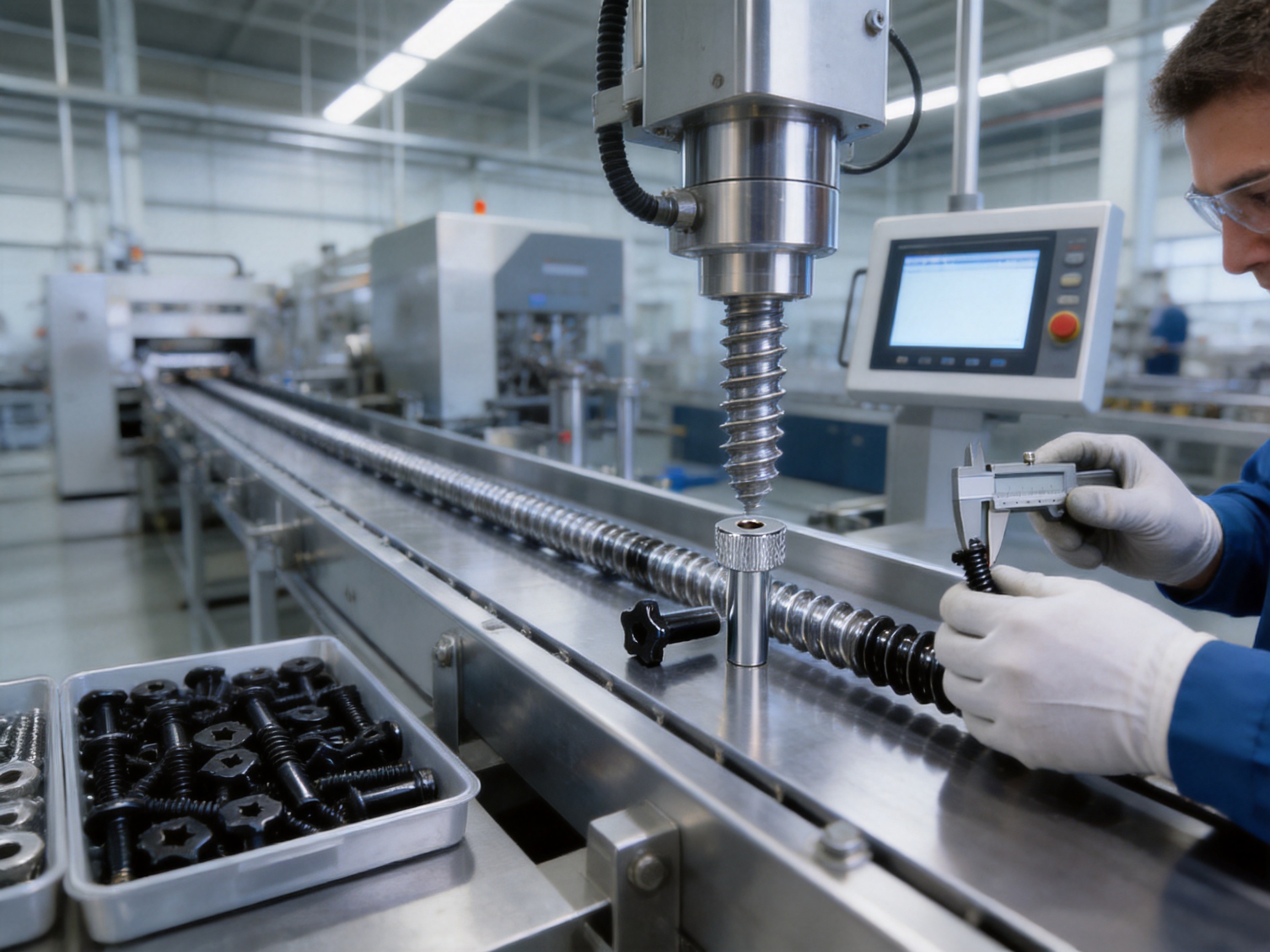
The performance of a small screw part depends on the discipline of the manufacturing process. A reliable component requires more than suitable raw material. It also requires accurate forming, appropriate machining, consistent dimensions, clean finishing, inspection, packing, and traceable coordination with the equipment assembly for which it is intended.
The manufacturer behind these components is a professional foodservice equipment producer integrating design, research and development, manufacturing, sales, and service. Its product portfolio includes commercial refrigeration equipment, ice cream machines, juice dispensers, fried ice cream machines, slush machines, flake ice machines, cooking equipment, griddles, fryers, insulation products, barbecue equipment, and buffet solutions.
This broad product experience is important because spare parts are most effective when developed with a clear understanding of complete machines. A company that designs and manufactures beverage and refrigeration equipment can evaluate fastening components in relation to housings, frames, tanks, covers, refrigeration systems, dispensing mechanisms, and cleaning requirements. That integrated perspective is a practical advantage over suppliers that sell generic hardware without equipment knowledge.
Material Preparation and Component Specification
Production begins with the selection and preparation of suitable stainless steel material. The required material characteristics depend on the component design, application environment, mechanical load, and surface requirements. Material control helps ensure that the finished part has the intended balance of strength, corrosion resistance, and workability.
Clear component specifications are equally important. These may include dimensions, thread details, head configuration, length, surface treatment, installation location, and packaging requirements. A defined specification reduces variation and helps ensure that replacement parts correspond to the intended appliance assembly.
Precision Forming and Machining
Screw parts may involve forming, threading, cutting, turning, or other machining operations. Each stage must be controlled to preserve the correct geometry. Thread accuracy is particularly important because a damaged or inconsistent thread can make installation difficult and reduce holding performance.
Dimensional accuracy also affects the relationship between the screw and the receiving component. A correct length helps avoid interference with internal structures, while the correct head shape allows the fastener to sit properly and accept the intended tool. Consistency across production batches supports more predictable maintenance and inventory planning.
Surface Finishing and Cleanliness
After forming and machining, parts should be handled and finished in a way that supports a clean, stable surface. Burrs, sharp edges, metal residue, or contamination can reduce installation quality and create unnecessary cleaning concerns. Appropriate finishing helps improve handling, appearance, and functional performance.
For foodservice equipment, cleanliness is a central design consideration. Although not every screw is a direct food-contact component, parts should be suitable for their position within the appliance. The design and installation should prevent unnecessary residue accumulation and should allow the equipment to be cleaned according to the relevant operating procedure.
Inspection and Assembly Verification
Quality control may include visual inspection, dimensional checks, thread verification, surface checks, and sample assembly evaluation. The purpose is to identify defects before the parts are packed or incorporated into equipment. Inspection also helps verify that the component matches its technical documentation and intended application.
When spare parts are developed for a complete appliance, assembly verification is particularly valuable. It allows the manufacturer to confirm that the screw fits the relevant opening, provides the expected clamping effect, and does not interfere with neighboring parts. This equipment-level validation differentiates application-specific components from unverified generic alternatives.
Packaging and Procurement Support
Small components can be lost, mixed, or damaged if packaging is not organized properly. Appropriate packaging helps protect threads and surfaces during storage and transport. Clear identification can also help customers match parts with the correct equipment order or maintenance requirement.
As part of a broader foodservice equipment supply system, the manufacturer can support customers with pre-sales consultation, customization, logistics coordination, payment solutions, and after-sales maintenance. This service structure is useful for distributors, importers, chain stores, contractors, and commercial kitchen projects that need more than a one-time hardware purchase.
Advantages of an Integrated Equipment Manufacturer
One of the strongest advantages of sourcing appliance spare parts from an integrated equipment manufacturer is the connection between product design and component production. The manufacturer operates modern production facilities covering more than 60,000 square meters and combines research and development with manufacturing and service. This scale supports coordinated development across complete machines and their supporting parts.
An integrated manufacturer can understand how screws interact with equipment structures. It can consider the thickness of a panel, the location of a bracket, the expected vibration, the cleaning routine, the accessibility of the fastener, and the requirements of the final installation. This knowledge helps produce components that are more practical for real commercial applications.
Another advantage is product range. Since the company produces ice cream machines, juice dispensers, slush machines, ice machines, refrigeration cabinets, cooking equipment, and buffet products, customers can potentially coordinate multiple equipment categories through one supplier. This can simplify procurement, documentation, spare-part communication, and after-sales support.
For OEM and ODM projects, the ability to work from drawings or customer requirements is also valuable. A customized beverage equipment project may require different panel structures, mounting points, materials, dimensions, or service arrangements. Optional screw parts can be incorporated into a complete solution rather than treated as an unrelated accessory.
OEM and ODM Support for Commercial Projects
Foodservice equipment buyers often have requirements that differ from standard catalog products. A distributor may need a private-label machine. A supermarket chain may need equipment configured for a specific counter layout. A hotel group may require coordinated finishes and service parts. A regional importer may request packaging, electrical, structural, or capacity adjustments.
In these situations, fastening components can be part of the customization process. The design team may evaluate screw length, head style, material, location, accessibility, and compatibility with covers or panels. Including the correct spare parts in the project specification helps prevent confusion during installation and future maintenance.
OEM and ODM cooperation also supports repeatability. Once a project has an approved design, the relevant components can be documented and supplied consistently in future production. This can help customers maintain standardized equipment across different locations and reduce the number of unrelated spare parts in their inventory.
The manufacturer’s one-stop service model covers consultation, product customization, flexible logistics and payment solutions, and after-sales maintenance. This is useful for customers seeking a long-term supply relationship rather than an isolated component transaction. It also allows technical questions about screw parts to be considered alongside the complete machine, which is often the best way to confirm suitability.
Installation and Maintenance Considerations
Confirm Compatibility Before Installation
Before installing a replacement screw, the technician should confirm the required diameter, length, thread type, head style, and material. The component should be compared with the original part or the equipment documentation. A screw that appears similar may still be unsuitable if it has the wrong thread or length.
Because the product is not sold separately, customers should normally request it together with the relevant appliance, spare-parts package, or service arrangement. This helps the supplier verify the application and reduce the risk of an incorrect match.
Use Suitable Tools
The correct tool helps prevent damage to the screw head and surrounding equipment. A tool that is too large, too small, or poorly aligned may deform the head and make future removal difficult. Technicians should use controlled pressure and keep the tool aligned with the fastener during installation.
Avoid Excessive Tightening
Over-tightening can damage threads, deform panels, compress seals excessively, or place unnecessary stress on the assembly. Under-tightening can allow vibration and movement. Where equipment documentation specifies a tightening method or torque value, that instruction should be followed.
For parts without a published torque specification, technicians should use a controlled and appropriate tightening approach based on the material and assembly design. The objective is a secure connection without distortion or damage.
Inspect During Routine Service
Fasteners should be inspected when equipment is cleaned or serviced. Warning signs may include corrosion, discoloration, looseness, damaged threads, stripped heads, missing screws, or movement between connected parts. Early replacement can prevent a minor issue from developing into panel damage, leakage, vibration, or a more expensive repair.
Maintain Cleaning Discipline
Stainless steel offers good corrosion resistance, but cleaning practices still matter. Operators should follow the equipment manufacturer’s cleaning instructions and avoid chemicals or tools that are unsuitable for the appliance materials. Residues should not be allowed to accumulate around fastening points, especially in areas exposed to sugar, dairy ingredients, fruit acids, or salty cleaning solutions.
Purchasing Benefits for Distributors and End Users
For distributors, application-specific stainless steel screw parts can strengthen the completeness of an equipment offering. Customers often value suppliers that can provide not only the main machine but also the components needed for installation, maintenance, and long-term operation. Including appropriate optional parts can improve service readiness and customer satisfaction.
For restaurant groups and chain stores, standardized components can simplify procurement. When similar beverage appliances are installed across multiple locations, an organized spare-parts program can reduce search time and support consistent maintenance practices. Stainless steel screw parts can be included in opening inventories, service kits, or planned replacement packages.
For service companies, precision-designed fittings can make repairs more predictable. Technicians are less dependent on improvised substitutions when suitable components are available through the equipment supplier. This can help protect the original design intent and reduce the risk of secondary damage.
For equipment owners, the principal benefit is operational continuity. A small replacement component can help preserve the performance and appearance of a much larger machine. When the part is durable, easy to install, and correctly matched, the cost of maintenance can be more manageable over the life of the equipment.
How These Parts Support Equipment Life-Cycle Value
The life-cycle value of commercial equipment depends on more than its purchase price. Equipment must be installed correctly, operated appropriately, cleaned regularly, repaired when necessary, and supported with suitable parts. Fasteners are involved in many of these stages, particularly installation, inspection, disassembly, and repair.
A corrosion-resistant screw can reduce the likelihood of premature replacement caused by surface deterioration. A dimensionally consistent screw can reduce assembly problems. A supplier with equipment knowledge can help customers identify the right part instead of relying on trial and error. Together, these factors support a more predictable ownership experience.
Long-term value is also related to sustainability. Extending the usable life of a machine can reduce the need for early replacement and limit the material and logistical resources associated with producing and transporting an entirely new appliance. Replacing a worn fastening component is often a practical way to preserve a larger equipment assembly.
Of course, screws cannot compensate for poor cleaning, misuse, incorrect installation, or major structural damage. They are one part of a larger maintenance program. Their benefit is greatest when combined with proper operation, scheduled inspection, and professional service.
Why Choose a Professional Foodservice Equipment Supplier
A professional supplier brings together product knowledge, production resources, technical support, and after-sales service. This combination is important for commercial customers because the success of an equipment purchase depends on the complete support system surrounding the machine.
The manufacturer described in this product information has experience across commercial refrigeration, kitchen equipment, beverage appliances, frozen dessert machines, cooking equipment, and buffet solutions. Its modern production base and integrated business structure support both standard products and customized projects.
The company serves applications including snack shops, fast-food chains, bars, supermarkets, institutions, and other foodservice environments. These customers often require equipment that can operate reliably in demanding settings and can be supported efficiently when maintenance is required.
A user-oriented and quality-driven philosophy also benefits spare-parts procurement. The purpose of a screw part is not simply to meet a dimensional requirement; it is to support the user’s complete operating experience. Product selection, compatibility consultation, delivery coordination, and after-sales response all influence the practical value of the component.
Recommended Procurement Workflow
Step One: Identify the Equipment
Record the equipment category, model, application, installation location, and service requirement. If the screw is part of a new equipment order, identify the machine configuration. If it is for maintenance, provide photographs, drawings, or information from the equipment nameplate where available.
Step Two: Define the Fastening Requirement
Confirm whether the component is used for a panel, cover, bracket, frame, guard, fitting, or another assembly. Note any requirements related to moisture, cleaning, vibration, temperature, appearance, or frequent removal.
Step Three: Request Compatibility Confirmation
Ask the supplier to confirm the component specification against the appliance design. This step is especially important when replacing a missing or damaged part, because visual similarity alone does not guarantee suitability.
Step Four: Coordinate Quantity and Packaging
Determine whether the screws will be supplied with a complete machine, as part of a spare-parts kit, or as optional components within an OEM or ODM project. Confirm packaging, labeling, and quantity requirements to support warehouse management and field service.
Step Five: Include the Part in the Maintenance Plan
After procurement, record the component in the equipment maintenance documentation. This makes future replacement easier and helps service personnel use the correct part rather than an unverified substitute.
Quality, Service, and Business Reliability
Commercial customers need suppliers that understand the relationship between component quality and business performance. A beverage appliance that remains secure, clean, and serviceable can help operators maintain consistent production and presentation. A supplier that responds quickly to technical and logistical questions can reduce uncertainty during installation and maintenance.
The manufacturer provides pre-sales consultation, product customization, logistics coordination, payment solutions, and after-sales maintenance. These capabilities support international customers that may need assistance across different stages of a project. They also reflect a broader commitment to long-term business relationships.
With more than 60,000 square meters of modern production facilities, the company has a substantial base for coordinated manufacturing. Its integrated design, development, production, sales, and service structure can support the requirements of global foodservice markets while maintaining attention to individual equipment details.
For buyers evaluating suppliers, this combination is often more valuable than selecting a low-cost generic fastener from an unrelated source. The correct question is not only how much a screw costs, but also whether it fits the equipment, withstands the working environment, can be supplied consistently, and is supported by a manufacturer capable of resolving technical issues.
Frequently Asked Questions
What are Cold Drink Appliance Stainless Steel Screw Parts used for?
They are used as fastening components in beverage and frozen dessert equipment. Suitable applications may include juice dispensers, commercial ice cream machines, slush machines, juicers, smoothie makers, and related foodservice appliances. The exact application depends on the appliance design and component specification.
Are these screws sold separately?
No. The product is identified as an optional component and spare part and is not sold separately. Customers should request it as part of a complete equipment order, spare-parts package, maintenance arrangement, or OEM or ODM project.
Why is stainless steel suitable for beverage equipment?
Stainless steel offers good resistance to corrosion, moisture, and ordinary service exposure. It also provides a stable appearance and supports repeated maintenance when properly used. The exact performance depends on the stainless steel specification, cleaning conditions, installation environment, and equipment design.
Can these parts be used on any commercial appliance?
No. Compatibility must be confirmed before use. The diameter, length, thread, head style, installation position, and mating material must correspond to the equipment. A supplier or qualified technician should verify the correct application.
Can the parts support OEM or ODM equipment projects?
Yes. They may be incorporated into customized equipment projects based on drawings or customer requirements. The manufacturer can evaluate the fastening component together with the machine structure, panel design, service access, and operating environment.
What types of companies may need these components?
Potential users include foodservice equipment distributors, restaurant groups, fast-food chains, cafés, dessert shops, bars, supermarkets, hotels, institutions, service companies, and equipment contractors. They may use the parts for new installations, scheduled maintenance, repairs, or equipment upgrades.
How can operators maintain stainless steel screw parts?
Operators should follow the appliance cleaning instructions, remove residues, inspect for looseness or damage, use suitable tools, and avoid excessive tightening. Any screw showing corrosion, stripped threads, deformation, or loss should be replaced with a compatible component.
What makes an equipment-manufacturer-supplied screw different from generic hardware?
An equipment-manufacturer-supplied component is developed with greater awareness of the appliance structure and application. It can be matched to the intended assembly and supported through technical consultation. Generic hardware may have different dimensions, materials, or thread characteristics and may not provide the required fit.
Can the manufacturer provide other foodservice equipment?
Yes. Its product range includes ice cream machines, juice dispensers, fried ice cream machines, slush machines, flake ice machines, refrigeration cabinets, cooking equipment, griddles, fryers, insulation products, barbecue equipment, and buffet solutions.
How should buyers request a quotation or compatibility review?
Buyers should provide the equipment category, model information, required quantity, application details, drawings or photographs where available, and any OEM or ODM requirements. This information helps the supplier evaluate the correct component and coordinate the broader equipment solution.
Conclusion
Cold Drink Appliance Stainless Steel Screw Parts demonstrate how a small component can contribute to the reliability, serviceability, hygiene, and professional appearance of commercial equipment. Their stainless steel construction offers good corrosion resistance and stability in beverage appliance environments, while their precision-designed form supports accurate installation and a secure hold.
Compared with generic or lower-quality alternatives, application-specific stainless steel screw parts can provide more dependable compatibility, better resistance to moisture and cleaning exposure, easier maintenance, and improved long-term value. Their benefits are especially relevant to juice dispensers, ice cream machines, slush machines, juicers, smoothie makers, and other commercial foodservice appliances.
The strength of this product is further supported by an integrated manufacturer with extensive experience in commercial refrigeration, kitchen equipment, beverage appliances, frozen dessert equipment, and buffet solutions. With modern production facilities covering more than 60,000 square meters, in-house design and research capabilities, manufacturing expertise, OEM and ODM support, and international after-sales service, the supplier can address both individual component requirements and complete foodservice equipment projects.
For distributors, operators, contractors, and service professionals, the best fastening solution is one that is correctly matched, consistently manufactured, easy to maintain, and supported by a knowledgeable supplier. Used as part of a complete equipment and maintenance strategy, these stainless steel screw parts can help commercial appliances remain secure, efficient, and ready for daily operation.
References
1. General principles of stainless steel selection for commercial foodservice and appliance applications.
2. General maintenance practices for beverage dispensers, frozen dessert machines, and commercial kitchen equipment.
3. General guidelines for threaded fastener installation, inspection, and tightening control.
4. Manufacturer-provided product information for Cold Drink Appliance Stainless Steel Screw Parts.
5. Manufacturer-provided company information concerning commercial refrigeration, kitchen equipment, beverage appliances, OEM, ODM, production, and after-sales service.
Product: Cold Drink Appliance Stainless Steel Screw Parts(Not sold separately)

For exclusive deals and latest offers, sign up by entering your email address below.


-
spelor@spelor.com
-
+86-576-85229688
-
No.528, Changxi Road, Linhai City, Zhejiang Province, China
Commercial Refrigeration Equipment Manufacturer China
Copyright © 2025 by Spelor Electrical Appliances (Zhejiang) Co., Ltd. Rights Reserved.
