


 中文简体
Commercial Refrigeration Compressors for High-Performance Cold Drink Appliances
Admin 2026-09-23Commercial cold drink appliances depend on a reliable refrigeration system to maintain product quality, protect food safety, and support uninterrupted service throughout the working day. At the center of this system is the compressor, which drives the refrigeration cycle by compressing and circulating refrigerant through the condenser, expansion device, and evaporator. When the compressor is correctly selected and properly integrated, a beverage dispenser or cooler can achieve faster pull-down, more stable temperatures, dependable operation, and improved energy performance.
The Tecumseh refrigeration compressor described in this article is designed for commercial cold drink appliances and related beverage-cooling equipment. It is supplied as an optional component or replacement part and is not sold separately. This arrangement allows the compressor to be matched with complete commercial refrigeration equipment, ensuring that capacity, refrigerant compatibility, electrical requirements, cabinet design, and control systems work together as one reliable solution.
For foodservice equipment manufacturers, distributors, project contractors, and commercial kitchen operators, compressor selection is not simply a matter of purchasing a standalone mechanical part. It is an engineering decision that affects cooling speed, operating noise, maintenance intervals, energy consumption, product reliability, and total ownership cost. A suitable compressor must perform consistently under frequent door opening, high ambient temperatures, long operating hours, and changing beverage loads.
This article examines the role, advantages, integration considerations, quality characteristics, and manufacturing strengths associated with Tecumseh refrigeration compressors used in commercial cold drink appliances. It also explains how an experienced commercial refrigeration equipment manufacturer can integrate such components into complete beverage solutions for global foodservice applications.
1. The Role of the Compressor in Commercial Beverage Cooling
A refrigeration compressor is often described as the “heart” of a refrigeration system because it creates the pressure difference required for refrigerant circulation. The compressor receives low-pressure refrigerant vapor from the evaporator, compresses it into a high-pressure vapor, and sends it toward the condenser. The refrigerant then releases heat, changes state through the expansion device, and returns to the evaporator to absorb heat from the beverage compartment or cooling circuit.
In commercial cold drink equipment, this process must be stable and repeatable. Beverage dispensers, juice machines, chilled drink cabinets, and related appliances may operate for many hours each day. Some installations run continuously in restaurants, hotels, convenience stores, supermarkets, bars, snack shops, and institutional dining facilities. The compressor therefore needs to tolerate repeated starts, extended duty cycles, fluctuating heat loads, and demanding service environments.
A compressor that is too small may require excessive running time and struggle to reach the desired temperature. A compressor that is unnecessarily large may increase initial cost, create undesirable cycling, and reduce system efficiency if the rest of the refrigeration circuit is not properly matched. The most effective solution is a balanced system in which compressor capacity, condenser size, evaporator design, refrigerant charge, fan arrangement, insulation, thermostat settings, and airflow are selected as a complete package.
For this reason, Tecumseh compressors are particularly suitable when integrated into commercial beverage appliances by a qualified manufacturer. Rather than treating the compressor as an isolated replacement item, the equipment builder can evaluate the complete refrigeration architecture and configure the unit for its intended application.
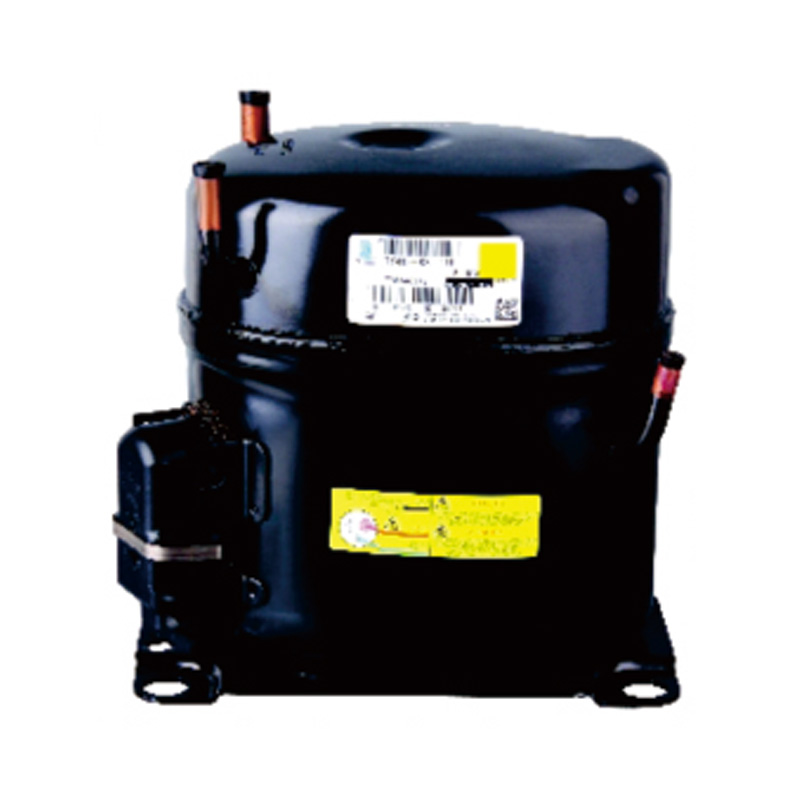
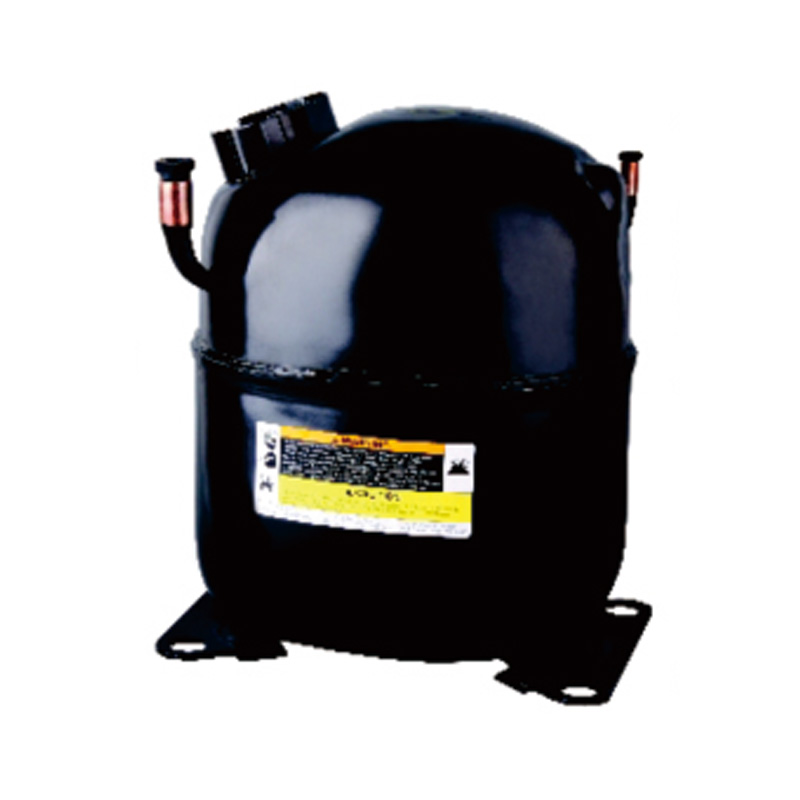
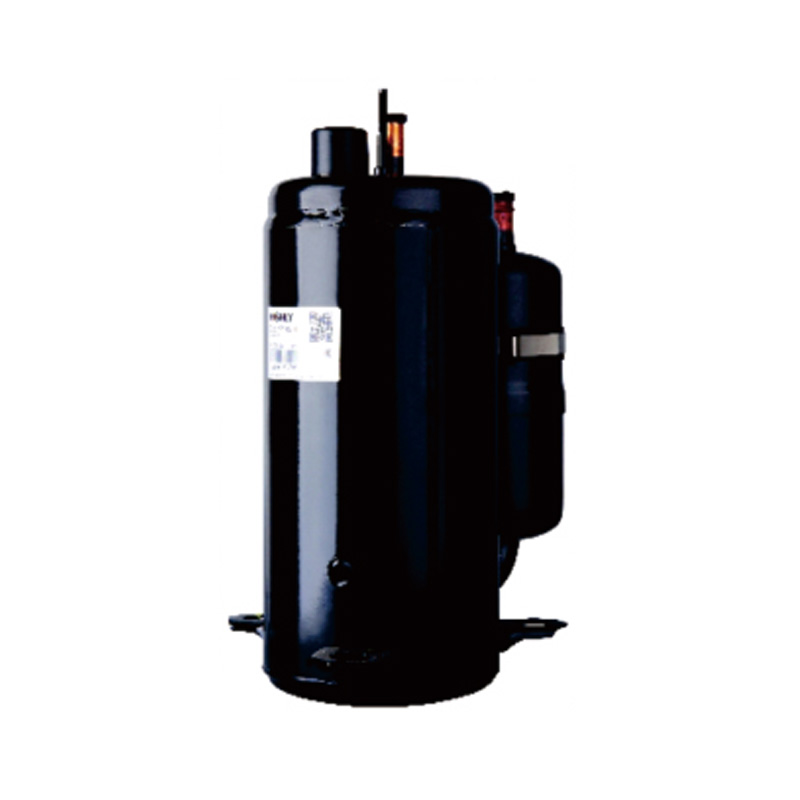
Tecumseh Refrigeration Compressor for Commercial Cold Drink Appliances(Not sold separately)
2. Product Overview
The Tecumseh refrigeration compressor is intended for commercial cold drink appliances and other beverage-cooling equipment. It is positioned within the optional components and spare parts category, but it is supplied as part of an equipment-oriented solution and is not sold separately. This product structure helps protect compatibility and allows the manufacturer to recommend the correct compressor configuration for a specific appliance model.
The compressor is recognized for a combination of cost-effectiveness, durability, compact construction, and stable operation. These characteristics are valuable in commercial refrigeration because equipment owners need more than short-term cooling performance. They require predictable operation over the service life of the machine, reasonable energy use, accessible maintenance, and dependable operation during peak business periods.
Its compact design supports efficient use of internal equipment space. Commercial beverage appliances frequently have limited room beneath tanks, behind cabinets, or inside service compartments. A compact compressor can make it easier to arrange the refrigeration system without sacrificing airflow, service access, or insulation thickness. This can also give equipment designers greater freedom when developing countertop machines, under-counter units, floor-standing dispensers, and integrated beverage stations.
The compressor is intended to operate continuously and stably under high loads when properly matched with the appliance. This is important for commercial cold drink equipment because the cooling load can change rapidly. A machine may begin the day with a warm product load, experience frequent dispensing, receive repeated replenishment, or operate in a hot kitchen environment. A reliable compressor helps the system respond to these conditions while maintaining a consistent cooling cycle.
Another important characteristic is its suitability for integration into different beverage-cooling platforms. Depending on the final equipment design, the refrigeration system may cool a beverage tank, a dispensing coil, an enclosed cabinet, a direct-contact cooling surface, or a combination of these. The compressor must therefore be evaluated together with the intended evaporator arrangement, temperature range, refrigerant, electrical supply, and control logic.
3. Key Advantages for Commercial Cold Drink Appliances
3.1 Cost-Effective Refrigeration Performance
Commercial equipment buyers generally evaluate both purchase price and long-term operating cost. A low initial price does not necessarily represent good value if the compressor consumes excessive electricity, experiences frequent failures, or requires difficult maintenance. Cost-effectiveness is achieved when the compressor delivers dependable cooling, reasonable energy performance, long service life, and compatibility with the equipment platform.
Tecumseh compressors are widely valued for their balance between performance and cost. When selected according to the appliance requirements, they can provide a practical refrigeration solution without forcing the equipment manufacturer to over-design the system. This helps support competitive pricing for commercial juice dispensers, cold drink machines, beverage cabinets, and other refrigeration products.
The cost advantage also extends to production and service. A standardized, recognized compressor platform can simplify engineering evaluation, procurement planning, assembly procedures, and replacement support. Manufacturers can develop repeatable installation methods, while service teams can work with a familiar component structure. These benefits can reduce indirect costs throughout the equipment life cycle.
3.2 Stable Operation Under High Loads
Commercial beverage equipment is often exposed to higher and more variable loads than domestic refrigeration appliances. A dispenser may be used repeatedly during a lunch period, a buffet may serve guests continuously, and a convenience store cooler may be opened dozens or hundreds of times per day. Ambient temperature can also rise significantly when equipment is installed near cooking appliances, windows, or crowded service counters.
A compressor intended for commercial use must continue operating reliably when the refrigeration system is challenged by these conditions. Stable operation helps the equipment recover more quickly after a temperature increase and supports consistent product presentation. For juice and cold drink applications, stable cooling can also contribute to more uniform beverage temperature from the first serving to the last.
Stable operation depends on the complete system, not the compressor alone. Proper condenser ventilation, correct refrigerant charging, clean heat-exchange surfaces, suitable control settings, and correct installation are essential. The compressor provides the driving force, but the manufacturer’s engineering and assembly processes determine whether that force is used efficiently.
3.3 Rapid Cooling and Temperature Recovery
Rapid cooling is an important advantage in foodservice applications. When a machine is first started, refilled with product, or exposed to heavy dispensing activity, the refrigeration system must remove heat efficiently. Slow temperature recovery may affect beverage quality, customer satisfaction, and service speed.
A properly selected Tecumseh compressor can support rapid cooling by maintaining the refrigerant circulation required for effective heat transfer. Its performance is especially valuable when integrated with an appropriately sized evaporator and condenser. The equipment manufacturer can adjust the complete system to match the required temperature range and expected operating pattern.
Temperature recovery is also important for automated or semi-automated operations. Employees should not need to stop service frequently while waiting for the machine to cool. Reliable cooling performance enables the appliance to remain available during busy periods and supports more efficient use of labor.
3.4 Compact Construction
Space is a major design consideration in commercial equipment. Foodservice operators want high capacity without giving up valuable counter, floor, or storage space. A compact compressor can help manufacturers design more practical machines while preserving room for electrical components, piping, insulation, water systems, product containers, and maintenance access.
Compact construction may also improve installation flexibility. Beverage appliances can be configured for self-service counters, back-bar areas, mobile catering stations, hotel breakfast rooms, fast-food restaurants, supermarkets, and institutional dining areas. A refrigeration system that occupies less space can support a wider range of cabinet layouts and equipment formats.
However, compactness must never be achieved by restricting airflow or making service access unnecessarily difficult. A professional equipment manufacturer considers compressor location, vibration isolation, ventilation openings, drainage, wiring, and component accessibility during the design stage. In this way, the compact compressor contributes to a smaller appliance without reducing reliability.
3.5 Energy-Conscious Operation
Electricity is a significant operating expense for commercial refrigeration equipment. Beverage appliances often remain powered for long periods, including overnight or during low-demand hours. Improvements in energy efficiency can therefore produce meaningful savings over the equipment’s working life.
Tecumseh compressors are recognized for a good energy efficiency ratio when used within the correct system design. Efficient operation reduces the amount of electrical energy required to remove a given amount of heat. This can help lower operating expenses and support more responsible energy use in commercial facilities.
Actual energy performance depends on many factors, including ambient temperature, product temperature, thermostat settings, condenser cleanliness, evaporator design, insulation, fan operation, refrigerant charge, and usage frequency. Consequently, compressor efficiency should be evaluated as part of the complete appliance rather than as an isolated rating. The manufacturer’s design and testing processes are essential to achieving the expected result.
3.6 Durability and Service Value
Durability is especially important for equipment installed in commercial environments because downtime can affect sales, customer service, and product inventory. A durable compressor can help reduce unexpected interruptions and extend the useful life of the appliance.
The value of durability is not limited to the compressor’s internal construction. It also includes correct assembly, clean piping, secure electrical connections, effective vibration control, suitable overload protection, and accurate system commissioning. A high-quality component can underperform if it is installed carelessly. Conversely, a carefully engineered system can make better use of the compressor’s durability and performance characteristics.
For global customers, dependable after-sales support is another part of service value. A manufacturer that provides technical consultation, replacement guidance, maintenance assistance, and responsive communication can help customers manage equipment throughout its service life.
4. Advantages Compared with Less Suitable Alternatives
Commercial refrigeration compressors differ in capacity, construction, application range, electrical configuration, refrigerant compatibility, and duty characteristics. Choosing a component only because it is inexpensive or physically similar can create problems after installation. Less suitable alternatives may struggle with high ambient temperatures, operate inefficiently, create excessive vibration, or fail to deliver the required temperature recovery.
The first advantage of a properly specified Tecumseh compressor is application suitability. It is selected for commercial beverage-cooling equipment rather than being treated as a generic household component. This distinction matters because beverage appliances are frequently used for longer hours and under more demanding load conditions.
The second advantage is system compatibility. When the compressor is integrated by the original equipment manufacturer, the manufacturer can coordinate it with the condenser, evaporator, refrigerant circuit, controls, cabinet, and electrical system. This is generally more reliable than replacing a compressor based only on dimensions or horsepower.
The third advantage is service consistency. A recognized compressor platform can make troubleshooting and replacement planning more manageable. Equipment owners can receive guidance based on the specific appliance model instead of relying on trial-and-error substitutions.
The fourth advantage is the balance between performance and equipment cost. Some high-capacity or highly specialized compressors may be unnecessary for standard beverage applications, while low-cost alternatives may not deliver sufficient durability. A commercially proven compressor can provide an appropriate middle ground when properly configured.
Finally, the compact format can offer a design advantage over larger or less flexible alternatives. It allows the appliance manufacturer to preserve cabinet capacity and service space while still incorporating a reliable refrigeration system.
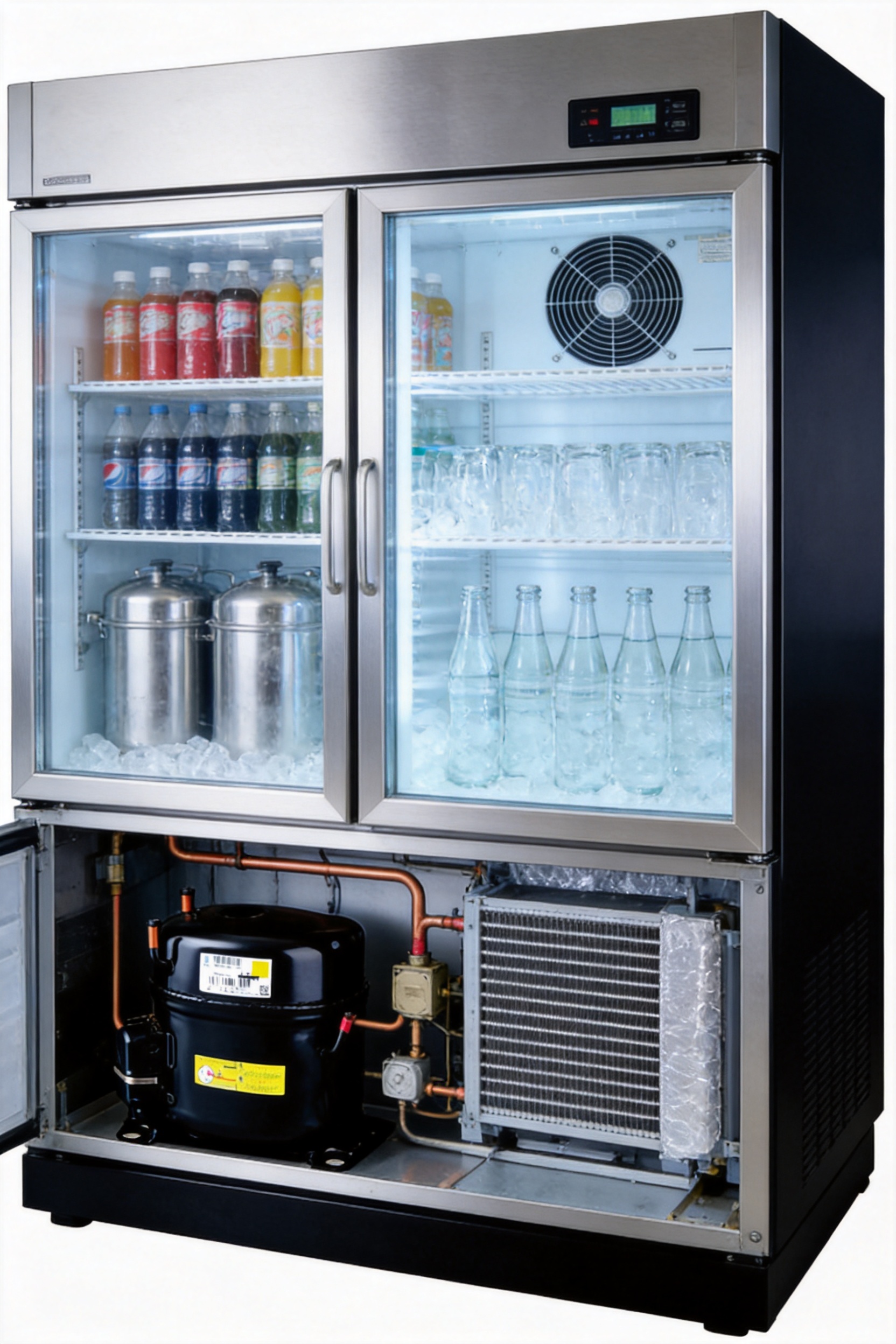
5. Integration into Commercial Cold Drink Equipment
5.1 Beverage Dispensers
Commercial juice dispensers and cold drink dispensers require consistent cooling for beverages stored in tanks or reservoirs. Depending on the machine design, the compressor may support a direct cooling system, a cooling bath, a chilled coil, or another heat-transfer arrangement. The compressor capacity must correspond to the number and size of tanks, the target temperature, the expected dispensing frequency, and the surrounding ambient conditions.
In a multi-tank dispenser, load distribution can be particularly important. Different tanks may experience different usage patterns, and the design must prevent one heavily used section from compromising the performance of another. The refrigeration circuit, thermostat arrangement, and insulation design should therefore be evaluated as a complete system.
5.2 Beverage Coolers and Refrigerated Cabinets
Refrigerated beverage cabinets need to remove heat from both the stored products and the cabinet interior. Door openings introduce warm air and humidity, while product replenishment creates an additional temporary load. Compressor performance must be coordinated with evaporator airflow and condenser ventilation to support rapid recovery.
In glass-door equipment, heat gain through the door can also be significant. Proper insulation, door sealing, anti-condensation measures, and airflow management reduce the burden placed on the refrigeration system. A compact compressor can support an efficient cabinet layout while leaving adequate room for fan assemblies and service components.
5.3 Slush and Frozen Beverage Equipment
Slush machines operate at lower temperatures and may require continuous cooling around product cylinders or freezing chambers. Although the final refrigeration design differs from a standard cold drink dispenser, the same principles apply: the compressor must be matched to the evaporator, refrigerant circuit, heat load, and duty cycle.
Frozen beverage machines may also experience substantial mechanical and thermal stress because product viscosity changes as the beverage freezes. The refrigeration system must remain stable while the machine’s agitator or mixing system operates. Professional system design helps ensure that the compressor is not exposed to conditions outside its intended application range.
5.4 Ice Cream and Related Foodservice Equipment
Commercial ice cream equipment and fried ice cream roll machines may use refrigeration systems with demanding pull-down requirements. The compressor selection must reflect the target operating temperature, cooling surface area, product load, and production cycle. While the precise configuration may differ from a juice dispenser, the advantages of stable operation, compact construction, and reliable temperature control remain relevant.
For equipment manufacturers offering several product categories, a structured component strategy can simplify development. A compressor family may be evaluated across multiple platforms, provided that each final system is correctly engineered and tested for its specific operating conditions.
6. Manufacturing Strengths and Production Capabilities
The performance of a refrigeration compressor is important, but the quality of the finished commercial appliance also depends heavily on the manufacturer’s production capabilities. Spelor Electrical Appliances (Zhejiang) Co., Ltd. is a professional manufacturer integrating design, research and development, manufacturing, sales, and service. Its broad capabilities allow the compressor to be incorporated into complete foodservice equipment rather than supplied without application support.
The company operates more than 60,000 square meters of modern production facilities. This scale supports organized production, equipment assembly, component management, product testing, warehousing, and logistics coordination. A larger manufacturing environment can also help separate production processes, improve material flow, and support the development of multiple commercial equipment categories.
Spelor specializes in commercial refrigeration, kitchen equipment, and buffet equipment. Its product range includes ice cream machines, juice dispensers, fried ice cream machines, refrigeration cabinets, slush machines, flake ice machines, cooking equipment, griddles, fryers, insulation products, barbecue equipment, and buffet solutions.
This broad product experience is valuable because commercial refrigeration is not limited to one machine type. Different applications require different combinations of temperature control, airflow, insulation, food-contact materials, controls, structural design, and service access. Experience across several product categories helps the manufacturer understand how components such as compressors affect the complete equipment system.
6.1 Design and Research & Development
Effective refrigeration equipment begins with a clear understanding of the customer’s application. During the design stage, engineers can evaluate the required capacity, cabinet dimensions, product load, temperature range, ambient conditions, electrical supply, service expectations, and target market requirements.
For a compressor-based beverage appliance, research and development may include refrigeration circuit design, component matching, airflow analysis, insulation selection, control programming, noise reduction, structural reinforcement, and maintenance planning. These activities help ensure that the compressor is used in a way that supports the performance objectives of the finished machine.
Customization may be based on customer drawings, technical specifications, product concepts, or application requirements. This is particularly useful for OEM and ODM customers that need equipment adapted to a specific brand identity, market regulation, counter layout, voltage, product capacity, or distribution channel.
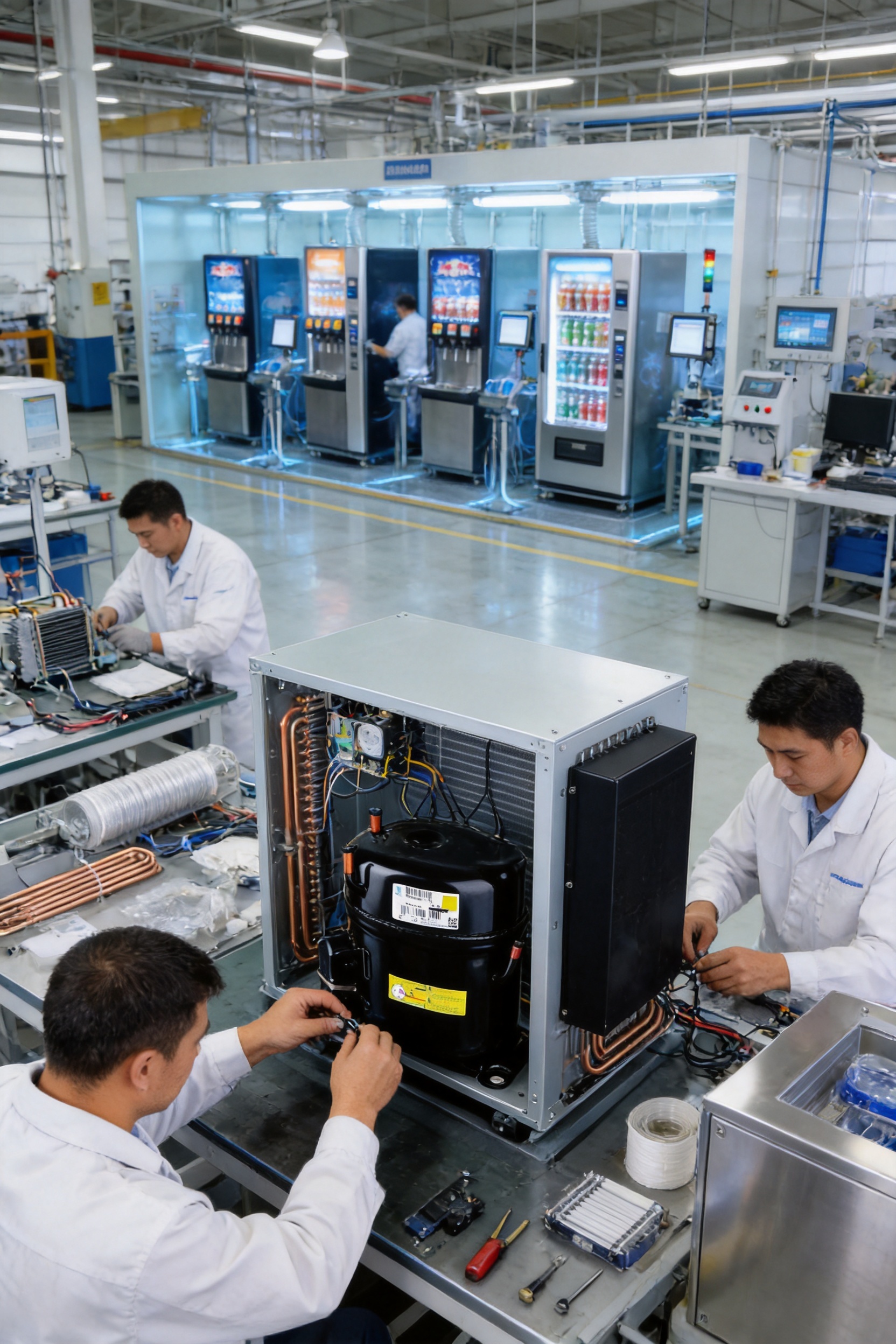
6.2 Controlled Assembly Processes
Refrigeration assembly requires attention to cleanliness, piping accuracy, electrical safety, and process consistency. Tubes must be routed correctly, joints must be securely connected, and components must be protected from unnecessary vibration. The compressor must be mounted firmly while allowing suitable vibration isolation and service access.
During assembly, the manufacturer can also verify condenser and evaporator placement, fan direction, drainage, wiring paths, insulation coverage, and cabinet clearances. These details may appear minor individually, but together they have a direct effect on cooling performance and service life.
A controlled assembly process reduces variation between units. This is important for distributors and chain operators that purchase equipment in batches. Consistent construction makes installation, training, maintenance, and spare-part planning easier across multiple sites.
6.3 Refrigeration Circuit Quality
The refrigeration circuit must be assembled with care because contamination, leakage, incorrect charging, or restricted airflow can reduce performance. Professional manufacturing practices include appropriate preparation of tubing, secure connections, circuit inspection, evacuation, refrigerant charging, and functional testing.
When the circuit is designed around the selected Tecumseh compressor, the manufacturer can evaluate operating pressures, temperature behavior, start-up performance, cooling recovery, and control response. This application-based approach is more dependable than installing a component without validating the complete refrigeration cycle.
6.4 Product Testing and Inspection
Testing is a vital part of commercial equipment manufacturing. A finished beverage appliance should be evaluated under representative operating conditions to confirm that it reaches the intended temperature, maintains stable operation, and responds correctly to controls.
Testing may include start-up checks, cooling performance, temperature stability, electrical operation, abnormal noise, vibration, condenser airflow, drainage, and visual inspection. The exact testing program depends on the equipment type and customer requirements. The purpose is to identify assembly or performance issues before shipment.
For OEM and ODM projects, product testing can also support design verification and production validation. Feedback from testing may lead to improvements in cabinet insulation, fan placement, control settings, compressor mounting, or piping layout.
7. OEM and ODM Support for Global Customers
Many commercial foodservice customers need more than a standard catalog product. They may require a beverage appliance with a special capacity, customized appearance, different electrical configuration, modified control functions, or integration into a larger foodservice project. An OEM and ODM manufacturer can support these needs through a structured development process.
Spelor provides customized solutions based on drawings or requirements. Customers may begin with a technical drawing, a written specification, a sample machine, a capacity target, or a general product concept. The manufacturer can then discuss feasibility, component selection, structure, production arrangements, packaging, and delivery expectations.
In compressor-based equipment, customization should preserve refrigeration reliability. Changes to cabinet dimensions, tank volume, door design, ambient operating conditions, or product capacity may affect the refrigeration load. For this reason, a professional manufacturer evaluates the compressor and refrigeration circuit again when major design changes are introduced.
OEM and ODM cooperation can also support private-label distribution. The customer may require a specific logo, panel design, product color, user interface, packaging format, or documentation set. These commercial details can be coordinated with the underlying refrigeration and manufacturing requirements.
Flexible logistics and payment solutions are also important for international customers. Commercial equipment may be shipped to distributors, restaurant groups, hospitality projects, supermarkets, or regional dealers. A manufacturer with experience serving global foodservice markets can help coordinate production schedules, export packaging, shipping arrangements, and documentation.
8. Installation and Application Considerations
Because the compressor is not sold separately, installation should be handled as part of the complete appliance or by qualified service personnel following the manufacturer’s instructions. The compressor model, refrigerant, electrical supply, control system, and refrigeration circuit must be confirmed before commissioning.
8.1 Ventilation
The condenser must have sufficient airflow to release heat. If the appliance is installed too close to a wall, placed inside an enclosed cabinet, or surrounded by other heat-producing equipment, the condensing temperature may rise. This can increase energy consumption and place additional stress on the compressor.
Operators should keep ventilation openings clear and follow the recommended installation distances. Filters, condenser surfaces, and air passages should be inspected and cleaned according to the service schedule.
8.2 Electrical Supply
The electrical supply must match the appliance specification. Voltage fluctuations, unsuitable extension cords, inadequate circuit protection, or loose connections can cause poor performance or damage. The machine should be connected by qualified personnel, with appropriate grounding and protective devices.
For export equipment, electrical requirements may vary by destination market. OEM and ODM customers should confirm voltage, frequency, plug type, control requirements, and applicable technical standards during the design stage.
8.3 Refrigerant and Service Compatibility
The refrigerant used in the appliance must be compatible with the compressor and all other refrigeration components. Service technicians should never substitute refrigerants or oils without confirming technical suitability. Incorrect refrigerant handling can reduce capacity, damage the compressor, or create safety concerns.
Any refrigeration service should be conducted by trained professionals using suitable recovery, evacuation, charging, and leak-detection equipment. Accurate service procedures help preserve the compressor’s performance and protect the entire system.
8.4 Cleaning and Maintenance
Regular cleaning is one of the simplest ways to support refrigeration efficiency. Dust and grease on the condenser can restrict heat transfer, while blocked airflow can increase operating temperature. Beverage spills, product residue, and moisture should also be cleaned from accessible parts of the machine to maintain hygiene and prevent corrosion.
Maintenance schedules should include condenser inspection, fan operation, door or lid seals, drainage, electrical connections, temperature controls, and unusual noise or vibration. Early attention to abnormal conditions can prevent more serious failures.
9. Total Cost of Ownership
The purchase price of a commercial cold drink appliance is only one part of its total cost. Owners should also consider electricity, maintenance, downtime, spare parts, labor, product waste, and expected service life. A reliable compressor can contribute to lower total cost of ownership by supporting stable operation and reducing the likelihood of premature refrigeration failure.
Energy efficiency has a cumulative effect. Even a moderate reduction in daily electricity consumption can become significant over several years, particularly for equipment that operates continuously. Good insulation, clean heat exchangers, correct thermostat settings, and appropriate compressor selection all contribute to this result.
Downtime can be even more expensive in high-volume foodservice operations. If a beverage dispenser or cooler cannot maintain temperature during a busy service period, the operator may lose sales, discard product, or rely on temporary equipment. Durable refrigeration components and responsive after-sales support help reduce these business risks.
Serviceability also affects cost. A well-organized appliance with accessible components can be diagnosed and repaired more quickly. The compact compressor design, when integrated thoughtfully, can leave sufficient room for technicians to inspect wiring, fans, piping, and controls.
10. Quality and Reliability in Foodservice Applications
Commercial foodservice equipment must support both operational and hygiene objectives. Stable temperature helps protect beverage quality, while dependable construction reduces interruptions that could affect product handling. The refrigeration system should work together with food-contact components, drainage, cabinet materials, and cleaning procedures.
Reliability is influenced by the environment in which the appliance is used. A restaurant kitchen may expose equipment to grease and heat. A supermarket may require long operating hours and frequent customer interaction. A hotel buffet may prioritize quiet operation and attractive appearance. A snack shop may need compact dimensions and simple maintenance. The same compressor platform can be useful across these markets when the complete appliance is properly adapted.
Spelor’s experience in commercial refrigeration and foodservice equipment allows it to consider these varied operating environments during product development. The objective is not merely to install a compressor, but to create equipment that performs consistently in practical business conditions.
11. Why Manufacturer Integration Matters
Buying a compressor through a complete-equipment manufacturer provides several advantages over selecting an unknown replacement based only on physical dimensions. The manufacturer can confirm whether the component is appropriate for the intended refrigeration circuit and can provide model-specific technical support.
Integration also protects the balance of the system. Compressor capacity affects evaporator performance, condenser loading, expansion-device selection, electrical protection, control cycling, and cabinet temperature. A replacement that appears similar may have different operating characteristics and could create unstable pressures or poor cooling.
When the compressor is supplied as part of a finished appliance or an approved spare-parts program, the customer benefits from better traceability. The equipment model, production information, service documentation, and component configuration can be coordinated. This makes future maintenance more efficient and reduces uncertainty.
For distributors and project buyers, manufacturer integration also simplifies procurement. Instead of managing several unrelated suppliers for cabinets, refrigeration systems, controls, and spare parts, customers can work with one experienced partner for a broader equipment package.
12. Suitable Customer Applications
The compressor and related equipment solutions are suitable for a broad range of commercial foodservice customers. These may include snack shops, fast-food chains, bars, restaurants, hotels, supermarkets, convenience stores, institutional kitchens, catering operations, and buffet facilities.
They can also support equipment distributors, importers, private-label brands, project contractors, and regional dealers. Customers that require a standard commercial appliance may benefit from established product configurations, while customers with special requirements can explore OEM and ODM development.
For multi-site operators, consistency is particularly important. Equipment with repeatable refrigeration performance can simplify staff training, maintenance planning, and spare-parts management. For distributors, a reliable product range can support long-term customer relationships and reduce after-sales complications.
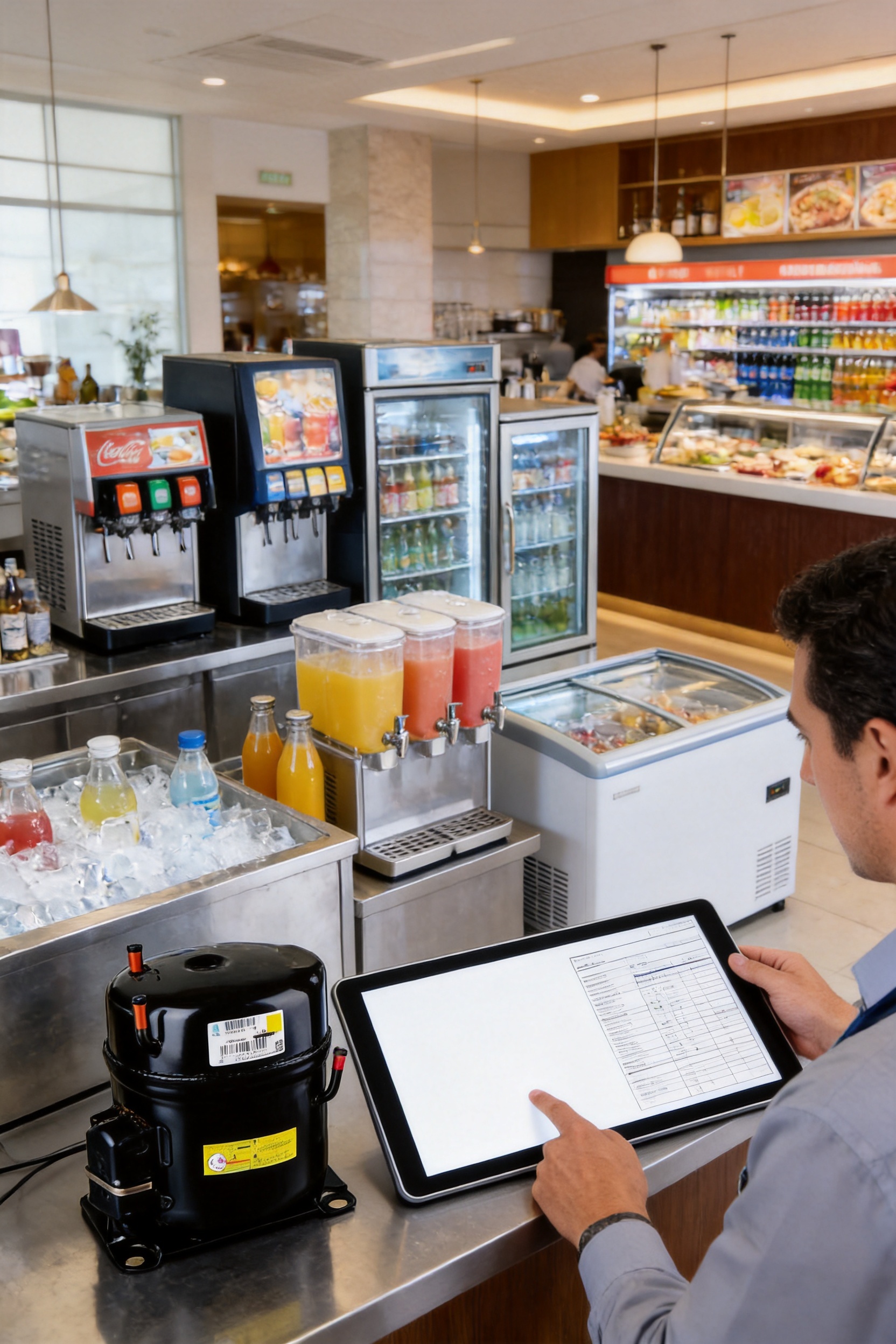
13. Purchasing and Technical Evaluation Checklist
Before selecting a commercial refrigeration compressor or complete beverage appliance, buyers should review the following considerations:
What type of appliance will use the compressor?
What beverage or product temperature is required?
What is the expected product load and daily usage frequency?
What ambient temperature and installation environment will apply?
What voltage and frequency are required at the destination?
Which refrigerant and oil specifications are appropriate?
Is the compressor being supplied as part of a compatible complete system?
What ventilation and service clearances are needed?
What maintenance and after-sales support are available?
Can the manufacturer provide OEM or ODM customization?
Are packaging, documentation, logistics, and spare-parts arrangements suitable?
These questions help buyers evaluate both immediate product performance and long-term operating value. They also help prevent the common mistake of selecting a compressor solely by size or purchase price.
14. Q&A
Q1: Is the Tecumseh refrigeration compressor sold as an individual standalone product?
No. The compressor is listed as an optional component and spare part for commercial cold drink appliances, but it is not sold separately. This approach helps ensure that the component is supplied for a compatible equipment system and application.
Q2: What types of equipment can use this compressor solution?
It is intended for commercial beverage cooling equipment, including cold drink appliances, juice dispensers, beverage coolers, and related refrigeration systems. The exact application depends on the compressor configuration and the design of the complete refrigeration circuit.
Q3: What are the main advantages of the compressor?
Its main advantages include cost-effectiveness, durability, stable operation under high loads, rapid cooling support, compact construction, and good energy performance when properly integrated into a compatible system.
Q4: Can the compressor operate continuously?
It is designed for stable operation in commercial equipment, including applications with long operating hours. However, continuous operation depends on correct system design, ventilation, refrigerant charging, electrical protection, ambient conditions, and regular maintenance.
Q5: How does a compact compressor benefit beverage equipment?
A compact compressor can help reduce the space occupied by the refrigeration system, allowing more room for beverage tanks, insulation, controls, airflow, and service access. It can also support more flexible cabinet designs for counters, bars, restaurants, and retail environments.
Q6: Can the manufacturer customize equipment around the compressor?
Yes. The manufacturer offers OEM and ODM support based on drawings or customer requirements. Customization may involve cabinet structure, capacity, appearance, controls, electrical configuration, packaging, and other project details, subject to technical evaluation.
Q7: Does compressor efficiency depend on other components?
Yes. Compressor performance is affected by the condenser, evaporator, expansion device, refrigerant charge, insulation, airflow, thermostat settings, product load, and ambient temperature. The best results are achieved when the complete system is designed and tested as one unit.
Q8: What maintenance is recommended?
Routine maintenance should include condenser cleaning, airflow inspection, checking fans and electrical connections, verifying temperature control, examining seals and drainage, and watching for unusual vibration or noise. Refrigeration circuit service should be performed by qualified technicians.
Q9: Which industries can benefit from these equipment solutions?
Applications include restaurants, snack shops, fast-food chains, bars, hotels, supermarkets, convenience stores, institutional kitchens, catering companies, buffet operations, and other commercial foodservice environments.
Q10: Why should buyers work with an integrated equipment manufacturer?
An integrated manufacturer can match the compressor with the complete refrigeration system, manage assembly and testing, provide customization, coordinate logistics, and offer after-sales support. This reduces compatibility risks and simplifies procurement.
15. Conclusion
A refrigeration compressor has a direct influence on the reliability, cooling speed, energy use, and service life of commercial cold drink appliances. The Tecumseh compressor described here offers a practical combination of cost-effectiveness, durability, compact construction, stable high-load performance, and energy-conscious operation when correctly integrated into a complete commercial refrigeration system.
Its value is greatest when it is selected and installed as part of a professionally engineered appliance rather than treated as an interchangeable standalone component. Proper matching with the condenser, evaporator, refrigerant, controls, electrical system, insulation, and cabinet design allows the compressor to deliver dependable performance in demanding foodservice environments.
Spelor Electrical Appliances (Zhejiang) Co., Ltd. strengthens this solution through integrated design, research and development, manufacturing, sales, and service capabilities. With more than 60,000 square meters of modern production facilities and experience across commercial refrigeration, kitchen, and buffet equipment, the company can support standard products as well as OEM and ODM projects.
For customers seeking dependable beverage cooling equipment, the combination of a commercially suitable compressor and a capable manufacturing partner can provide meaningful advantages throughout the product life cycle. It supports efficient procurement, stable daily operation, easier maintenance, flexible customization, and long-term business value for global foodservice markets.
References
1. ASHRAE Handbook—Refrigeration. Principles of vapor-compression refrigeration systems, equipment selection, and commercial refrigeration applications.
2. ASHRAE Handbook—HVAC Systems and Equipment. Guidance on refrigeration equipment performance, heat rejection, airflow, and system design.
3. International Organization for Standardization. General principles for refrigeration system safety, performance, and equipment evaluation.
4. International Electrotechnical Commission. General safety requirements for electrical refrigeration appliances and commercial equipment.
5. U.S. Department of Energy. Technical guidance on commercial refrigeration energy performance and equipment efficiency.
6. European Commission. Ecodesign and energy-efficiency considerations for refrigeration and professional foodservice equipment.
7. Tecumseh technical literature. Compressor application principles, operating considerations, and refrigeration system integration guidance.
8. Commercial refrigeration equipment engineering manuals. Best practices for compressor selection, condenser ventilation, system commissioning, and preventive maintenance.
9. Foodservice equipment maintenance references. Procedures for cleaning heat exchangers, inspecting airflow, protecting electrical systems, and maintaining temperature control.
10. Manufacturer-provided product and company information for commercial refrigeration, kitchen equipment, beverage dispensers, and OEM/ODM foodservice solutions.
Product: Tecumseh Refrigeration Compressor for Commercial Cold Drink Appliances(Not sold separately)

For exclusive deals and latest offers, sign up by entering your email address below.


-
spelor@spelor.com
-
+86-576-85229688
-
No.528, Changxi Road, Linhai City, Zhejiang Province, China
Commercial Refrigeration Equipment Manufacturer China
Copyright © 2025 by Spelor Electrical Appliances (Zhejiang) Co., Ltd. Rights Reserved.
