


 中文简体
12L Single-Tank Slush Machine for Home and Commercial Beverage Service
Admin 2026-11-08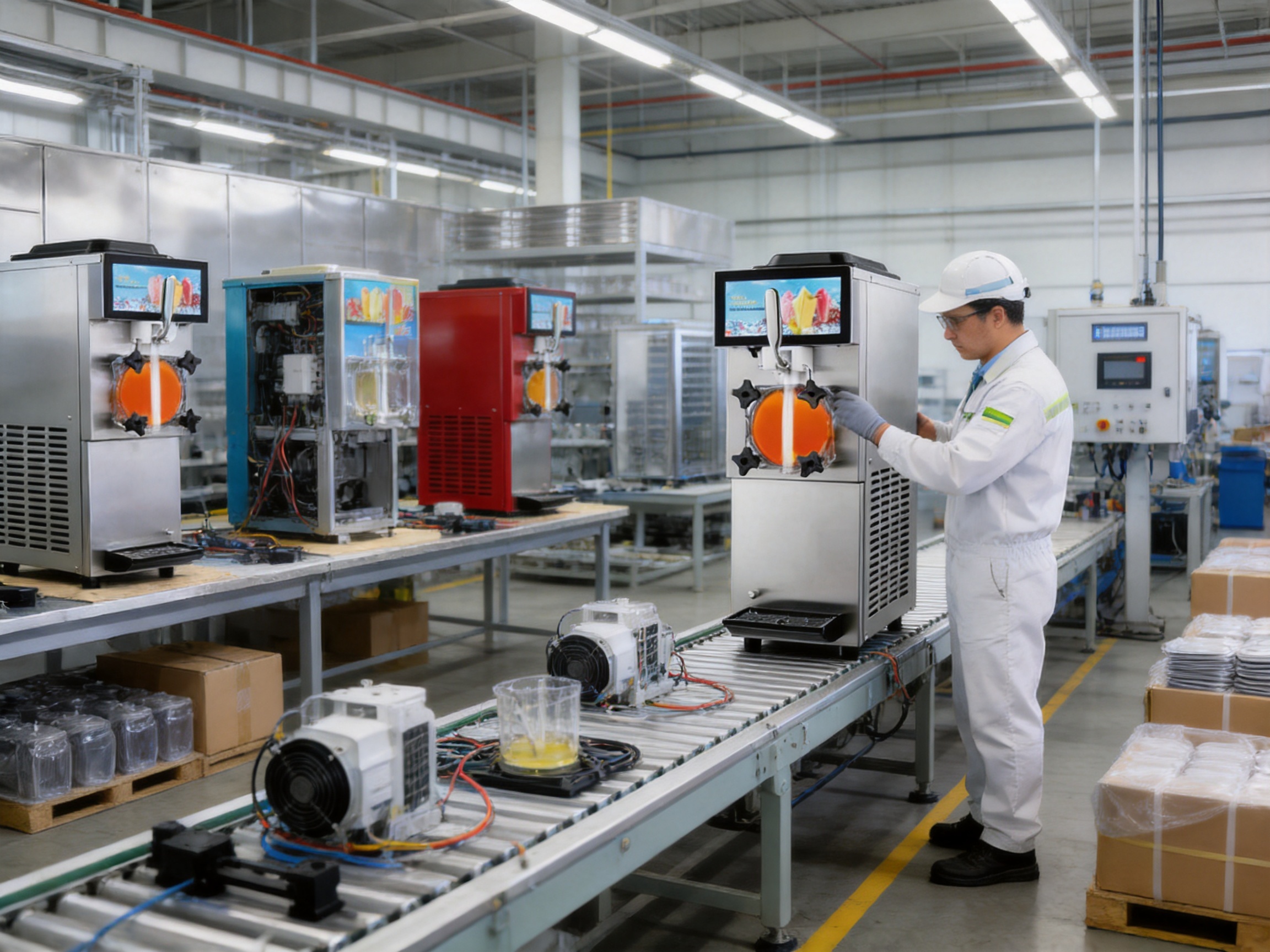
Frozen beverages have become a popular choice in homes, cafés, snack shops, restaurants, convenience stores, bars, and event venues. Smoothies, slush drinks, frozen fruit beverages, and other chilled refreshments attract customers because they combine strong visual appeal with a refreshing texture. For operators, however, producing consistent frozen drinks requires more than a basic cooling appliance. The equipment must cool efficiently, stir evenly, maintain a stable serving texture, operate safely, and remain easy to clean during busy service periods.
The 12L Single-Tank Slush Machine for Home and Commercial use is designed to provide a practical solution for these requirements. With a 12-liter tank, a compact footprint, a 1050-watt rated output, and a cooling system using R410 or R290 gas options, the machine is suitable for small-scale commercial environments and demanding domestic applications. Its single-tank configuration simplifies operation while allowing users to prepare an attractive quantity of frozen beverages without occupying excessive counter or floor space.
This equipment is manufactured by Spelor Electrical Appliances (Zhejiang) Co., Ltd., a Chinese foodservice equipment factory specializing in commercial refrigeration, kitchen equipment, buffet solutions, and related appliances. The manufacturer integrates product design, research and development, production, sales, and service. Its manufacturing base covers more than 60,000 square meters and supports the production of equipment for snack shops, fast-food chains, bars, supermarkets, institutions, and other foodservice businesses.
This article examines the machine’s construction, technical specifications, operating advantages, commercial value, manufacturing strengths, maintenance requirements, and possible applications. It also explains how a compact single-tank design can compete effectively with larger or more complicated frozen beverage systems.
Product Overview
The machine is a 12-liter single-tank slush dispenser intended for preparing and serving frozen drinks. The tank provides enough capacity for regular service while remaining substantially more compact than many multi-tank units. This balance makes the machine suitable for locations where beverage demand is steady but not large enough to justify a high-capacity production system.
The machine body combines food-grade stainless steel with colorful sprayed steel. Stainless steel is widely used in professional food equipment because it offers a clean appearance, a durable surface, and good resistance to routine moisture exposure. The sprayed steel exterior provides additional design flexibility, allowing the equipment to be presented in a more attractive color scheme than a plain industrial cabinet.
Its listed dimensions are 280 by 640 by 880 millimeters. The narrow width is particularly useful in environments where counter and floor space are limited. The vertical format uses available height efficiently, while the single-tank layout keeps the front operating area straightforward. Before installation, users should still confirm that there is sufficient clearance around the machine for ventilation, cleaning, service access, and safe electrical connection.
The machine weighs approximately 45 kilograms. This weight reflects the presence of the cooling system, tank assembly, stirring mechanism, cabinet, and related components. It is substantial enough to provide stability during operation, while still being manageable for professional installation with suitable handling support.
The product model is XN240C. Its rated output is 1050 watts, and the stated refrigerant options are R410 and R290. The general product specification lists R410, while the detailed information identifies R410/R290 as available gas options. The exact refrigerant configuration should therefore be confirmed with the supplier before purchase, especially because refrigerant selection can depend on market regulations, production configuration, and customer requirements.
| Product category | Commercial slush machine |
| Product type | Single-tank frozen beverage dispenser |
| Model | XN240C |
| Tank capacity | 12 liters |
| Rated output | 1050 watts |
| Net weight | Approximately 45 kilograms |
| Dimensions | 280 x 640 x 880 millimeters |
| Refrigerant options | R410 or R290, subject to configuration |
| Body materials | Food-grade stainless steel and sprayed steel |
| Primary applications | Homes, cafés, snack shops, small restaurants, bars, events, and other foodservice locations |
Why a Single-Tank Design Is Practical
Many commercial frozen beverage machines are designed with two or more tanks. Multi-tank equipment can serve different flavors simultaneously, but it also requires more installation space, a larger investment, and more cleaning work. A single-tank machine is a more focused solution for businesses that mainly sell one core frozen beverage or prefer to change flavors between service periods.
The 12-liter tank is large enough for small commercial demand without creating unnecessary product waste. Operators can prepare a manageable batch, monitor consumption, and refill according to actual sales. This is valuable for cafés, small restaurants, family entertainment venues, and seasonal businesses where demand may change from one day to another.
A single tank also simplifies staff training. Employees do not need to learn different operating settings for several independent chambers. The straightforward configuration can reduce the number of routine decisions during service and make the machine more accessible to new operators.
Cleaning is another important consideration. A single tank generally contains fewer product-contact surfaces and fewer disassembly points than a multi-tank model. This can shorten daily sanitation work and help staff maintain a more consistent cleaning routine. The exact cleaning procedure should follow the equipment manual, particularly for seals, dispensing components, augers, and product-contact parts.
Compared with countertop units designed only for occasional domestic use, this machine provides a larger tank, stronger commercial orientation, and a more substantial cooling and stirring system. Compared with large multi-tank dispensers, it offers a smaller footprint and a simpler operational structure. This middle position is one of its main competitive advantages.

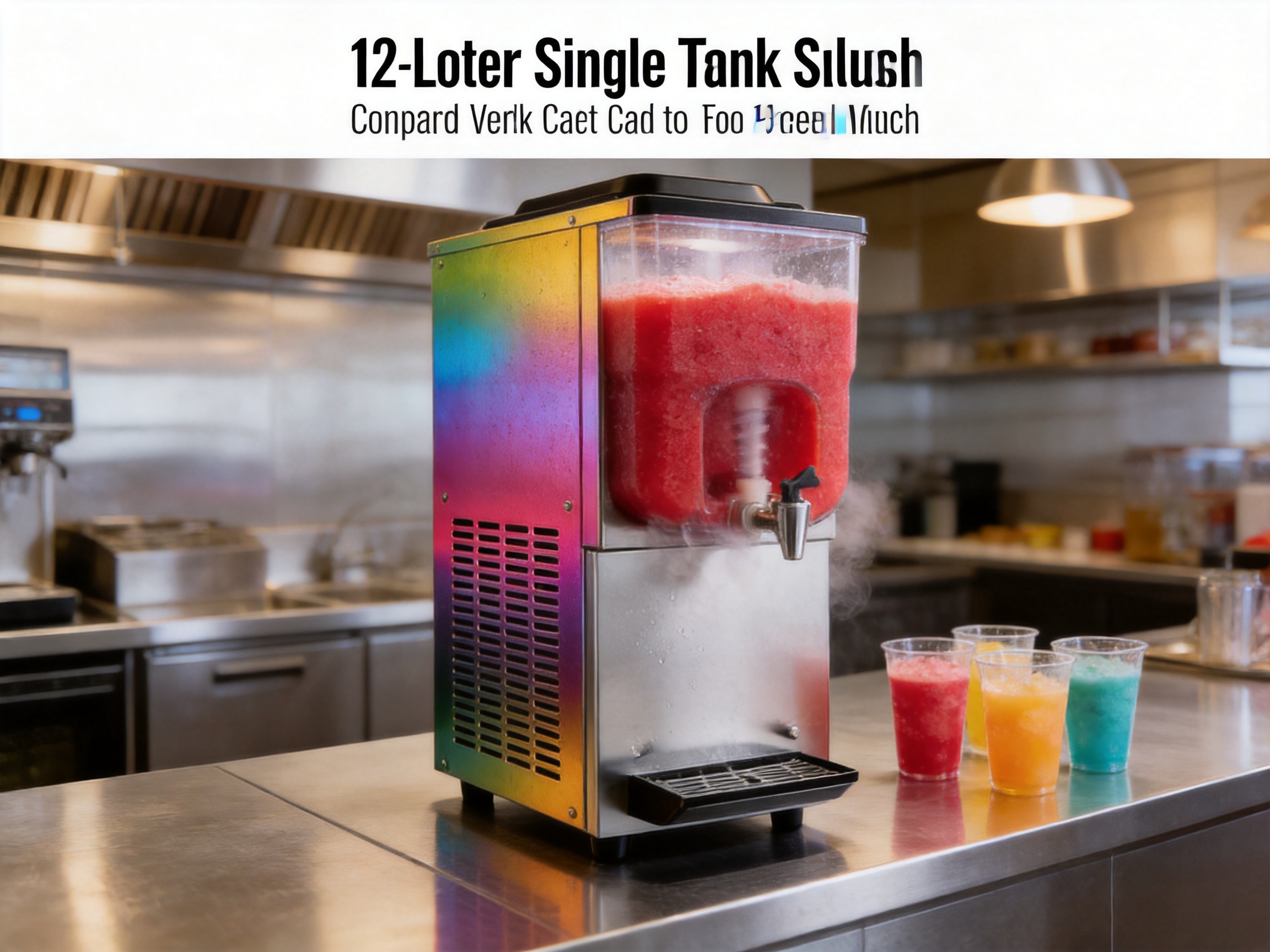
12L Single Tank Slush Machine for Home/Commercial
Food-Grade Construction and Appearance
Food equipment must support both hygiene and durability. The body of this machine is made from food-grade stainless steel and sprayed steel. Stainless steel is a familiar material in professional kitchens because its smooth surfaces are comparatively easy to wipe and maintain. It also gives the machine a clean, professional appearance suitable for customer-facing locations.
The exterior design is not merely decorative. A well-finished cabinet can help protect internal components from routine contact, splashes, and the general demands of a commercial environment. The colorful sprayed steel sections can also help the machine fit a café theme, dessert shop interior, convenience store layout, or promotional beverage station.
Appearance can influence purchasing decisions in frozen beverage service. Slush products are visually attractive, and the machine that produces them is often positioned where customers can see it. A clean, well-presented dispenser can reinforce the impression that the operator pays attention to food quality and service organization.
The use of stainless steel and coated steel also supports long-term maintenance. Operators should avoid abrasive cleaning tools and aggressive chemicals that could damage surfaces. Routine wiping, prompt removal of spills, and appropriate sanitation products are generally better for preserving the finish.
Cooling Performance and Beverage Consistency
The principal function of a slush machine is to convert a liquid beverage mix into a smooth, partially frozen product while keeping it ready for dispensing. This requires coordinated performance from the compressor, refrigeration circuit, evaporating surface, and stirring mechanism. If cooling is too weak, the product may remain watery. If cooling is poorly controlled, the mixture may freeze unevenly or become excessively hard.
The 1050-watt rated output provides a substantial operating level for a compact 12-liter unit. Power alone does not determine final performance, since ambient temperature, beverage formulation, ventilation, initial product temperature, and operating settings also influence cooling time. Nevertheless, the rating indicates that the machine is designed for more than light household use.
The product information describes the machine as cooling quickly and stably. In practical operation, stable cooling helps the beverage maintain a more uniform texture during serving. The stirring action works together with the refrigeration system to distribute cold temperatures through the tank and reduce the chance of localized hardening.
Uniform stirring is especially important for beverages containing sugar, fruit ingredients, flavoring, or other suspended components. Continuous or controlled agitation helps keep the mixture consistent and supports a smoother mouthfeel. It can also reduce separation during holding, although the beverage formulation itself remains important.
Operators should follow the recommended recipe range for slush production. Sugar concentration, acidity, solids content, and alcohol content can all affect freezing behavior. A mixture that is too dilute may freeze excessively, while a mixture with too much sugar or alcohol may remain too soft. The machine can provide controlled cooling and stirring, but the formulation must be suitable for frozen beverage production.
Compact Footprint and Installation Benefits
Space is one of the most important limitations for small foodservice businesses. A machine that performs well but occupies too much room may be unsuitable for a narrow café counter, compact dessert shop, mobile service area, or small restaurant beverage station.
With a listed width of 280 millimeters, the machine is comparatively narrow for a 12-liter commercial slush dispenser. Its 640-millimeter depth and 880-millimeter height create a vertical footprint that can be easier to integrate into a beverage line. The slim profile may allow operators to place it beside a juice dispenser, ice cream machine, coffee station, or refrigerated display cabinet, provided that the installation location meets ventilation and electrical requirements.
A compact design can also improve workflow. Staff members can reach the tank, control area, and dispensing section without crossing a large operating zone. In busy service conditions, shorter movement paths may help reduce interruptions and make beverage preparation more organized.
The machine should be installed on a strong, level surface capable of supporting its approximately 45-kilogram net weight as well as the weight of the beverage mix. The area should be dry, clean, and protected from excessive heat. Adequate air circulation around the refrigeration system is essential. Blocking ventilation openings can reduce cooling efficiency and increase stress on the compressor.
Although the machine is compact, it should not be placed so close to walls or other equipment that technicians cannot access the rear and side areas. A practical installation plan should include space for cleaning buckets, ingredient containers, drainage procedures, and routine inspection.
Energy and Operating Considerations
The rated output of 1050 watts provides a useful reference for electrical planning. Operators should confirm the voltage, frequency, plug type, circuit capacity, and local electrical requirements before installation. The machine should be connected to a properly grounded power supply and should not share an overloaded circuit with other high-power appliances.
Actual energy consumption may differ from the rated output because refrigeration equipment cycles according to product temperature, ambient conditions, operating duration, and control settings. Keeping the machine away from direct sunlight and hot cooking equipment can help the cooling system work more efficiently.
Pre-chilling the beverage mix may also reduce the time required to reach serving condition. However, the mix should be prepared and stored according to applicable food safety requirements. Ingredients must be handled hygienically, and the tank should not be filled beyond the recommended level.
Efficient operation is not only an electrical issue. Overloading the tank, using unsuitable mixtures, opening the cover unnecessarily, or failing to clean the condenser area can all increase operating stress. Good operating habits allow the machine to deliver more consistent performance and may help reduce avoidable service calls.
Refrigerant Options and Technical Selection
The product specifications identify R410 and R290 as refrigerant options. The correct configuration should be specified during the purchasing process. Refrigerant selection can depend on regional regulations, safety standards, service availability, and the intended market.
R410 has been widely used in refrigeration and air-conditioning applications. R290, or propane refrigerant, is recognized as a low-global-warming-potential refrigerant but is classified as flammable. Equipment using R290 must be designed, manufactured, labeled, installed, and serviced according to applicable safety requirements.
Customers should not alter the refrigerant system themselves. Refrigerant charging, recovery, leak testing, and component replacement must be performed by qualified technicians using suitable equipment. Before importing the machine, distributors should confirm the relevant certification and documentation requirements for their country or region.
The availability of refrigerant alternatives can be valuable for international customers. It gives buyers an opportunity to select a configuration that aligns with local market expectations and regulatory conditions. At the same time, the final gas type, electrical specification, and certification package should be recorded clearly in the order documents.
Ease of Operation and Staff Training
A commercial appliance must be practical for the people who use it every day. The single-tank configuration reduces operational complexity, allowing staff to concentrate on product preparation, serving, and sanitation rather than managing several independent chambers.
Typical operation involves preparing the beverage mix, adding it to the tank, starting the machine, allowing the refrigeration and stirring systems to reach the desired condition, and dispensing the product when the texture is ready. Operators should use the control settings recommended by the supplier and avoid starting the system without the required product load if the equipment instructions prohibit dry operation.
Staff training should cover ingredient preparation, filling limits, control operation, dispensing technique, cleaning, and emergency procedures. Employees should understand that the machine is not a substitute for safe food handling. Ingredients must be fresh, containers must be clean, and finished product must be managed within the appropriate temperature and time limits.
The clear layout of a compact single-tank dispenser can support consistent training across shifts. A manager can establish a standard operating procedure that includes opening inspection, product preparation, service monitoring, closing sanitation, and maintenance records.
Applications in Home and Commercial Environments
Home Use
For home users, the machine can support family gatherings, celebrations, outdoor events, and regular preparation of smoothies or cold drinks. Its 12-liter capacity is considerably larger than that of many domestic frozen beverage appliances, making it useful when several people need to be served during the same occasion.
Because the machine is designed with a commercial orientation, home users should plan the installation carefully. The appliance requires suitable electrical capacity, adequate ventilation, and enough room for cleaning. It may be particularly appropriate for large households, hobby beverage preparation, private entertainment spaces, and catering-style home events.
Cafés and Dessert Shops
Cafés and dessert shops can use the machine to add frozen beverages to an existing menu. A single signature flavor may be sufficient for a small business, especially when the operator wants to promote a seasonal product or a high-margin specialty drink.
The dispenser can be positioned near the point of sale so customers can see the frozen product being prepared. This can create an attractive visual element without requiring the space or investment associated with a larger multi-flavor system.
Small Restaurants and Snack Shops
Small restaurants and snack shops often need versatile equipment that can serve multiple menu functions without taking over the kitchen. A 12-liter slush machine can support fruit drinks, dessert beverages, children’s refreshments, and seasonal promotions.
Its compact dimensions make it easier to place near a service counter or beverage preparation area. Operators can select a flavor that complements the restaurant menu and change the recipe as customer preferences develop.
Bars and Event Venues
Bars and event venues may use the machine for non-alcoholic frozen drinks or approved frozen cocktail recipes. When alcohol is used, the recipe must be compatible with the machine’s freezing capability and must comply with local service regulations. Because alcohol lowers the freezing point, the formulation should be tested carefully before commercial service.
Convenience Stores and Seasonal Businesses
Convenience stores, amusement facilities, kiosks, and seasonal beverage stands can benefit from a product that is visible, easy to understand, and quick to serve. The machine’s capacity is suitable for moderate traffic, while the single-tank arrangement keeps investment and cleaning requirements manageable.
Competitive Advantages Compared with Other Machine Types
Compared with Domestic Frozen Drink Appliances
Many domestic frozen drink appliances are designed for occasional use and small batches. The 12-liter machine offers a larger capacity and a more commercial construction approach. Its foodservice-oriented body, 1050-watt output, and approximately 45-kilogram structure indicate a machine intended for more regular operation.
For users who have outgrown a small home appliance, this model can provide greater production volume and better suitability for gatherings or small business service. It also presents a more professional appearance in customer-facing environments.
Compared with Large Multi-Tank Machines
Large multi-tank machines are useful when several flavors must be available at the same time. However, they usually require more space, higher investment, increased electrical planning, and additional cleaning work. A single-tank system is more efficient when the business has one primary flavor or changes flavors at scheduled intervals.
The 12-liter format may also reduce ingredient waste for businesses with moderate sales. Instead of filling several tanks that may not sell through quickly, operators can prepare a controlled quantity in one chamber.
Compared with Basic Manual Cooling Methods
Manual methods such as using freezers, ice containers, or occasional stirring are less reliable for commercial service. They may produce uneven textures, require more labor, and make it difficult to maintain a consistent product during operating hours. A dedicated slush machine integrates cooling and stirring in one system, creating a more repeatable production process.
Compared with Oversized Commercial Systems
Large commercial systems can be excessive for small establishments. Their capacity may be greater than actual demand, while their footprint can restrict the layout of a compact shop. The 12-liter model provides a balanced alternative: commercial capability without the scale of a high-volume centralized beverage system.
Manufacturing Strengths and Production Capabilities
The manufacturer, Spelor Electrical Appliances (Zhejiang) Co., Ltd., operates as an integrated equipment producer rather than a company focused only on final product distribution. Its business includes design, research and development, manufacturing, sales, and service. This integrated structure can support closer coordination between engineering, production, quality control, and customer support.
The company has more than 60,000 square meters of modern production facilities. A production base of this scale can support organized manufacturing flows, dedicated assembly areas, materials management, testing procedures, and product development activities. For international buyers, factory scale can be an important consideration because it may indicate the ability to manage repeat orders, product variations, and export-oriented production requirements.
The company’s product range includes ice cream machines, juice dispensers, fried ice cream machines, refrigeration cabinets, slush machines, flake ice machines, cooking equipment, griddles, fryers, insulation products, barbecue equipment, and buffet solutions. This broad portfolio gives the manufacturer experience across refrigeration, food preparation, thermal equipment, display equipment, and foodservice workflow solutions.
Such product diversity can be valuable for buyers developing a complete foodservice project. A distributor, restaurant group, hotel, or catering company may be able to source several related product categories from one manufacturing partner. This can simplify communication, specification management, packaging coordination, and after-sales support.
The company also provides OEM and ODM services based on drawings or customer requirements. OEM production may be suitable for buyers that need private-label manufacturing, specific exterior colors, customized packaging, or market-specific documentation. ODM cooperation can be appropriate when the buyer requires engineering support to develop a product or adapt an existing design to a particular application.
Customization should be discussed in detail before production. Important items may include voltage and frequency, refrigerant configuration, color, logo placement, packaging, control language, plug type, certifications, tank configuration, and accessory selection. A clear technical agreement helps reduce misunderstandings and supports consistent production.
Quality-Oriented Manufacturing Process
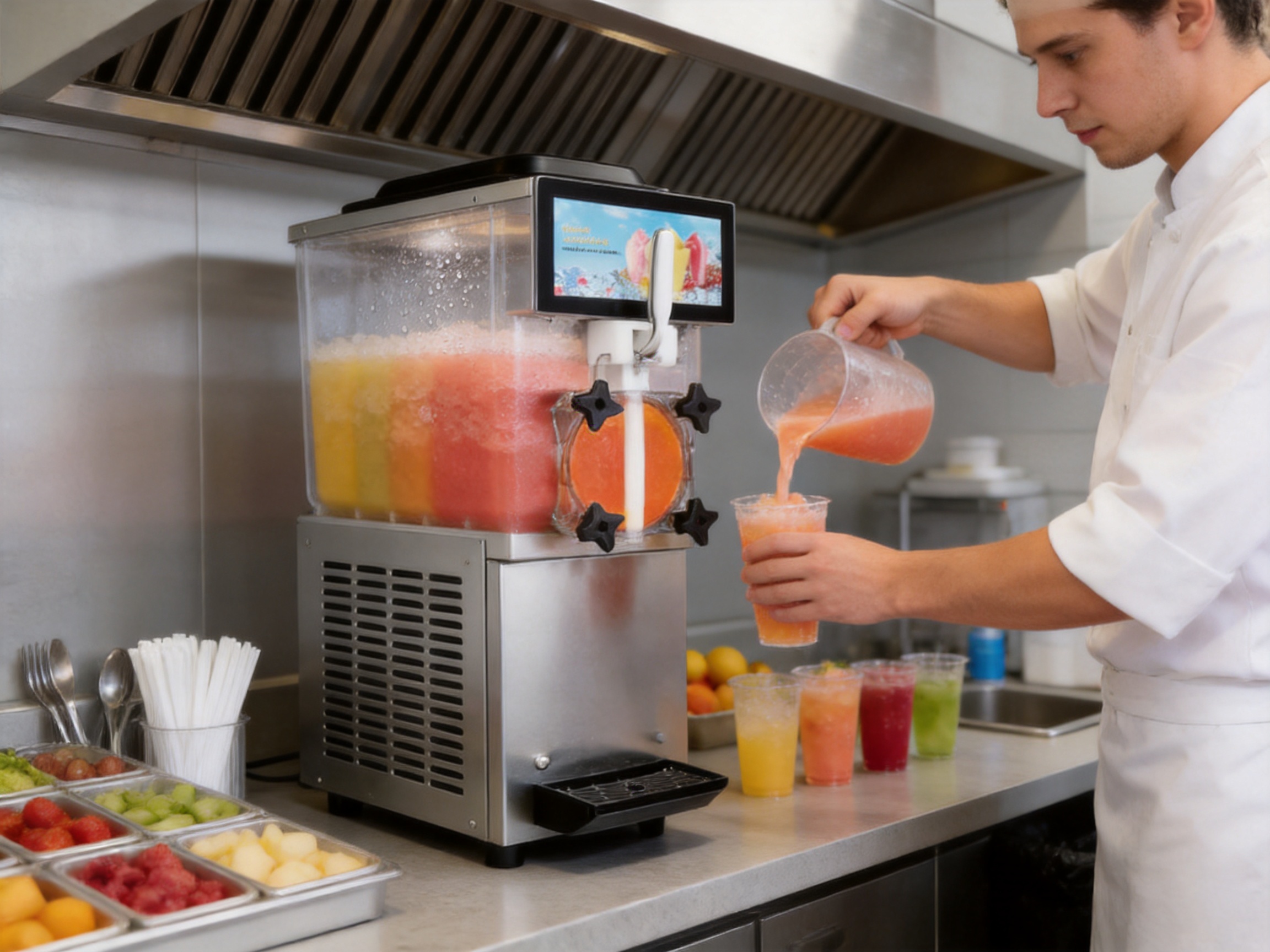
Reliable refrigeration equipment depends on the quality of many connected processes. A commercial slush machine is not simply a cabinet with a compressor. It requires coordinated fabrication, refrigeration assembly, electrical installation, sealing, testing, and final inspection.
Material Preparation
Production begins with the selection and preparation of metal materials, refrigeration components, electrical parts, seals, tank assemblies, and other components. Food-contact areas require particular attention because they must support hygienic operation and regular cleaning.
Cabinet Fabrication
Stainless steel and sprayed steel panels must be formed, cut, joined, and finished to create a stable cabinet. Accurate fabrication helps ensure that panels align correctly and that service areas remain accessible. Surface finishing also influences the final appearance and the machine’s resistance to routine wear.
Refrigeration System Assembly
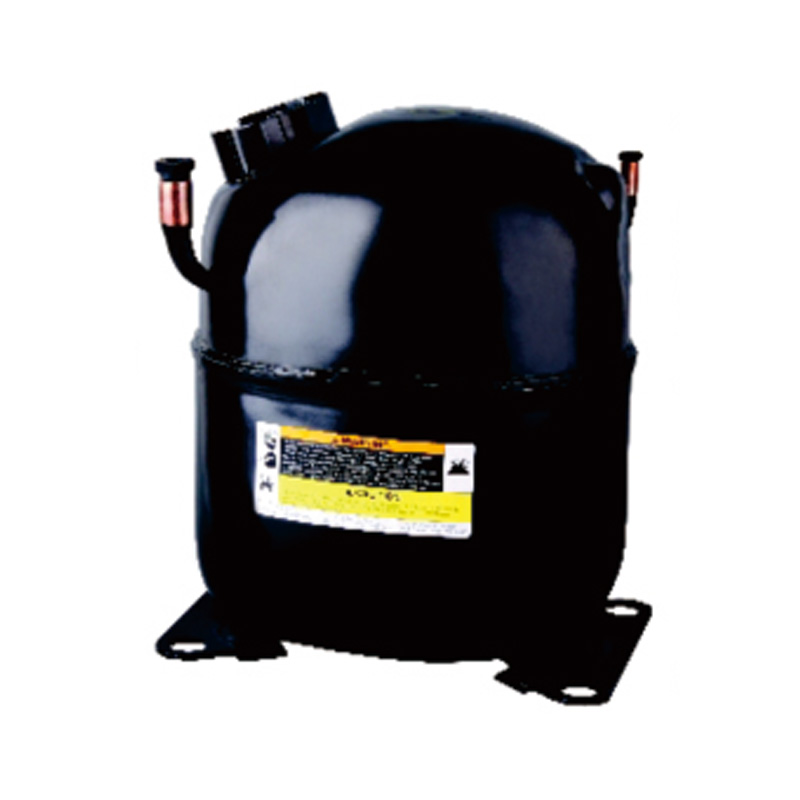
The refrigeration circuit includes the compressor, condenser, evaporator, tubing, controls, and refrigerant-related components. Proper assembly requires attention to connections, routing, insulation, and leak prevention. The selected refrigerant configuration must match the intended design and market requirements.
Tank and Stirring System Integration
The tank, stirring mechanism, drive components, and dispensing area must operate together smoothly. Alignment is important because irregular movement can create noise, vibration, uneven mixing, or excessive wear. Product-contact components must also be suitable for cleaning and routine foodservice use.
Electrical Installation
Electrical wiring, control components, switches, protective devices, and grounding connections must be installed systematically. Proper electrical assembly supports stable operation and helps reduce the possibility of preventable faults. Export orders may require different electrical configurations, so the intended market specification should be confirmed in advance.
Testing and Final Inspection
Finished units should be inspected for appearance, assembly quality, electrical performance, refrigeration operation, stirring action, and general functionality. Testing helps identify problems before shipment and gives the manufacturer an opportunity to verify that the machine corresponds to the approved specification.
For buyers, it is appropriate to request information about factory testing, quality documentation, inspection procedures, packaging standards, and available spare parts. These details can be especially important for distributors and commercial customers who need predictable long-term operation.
Maintenance and Sanitation
Regular maintenance is essential for any frozen beverage machine. A well-maintained unit is more likely to cool consistently, preserve product quality, and operate efficiently. Maintenance also supports food safety and helps identify small problems before they become major failures.
At the end of each service period, operators should remove remaining product according to the established food safety procedure. Product-contact parts should be cleaned and sanitized using approved methods. The tank, stirring components, dispensing outlet, seals, and covers deserve particular attention because residue can accumulate in joints and concealed areas.
The machine should never be cleaned with methods that may damage electrical components or force water into the refrigeration and control sections. Before disassembly, the equipment should be switched off and isolated from the power supply according to the operating instructions.
Seals and gaskets should be inspected regularly. Worn or damaged seals may cause leakage, reduce hygiene, or affect machine performance. Stirring components should be checked for unusual resistance, noise, or vibration. A change in normal operating sound can indicate that inspection is necessary.
The condenser and ventilation areas should be kept free from dust and obstructions. A dirty condenser can restrict heat release and cause the compressor to work harder. The cleaning schedule will depend on the location, operating hours, and surrounding environment, but high-dust areas may require more frequent attention.
Operators should also inspect the power cord, plug, controls, cabinet surfaces, and drainage areas. Any sign of damaged wiring, refrigerant leakage, abnormal odor, overheating, or repeated tripping should be treated as a service issue rather than ignored.
Food Safety and Product Management
A slush machine can support efficient beverage service, but safe food handling remains the responsibility of the operator. Ingredients should be purchased from approved sources, stored at appropriate temperatures, and handled with clean utensils and containers.
The beverage recipe should be standardized. Consistent measurements help ensure predictable freezing behavior, flavor, sweetness, and serving texture. Staff should record the recipe and avoid making unplanned changes that could affect the machine or the finished product.
The tank should not be filled above the recommended level. Overfilling can interfere with mixing, cause spills, and increase cleaning requirements. The operator should monitor the tank during service and refill it in controlled quantities.
Separate utensils should be used for different ingredients when necessary, particularly when allergen control is required. The machine should be fully cleaned and sanitized when changing between flavors or products, according to the business’s food safety plan.
Frozen products should be monitored for quality throughout the service period. Changes in texture, color, odor, or taste may indicate a formulation problem, excessive holding time, or sanitation issue. Products that do not meet the operator’s safety and quality standards should not be served.
Purchasing Considerations for Importers and Distributors
International buyers should evaluate more than the tank capacity and exterior appearance. A complete purchasing review should include electrical requirements, refrigerant type, certifications, packaging, spare parts, warranty terms, minimum order quantities, production lead time, and shipping arrangements.
The buyer should request a technical data sheet that confirms the final product configuration. The document should identify the model, tank volume, rated output, dimensions, weight, refrigerant, voltage, frequency, plug, control system, and included components.
Packaging should be appropriate for export transportation. The machine should be protected against impact, moisture, and movement during handling. Buyers may also require palletization, reinforced cartons, labeling, barcode information, or customized manuals.
Spare parts availability is another important factor. Common replacement items may include seals, stirring components, electrical controls, switches, dispensing parts, and refrigeration-related components. A manufacturer with experience in commercial foodservice equipment can be better positioned to organize spare-parts support and technical communication.
Distributors should also consider whether the product fits their local market. The compact single-tank configuration is likely to appeal to small cafés, independent restaurants, event operators, and domestic customers seeking higher capacity. It may be less suitable for high-volume locations that require several flavors simultaneously. Understanding the target customer helps prevent mismatched inventory.
Service, Customization, and Long-Term Cooperation
Spelor provides pre-sales consultation, product customization, logistics and payment solutions, and after-sales maintenance support. These services are important because commercial equipment purchases often involve more than a single unit. Buyers may need assistance selecting models, preparing technical documents, arranging production, and planning installation.
OEM and ODM capabilities can help customers adapt the machine to a specific business identity or distribution strategy. Possible customization areas may include body color, branding, control labels, packaging, documentation, electrical specifications, and product configuration. The feasibility of each request should be confirmed with the factory’s engineering and production teams.
Long-term cooperation benefits from clear communication at every stage. Buyers should provide drawings, market requirements, expected order volumes, and certification needs as early as possible. The manufacturer can then evaluate the request, confirm the production method, and provide an appropriate quotation and technical proposal.
After-sales service is also central to equipment value. A machine that is well supported can be easier to maintain over its working life. Customers should establish a clear process for reporting technical problems, identifying replacement parts, arranging troubleshooting, and documenting warranty claims.
Recommended Operating Workflow
Before Starting
Place the machine on a stable, level surface. Check that the ventilation area is unobstructed and that the electrical supply matches the nameplate requirements. Inspect the tank, cover, dispensing area, and stirring components before adding ingredients.
Preparing the Mix
Prepare the beverage according to a tested recipe. Ensure that ingredients are hygienic and thoroughly blended. If the recipe requires pre-chilling, cool the mixture before loading it into the tank. Do not use ingredients that may damage product-contact components or interfere with normal freezing.
Loading the Tank
Add the mixture without exceeding the recommended fill line. Avoid introducing large pieces of fruit, ice, or other solids unless the machine is specifically designed to handle them. Close the tank correctly before starting the equipment.
During Service
Monitor the texture, temperature, product level, and dispensing performance. Keep the surrounding area clean and remove spills promptly. If abnormal noise, vibration, odor, or electrical behavior appears, stop using the machine and arrange a qualified inspection.
After Service
Follow the approved shutdown, product removal, cleaning, and sanitation procedure. Dry or protect components as instructed. Record any unusual observations so that maintenance staff can address them before the next operating period.
Frequently Asked Questions
What is the capacity of this slush machine?
The machine has a 12-liter single tank. This capacity is suitable for home gatherings, cafés, small restaurants, snack shops, bars, event service, and other moderate-volume applications.
Is the machine suitable for commercial use?
Yes. Its commercial-oriented construction, 1050-watt rated output, food-grade stainless steel body components, and 12-liter capacity make it suitable for small and medium-scale beverage service. The actual suitability depends on sales volume, operating hours, recipe, ambient temperature, and installation conditions.
Can it be used at home?
Yes. The machine is also suitable for home use, especially for large families, parties, private events, and users who want higher capacity than a typical domestic frozen drink appliance. Home users must provide the correct electrical supply, ventilation, installation surface, and cleaning routine.
What are the machine dimensions?
The listed dimensions are 280 by 640 by 880 millimeters. Buyers should allow additional space around the unit for ventilation, cleaning, safe operation, and service access.
How much does the machine weigh?
The net weight is approximately 45 kilograms. Appropriate handling assistance should be used during installation and relocation.
What refrigerant does the machine use?
The general specification lists R410, while the detailed product information identifies R410 and R290 as possible configurations. Customers should confirm the final refrigerant type with the supplier before ordering because the choice may depend on market and regulatory requirements.
Can the tank prepare different flavors?
Yes, but because this is a single-tank machine, it normally prepares one flavor or product formulation at a time. The tank should be cleaned and sanitized thoroughly before changing to a different flavor.
Is the machine difficult to clean?
The single-tank format is relatively straightforward to clean compared with many multi-tank designs. Operators must still follow the manufacturer’s instructions and pay attention to the tank, stirring components, dispensing parts, seals, and other product-contact surfaces.
What types of drinks can it prepare?
It can be used for suitable slush beverages, smoothies, frozen fruit drinks, and other chilled products formulated for this type of equipment. Recipes should be tested for sugar, solids, acidity, and alcohol content before commercial use.
Does the manufacturer provide OEM and ODM services?
Yes. Spelor offers OEM and ODM cooperation based on customer drawings or requirements. Possible project elements may include appearance, branding, packaging, electrical specifications, documentation, and other agreed technical details.
What industries can use this machine?
Potential users include cafés, dessert shops, snack stores, fast-food businesses, bars, convenience stores, small restaurants, catering operators, event venues, institutions, and home users who need a larger frozen beverage capacity.
What should be confirmed before purchase?
Buyers should confirm the final model, tank capacity, voltage, frequency, refrigerant, dimensions, weight, included components, certifications, packaging, warranty, spare parts, delivery schedule, and after-sales support arrangements.
Conclusion
The 12L Single-Tank Slush Machine for Home and Commercial use offers a balanced solution for users who need reliable frozen beverage preparation without the size and complexity of a large multi-tank system. Its 12-liter capacity supports moderate service demand, while the compact 280 x 640 x 880-millimeter format helps it fit into space-conscious environments.
The machine combines food-grade stainless steel and sprayed steel construction with a 1050-watt rated output, stable cooling, even stirring, and a professional appearance. These features make it suitable for home gatherings as well as cafés, small restaurants, snack shops, bars, convenience stores, and event operations.
Its competitive strength comes from the balance between capacity, footprint, simplicity, and commercial usability. A single-tank layout can reduce cleaning complexity and ingredient waste for operators that do not need several flavors at the same time. Compared with basic domestic equipment, it provides a stronger foodservice orientation. Compared with oversized commercial systems, it offers a more accessible and space-efficient format.
The manufacturing capabilities of Spelor Electrical Appliances (Zhejiang) Co., Ltd. further support the product’s value. With integrated design, research and development, manufacturing, sales, and service operations, more than 60,000 square meters of production facilities, and experience across multiple foodservice equipment categories, the company is positioned to support standard purchases as well as OEM and ODM projects.
For the best results, buyers should match the machine to their expected beverage volume, installation conditions, electrical supply, recipe requirements, and local regulations. With correct operation, regular sanitation, appropriate maintenance, and dependable technical support, this compact 12-liter slush machine can become an efficient addition to a wide range of foodservice and beverage businesses.
References
1. Product specification sheet for the XN240C 12L single-tank slush machine, including capacity, power, dimensions, weight, body materials, and refrigerant information.
2. Manufacturer-provided company profile for Spelor Electrical Appliances (Zhejiang) Co., Ltd., including production facilities, product categories, OEM and ODM capabilities, and customer support services.
3. General foodservice equipment sanitation principles for frozen beverage dispensers, including cleaning, product-contact surface care, and routine maintenance practices.
4. General commercial refrigeration guidance concerning ventilation, electrical installation, refrigerant handling, and qualified technical servicing.
5. General food safety practices for beverage preparation, ingredient handling, recipe control, storage, and service operations.
Product: 12L Single Tank Slush Machine for Home/Commercial

For exclusive deals and latest offers, sign up by entering your email address below.


-
spelor@spelor.com
-
+86-576-85229688
-
No.528, Changxi Road, Linhai City, Zhejiang Province, China
Commercial Refrigeration Equipment Manufacturer China
Copyright © 2025 by Spelor Electrical Appliances (Zhejiang) Co., Ltd. Rights Reserved.
