


 中文简体
Stainless Steel Beater Components for Frozen Dessert Applications
Admin 2026-11-09
Frozen desserts depend on more than a high-quality base mix. The quality of the mixing and scraping assembly inside the machine has a direct influence on texture, consistency, production efficiency, hygiene, and maintenance. Stainless steel beater components are therefore essential working parts for commercial ice cream machines, milkshake equipment, frozen dessert systems, and related foodservice appliances.
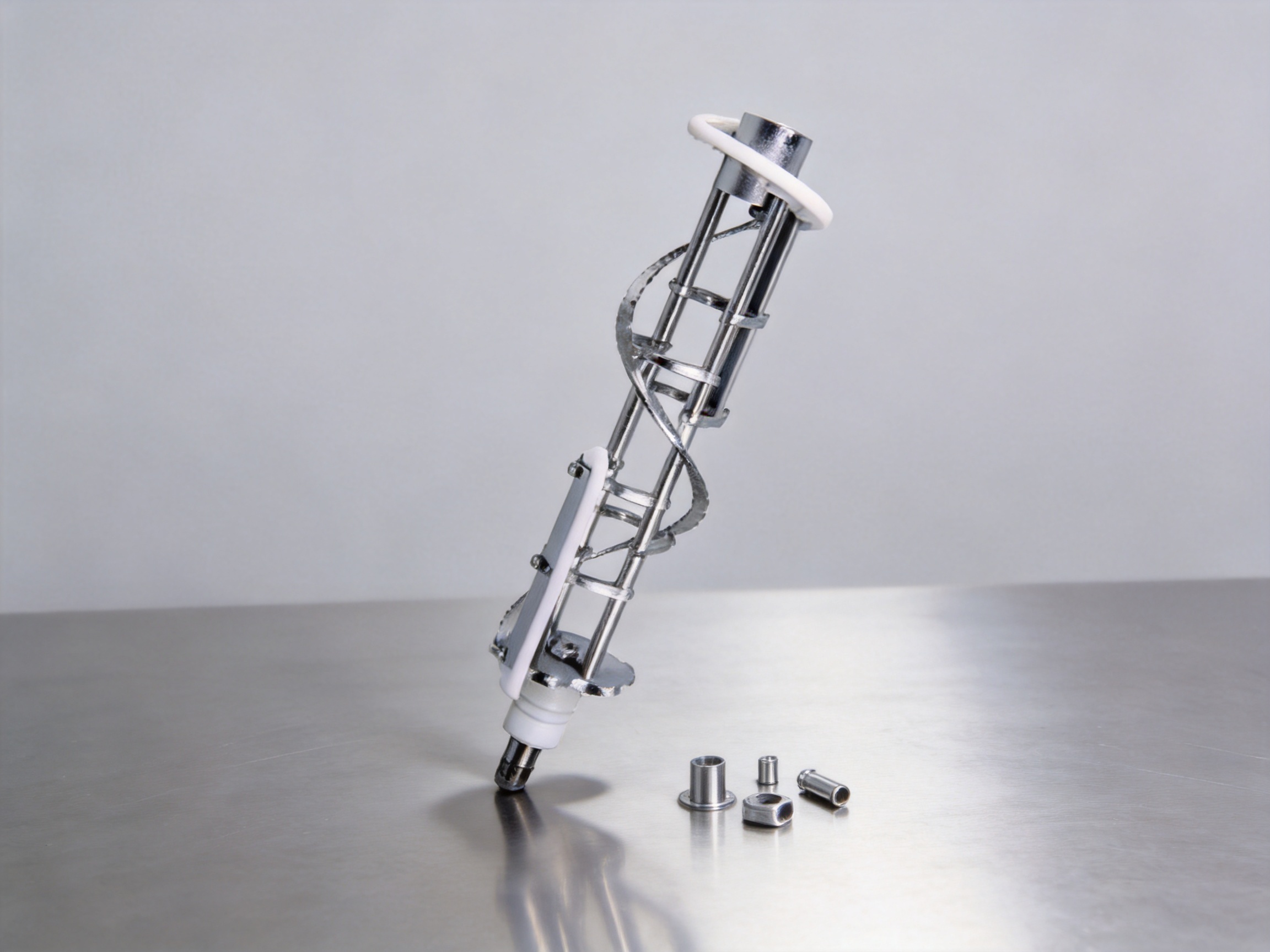
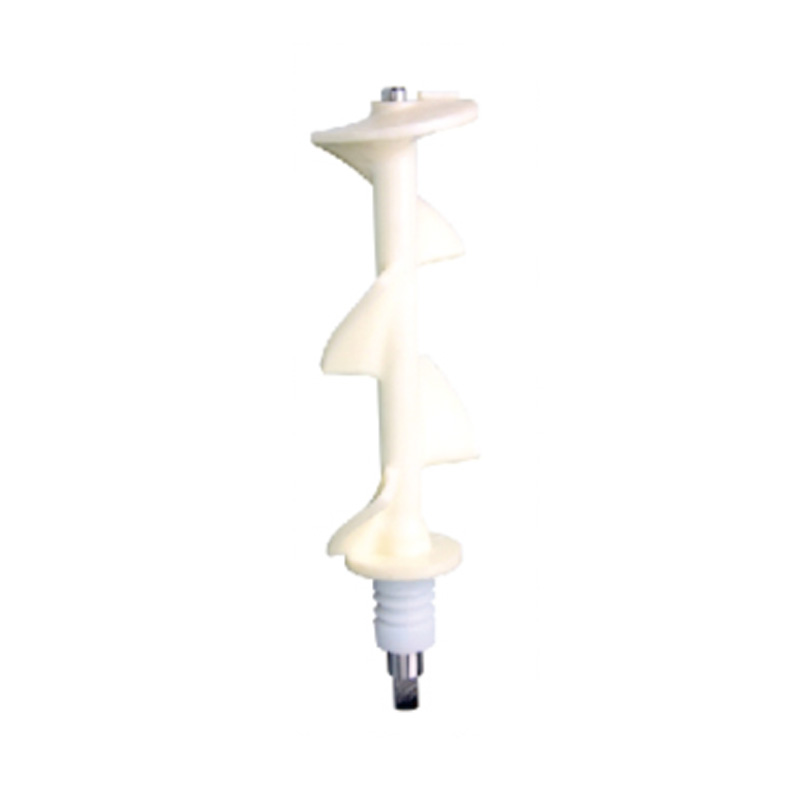
This stainless steel beater assembly is designed for commercial frozen dessert preparation. Its robust spiral structure supports even blending, while its stainless steel construction provides durability, corrosion resistance, hygienic performance, and convenient cleaning. The components are designed to be installed and removed efficiently, helping operators complete routine maintenance with less downtime.
The assembly is supplied as an optional component or spare part and is not sold separately as an independent finished machine. It is intended to support compatible frozen dessert equipment and replacement requirements. For foodservice operators, equipment distributors, engineering companies, and original equipment manufacturers, the component offers a practical solution for maintaining dependable frozen dessert production.
Compared with ordinary low-durability beaters, poorly finished metal components, or plastic parts that may deform under repeated commercial use, a properly engineered stainless steel beater can provide a longer service life and more stable operation. Its value is not limited to the component itself. It contributes to the performance of the complete frozen dessert machine.
1. The Role of a Beater Assembly in Frozen Dessert Equipment
A beater assembly is one of the most active components inside a frozen dessert machine. During operation, it rotates through the product chamber and performs several functions at the same time. It helps distribute ingredients, supports uniform heat transfer, assists in scraping product from the internal surface, and contributes to the final texture of the finished dessert.
In ice cream production, the mixture must be continuously processed as it becomes colder and more viscous. If the mixture is not moved effectively, product can accumulate unevenly, freeze against the chamber wall, or develop an inconsistent texture. A well-designed beater helps prevent these issues by maintaining controlled movement throughout the working area.
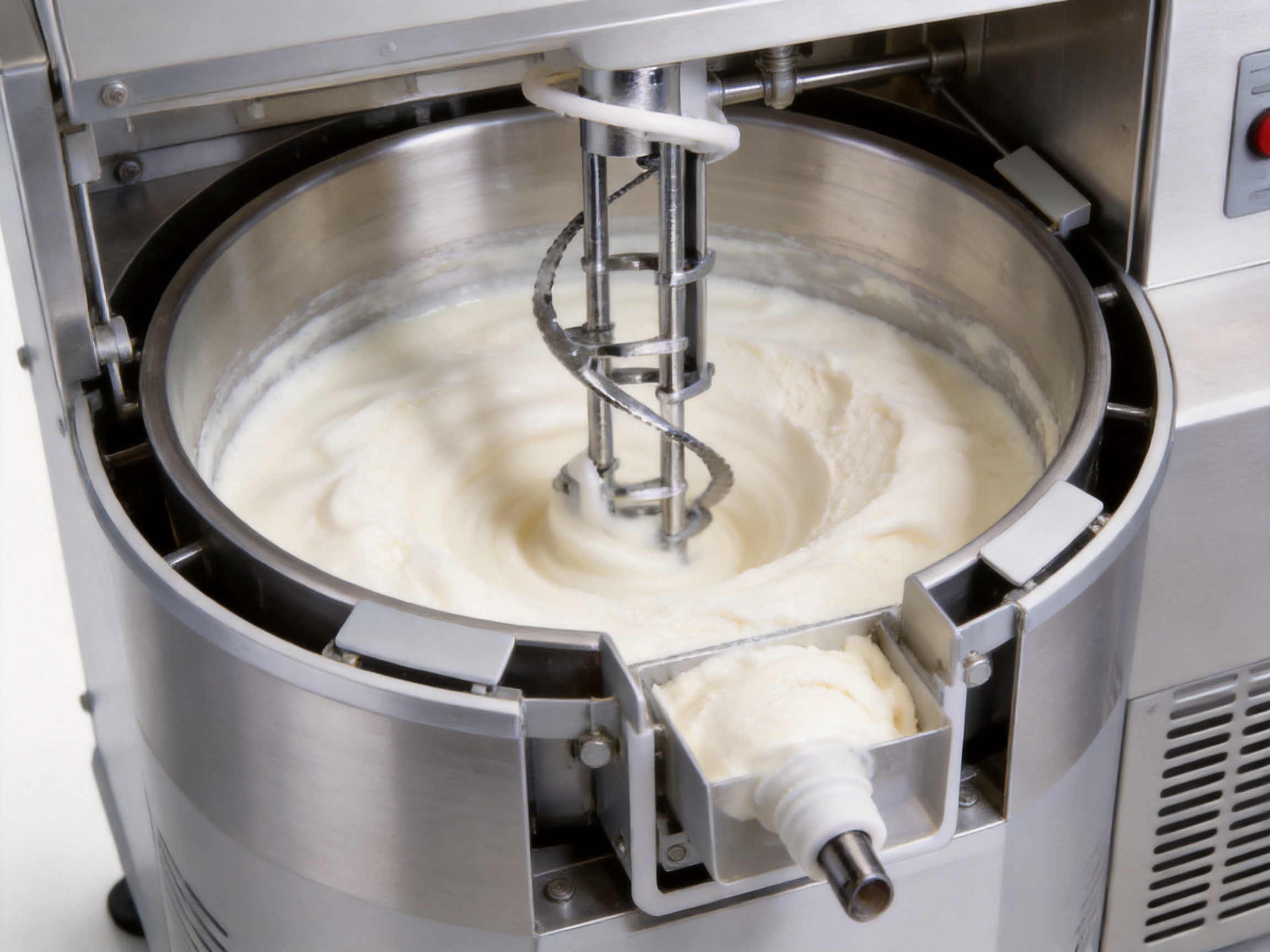
The spiral shape is particularly useful for frozen desserts. It encourages an organized flow of the mixture rather than random turbulence. As the beater rotates, the spiral structure guides the product through the cylinder while maintaining contact with the surrounding mixture. This supports a more consistent blend and can help improve the smoothness of ice cream, milkshakes, and similar products.
The beater also interacts with other parts of the machine, including the drive system, chamber, seals, scraper elements, and product outlet. For this reason, dimensional accuracy and structural stability are important. Even a small deviation in component geometry can influence noise, vibration, product flow, energy use, or wear on associated parts.
In commercial environments, the beater is exposed to frequent operating cycles. It may be used throughout the day in a snack shop, quick-service restaurant, dessert store, supermarket, hotel, institution, or catering operation. The component must therefore be able to withstand repeated rotation, contact with cold product, cleaning procedures, and the normal mechanical stress associated with daily production.
2. Stainless Steel Construction for Commercial Use
The primary advantage of this beater assembly is its stainless steel construction. Stainless steel is widely used in foodservice equipment because it combines strength, corrosion resistance, cleanability, and a professional appearance. These qualities are especially important in equipment that comes into close contact with food products and cleaning solutions.
Frozen dessert ingredients commonly contain water, milk, cream, sugar, fruit preparations, flavoring materials, and other additives. The beater must remain stable in a cold and moist working environment. Stainless steel helps resist corrosion and surface deterioration, allowing the component to retain its functional properties over repeated use.
A smooth metal surface is also easier to clean than a damaged, porous, or heavily textured surface. Food residue can become difficult to remove when it collects in scratches, pits, or poorly finished areas. Properly manufactured stainless steel components support a more efficient cleaning routine and help operators maintain a hygienic production environment.
Stainless steel additionally provides mechanical strength. The spiral beater must transfer rotational force through the frozen mixture, which can become increasingly resistant as the product cools. A strong metal structure is less likely to bend, crack, or deform than a weaker alternative. This helps protect both the component and the machine’s drive mechanism.
The material also contributes to long-term value. A component that remains stable for a longer period can reduce the frequency of replacement and help limit unplanned equipment interruptions. For commercial users, the cost of ownership includes more than the initial purchase price. Service time, labor, replacement frequency, cleaning effort, and lost production must also be considered.
Hygienic Surface Performance
Hygiene is a central requirement in frozen dessert production. The component must be compatible with regular cleaning and sanitation procedures. Stainless steel provides a practical foundation for a hygienic design because it can be cleaned thoroughly when the surface is correctly formed and finished.
The assembly is intended to be removed and installed conveniently. This is important because cleaning should not be limited to the visible surfaces of the machine. Removable parts can be inspected more carefully, washed individually, and checked for residue or wear before being returned to service.
For foodservice operators, this design approach can make daily closing procedures more organized. Employees can remove the component according to the equipment’s operating instructions, clean the relevant surfaces, inspect the part, and reinstall it for the next production cycle. A straightforward maintenance routine is more likely to be followed consistently.
Resistance to Repeated Mechanical Stress
The beater is exposed to repeated torque and rotational movement. Frozen product creates resistance, especially during the transition from liquid mix to a thicker dessert. Stainless steel supports the structural demands of this application and helps the beater maintain its intended form.
Stable geometry is important because the beater must remain aligned inside the chamber. If the structure becomes distorted, it may contact surrounding parts incorrectly or fail to move the product evenly. A durable stainless steel assembly helps preserve the working relationship between the beater and the machine’s internal components.
3. Spiral Design and Product Consistency
The spiral design is not simply an aesthetic feature. It is a functional structure intended to promote movement through the freezing or mixing chamber. As the assembly rotates, the spiral path helps guide the product and distribute it through the active area.
Even movement is important for achieving a consistent dessert. A product that is mixed unevenly may contain areas with different density, temperature, or ingredient concentration. In a commercial setting, such variation can affect customer satisfaction and create difficulty when operators are trying to reproduce the same product from one batch to the next.
A spiral beater can also support better interaction between the product and the cooled chamber. By helping move the mixture around the internal space, it can reduce the likelihood of stagnant areas. The result is a more controlled process in which the mixture continues to move as it becomes thicker.
For milkshakes and similar products, the beater’s movement can assist in combining liquid ingredients, flavoring materials, and inclusions. For ice cream and other frozen desserts, it can support a smoother structure by maintaining product circulation during the freezing process.
The exact performance of any beater depends on the complete machine design, including motor speed, chamber dimensions, cooling capacity, product formulation, and operating conditions. However, the beater remains a key component in the system. Its shape and surface quality must be appropriate for the intended application.
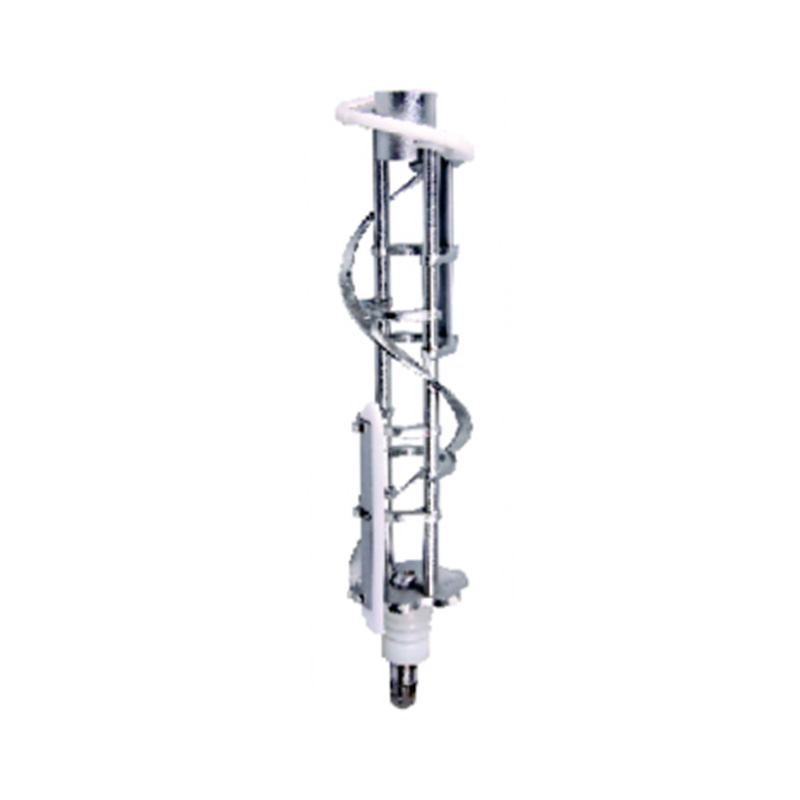
Stainless Steel Beater Components for Frozen Dessert(Not sold separately)
4. Advantages Over Generic or Lower-Quality Alternatives
Commercial buyers often compare components based on initial price. While price is important, it should not be the only consideration. A beater assembly operates in a demanding environment, and differences in materials, fabrication accuracy, surface finish, and serviceability can influence the total operating cost.
Stronger Performance Than Lightweight Components
Some low-cost alternatives may use materials or structures that are not well suited to continuous commercial operation. Lightweight components can be more vulnerable to bending, distortion, or premature wear when exposed to thick frozen product and repeated use. A stainless steel design provides a stronger foundation for regular production.
Strength is particularly relevant when the machine is used during peak service periods. Restaurants and dessert shops may need to produce one order after another without long pauses. A reliable beater helps the machine maintain its intended function during these demanding periods.
Better Hygiene Than Difficult-to-Clean Surfaces
Generic components with rough welds, unsuitable coatings, damaged surfaces, or complex residue traps can make cleaning more difficult. Stainless steel components manufactured with attention to finish and assembly are easier to inspect and maintain.
Cleanability is a practical advantage for both operators and managers. Employees can spend less time struggling with difficult surfaces, while supervisors can more easily confirm whether the part has been cleaned thoroughly. This supports a more consistent sanitation program.
Improved Serviceability
The beater assembly is designed to be easy to install and remove. Serviceability is often overlooked when selecting replacement components, but it has a direct relationship with uptime. If a component can be removed without unnecessary effort, technicians and operators can complete inspection, cleaning, and replacement more efficiently.
A removable assembly also supports preventative maintenance. Operators can inspect the component before a problem becomes serious. Signs such as unusual wear, surface damage, deformation, or residue buildup can be identified earlier, allowing the necessary action to be planned rather than handled as an emergency.
More Consistent Compatibility with Commercial Equipment
Commercial equipment requires components that are manufactured with consistent dimensions and repeatable quality. An imprecise replacement part may fit poorly, create vibration, or interfere with the movement of the product. Professional manufacturing processes help reduce these risks.
For distributors and OEM customers, repeatability is particularly important. A replacement component should provide a consistent solution across equipment batches and service orders. Clear communication about drawings, dimensions, application requirements, and equipment models can help ensure that the selected component is appropriate.
Reduced Long-Term Replacement Pressure
A component that wears quickly may appear economical at the time of purchase but can become expensive over its service life. Frequent replacements can increase purchasing administration, shipping costs, labor requirements, and machine downtime. Durable stainless steel construction can help lower these pressures when the component is correctly matched to the equipment.
| Evaluation Area | Stainless Steel Beater Assembly | Lower-Quality Generic Alternative | Commercial Benefit |
|---|---|---|---|
| Material strength | Robust stainless steel structure | May use weaker or less suitable materials | Better resistance to repeated operating stress |
| Corrosion resistance | Suitable for cold, moist foodservice environments | May deteriorate more quickly if material protection is limited | Longer-lasting working surfaces |
| Cleaning | Metal surface supports thorough cleaning and inspection | Rough or damaged surfaces may retain residue | More efficient sanitation routines |
| Product movement | Spiral design supports organized mixing and circulation | Basic shapes may provide less controlled movement | More consistent frozen dessert texture |
| Maintenance | Designed for convenient installation and removal | May be difficult to disassemble or replace | Reduced service time and downtime |
| Procurement value | Suitable for replacement, OEM, and customized requirements | Limited application flexibility | Better support for professional equipment programs |
5. Manufacturing Quality and Process Control
The performance of a stainless steel beater depends on how it is made. Material selection alone does not guarantee a reliable component. Manufacturing quality must also address forming, welding or joining, dimensional control, surface treatment, assembly, inspection, and packaging.
A professional equipment manufacturer can coordinate these stages through an integrated production system. This is especially valuable for commercial customers that need repeatable components, stable delivery, and support for product customization.
Engineering and Design Preparation
The manufacturing process begins with understanding the intended application. The beater must be considered as part of a complete frozen dessert machine rather than as an isolated metal object. Engineers may review the chamber dimensions, drive connection, rotation direction, product type, operating cycle, cleaning method, and replacement requirements.
For OEM and ODM projects, customers may provide drawings, samples, equipment specifications, or functional requirements. These materials can be used to establish the component’s dimensions and performance objectives. When required, a manufacturer with design and research capabilities can support the transition from concept to production.
Design preparation also helps identify possible service issues. For example, the component should be accessible for removal, should not create unnecessary residue traps, and should maintain appropriate clearance from surrounding machine parts. Considering these requirements before production can improve both the component and the complete equipment system.
Material Preparation
Stainless steel material must be prepared in a way that supports the required strength and surface quality. Material consistency is important because variations in thickness, flatness, or surface condition can affect forming and assembly.
For foodservice components, the material should be handled carefully to reduce contamination, unnecessary scratching, or contact with unsuitable materials during processing. Organized material storage and controlled production practices help preserve quality from the beginning of the manufacturing sequence.
Forming and Structural Fabrication
The spiral structure must be shaped accurately so that it maintains a consistent relationship with the machine chamber. Forming quality influences balance, product movement, and clearance. If the spiral is uneven, the component may generate excessive vibration or fail to move the product as intended.
Fabrication must also preserve the structural integrity of the assembly. Joints, connections, and supporting areas should be produced with attention to strength and cleanliness. Where welding or other joining methods are used, the finished areas should be treated and finished appropriately for the application.
Dimensional Inspection
Inspection is essential because a beater can appear visually acceptable while still having dimensional problems. Measurements may include overall length, diameter, connection positions, spiral alignment, shaft geometry, and other application-specific characteristics.
Consistent inspection helps identify deviations before components reach assembly or shipment. It also supports repeatability for OEM customers that require the same component to fit multiple units or production batches.
Surface Finishing
Surface finishing influences cleaning, appearance, corrosion resistance, and contact with the frozen product. A suitable finish should be smooth enough to reduce unnecessary residue retention while preserving the structural requirements of the part.
Finishing work may include removal of sharp edges, treatment of fabricated areas, polishing or smoothing of relevant surfaces, and final cleaning. The objective is not merely a polished appearance. It is to create a functional component that is suitable for repeated foodservice operation.
Assembly and Final Verification
After individual parts have been fabricated and finished, they must be assembled correctly. The assembly process should confirm that components are aligned, connections are secure, and moving areas are free from preventable interference.
Final verification can include visual inspection, dimensional checks, rotational checks, and application-specific testing. Proper packaging is also important because stainless steel surfaces can be scratched or contaminated during transport if they are not protected adequately.
6. Manufacturing Strengths of an Integrated Foodservice Equipment Supplier
The manufacturer behind this component operates as an integrated company covering design, research and development, manufacturing, sales, and service. This structure provides advantages for customers that need more than a one-time component purchase.
With more than 60,000 square meters of modern production facilities, the company has substantial space for manufacturing, assembly, product development, quality control, warehousing, and related operations. A broad production base supports the ability to coordinate different categories of commercial foodservice equipment.
The company’s product range includes commercial ice cream machines, juice dispensers, fried ice cream machines, refrigeration cabinets, slush machines, flake ice machines, cooking equipment, griddles, fryers, insulation products, barbecue equipment, and buffet solutions. This wide product scope creates practical knowledge of how individual components function within complete foodservice systems.
For a beater component, this broader experience is relevant. A manufacturer that understands frozen dessert machines can better evaluate the relationship between a beater, freezing chamber, drive system, product outlet, and operating workflow. It can also provide more informed support when a customer needs a customized component or equipment solution.
Research and Development Capability
Research and development supports continuous improvement in product structure, manufacturing efficiency, ease of maintenance, and application performance. Frozen dessert equipment must respond to different recipes, serving environments, capacity requirements, and regional market expectations.
An R&D-oriented supplier can work with customers to review performance goals and develop appropriate solutions. This may involve adapting dimensions, connection details, materials, production quantities, or packaging requirements. Such cooperation is useful for equipment brands, distributors, chain stores, and project contractors.
OEM and ODM Support
OEM and ODM cooperation allows customers to source components or complete equipment according to their own requirements. Based on drawings or technical specifications, a supplier can help develop a component that fits a particular machine platform.
OEM support is valuable when a customer already has a defined design and needs a dependable manufacturing partner. ODM support is useful when the customer has a product concept but requires assistance with engineering, production, and implementation.
For the stainless steel beater assembly, customization may relate to application compatibility, dimensions, connection structure, production quantities, or packaging. All customization should be confirmed through technical communication before production. The correct component must be matched to the relevant machine rather than selected solely by appearance.
One-Stop Customer Service
The company provides support across several stages of the purchasing process, including pre-sales consultation, product customization, logistics coordination, payment solutions, and after-sales maintenance. This one-stop approach can simplify procurement for international customers.
Professional support is particularly important for spare parts. A customer may need help identifying the correct component, confirming compatibility, arranging a replacement schedule, or understanding installation and maintenance considerations. A supplier with product and service experience can help reduce uncertainty during these stages.
7. Applications in Commercial Frozen Dessert Operations
The stainless steel beater assembly is relevant to many businesses that prepare or serve frozen desserts. Its application may include commercial ice cream machines, milkshake systems, frozen dessert counters, and equipment used in snack shops or quick-service restaurants.
Ice Cream Shops
Ice cream shops depend on consistency and speed. Customers expect each serving to have a smooth texture and reliable flavor profile. A functional beater helps support the movement and processing of the mix inside the machine.
Because ice cream stores may operate for long hours, routine maintenance is important. A beater that can be removed and cleaned efficiently can support daily hygiene practices and reduce the time required for service work.
Quick-Service Restaurants
Quick-service restaurants often need equipment that can handle repeated production during busy periods. The beater must operate reliably while staff members serve customers quickly. Stainless steel construction supports the durability requirements of this type of environment.
Restaurants may also operate several machines across different locations. In this case, consistent spare parts and organized procurement are important. OEM and replacement support can help restaurant groups maintain more predictable maintenance programs.
Snack Shops and Beverage Stores
Snack shops and beverage stores may offer ice cream, milkshakes, frozen beverages, or combination dessert products. Their equipment may be used in compact service areas where cleaning and maintenance need to be straightforward.
The removable design of the assembly can be helpful in smaller operations because employees may not have access to a large technical department. Clear instructions and appropriate training remain important, but a serviceable component can make routine tasks more manageable.
Supermarkets and Institutional Foodservice
Supermarkets, schools, hospitals, hotels, and other institutions may use frozen dessert equipment as part of a broader foodservice operation. These users often value durability, hygiene, and reliable access to replacement parts.
For institutional buyers, a component’s value is measured over an extended operating period. Consistent maintenance and planned replacement can help protect equipment availability and support stable foodservice operations.
Equipment Distributors and Project Contractors
Distributors and project contractors may require components for new machine programs, after-sales support, or customized equipment projects. A supplier with a broad product portfolio can offer more coordinated sourcing across refrigeration and foodservice categories.
When purchasing for multiple customers, distributors benefit from repeatable specifications, dependable packaging, and responsive communication. These factors can be as important as the physical component itself because they influence delivery schedules and customer satisfaction.
8. Installation, Cleaning, and Maintenance Considerations
The beater assembly is designed to be easy to install and remove, but installation should always follow the instructions for the compatible machine. The component must be correctly aligned and securely connected before operation.
Before installation, operators should inspect the assembly for visible damage, deformation, sharp edges, contamination, or signs of improper handling. The machine should be disconnected from power and made safe according to the equipment manufacturer’s procedures.
During installation, the operator should confirm that the beater is seated correctly and that it can rotate without abnormal contact. Any unusual resistance, scraping, or misalignment should be investigated before the machine is returned to service.
Cleaning should be performed according to the machine’s sanitation program. In general, the removable component should be cleaned after use, especially when dairy products, sugar-rich mixtures, or flavored preparations have been processed. Residue should not be allowed to dry on the surface for extended periods.
Operators should use cleaning methods suitable for stainless steel and compatible with the equipment manufacturer’s instructions. Abrasive tools or unsuitable chemicals may damage the surface, even when the component itself is robust. After cleaning, the part should be rinsed or treated as required, dried appropriately, and inspected before reinstallation.
Routine inspection should focus on the spiral structure, connection areas, surface condition, alignment, and any points that interact with seals or surrounding components. If the assembly shows abnormal wear, bending, cracking, severe scratching, or other damage, it should be removed from service and evaluated.
Maintenance schedules may vary according to operating hours, product formulation, cleaning frequency, and machine design. High-volume operations should generally establish more frequent inspection intervals than occasional users.
9. Procurement Guidance for OEM, ODM, and Replacement Buyers
When ordering a stainless steel beater component, buyers should provide sufficient technical information. Important details may include the machine model, chamber dimensions, original component number, connection design, overall measurements, product application, and required quantity.
Photographs can assist with initial identification, but technical drawings or samples are more reliable when a precise replacement is required. Buyers should also explain whether the part is intended for a new machine, an existing equipment platform, or a customized project.
For OEM and ODM programs, buyers should discuss production volume, packaging, inspection requirements, delivery schedule, branding arrangements, and after-sales expectations. Early communication can help avoid misunderstandings and improve the efficiency of the project.
Compatibility should be treated as a technical issue rather than a visual comparison. Two beaters may look similar while having different shaft dimensions, spiral spacing, rotation requirements, or clearance specifications. The correct component must match the machine’s complete design.
Customers should also consider the supplier’s ability to provide follow-up support. A dependable supplier should be able to communicate about material, dimensions, production progress, packaging, logistics, and maintenance questions.
10. Sustainability and Total Cost Considerations
Durable components can support more responsible equipment ownership by reducing unnecessary replacement. When a beater remains functional for a longer period, fewer resources may be required for repeated manufacturing, packaging, transport, and disposal.
Stainless steel is also a practical material for long-term foodservice applications because it can be maintained, reused within the equipment’s service life, and processed through established metal recycling systems at the end of its useful life. The environmental value of any component still depends on responsible manufacturing, operation, cleaning, and disposal practices.
From a business perspective, total cost includes the purchase price, transportation, installation, labor, cleaning, maintenance, replacement frequency, and possible downtime. A durable and serviceable beater can provide value by addressing several of these factors at the same time.
For an equipment distributor, a reliable component may reduce warranty concerns and after-sales visits. For a restaurant, it may help protect daily sales by supporting machine availability. For an OEM customer, consistent production may simplify inventory planning and improve the overall product offering.
11. Why Component Quality Influences the Complete Machine
A frozen dessert machine is a coordinated system. The compressor, cooling chamber, motor, drive connection, beater, seals, controls, and dispensing structure must work together. If one active component performs poorly, the complete machine may become less efficient or less reliable.
The beater influences product circulation and mechanical load. If it is poorly aligned or structurally weak, it may create additional stress on the motor or drive system. If its surface is difficult to clean, it may complicate sanitation. If its shape does not match the chamber, it may reduce mixing performance.
For this reason, replacement components should be selected with the same care as complete equipment. A low-quality part may compromise the performance of a machine that otherwise has strong refrigeration and control systems.
The stainless steel beater assembly addresses these concerns through a combination of material strength, spiral product movement, removable construction, and professional manufacturing support. It is a relatively compact component, but its contribution to the machine’s operation is significant.
12. Quality-Oriented Manufacturing for Global Foodservice Markets
Foodservice customers around the world have different operating conditions, recipes, service models, and purchasing requirements. A supplier serving global markets must be able to combine manufacturing capacity with responsive communication and practical customization.
The company’s experience across commercial refrigeration, kitchen equipment, buffet equipment, and frozen dessert machinery provides a broad foundation for international customer support. Its manufacturing facilities and integrated business structure allow it to coordinate product development, production, sales, logistics, and after-sales service.
For international buyers, stable communication is essential. Technical information should be clarified before production, and packaging and logistics should be considered according to the destination market. Flexible payment and delivery solutions can also help customers manage procurement more efficiently.
After-sales support is particularly important for commercial equipment because the value of a component extends beyond delivery. Customers may need assistance with identification, maintenance, replacement planning, or future orders. A supplier that remains responsive after shipment can contribute to stronger long-term business relationships.
13. Q&A: Stainless Steel Beater Components for Frozen Desserts
Q1: What is this product used for?
This stainless steel beater assembly is used inside compatible commercial frozen dessert equipment. It supports the movement and mixing of products such as ice cream, milkshakes, and related frozen desserts.
Q2: Is the product sold as a complete ice cream machine?
No. The product is an optional component or spare part and is not sold separately as a complete machine. It is intended to support compatible equipment, replacement programs, and OEM or ODM applications.
Q3: What is the main advantage of stainless steel construction?
Stainless steel provides a combination of strength, corrosion resistance, cleanability, and suitability for commercial foodservice environments. It helps the component withstand repeated operation in cold and moist conditions.
Q4: How does the spiral design help frozen dessert production?
The spiral structure helps guide the product through the working chamber as the beater rotates. This supports more even movement and mixing, which can contribute to a more consistent dessert texture.
Q5: Can the beater be removed for cleaning?
Yes. The assembly is designed to be easy to install and remove, which supports cleaning, inspection, and maintenance. Operators should follow the instructions for the compatible machine and use suitable cleaning procedures.
Q6: Is this component compatible with every commercial ice cream machine?
No. Compatibility depends on the specific equipment design, including dimensions, drive connection, chamber structure, rotation requirements, and clearance. Buyers should provide machine information or technical drawings before ordering.
Q7: Can the component be customized?
OEM and ODM support is available based on drawings or requirements. Customization details must be reviewed and confirmed in advance to ensure that the component matches the intended equipment.
Q8: What types of businesses may need this spare part?
Potential users include ice cream shops, milkshake stores, snack shops, quick-service restaurants, supermarkets, hotels, institutions, equipment distributors, project contractors, and manufacturers of frozen dessert machines.
Q9: Why is serviceability important for commercial users?
A removable and serviceable component can reduce the time required for cleaning, inspection, and replacement. This may help lower maintenance downtime and support more consistent equipment availability.
Q10: What should buyers provide when requesting a quotation?
Buyers should provide the machine model, component measurements, drawings or photographs, connection information, required quantity, application, packaging requirements, and delivery destination whenever possible.
Q11: How does the manufacturer support OEM and ODM customers?
The manufacturer integrates design, research and development, production, sales, and service. It can support customers based on drawings or requirements and provide assistance with customization, logistics, payment arrangements, and after-sales maintenance.
Q12: What should operators do if the beater makes unusual noise?
The machine should be stopped and made safe before inspection. Operators should check for incorrect installation, obstruction, damage, deformation, or interference with surrounding parts. If the cause is not clear, qualified service personnel should evaluate the equipment.
14. Conclusion
The stainless steel beater assembly is an important component for reliable frozen dessert preparation. Its durable stainless steel construction supports commercial use, while its spiral design helps promote even product movement and consistent texture. The removable structure makes cleaning, inspection, and maintenance more convenient.
Compared with lower-quality generic alternatives, the component offers practical advantages in strength, hygiene, serviceability, and long-term value. Its performance is supported by professional manufacturing processes that include design preparation, material control, forming, fabrication, dimensional inspection, surface finishing, assembly, and final verification.
The manufacturer’s extensive production facilities, integrated R&D and manufacturing capabilities, broad foodservice equipment experience, and OEM and ODM support provide additional value for commercial customers. Whether the requirement involves a replacement part, a customized equipment project, or a broader foodservice supply program, the component can be evaluated as part of a complete operational solution.
For the best results, buyers should confirm compatibility through technical information before ordering. When correctly matched to the machine, a well-made stainless steel beater can help support efficient production, consistent dessert quality, reliable sanitation, and reduced maintenance pressure in demanding foodservice environments.
References
1. General principles of hygienic design for commercial foodservice equipment.
2. General stainless steel material and corrosion-resistance guidance for food-contact applications.
3. General maintenance practices for commercial frozen dessert and refrigeration equipment.
4. General principles of food equipment sanitation, inspection, and preventive maintenance.
5. Manufacturer-provided product information for stainless steel frozen dessert beater components.
6. Manufacturer-provided company information concerning commercial refrigeration, kitchen equipment, buffet equipment, OEM, ODM, and after-sales service capabilities.
Product: Stainless Steel Beater Components for Frozen Dessert(Not sold separately)

For exclusive deals and latest offers, sign up by entering your email address below.


-
spelor@spelor.com
-
+86-576-85229688
-
No.528, Changxi Road, Linhai City, Zhejiang Province, China
Commercial Refrigeration Equipment Manufacturer China
Copyright © 2025 by Spelor Electrical Appliances (Zhejiang) Co., Ltd. Rights Reserved.
