


 中文简体
Cold Drink Appliance Air Pump Parts: Performance, Compatibility, and OEM Supply Advantages
Admin 2026-10-07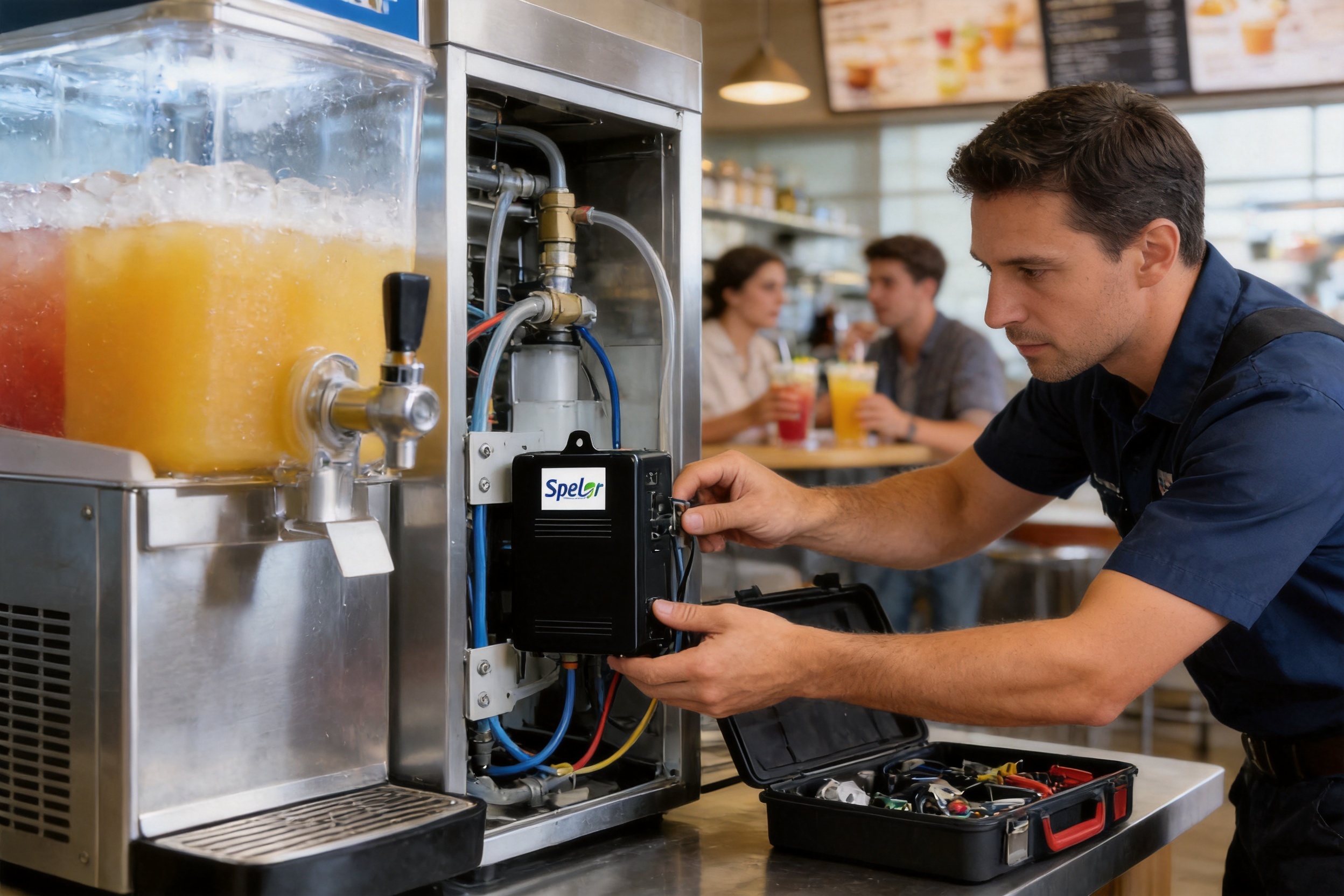
Air pump parts are small but essential components in many commercial cold drink appliances. Although they may not receive as much attention as compressors, cooling tanks, mixing systems, or dispensing valves, they can significantly influence beverage texture, freshness, service consistency, and equipment reliability. In commercial environments, a properly selected air pump helps manage the movement of air through a beverage system, supporting aeration and contributing to a more refreshing drinking experience.
Cold drink appliance air pump parts are designed for use in commercial juice dispensers, smoothie makers, beverage cooling systems, and related foodservice equipment. Their primary purpose is to introduce or control air within a beverage process. Depending on the equipment design, this action may help increase effervescence, improve mouthfeel, support mixing, and assist the cooling process. The pump must operate steadily, maintain suitable pressure, and remain compatible with the appliance’s tubing, fittings, control system, and beverage-contact environment.
This article examines the function, construction, application, selection, maintenance, and supply advantages of commercial cold drink appliance air pump parts. It also explains why purchasing these components from an experienced manufacturer can be more advantageous than relying on generic replacement parts from unknown sources. Particular attention is given to OEM and ODM capabilities, manufacturing quality, customization, quality control, logistics support, and the practical requirements of international foodservice customers.
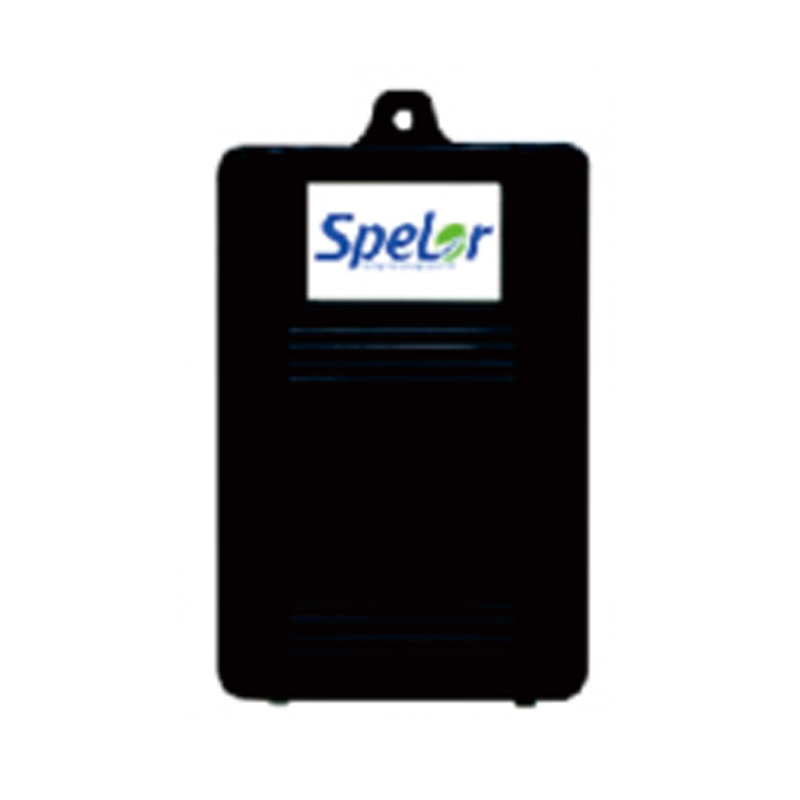
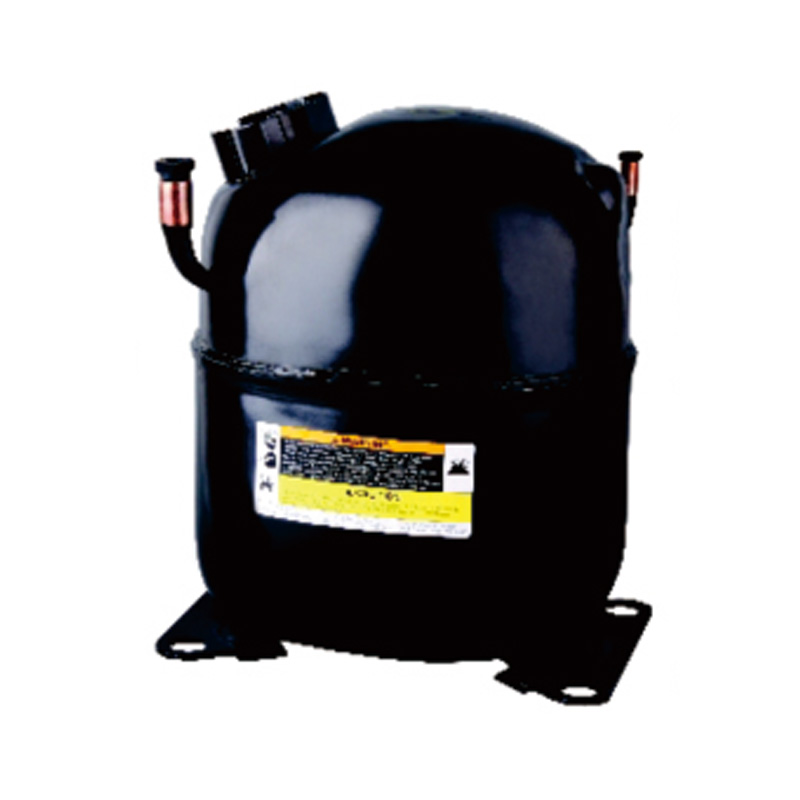
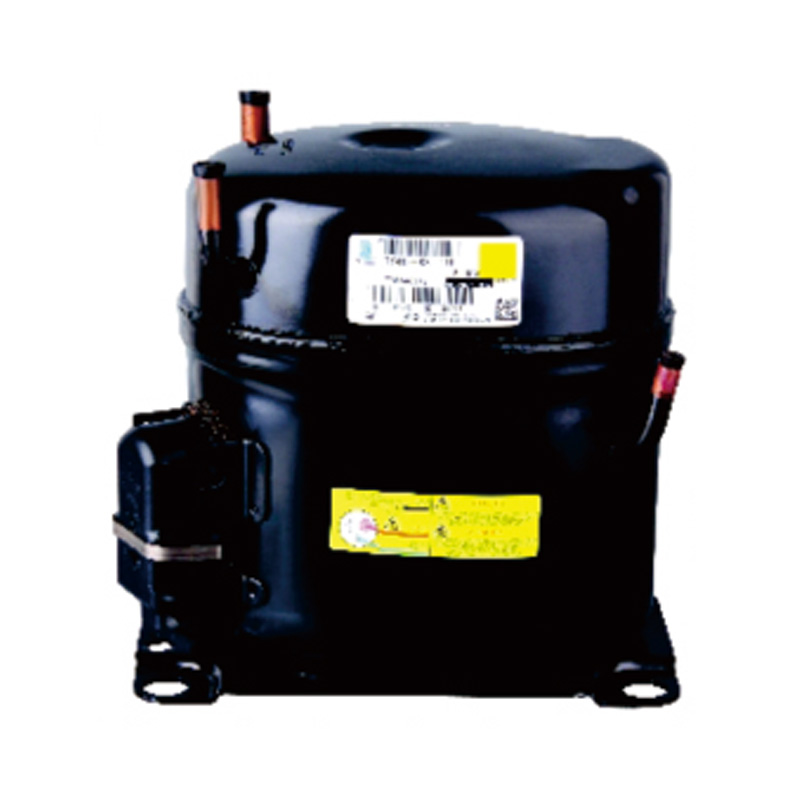
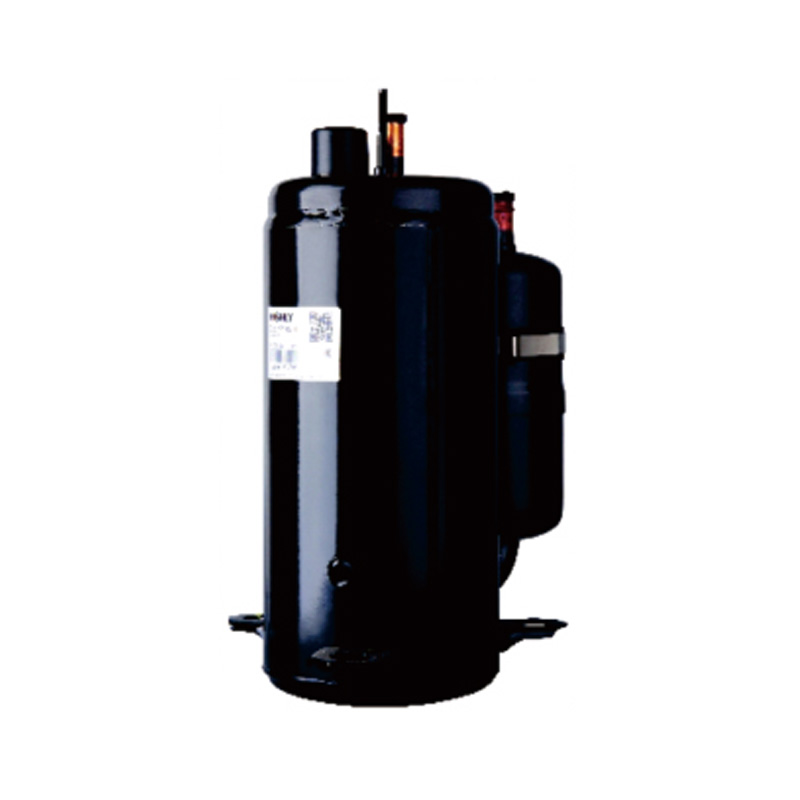
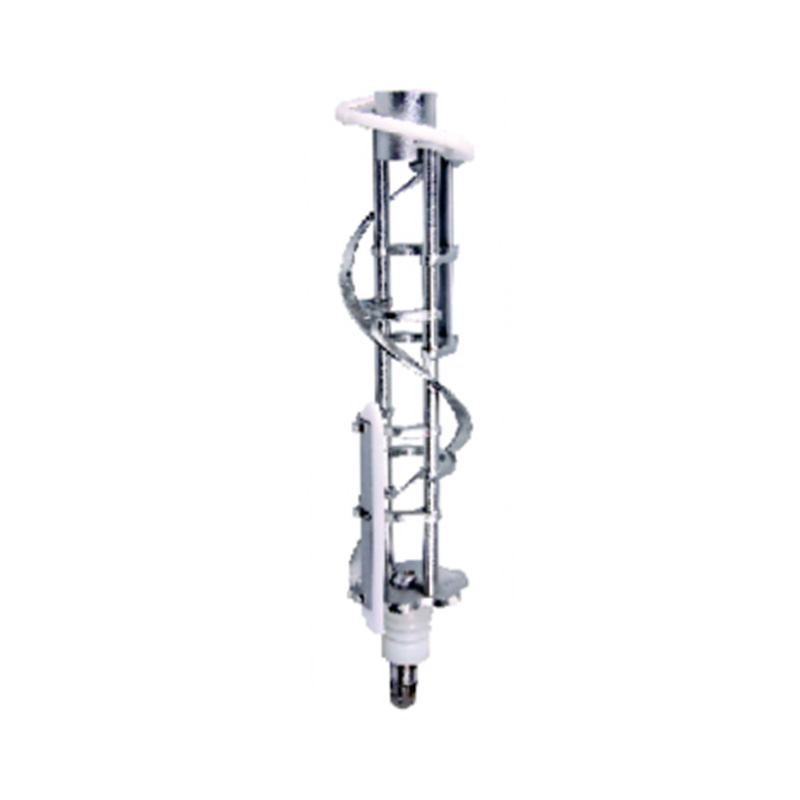
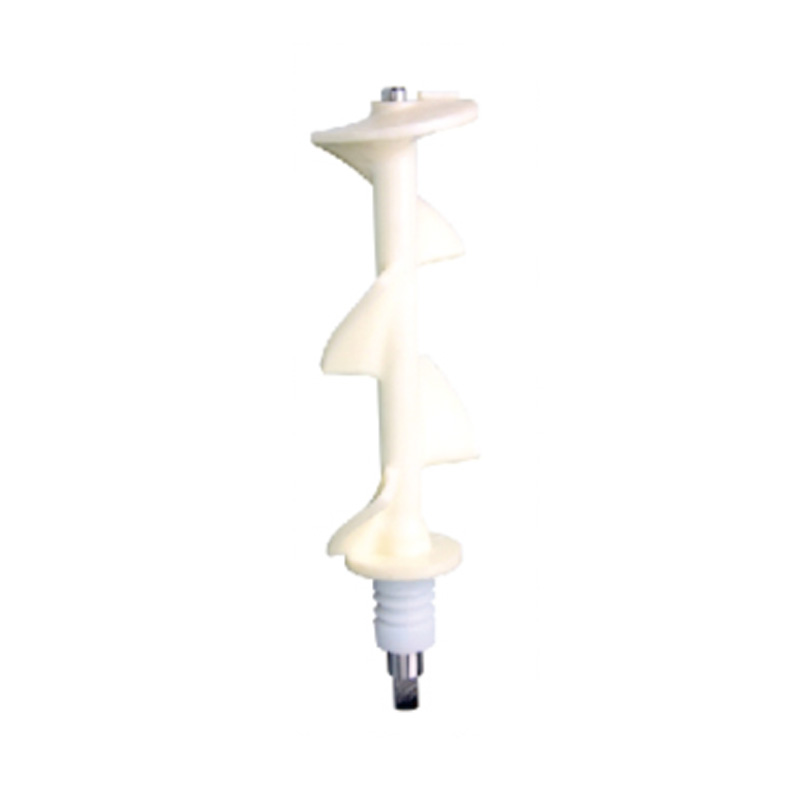
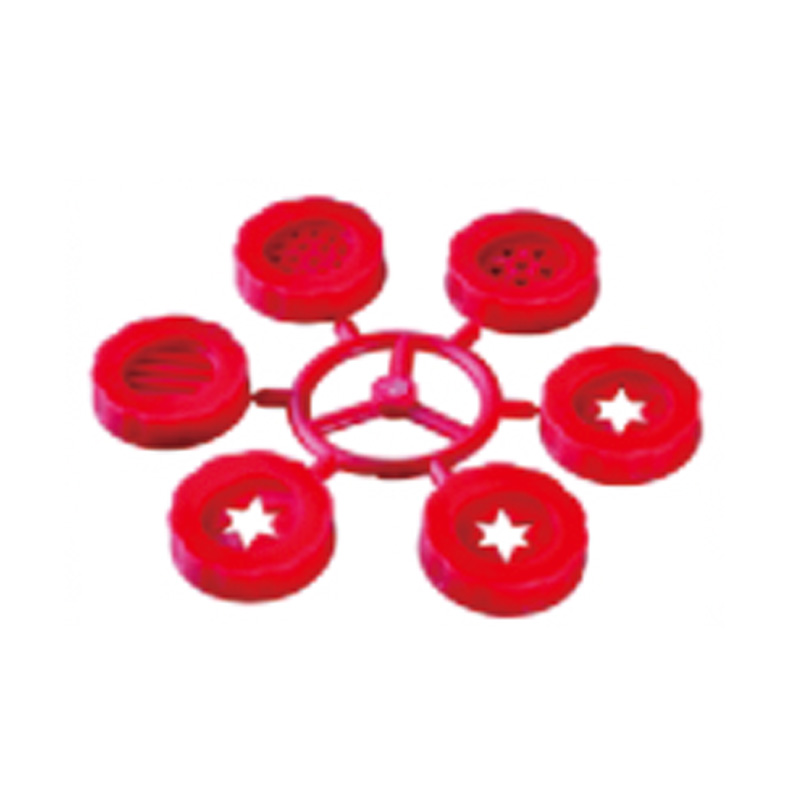
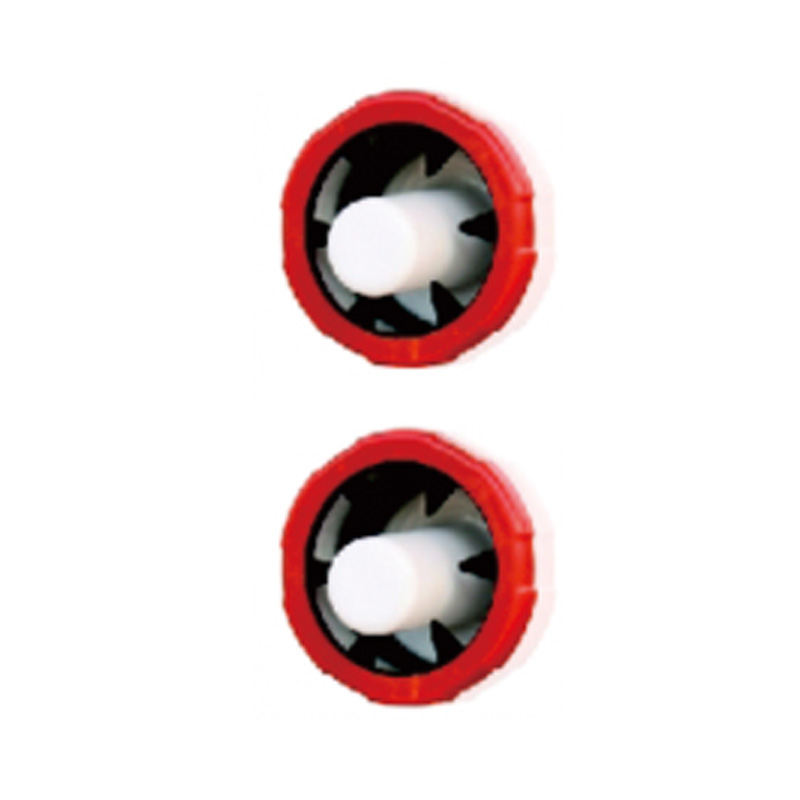
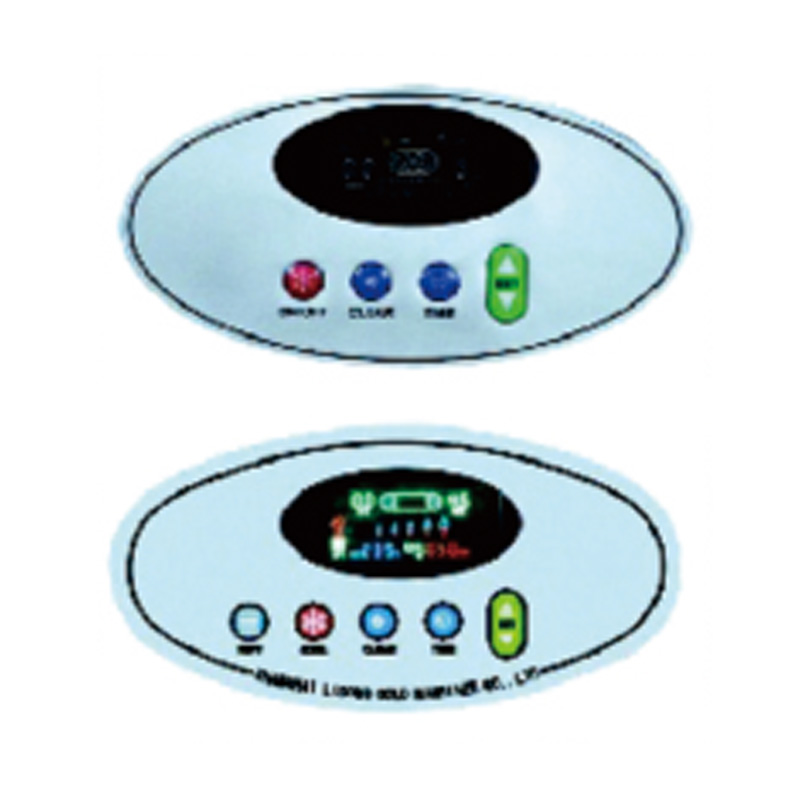
Cold Drink Appliance Air Pump Parts(Not sold separately)
Understanding the Role of an Air Pump in Cold Drink Equipment
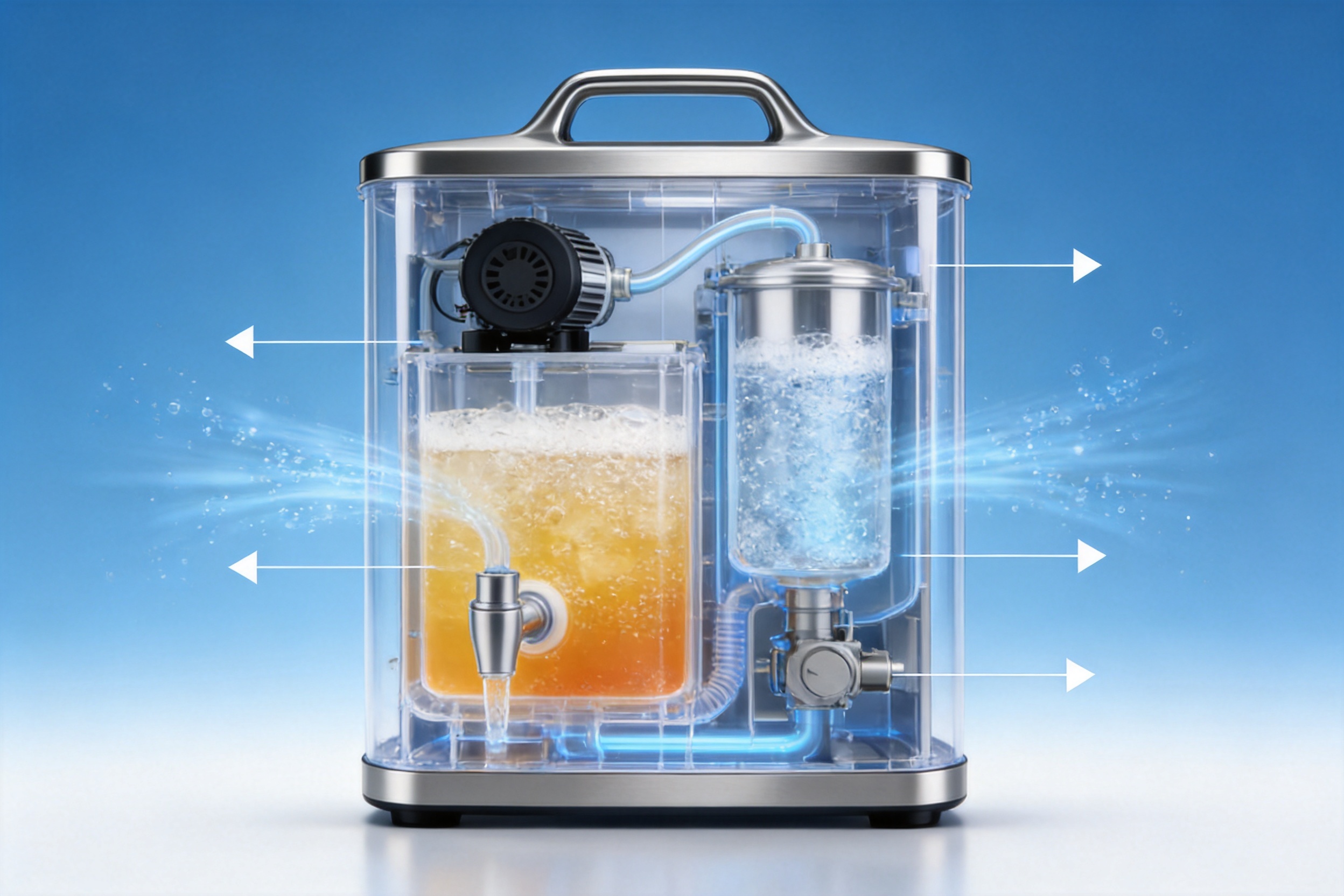
An air pump creates and manages airflow by drawing in air and delivering it through an outlet at a controlled pressure. In a commercial beverage appliance, this airflow can be directed through tubes, valves, mixing chambers, or aeration assemblies. The precise configuration depends on the design of the machine and the intended beverage application.
In cold drink equipment, the pump is generally not intended to replace the refrigeration system. Instead, it works as part of the beverage preparation or circulation process. By managing air pressure and air movement, the pump can help produce a consistent beverage condition. It may also support the transfer of liquid, the formation of bubbles, the mixing of ingredients, or the movement of beverage through a dispensing path.
For operators, the value of an air pump is usually visible in the final beverage rather than in the component itself. A stable pump can help maintain a uniform texture and consistent dispensing performance during busy service periods. An unstable or poorly matched pump may result in uneven aeration, fluctuating flow, excessive noise, leakage, or inconsistent product quality.
Aeration and Beverage Texture
Aeration introduces controlled air into a beverage. In certain applications, this can create a lighter mouthfeel or enhance the perceived freshness of the drink. For beverages that benefit from bubbles or a more active texture, the pump must deliver air in a stable and repeatable manner. Excessive air can create oversized bubbles, foaming, or separation, while insufficient air may produce a flat or heavy result.
The most suitable pressure and flow rate depend on the appliance design, beverage viscosity, tubing arrangement, temperature, and intended serving result. A commercial equipment manufacturer can select or configure the pump according to these conditions instead of treating the component as a universal part.
Support for Mixing and Circulation
Some beverage appliances require air movement to support ingredient circulation or improve the distribution of flavor throughout the product. Air pressure can work together with liquid flow to reduce settling and help maintain a more even mixture. This is especially useful in commercial equipment that handles prepared beverages over an extended operating period.
Air pumps may also contribute to the movement of beverage through an internal system, although the exact function varies by machine. The pump must therefore be evaluated as part of a complete appliance assembly. A component that performs well in one dispenser may not be appropriate for a different machine with different tubing dimensions, pressure requirements, or control logic.
Contribution to Cooling Performance
Air pumps do not normally provide the primary refrigeration function, but controlled air movement may assist the overall cooling and beverage-handling process. Better circulation can help expose a greater portion of the beverage to the cooled area or reduce stagnant zones within the appliance. The result can be a more uniform beverage condition, provided the pump is correctly matched to the system.
Because cooling equipment operates in demanding commercial environments, the air pump must also withstand low temperatures, repeated starts and stops, vibration, moisture, and long operating cycles. Material selection and assembly quality are therefore important factors in long-term performance.
Product Characteristics of Commercial Cold Drink Air Pump Parts
Cold drink appliance air pump parts are intended for integration into commercial equipment rather than casual household use. They are selected with attention to operating frequency, service conditions, installation space, electrical requirements, and compatibility with the wider beverage system.
The phrase “air pump parts” may refer to a complete pump assembly or to related components used in the pump system. Depending on the customer’s requirement, these components may include a pump body, motor, diaphragm or other air-moving element, inlet and outlet fittings, sealing components, electrical connectors, mounting elements, and associated tubing connections. The exact configuration should be confirmed against the equipment model or technical drawing.
Compact and Integration-Friendly Design
Commercial beverage machines often have limited internal space. Refrigeration systems, control boards, water lines, beverage tanks, mixing assemblies, and dispensing mechanisms must all fit inside a compact cabinet. A practical air pump design should occupy an efficient footprint while leaving sufficient room for ventilation, wiring, inspection, and maintenance.
A compact pump can help equipment designers optimize the internal layout. However, compactness should not be achieved at the expense of reliability. The pump must still have adequate cooling, secure mounting, suitable airflow, and access for inspection or replacement. This balance between size and performance is one reason why appliance manufacturers frequently prefer components developed specifically for their equipment.
Stable Air Pressure
Stable pressure is one of the most important performance characteristics of a beverage air pump. Fluctuating pressure can affect bubble size, beverage texture, dispensing speed, and the consistency of the final product. A well-designed component helps the appliance maintain a more predictable operating condition.
Pressure stability depends on several factors, including motor performance, internal sealing, diaphragm or piston quality, valve design, electrical input, and the resistance of the connected tubing. Manufacturing tolerances also matter. Small inconsistencies in internal parts can create noticeable differences in airflow or noise when the pump is used repeatedly in a commercial machine.
Compatibility with Foodservice Equipment
Commercial foodservice equipment is used in restaurants, beverage shops, fast-food chains, supermarkets, snack shops, bars, institutions, and other high-traffic locations. The air pump must be suitable for the appliance’s working environment and must integrate with the relevant piping and electrical systems.
Compatibility includes more than physical dimensions. Important considerations may include voltage, frequency, current, airflow, pressure, connection size, mounting position, control method, duty cycle, and resistance to moisture. When a pump is used in a beverage-related application, the design must also prevent unsuitable materials from compromising the hygiene of the system.
Designed for Repeated Commercial Operation
Household appliances may operate intermittently, while commercial machines can be used throughout the day. A pump installed in a busy beverage shop may start and stop many times or operate continuously during peak periods. Components must therefore be evaluated for repeated cycling, vibration, heat generation, and long-term mechanical wear.
Commercial suitability does not mean that maintenance is unnecessary. Regular inspection and correct cleaning procedures remain important. However, a component designed for commercial duty can provide a stronger foundation for dependable operation than a low-cost part intended for light use.
Advantages Over Generic or Poorly Matched Competitor Parts
Many replacement air pumps look similar from the outside, but appearance alone does not determine suitability. Generic products may have different pressure characteristics, electrical parameters, materials, or connection dimensions. When installed in a commercial cold drink appliance, these differences can affect the beverage result and the machine’s service life.
Better Application Matching
A manufacturer with experience in commercial beverage and refrigeration equipment can evaluate an air pump according to the complete appliance application. This approach is more reliable than selecting a component only because it has the same approximate size or a similar connector.
Application matching may consider the beverage type, tank volume, tubing length, operating temperature, required aeration level, daily operating hours, and control method. A pump that is correctly matched is more likely to provide the intended airflow without overloading the motor or creating excessive foam.
More Consistent Performance
Low-cost generic parts may vary considerably from one production batch to another. Variations in motor speed, internal valves, diaphragm elasticity, or sealing quality can cause inconsistent performance. For commercial customers, this can lead to different beverage results between machines that are supposed to be identical.
Controlled manufacturing processes help reduce these variations. Consistent incoming materials, defined assembly procedures, process inspection, and performance testing can make the pump output more predictable. This is particularly valuable for chain stores and equipment distributors that need uniform operation across multiple locations.
Improved Reliability in Demanding Environments
Commercial beverage equipment is exposed to moisture, cleaning chemicals, temperature changes, vibration, and frequent user interaction. A component designed for this environment should incorporate suitable insulation, sealing, mounting, and material selection.
Competitor parts that are intended for general-purpose use may not provide the same level of resistance. A pump may initially function correctly but later develop reduced airflow, noisy operation, leakage, or electrical failure. Selecting a component developed for commercial equipment can help reduce these risks.
Reduced Installation Problems
A properly specified air pump can reduce the need for improvised brackets, adapters, wiring changes, or tubing modifications. This supports faster assembly at the factory and easier replacement during service. It also reduces the possibility of installation errors that could affect safety or performance.
OEM and ODM suppliers can provide the pump with specified connectors, mounting points, labels, packaging, or related parts. Such details may appear minor, but they can produce significant savings when an equipment manufacturer is assembling hundreds or thousands of machines.
Stronger Technical Support
When a customer purchases from a supplier that understands the complete appliance, technical communication is usually more effective. Questions about pressure, airflow, installation, wiring, or maintenance can be discussed in relation to the actual machine rather than treated as isolated component questions.
This support is especially important when an air pump is being integrated into a new beverage dispenser or a redesigned appliance. The supplier can review drawings, discuss operating requirements, and recommend a suitable configuration before mass production begins.
Manufacturing Strengths Behind Reliable Air Pump Parts
Spelor Electrical Appliances (Zhejiang) Co., Ltd. is a professional manufacturer integrating design, research and development, manufacturing, sales, and service. Its business covers commercial refrigeration, kitchen equipment, buffet equipment, and related foodservice solutions. The company’s product range includes commercial ice cream machines, juice dispensers, fried ice cream machines, refrigeration cabinets, slush machines, flake ice machines, cooking equipment, griddles, fryers, insulation products, barbecue equipment, and buffet solutions.
This broad product experience is relevant to the production of cold drink appliance air pump parts. An air pump used in a beverage machine cannot be evaluated independently from the equipment’s refrigeration, liquid-handling, dispensing, and control systems. A manufacturer familiar with complete foodservice equipment is better positioned to understand how a small component affects the operation of the finished appliance.
Large-Scale Production Facilities
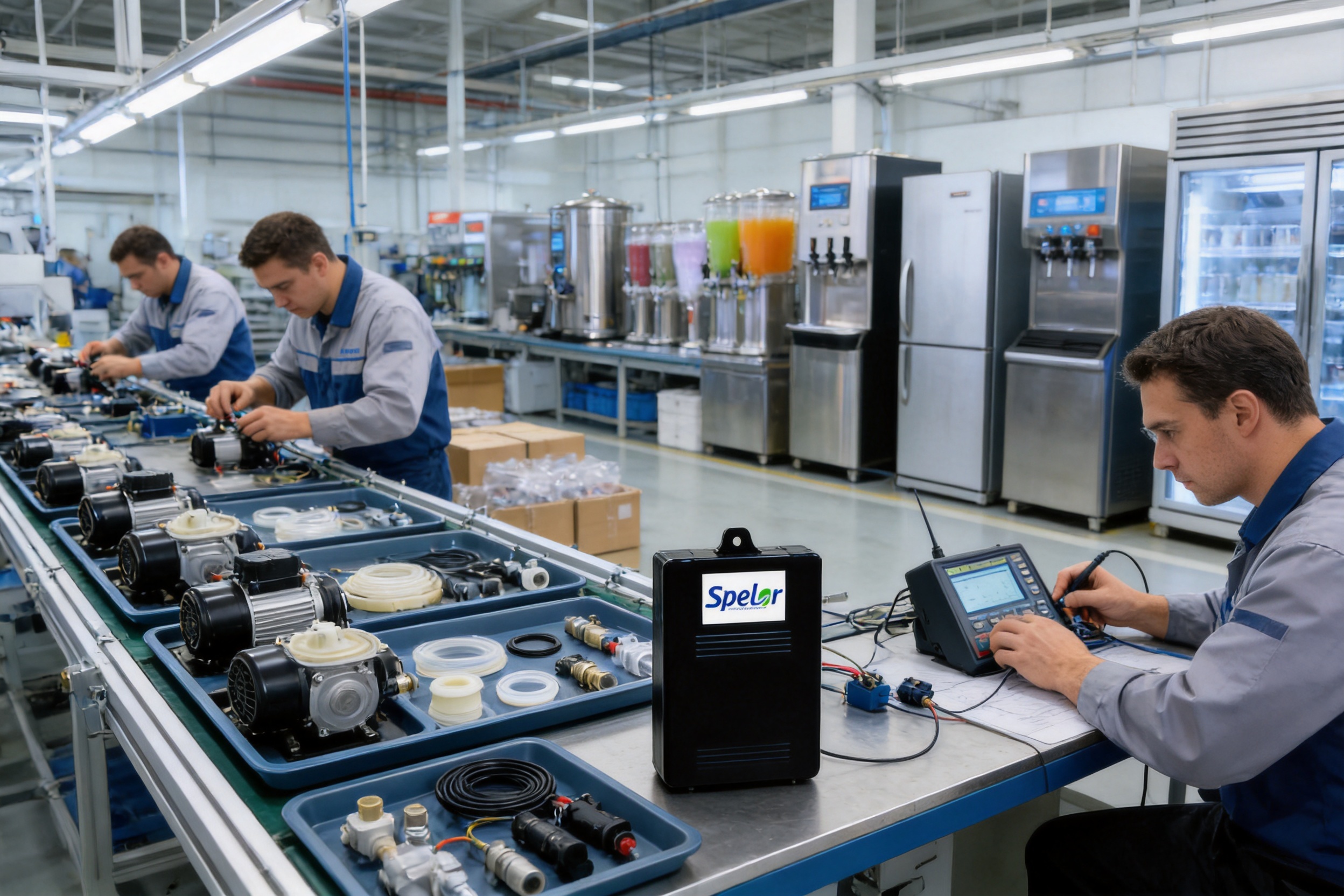
The company operates more than 60,000 square meters of modern production facilities. A large manufacturing base can support organized production planning, dedicated assembly areas, storage of raw materials and finished products, product testing, and coordinated quality management.
Scale alone does not guarantee quality, but it can provide the infrastructure needed for stable production. It also enables the manufacturer to serve different customer groups, from equipment distributors requiring standard products to OEM customers needing customized designs or private-label supply.
Integrated Design and Development
Product development begins with understanding the customer’s application. For an air pump, this may include reviewing equipment drawings, identifying the required mounting position, confirming voltage and frequency, examining the piping route, and defining the desired pressure or flow performance.
An integrated design and development process allows mechanical, electrical, and appliance-related considerations to be addressed together. This can help prevent a common problem in component sourcing: a part that appears suitable in isolation but creates difficulties when installed in the complete machine.
For OEM and ODM projects, the supplier can work from drawings, samples, technical requirements, or a description of the intended operating environment. Depending on the project, the customer may request changes to connection dimensions, bracket design, wire length, labels, packaging, or performance parameters.
Process Control and Assembly Discipline
Air pump reliability depends heavily on assembly details. Seals must be installed correctly, electrical connections must be secure, moving elements must be aligned, and fittings must be tightened to an appropriate level. Excessive or insufficient tightening can both create problems. A controlled assembly process helps reduce avoidable defects.
Process discipline may include work instructions, operator training, incoming material inspection, assembly verification, electrical checks, pressure or airflow testing, and final visual inspection. These steps help ensure that components leaving the factory are consistent with the approved design.
Testing Before Shipment
Testing is essential for components that influence beverage flow and pressure. Depending on the product specification, tests may examine start-up behavior, operating noise, airflow, pressure stability, current consumption, insulation, leakage, and continuous operation.
Testing requirements can be defined according to the customer’s appliance and quality expectations. A distributor may need standard verification documents, while an OEM customer may require a more detailed inspection plan and batch records. Clear acceptance criteria help both parties maintain consistent expectations.
One-Stop Manufacturing Support
The company provides one-stop service covering pre-sales consultation, product customization, logistics and payment solutions, and after-sales maintenance. For international customers, this integrated approach can simplify procurement and reduce the number of separate suppliers involved in an equipment project.
One-stop support is especially useful when the air pump is purchased as part of a broader equipment program. A customer may need commercial juice dispensers, slush machines, ice machines, ice cream equipment, or spare parts at the same time. Coordinating these requirements with one experienced foodservice equipment supplier can improve communication and simplify shipment planning.
OEM and ODM Opportunities for Air Pump Components
OEM supply means that a component is produced according to the customer’s specifications and may be supplied under the customer’s brand or as part of the customer’s appliance. ODM supply generally involves a manufacturer contributing design or development expertise to create a product based on the customer’s market requirements.
For cold drink appliance air pump parts, OEM and ODM cooperation can be valuable because beverage equipment designs differ widely. A standard pump may be suitable for one machine, while another model may require a different connection arrangement, pressure profile, or mounting solution.
Customization Based on Drawings
Customers can provide mechanical drawings, electrical diagrams, product samples, or existing component information. The manufacturer can then review the requirements and identify the most practical production solution.
Drawing-based production helps define essential details such as mounting-hole positions, tube connections, electrical terminals, overall dimensions, wire length, and installation direction. This reduces ambiguity and makes it easier to verify the finished component against the customer’s machine.
Customization Based on Performance Requirements
Not every customer has a complete engineering drawing. Some may know the desired beverage output, machine capacity, or existing pump problem but need help selecting a replacement. In this situation, the supplier can work from application information and help develop a suitable specification.
Useful information may include the appliance type, beverage viscosity, operating temperature, power supply, working hours, tubing layout, required airflow, pressure target, and available installation space. The more complete the information, the more accurately the supplier can recommend or develop a component.
Private Label and Packaging Support
Equipment distributors and brand owners may require private-label packaging, product labels, instruction sheets, cartons, or identification marks. These details can support inventory control and improve consistency across a product range.
Packaging must also protect the component during international transportation. Proper internal protection, moisture control where needed, clear part identification, and batch information can make warehouse handling and after-sales service more efficient.
Development for New Beverage Machines
When developing a new commercial juice dispenser, smoothie maker, slush machine, or related appliance, the air pump should be considered during the early design stage. Early cooperation allows the pump’s space, wiring, tubing, and mounting points to be incorporated into the appliance design rather than added later.
This approach can reduce redesign work and improve the machine’s serviceability. It may also allow the manufacturer to evaluate airflow and beverage performance during prototype testing, before tooling and mass production are finalized.
How Air Pump Parts Affect Beverage Quality
Customers often judge a beverage by its appearance, mouthfeel, temperature, aroma, and consistency. Air pump performance can influence several of these factors, although the final result also depends on ingredients, refrigeration, mixing, cleaning, and dispensing design.
Freshness and Perceived Refreshment
Controlled aeration can make certain beverages feel more active and refreshing. The addition of air may alter the sensory impression of the drink and improve its perceived lightness. This is one reason air pumps are used in commercial beverage equipment where the serving experience is an important part of customer satisfaction.
However, aeration must be controlled. Too much air can produce excessive foam or cause the beverage to lose its intended visual appearance. The best result comes from matching the pump output to the formulation and appliance design.
Uniformity Between Servings
A commercial beverage shop needs each serving to meet a similar standard. If air pressure changes significantly during the day, the first beverage and the hundredth beverage may have different texture or dispensing behavior. A stable air pump supports more uniform operation when combined with correct temperature control and regular equipment maintenance.
Interaction with Beverage Viscosity
Thicker beverages place different demands on the equipment than water-like drinks. A smoothie base, concentrated juice, or flavored beverage may resist movement more strongly and may respond differently to aeration. The pump and connected system must be selected according to the actual product rather than a theoretical standard liquid.
Operators should also recognize that ingredients can change over time. Temperature, sugar concentration, pulp, suspended particles, and storage conditions may affect viscosity. Proper equipment design allows the pump to operate within a reasonable range without excessive stress.
Installation and Integration Considerations
Correct installation is essential for achieving the intended performance of an air pump. Even a high-quality component may operate poorly if the tubing is kinked, the inlet is blocked, the outlet is restricted, or the electrical supply is incorrect.
Confirm Electrical Requirements
Before installation, the voltage, frequency, current, connector, and control method should be checked against the appliance specifications. The pump should not be connected to a power supply outside its approved range. Incorrect electrical conditions can cause overheating, weak performance, premature wear, or failure.
Check Tubing and Fittings
Air tubing should be clean, correctly sized, and securely attached. Loose connections can cause air leakage, while an overly narrow tube can restrict airflow and increase system resistance. Tubes should be routed without sharp bends or crushing points.
Fittings and seals should be inspected during assembly. If a connection is exposed to moisture or beverage residue, it must be installed in a way that supports hygiene and prevents contamination. The complete system should be checked for leakage before the machine is placed into service.
Provide Secure Mounting
The pump should be mounted securely according to the equipment design. Loose mounting can increase vibration and noise, and it may place stress on tubing or electrical wires. Suitable vibration isolation may be useful where the appliance structure amplifies mechanical noise.
At the same time, the pump should remain accessible for inspection and replacement. A component that is technically reliable but difficult to reach can increase service time and maintenance cost.
Protect the Pump from Moisture and Heat
The installation position should minimize exposure to direct liquid splashing, condensation, and cleaning water. The pump should also be kept away from unnecessary heat sources. Although commercial components are designed for demanding environments, protection from avoidable environmental stress can extend operating life.
Maintenance Practices for Long-Term Performance
Routine maintenance helps preserve airflow, pressure stability, hygiene, and service reliability. Maintenance requirements vary by appliance design, so operators should follow the equipment manufacturer’s instructions.
Inspect Airflow Regularly
A noticeable reduction in airflow may indicate a blocked inlet filter, damaged tubing, a worn internal component, an electrical problem, or a leak. Operators should investigate changes in beverage texture or dispensing behavior rather than waiting for complete pump failure.
Clean Related Components
The pump itself may not be part of the beverage-contact path, but connected tubes, valves, and chambers can accumulate residue. Cleaning these components according to the appliance procedure helps prevent blockages and contamination.
Cleaning agents should be compatible with the materials used in the system. Excessively aggressive chemicals or incorrect concentrations may damage seals, tubing, or plastic components. After cleaning, the system should be rinsed and inspected as required.
Listen for Abnormal Noise
Changes in operating noise can provide an early warning. Rattling, grinding, excessive vibration, or irregular cycling may indicate loose mounting, internal wear, blocked airflow, or an electrical issue. Early inspection can prevent secondary damage to the pump or the appliance.
Replace Worn Parts Promptly
Air pump parts are not normally intended to be sold or used as isolated consumer products in this context. They are supplied for integration into compatible commercial appliances or as replacement components through an equipment supply program. Before ordering a replacement, the customer should confirm the machine model and required specification.
Using an incorrect substitute may create performance or safety problems. When the original pump is no longer available, the supplier should be provided with photographs, dimensions, electrical information, and application details so that a suitable alternative can be evaluated.
Choosing a Supplier for Commercial Air Pump Parts
The right supplier should offer more than a low unit price. Commercial customers should evaluate technical capability, production stability, quality management, communication, customization, delivery, and after-sales support.
| Evaluation Area | Important Questions | Value to the Customer |
|---|---|---|
| Application knowledge | Does the supplier understand beverage, refrigeration, and foodservice equipment? | Improves component matching and reduces integration problems. |
| Manufacturing capacity | Can the supplier support samples, pilot orders, and stable mass production? | Supports both new projects and long-term replenishment. |
| Customization | Can the supplier work from drawings, samples, or performance requirements? | Allows the part to fit the customer’s appliance and brand program. |
| Quality control | Are materials, assembly, electrical performance, and airflow verified? | Improves consistency and reduces field failures. |
| Service capability | Can the supplier provide technical consultation and after-sales assistance? | Helps solve installation and maintenance questions more efficiently. |
| Logistics support | Can the supplier organize packaging and international shipment requirements? | Simplifies procurement and supports reliable delivery. |
A supplier with a broad commercial equipment portfolio can often understand the relationship between a component and the finished product. This is particularly useful when customers require complete beverage equipment, spare parts, or customized solutions rather than a one-time component purchase.
Questions to Ask Before Ordering
Customers should confirm whether the air pump is sold as a component for integration, whether it is available only with a machine or equipment order, and whether the supplier can support replacement programs. Since the listed product is not sold separately, this point should be clarified during the purchasing process.
Other useful questions include the following:
What are the required voltage, frequency, pressure, and airflow values?
Which appliance models are compatible with the pump?
What tubing and fitting dimensions are required?
Can the pump be customized according to a drawing or sample?
What inspection procedures are performed before shipment?
What is the minimum order quantity for standard and customized versions?
Can spare parts be supplied together with commercial beverage equipment?
What packaging and identification information will be provided?
Procurement and Cost Considerations
The purchase price of an air pump is only one part of its total cost. A cheaper component may become more expensive if it causes installation delays, inconsistent beverage quality, frequent replacement, or service calls. Commercial customers should consider the total cost of ownership.
A correctly matched pump can reduce assembly modifications and shorten installation time. Consistent quality can reduce returns and warranty claims. Stable availability can help distributors maintain replacement stock and avoid long interruptions in customer service.
For larger projects, customers may compare the cost of standard components with customized versions. Customization may require development work or a minimum order quantity, but it can also reduce assembly labor and improve machine performance. The best choice depends on annual volume, equipment design, service requirements, and expected product life.
International purchasing also involves packaging, shipping, customs documentation, payment terms, and delivery scheduling. A supplier that can coordinate these elements may offer better practical value than a component seller that focuses only on the factory price.
Application Areas in Commercial Foodservice
Cold drink appliance air pump parts may be used in a variety of commercial settings where beverages must be mixed, aerated, cooled, or dispensed consistently.
Commercial Juice Dispensers
Juice dispensers may require controlled circulation and aeration to maintain a consistent serving condition. The pump can work with the dispenser’s liquid path and control system to support reliable operation during extended service periods.
Smoothie and Blended Beverage Equipment
Smoothie makers and related beverage machines may handle thicker ingredients and require careful control of airflow and liquid movement. Pump selection should account for the formulation and the internal design of the machine.
Slush and Frozen Beverage Systems
Frozen or semi-frozen beverages have different flow characteristics from ordinary drinks. Air movement may support specific preparation or dispensing functions, but component compatibility must be verified against the equipment design and operating temperature.
Bars, Cafés, and Fast-Food Operations
In busy commercial locations, beverage equipment must be easy to operate and dependable throughout the day. Reliable air pump components can contribute to stable serving quality and help reduce unplanned maintenance.
Supermarkets and Institutional Foodservice
Supermarkets, schools, hospitals, offices, and other institutions may operate beverage equipment on a regular schedule. Their purchasing departments often value standardized components, clear documentation, dependable supply, and efficient after-sales support.
Quality, Safety, and Responsible Use
Quality and safety should be considered throughout the product lifecycle. The pump must be manufactured and installed according to the equipment requirements, and the completed appliance should be evaluated as a system.
Electrical safety includes suitable insulation, secure wiring, correct grounding where applicable, and protection from moisture. Mechanical safety includes secure mounting, protected moving elements, and tubing connections that cannot easily detach during normal operation.
Hygiene is equally important in foodservice equipment. Components that influence beverage movement should be integrated in a way that prevents contamination and supports cleaning. Materials in contact with beverages or beverage-related airflow should be selected according to the application and relevant customer requirements.
Responsible use also means avoiding unauthorized modifications. Changing the voltage, bypassing controls, installing unsuitable tubing, or operating the pump outside its intended conditions can affect performance and create safety risks. Installation and service should be performed by qualified personnel familiar with the equipment.
Why Manufacturer Cooperation Matters
Cooperation with a specialized manufacturer can improve the complete purchasing process. Instead of treating the air pump as an anonymous replacement part, the customer can discuss its role in the equipment and define the performance needed for the actual beverage application.
This cooperation can begin during product design and continue through sampling, testing, production, shipment, installation, and after-sales service. The supplier’s experience with commercial refrigeration and foodservice equipment can help identify practical solutions that may not be obvious from a component-only perspective.
Spelor Electrical Appliances (Zhejiang) Co., Ltd. combines product development, manufacturing, sales, and service. Its factory background covers multiple categories of commercial equipment, allowing it to support customers seeking integrated foodservice solutions. The company’s stated approach emphasizes user-oriented design, quality, responsive service, customization, flexible logistics, and dependable maintenance support.
For international customers, this combination of production and service can be useful when a project involves different equipment categories, replacement components, private-label products, or customized designs. A single experienced supplier can help reduce communication gaps and make procurement more organized.
Practical Ordering Workflow
A clear ordering workflow helps prevent specification errors and delays. The first step is to identify the appliance and the function of the air pump within that appliance. Customers should provide the machine model, photographs, existing component information, drawings, and electrical details whenever possible.
The second step is technical confirmation. The supplier and customer should discuss the required pressure, airflow, connection size, mounting dimensions, duty cycle, operating temperature, and control method. If the component is a replacement, the reason for replacing the original part should also be recorded.
The third step is sample evaluation. For customized projects, a sample or prototype can be installed in the target appliance. The customer can then assess beverage texture, pressure stability, noise, vibration, temperature behavior, and installation convenience.
The fourth step is production approval. Once the sample and specification are confirmed, the parties should agree on inspection requirements, packaging, labeling, delivery schedule, payment conditions, and after-sales procedures.
The final step is ongoing supply management. For commercial customers, the supplier should maintain a clear record of the approved model and revision. This helps ensure that future replacement parts remain compatible with the equipment already in the field.
Frequently Asked Questions
What are cold drink appliance air pump parts used for?
They are used to introduce and control air in commercial beverage equipment. Their functions may include aerating drinks, increasing effervescence, supporting mixing, helping beverage circulation, improving texture, and contributing to a more refreshing serving experience.
Are these air pump parts sold separately?
The listed product is identified as not sold separately. It is intended to be supplied as an optional component, spare part, or part of a compatible commercial equipment program. Customers should contact the supplier to confirm availability and purchasing conditions.
Can the pump be used in any commercial juice dispenser?
No. Compatibility depends on voltage, frequency, airflow, pressure, fittings, mounting dimensions, tubing, control method, and appliance design. The customer should provide equipment information before selecting a pump.
Can the component be customized?
OEM and ODM cooperation may allow customization based on drawings, samples, or stated technical requirements. Possible customization areas can include mounting structure, connectors, wires, labels, packaging, and performance parameters, subject to project evaluation.
Does an air pump replace the refrigeration system?
No. The pump does not normally provide the primary cooling function. It supports air movement, aeration, circulation, or beverage handling within the complete appliance. Refrigeration performance depends on the machine’s cooling system and control design.
How does a stable air pump improve beverage service?
Stable airflow and pressure can help maintain more consistent beverage texture, effervescence, and dispensing behavior. It can also reduce differences between servings when the equipment is operated repeatedly in a commercial environment.
What information should be provided when requesting a replacement?
Useful information includes the appliance model, pump model or label, electrical rating, photographs, dimensions, tube and fitting sizes, installation position, operating problem, beverage type, and desired delivery quantity. Drawings or samples are helpful for customized projects.
What can cause reduced pump performance?
Possible causes include blocked tubing, air leakage, a damaged seal, a restricted inlet, incorrect voltage, excessive beverage resistance, worn internal parts, loose mounting, or a control-system problem. The complete system should be inspected before replacing the pump.
Are these components suitable for continuous commercial operation?
They are intended for commercial cold drink appliance applications, but the actual duty cycle must match the approved specification. Continuous operation, frequent cycling, temperature, and beverage conditions should be considered when selecting the component.
Why choose an experienced foodservice equipment manufacturer?
An experienced manufacturer can evaluate the air pump as part of the complete appliance. This can improve compatibility, support customization, strengthen quality control, simplify logistics, and provide more useful technical and after-sales assistance than an unknown generic supplier.
Can the supplier provide other commercial equipment?
The manufacturer’s product range includes commercial ice cream machines, juice dispensers, fried ice cream machines, refrigeration cabinets, slush machines, flake ice machines, cooking equipment, griddles, fryers, insulation products, barbecue equipment, and buffet solutions. Customers can discuss combined equipment and spare-part requirements with the supplier.
Conclusion
Cold drink appliance air pump parts play an important supporting role in commercial beverage equipment. By controlling airflow and pressure, they can assist aeration, improve beverage texture, support circulation, contribute to cooling-related processes, and promote consistent dispensing performance. Their small size does not reduce their importance; an unsuitable pump can affect the operation of the entire machine.
The main advantages of a properly engineered component include stable pressure, dependable operation, application compatibility, compact integration, easier installation, and better consistency than poorly matched generic alternatives. These advantages become more significant in busy commercial environments where equipment must operate repeatedly and deliver a reliable customer experience.
For OEM and ODM customers, the strongest solution is to work with a manufacturer that understands both the air pump and the complete foodservice appliance. Experience in commercial refrigeration, beverage equipment, manufacturing, customization, testing, logistics, and after-sales service can help customers develop a more dependable supply program.
With modern production facilities, integrated design and manufacturing capabilities, a broad commercial equipment portfolio, and international service experience, Spelor Electrical Appliances (Zhejiang) Co., Ltd. can support customers seeking cold drink appliance air pump parts and related foodservice equipment solutions. Customers should provide complete application information so that the pump can be evaluated, customized, and supplied according to the actual requirements of the machine.
References
1. Commercial Beverage Equipment Design and Maintenance Principles, technical reference edition.
2. Foodservice Equipment Application and Hygiene Considerations, professional equipment guidance.
3. Air Movement and Pressure Control in Small Commercial Appliances, engineering reference material.
4. Commercial Refrigeration and Beverage Dispensing System Practices, equipment service reference.
5. OEM and ODM Manufacturing Quality Management Principles for Foodservice Equipment.
6. Manufacturer-provided product information for cold drink appliance air pump parts and commercial foodservice equipment.
Product: Cold Drink Appliance Air Pump Parts(Not sold separately)

For exclusive deals and latest offers, sign up by entering your email address below.


-
spelor@spelor.com
-
+86-576-85229688
-
No.528, Changxi Road, Linhai City, Zhejiang Province, China
Commercial Refrigeration Equipment Manufacturer China
Copyright © 2025 by Spelor Electrical Appliances (Zhejiang) Co., Ltd. Rights Reserved.
