


 中文简体
Commercial Floor Soft Serve Ice Cream Machine for Convenience Stores and Dessert Shops
Admin 2026-10-06Introduction
Soft-serve ice cream has become a popular menu item in convenience stores, dessert shops, cafés, snack bars, fast-food outlets, and other commercial foodservice environments. Customers value its smooth texture, attractive presentation, and quick serving time, while operators appreciate its ability to generate repeat sales from a relatively compact piece of equipment. For businesses that need dependable output during busy service periods, selecting the right commercial soft serve ice cream machine is an important purchasing decision.
The BQL-7220 floor-standing soft serve ice cream machine is designed for professional use in convenience stores and dessert shops. It combines a dual-hopper configuration, continuous production capacity, an LCD control panel, self-cleaning functionality, food-grade stainless steel components, and a space-efficient vertical structure. With a stated production capacity of 18 liters per hour, the machine is suitable for businesses that require consistent soft-serve supply throughout the day.
This equipment is manufactured by Spelor Electrical Appliances (Zhejiang) Co., Ltd., a Chinese foodservice equipment manufacturer specializing in commercial refrigeration, kitchen equipment, buffet equipment, ice cream machines, juice dispensers, slush machines, flake ice machines, and related solutions. The company operates modern production facilities covering more than 60,000 square meters and provides design, research and development, manufacturing, sales, and after-sales service.
This article examines the design, operating advantages, commercial applications, technical specifications, maintenance considerations, and manufacturing strengths associated with this floor model. It also explains how the machine compares with common alternatives and why it may be a practical option for wholesalers, distributors, chain stores, and independent foodservice operators.

Spelor Floor Commercial Soft Serve Ice Cream Machine for Convenience Store Dessert Shops
Product Overview
The BQL-7220 is a floor-standing commercial soft serve ice cream machine intended for continuous service. Its vertical structure allows the unit to provide substantial production capacity without occupying the same amount of counter surface required by a wide horizontal machine. The overall dimensions are 515 x 575 x 1370 millimeters, giving the unit a relatively narrow footprint while maintaining a full-height commercial configuration.
The machine has two 5.5-liter hoppers, providing a total hopper capacity of 11 liters. This arrangement enables operators to prepare two separate soft-serve flavors or two different mixes at the same time. Depending on the recipe and dispensing setup, the dual-hopper structure can also support a two-flavor presentation or a mixed serving option. This flexibility is useful in locations where customers expect menu variety but available floor space is limited.
The freezing tanks have a capacity of 2 x 1.6 liters. These tanks are designed to hold the product during the freezing and dispensing process. The separation of the freezing systems supports independent flavor management and helps operators serve different products from one machine. The stated production capacity is 18 liters per hour, which gives the equipment the ability to support regular customer traffic and peak-period demand.
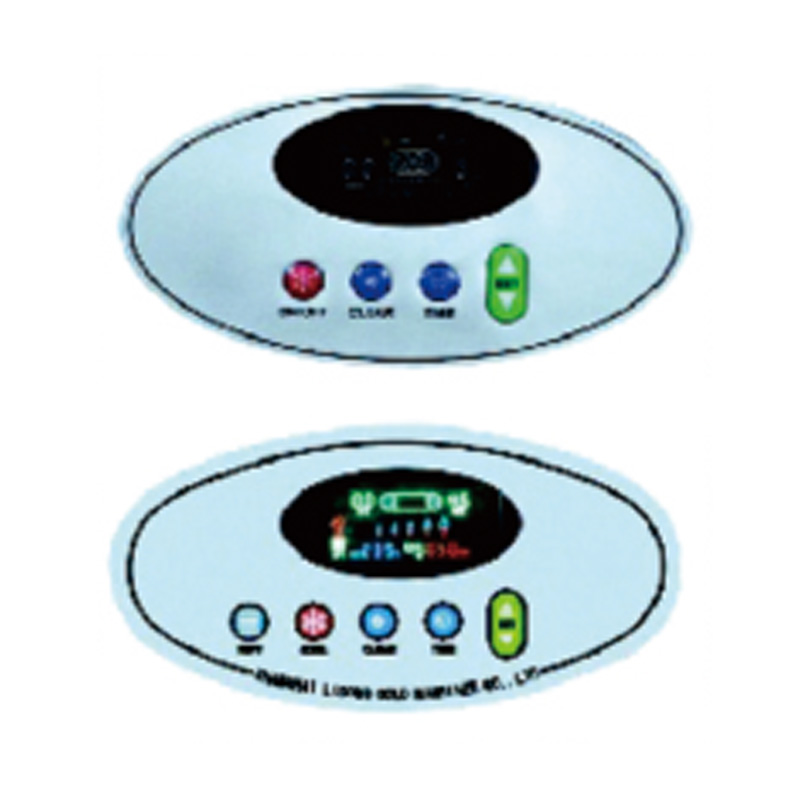
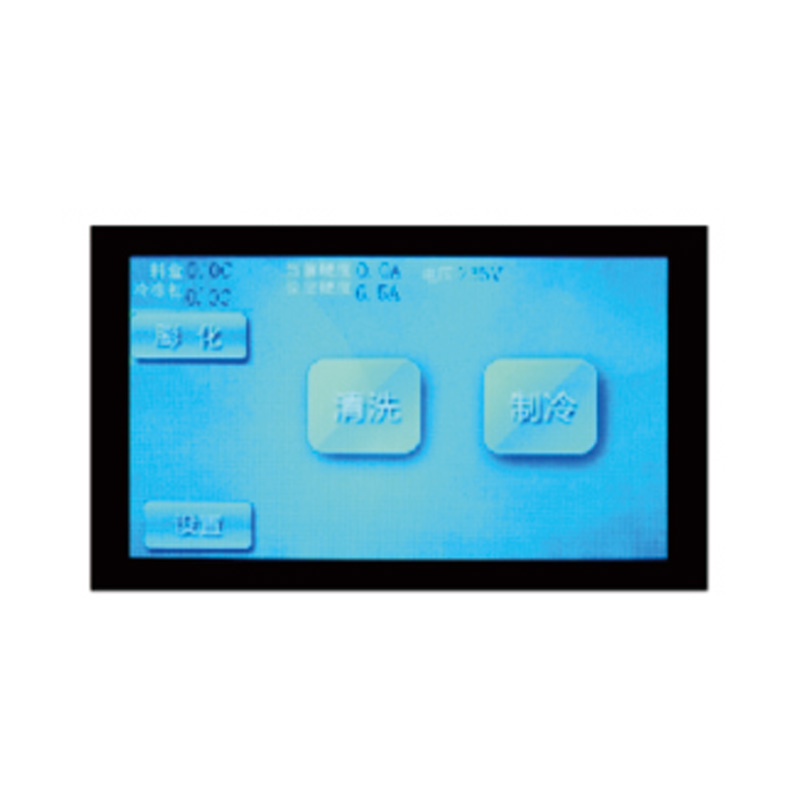
An LCD panel provides a straightforward interface for operating the machine and monitoring its functions. A clear control panel can reduce training requirements for staff, particularly in convenience stores and dessert shops where employees may have different levels of technical experience. The machine also includes a self-cleaning function, which can simplify routine sanitation work when used according to the manufacturer’s instructions.
The plate body is made from food-grade stainless steel and colorful sprayed steel. Stainless steel is widely used in commercial food equipment because it is durable, smooth, easy to wipe, and suitable for frequent cleaning. The sprayed steel exterior allows the equipment to present a more distinctive appearance while supporting a durable commercial body structure. Together, these materials provide a balance between hygiene, appearance, and practical service life.
Key Technical Specifications
The following table summarizes the principal specifications supplied for the BQL-7220 model.
| Specification | Details |
|---|---|
| Model | BQL-7220 |
| Equipment type | Floor-standing commercial soft serve ice cream machine |
| Production capacity | 18 liters per hour |
| Input power | 1800 watts |
| Hopper capacity | 2 x 5.5 liters |
| Freezing tank capacity | 2 x 1.6 liters |
| Net weight | 96 kilograms |
| Machine dimensions | 515 x 575 x 1370 millimeters |
| Compressor | Chinese compressor |
| Refrigerant | R410 |
| Control system | LCD panel |
| Cleaning feature | Self-cleaning function |
Actual performance may vary according to mix formulation, ambient temperature, electrical conditions, operating habits, cleaning procedures, and other installation factors. Buyers should confirm voltage, frequency, plug type, refrigerant regulations, packaging details, and final configuration before placing an order.
Designed for Commercial Service
A commercial soft serve machine must perform differently from a small household appliance. Professional equipment needs to support repeated dispensing, frequent opening and closing of the dispensing area, stable refrigeration, simple controls, and regular sanitation. It also needs to withstand the daily demands of staff operation and customer-facing service.
The BQL-7220 is designed around these requirements. Its floor-standing form provides a stable equipment platform, while the 96-kilogram net weight helps the unit remain secure during normal operation. The large hopper capacity reduces the frequency of mix replenishment compared with smaller countertop models. This can be particularly helpful during lunch periods, weekends, holidays, and seasonal sales peaks.
The 18-liter-per-hour production capacity is appropriate for many medium-volume applications. A convenience store may use the machine to offer ice cream alongside beverages, snacks, and prepared foods. A dessert shop may use it as a core production unit for cones, cups, sundaes, milkshakes, and specialty desserts. A café or fast-food outlet may place it near the service counter to create an additional high-margin menu category.
Businesses should evaluate capacity according to expected customer flow rather than selecting equipment only by its maximum stated output. A machine with excessive capacity may increase the initial investment and occupy unnecessary space, while an undersized machine may create long waiting times and inconsistent availability. The BQL-7220 provides a practical middle-ground capacity for operators seeking more output than a compact countertop model but not necessarily the footprint or cost of a high-volume industrial production system.
Dual-Hopper Flexibility
One of the most important advantages of the BQL-7220 is its dual-hopper design. Each hopper has a 5.5-liter capacity, allowing two product mixes to be loaded independently. This gives operators the opportunity to offer two flavors, such as vanilla and chocolate, or to create a flavor combination that supports a mixed serving option.
Menu flexibility can directly influence customer appeal. Children may prefer colorful or sweet flavors, while adult customers may choose classic vanilla, chocolate, fruit-based formulations, or reduced-sugar recipes. A dual-hopper machine allows the operator to change or rotate flavors according to season, promotion, local preferences, and ingredient availability.
For a convenience store, two flavors can make the soft-serve station more attractive without requiring two separate machines. For a dessert shop, the machine may support a greater variety of menu combinations. For a distributor, the dual-flavor format may make the equipment suitable for a broader range of customer applications than a single-flavor model.
The separate hopper system also enables businesses to plan production more efficiently. Operators can prepare two mixes in advance, maintain product availability during busy periods, and reduce the need to stop service to change flavors. The exact operating process depends on the selected mix, recipe, and local food safety procedures, so staff should follow the operating and sanitation instructions supplied with the equipment.
Compact Floor-Saving Configuration
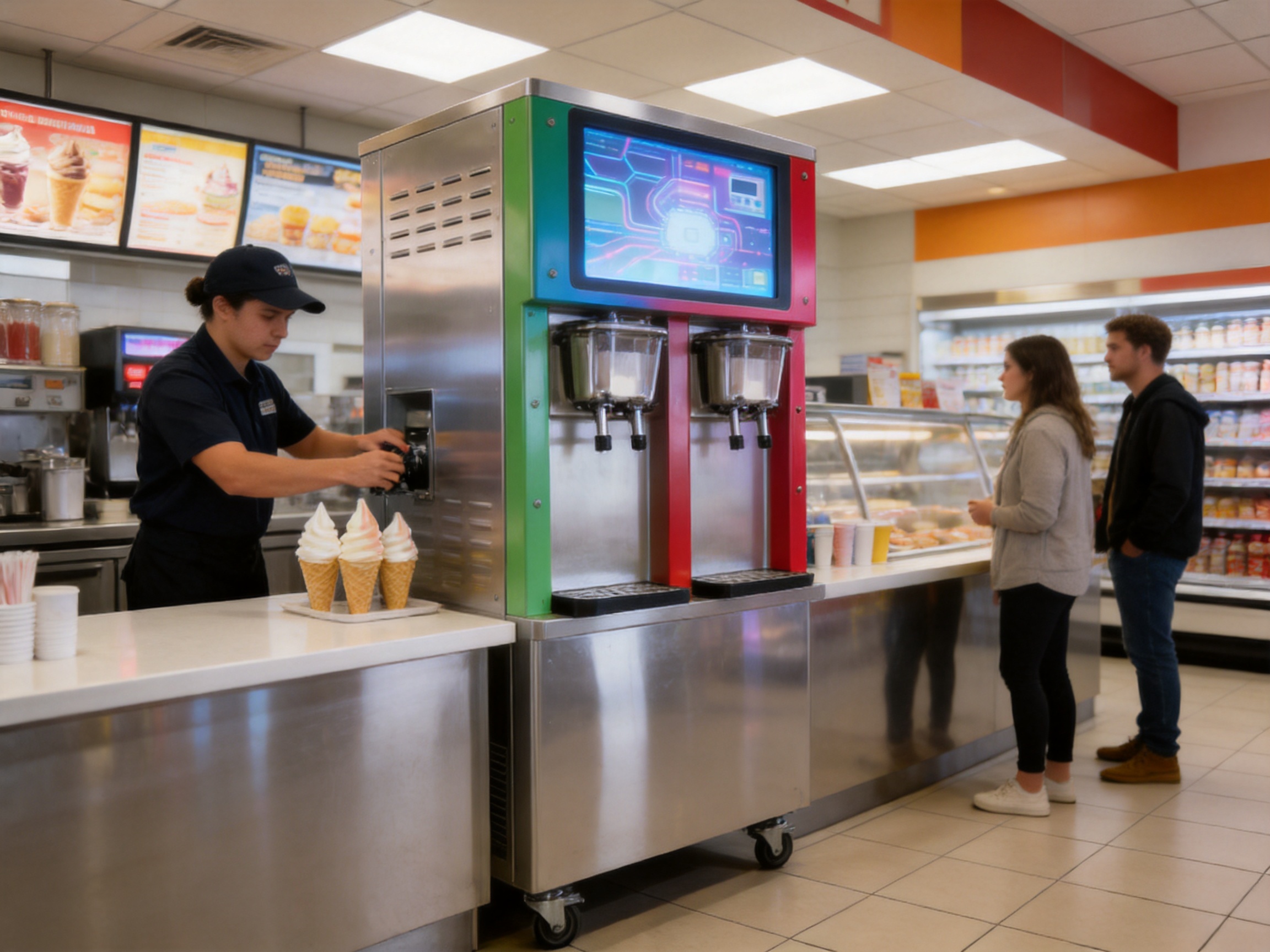
Commercial kitchen and retail environments often have limited available space. Equipment must be placed where employees can use it efficiently without obstructing customer movement, display areas, storage access, or emergency routes. With dimensions of 515 x 575 x 1370 millimeters, the BQL-7220 offers a comparatively narrow floor footprint for a two-flavor commercial soft serve machine.
The vertical body uses height to provide storage and production capacity while limiting the amount of counter space required. This makes the machine suitable for placement beside a service counter, along a wall, near a beverage station, or in a dedicated dessert area. Its design can help operators preserve valuable counter space for point-of-sale activities, toppings, packaging, or other products.
Before installation, the buyer should confirm that the selected location has sufficient clearance around the machine for ventilation, cleaning, service access, and safe staff movement. The floor should be level and strong enough to support the equipment. The installation area should also have a suitable power supply and should not be exposed to excessive heat, water spray, direct sunlight, or unstable environmental conditions.
Although the machine is compact relative to its production capability, it remains a full-size commercial unit. Its 1370-millimeter height should be considered when planning delivery, door access, ceiling clearance, and final positioning. A site survey or dimensional check before shipment can reduce installation difficulties and help distributors provide more accurate customer guidance.
Food-Contact Materials and Hygienic Design
Hygiene is central to the operation of any machine that handles dairy products, dessert mixes, or other ready-to-serve food. The BQL-7220 uses food-grade stainless steel for the plate body. Stainless steel is valued in foodservice equipment because it has a smooth surface, resists corrosion under normal use, and can be cleaned efficiently when proper procedures are followed.
The exterior construction also contributes to the professional appearance of the machine. A clean and well-maintained soft serve unit can strengthen customer confidence, particularly when the machine is positioned in an open service area. The colorful sprayed steel sections allow the equipment to fit more easily into branded retail environments, dessert shops, and modern convenience store interiors.
The self-cleaning function is another practical feature. Cleaning a soft serve machine involves more than removing visible residue. Product pathways, freezing cylinders, dispensing components, seals, and contact surfaces all require attention. A self-cleaning program can assist with the process by reducing manual labor and helping operators follow a more consistent cleaning routine.
Self-cleaning does not eliminate the need for staff inspection or manual sanitation. Operators should follow the manufacturer’s cleaning schedule, use approved cleaning products, disassemble removable food-contact components when required, inspect seals and dispensing parts, and observe local food safety regulations. The feature should be viewed as a support function that improves convenience, not as a replacement for responsible hygiene management.
Refrigeration and Cooling Performance
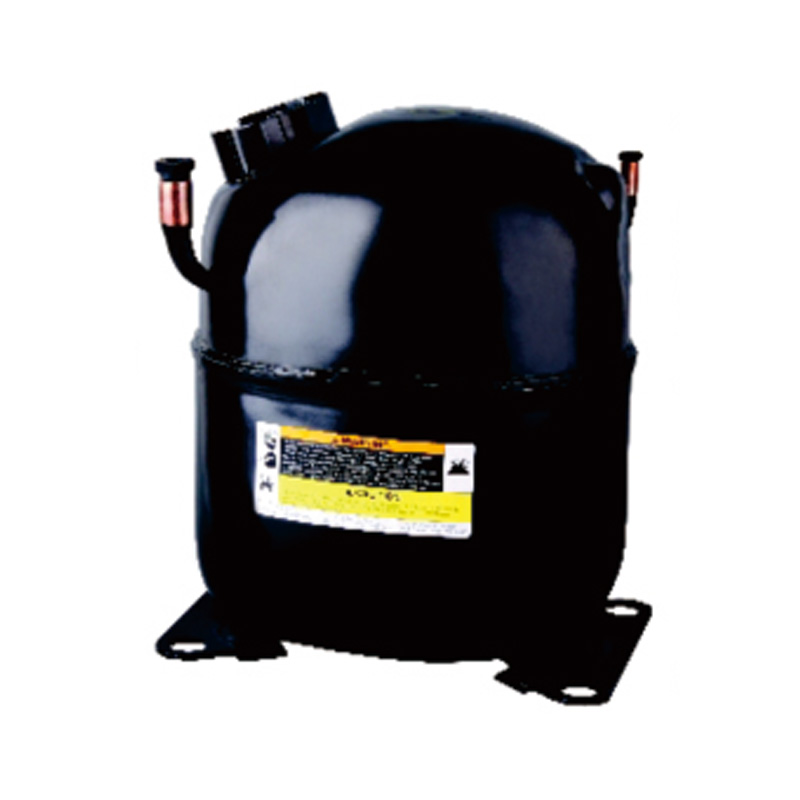
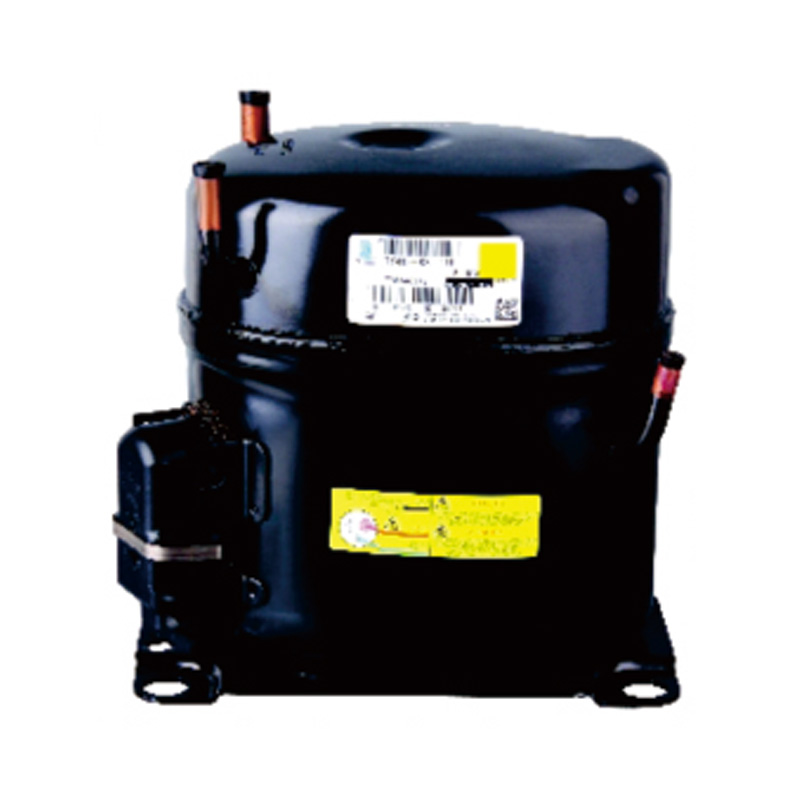
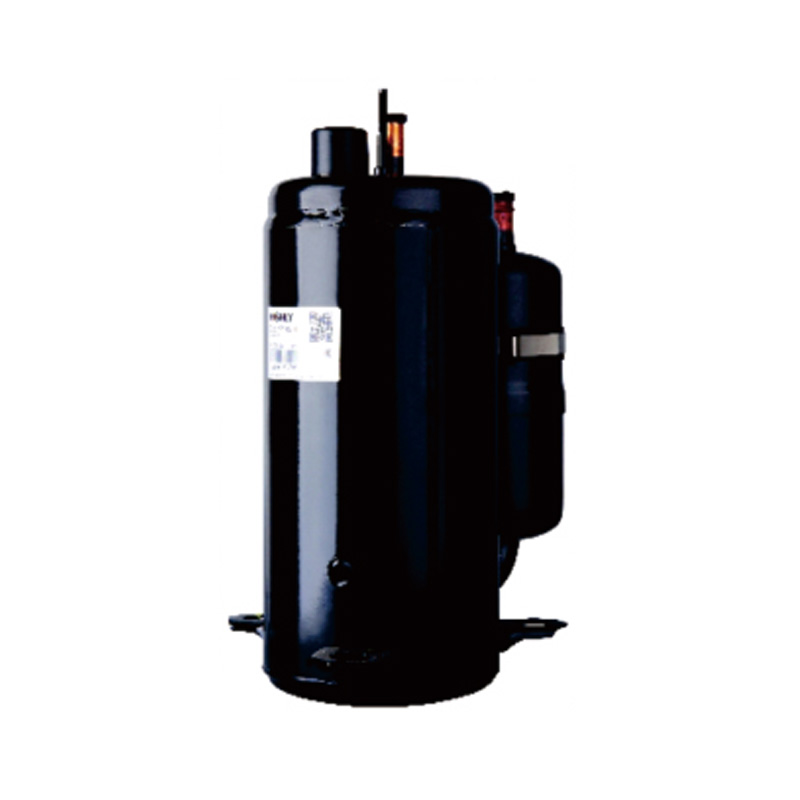
Stable cooling is essential for producing soft serve with a consistent texture. The BQL-7220 is equipped with a Chinese compressor and uses R410 refrigerant according to the supplied specifications. The refrigeration system supports the freezing tanks and helps maintain the product in a suitable condition for dispensing.
Even cooling is particularly important in commercial service because customers expect a consistent product from the first serving to the last. Uneven cooling can affect firmness, texture, serving speed, and product quality. A properly installed and maintained refrigeration system helps the operator achieve more predictable results across the operating day.
Cooling performance depends on several factors in addition to the compressor. These include ambient temperature, ventilation, condenser cleanliness, product formulation, mix temperature, dispensing frequency, and electrical stability. Operators should avoid placing the unit in a hot or poorly ventilated location. Adequate space around the ventilation areas should be maintained according to the installation instructions.
R410 is identified as the refrigerant for this model in the supplied information. Because refrigerant requirements and service regulations may vary by country or region, importers and commercial buyers should verify compliance with local standards before ordering. Any refrigeration service should be performed by qualified personnel using appropriate tools and procedures.
Simple LCD Operation
The LCD panel is designed to make daily operation more accessible. A clear display can help staff understand the equipment status, select functions, and monitor operating conditions without relying on complicated manual controls. This is valuable in businesses with rotating employees, part-time workers, or multiple service shifts.
Simple controls can also reduce training time. A manager can establish standard procedures for loading mix, starting production, checking product consistency, dispensing portions, initiating cleaning, and shutting down the machine. When the interface is easy to understand, employees are more likely to follow the correct sequence and less likely to make avoidable operating errors.
For distributors and wholesalers, an LCD panel may also reduce the support burden associated with customer training. Equipment demonstrations can be completed more efficiently, and the buyer can receive clear instructions for common operating tasks. The exact functions shown on the display depend on the final configuration and control software, so the product manual should be used as the primary operating reference.
A user-friendly interface is especially useful in convenience stores, where the machine may be operated by employees who also manage checkout, restocking, beverage preparation, and customer service. The faster staff can understand the equipment, the easier it becomes to integrate soft serve into the store’s overall workflow.
Advantages Compared with Common Alternatives
Compared with Small Countertop Machines
Small countertop soft serve machines are convenient for low-volume locations, but they often provide less hopper capacity and lower production output. They may also occupy valuable counter space that could otherwise be used for toppings, packaging, displays, or payment activities. The BQL-7220 offers a floor-standing alternative with larger hoppers and an 18-liter-per-hour production rating.
The floor configuration can provide better separation between food preparation and counter operations. It also makes the machine easier to identify as a dedicated commercial dessert station. For businesses expecting regular customer demand, the larger capacity can reduce interruptions caused by frequent replenishment.
Compared with Single-Flavor Machines
A single-flavor machine may have a simpler design and lower initial cost, but it limits menu variety. The dual-hopper configuration of the BQL-7220 supports two separate flavors and can create a more attractive customer offering. This is a useful advantage where operators want to serve classic combinations or adjust flavors according to local preferences.
Two flavor options can also improve promotional flexibility. A business may offer a standard flavor alongside a seasonal flavor, a premium recipe alongside a value option, or a dairy-based flavor alongside another approved formulation. The exact mix compatibility should be confirmed before use.
Compared with Separate Equipment for Each Flavor
Installing two separate single-flavor machines can increase equipment cost, floor space requirements, cleaning work, and power demand. A dual-hopper unit combines two flavor functions within one machine body. This can simplify the layout and reduce the number of separate units that staff must operate and maintain.
Compared with Complex High-Capacity Systems
Large industrial soft serve systems may be appropriate for major chains, central production kitchens, or extremely high-volume sites. However, they may exceed the needs of a small dessert shop or convenience store. The BQL-7220 provides a more focused commercial solution for businesses seeking a balance between capacity, flexibility, footprint, and operating simplicity.
Commercial Applications
Convenience Stores
Convenience stores often depend on fast service, efficient use of space, and products that encourage impulse purchases. A floor-standing soft serve machine can be installed near other prepared food or beverage equipment to create a visible dessert station. Customers may purchase a cone or cup while buying snacks, coffee, cold drinks, or takeaway meals.
The dual-hopper design enables the store to offer two flavors without installing two machines. The LCD panel allows employees to learn operation quickly, while the self-cleaning function can support routine maintenance during scheduled cleaning periods. Store managers should establish clear procedures for food handling, daily checks, cleaning, and temperature monitoring.
Independent Dessert Shops
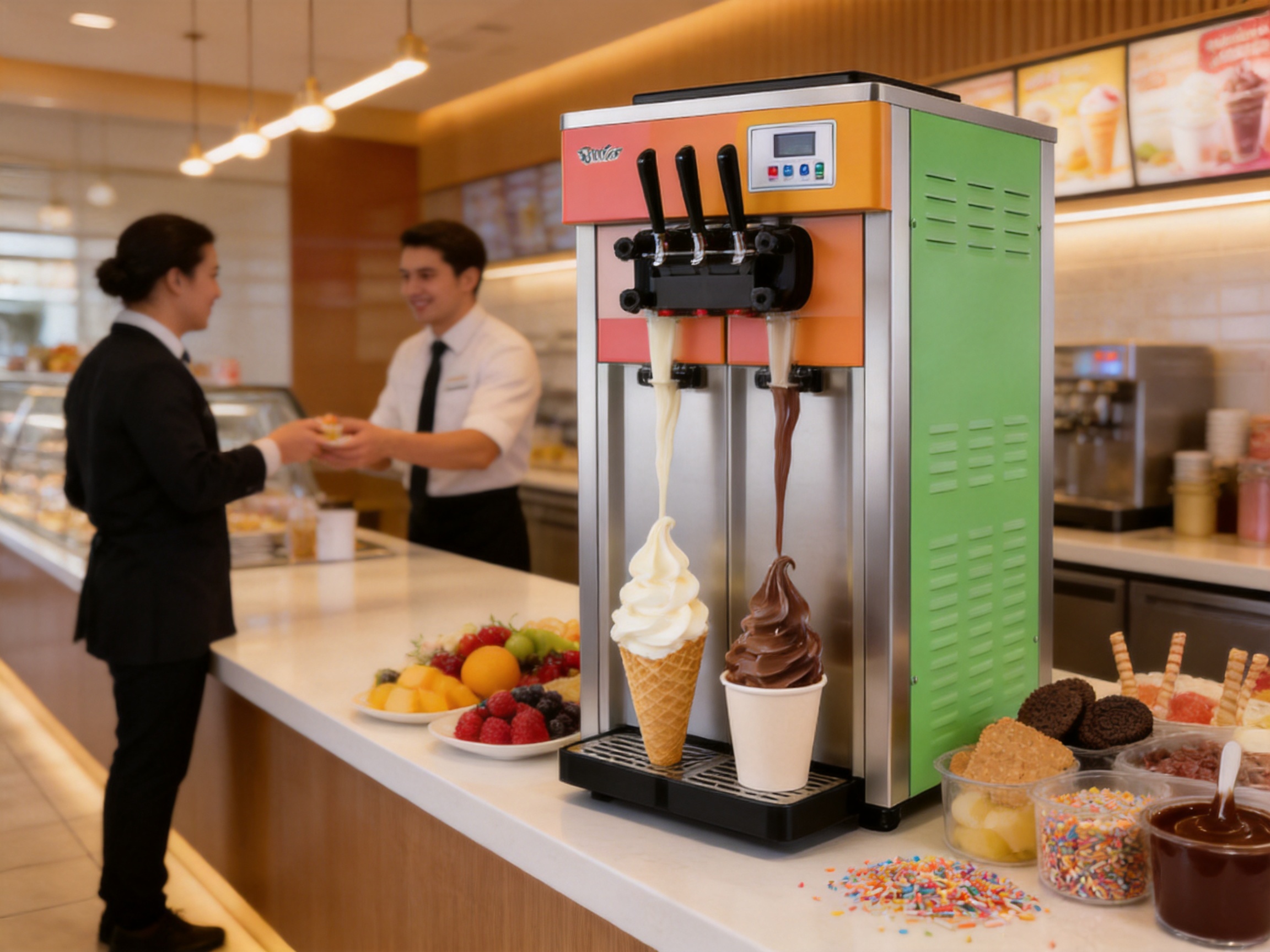
For dessert shops, soft serve can serve as a primary product or as one component of a larger menu. It can be sold in cones and cups or combined with fruit, cookies, sauces, cereal, cake, waffles, and other toppings. Two available flavors increase the number of possible menu combinations and can improve the visual appeal of the service counter.
The stainless steel body and colorful exterior can also contribute to the shop’s interior design. Because customers often watch the product being dispensed, a clean and attractive machine can become part of the retail experience rather than simply a back-of-house appliance.
Cafés and Fast-Food Outlets
Cafés and fast-food outlets can use soft serve to extend their menu beyond hot beverages, cold drinks, fried foods, and prepared meals. The machine may be positioned near the order pickup area or within a dedicated dessert section. Its production capacity is suitable for regular service, while the dual-flavor structure allows operators to maintain customer choice.
Hotels, Canteens, and Institutional Foodservice
Hotels, school canteens, employee dining halls, entertainment venues, and institutional cafeterias may use commercial soft serve equipment during meal periods, events, and seasonal programs. In these settings, ease of cleaning, dependable output, and the ability to serve many people within a limited period are important considerations.
Distributors and Project Suppliers
Wholesalers and foodservice equipment distributors may find the BQL-7220 suitable for customers that require a mid-capacity two-flavor solution. The machine can be included in store opening packages, dessert shop projects, convenience store upgrades, or broader commercial kitchen equipment proposals.
Manufacturing Strengths
The performance of commercial equipment depends not only on its visible features but also on the manufacturing system behind it. Spelor Electrical Appliances (Zhejiang) Co., Ltd. integrates product design, research and development, manufacturing, sales, and service. This integrated structure can help reduce communication gaps between product planning, production, quality control, and customer support.
The company operates more than 60,000 square meters of modern production facilities. A substantial manufacturing base can support organized production flows, equipment assembly, component management, testing, packaging, and logistics coordination. It also provides a foundation for serving different product categories and customer requirements at commercial scale.
The manufacturer’s product portfolio includes commercial refrigeration equipment, ice cream machines, juice dispensers, fried ice cream machines, refrigeration cabinets, slush machines, flake ice machines, cooking equipment, griddles, fryers, insulation products, barbecue equipment, and buffet solutions. This broad range gives the company experience across multiple foodservice applications.
For buyers, a broad product portfolio can be advantageous when several equipment categories are needed for one project. A convenience store, dessert shop, hotel, or restaurant may require refrigeration, beverage dispensing, cooking, ice making, and dessert equipment at the same time. Working with a manufacturer that understands multiple categories can simplify product coordination and procurement.
Production and Quality Considerations
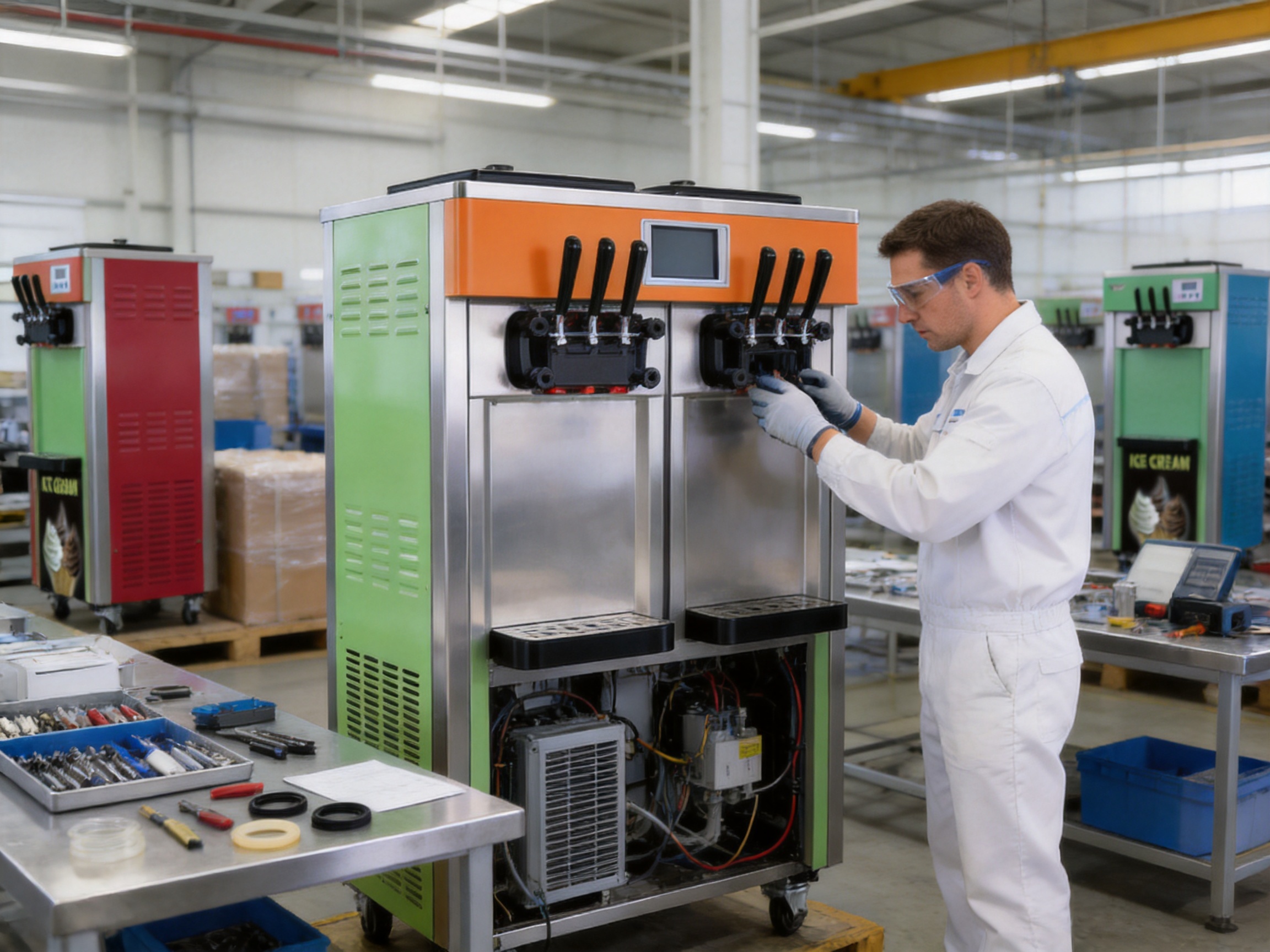
Commercial equipment manufacturing requires careful control of materials, component installation, refrigeration assembly, electrical wiring, surface finishing, and final inspection. Stainless steel body panels must be formed and finished correctly. Refrigeration components must be installed securely. Electrical systems must be assembled in accordance with the intended configuration. Controls and display functions should be checked before shipment.
A professional production process typically involves incoming material checks, component preparation, assembly, functional testing, appearance inspection, and packaging inspection. The precise quality procedures for a specific order should be confirmed with the manufacturer or authorized supplier. Buyers may also request applicable certifications, inspection documents, test reports, and packaging specifications according to their market requirements.
Manufacturing flexibility is important for international buyers. Different markets may require different voltage and frequency configurations, plug standards, languages for control panels, labeling, packaging, or documentation. Spelor states that it provides OEM and ODM services based on drawings or customer requirements. This may allow distributors and project buyers to discuss customized solutions, subject to technical feasibility and order conditions.
OEM and ODM cooperation can be valuable for companies developing a private-label product line or building a consistent equipment package for a chain of stores. Customization may involve exterior colors, logos, control settings, packaging, product specifications, or related components. The scope, minimum order quantity, development cost, tooling requirements, and delivery schedule should be agreed in writing before production.
Operational Workflow
Before Starting the Machine
Place the machine on a level floor in a clean, dry, and adequately ventilated area. Check that the electrical supply matches the machine requirements and that the surrounding space allows access for operation and service. Inspect the hopper, dispensing area, seals, and visible surfaces before adding mix.
Loading the Mix
Use a suitable soft serve mix prepared according to the recipe and food safety requirements of the business. The mix should be handled at the appropriate temperature and should not contain ingredients that are incompatible with the machine. Load each hopper according to the recommended fill level and avoid introducing foreign objects or excessive foam.
Freezing and Dispensing
After the machine has been started, allow the refrigeration and freezing process to reach the required operating condition. Product consistency can be affected by mix temperature, solids content, fat content, sugar level, air incorporation, and dispensing frequency. Staff should follow the manufacturer’s recommended settings and observe the product during the first service period.
During Service
Keep the dispensing area clean and remove spills promptly. Use suitable cones, cups, utensils, and packaging. Avoid touching food-contact surfaces with unclean hands or tools. Monitor the product level in both hoppers and replenish mix according to the established food handling procedure.
After Service
At the end of the operating period, follow the required shutdown and cleaning procedure. The self-cleaning function can assist with the process, but removable parts may still require disassembly, washing, sanitizing, rinsing, drying, and inspection. Staff should record any unusual noise, temperature issue, leakage, or dispensing problem for management review.
Maintenance and Service Life
Routine maintenance helps preserve performance and reduce unexpected downtime. Operators should keep the exterior and surrounding area clean, ensure ventilation openings remain unobstructed, and follow the recommended schedule for condenser cleaning and component inspection. Accumulated dust and grease can reduce heat exchange efficiency and place additional stress on the refrigeration system.
Seals, O-rings, dispensing components, scraper blades, and other wear parts should be inspected regularly. The replacement interval depends on usage, cleaning chemicals, operating frequency, and product formulation. Worn seals may cause leakage or air entry, while damaged dispensing components can affect portion consistency and hygiene.
The machine should not be moved unnecessarily after installation. If relocation is required, it should be performed carefully by trained personnel, with attention to the refrigeration system, electrical connection, floor stability, and final leveling. After transport, the equipment may require a suitable settling period before operation, depending on the shipping position and manufacturer’s instructions.
Spelor provides after-sales support and maintenance services as part of its stated one-stop service approach. International buyers should confirm the availability of spare parts, technical documentation, remote support, warranty terms, service response procedures, and local service arrangements before purchase. Distributors may also benefit from stocking frequently replaced wear parts for faster customer support.
Purchasing Considerations for International Buyers
Before placing an order, commercial buyers should provide complete information about the intended application. Important details include expected daily volume, peak-hour demand, available installation space, desired flavor configuration, electrical standards, shipping destination, local refrigerant requirements, and any required certifications.
Buyers should request a final quotation that clearly identifies the model, capacity, power specification, dimensions, refrigerant, packaging, accessories, spare parts, warranty, payment terms, production lead time, and shipping responsibilities. If the machine is being purchased for a chain store or project, the buyer should also confirm whether the same configuration can be supplied consistently for future orders.
Packaging is particularly important for a 96-kilogram floor-standing machine. The supplier and buyer should discuss crate or carton construction, protective materials, moisture protection, labeling, loading method, and inspection procedures at the destination. Delivery planning should account for the machine’s height and weight as well as unloading equipment.
Importers should also verify whether the product requires local registration, electrical approval, food-contact documentation, energy information, or refrigerant declarations. Requirements vary between countries and may change over time. The manufacturer can provide available documents, but the importer remains responsible for confirming local compliance.
Why Manufacturer Support Matters
Equipment value extends beyond the initial purchase price. A machine that is easy to operate, supported by documentation, and supplied with replacement parts can provide greater long-term value than a lower-priced machine with limited support. This is especially true for commercial operators whose sales depend on daily equipment availability.
Spelor describes its service approach as including pre-sales consultation, product customization, flexible logistics and payment solutions, and after-sales maintenance. These services can help buyers select a suitable configuration, plan delivery, adapt the equipment for a particular project, and manage maintenance after installation.
For wholesalers, responsive factory communication can support more accurate customer quotations and faster technical answers. For chain-store operators, it can help maintain consistent specifications across multiple locations. For independent businesses, it can provide guidance when staff need assistance with installation, cleaning, operation, or replacement parts.
Buyers should nevertheless establish all service commitments in formal commercial documents. A clear warranty policy should identify covered components, exclusions, response procedures, responsibility for shipping, and recommended maintenance. Written documentation helps prevent misunderstandings and supports a more efficient business relationship.
Business Benefits of Adding Soft Serve
Soft serve can increase the variety of a foodservice menu without requiring a complex cooking process. The product is visually appealing, quick to dispense, and adaptable to many serving formats. Operators may sell standard cones and cups or use soft serve as a base for sundaes, dessert bowls, milkshakes, float drinks, and combination meals.
The BQL-7220’s two-hopper design creates opportunities for product differentiation. A store can offer a traditional flavor and a rotating promotional flavor. A dessert shop can combine two flavors with different toppings. A fast-food outlet can create seasonal offerings or limited-time menu items. These options may help businesses attract customers and encourage repeat visits.
Menu planning should take account of ingredient costs, serving size, packaging, toppings, labor, cleaning time, electricity, and equipment depreciation. The machine’s production capacity provides an operating capability, but profitability depends on how effectively the business manages pricing, recipes, waste, labor, and customer demand.
Visual merchandising can also influence sales. A clean machine placed in a visible and accessible location can communicate freshness and encourage impulse purchases. Clear menu boards, attractive photographs, appropriate lighting, and convenient placement of cones and cups can make the dessert station easier for customers to understand.
Frequently Asked Questions
What type of business is this machine designed for?
The BQL-7220 is intended for commercial environments such as convenience stores, dessert shops, cafés, fast-food outlets, hotels, canteens, institutional foodservice operations, and similar businesses. It is designed for regular service rather than occasional household use.
How much product can it produce?
The stated production capacity is 18 liters per hour. Actual output may vary according to the mix recipe, ambient temperature, starting mix temperature, dispensing frequency, electrical conditions, and operating settings.
Does the machine support two flavors?
Yes. It has two separate 5.5-liter hoppers and two 1.6-liter freezing tanks. This configuration is intended to support two flavor options or two separate product mixes, subject to the approved operating method and mix compatibility.
How much power does the machine use?
The listed input power is 1800 watts. Buyers should confirm the final voltage, frequency, phase, plug, and electrical protection requirements for their market before ordering.
What are the machine dimensions?
The stated dimensions are 515 x 575 x 1370 millimeters. Installation planning should include additional clearance for ventilation, cleaning, service access, and safe staff movement.
Is the machine easy to clean?
The machine includes a self-cleaning function intended to simplify routine cleaning. Staff must still follow the complete sanitation procedure, which may include manual cleaning, disassembly of removable components, inspection of seals, and compliance with local food safety requirements.
What materials are used for the body?
The plate body is made from food-grade stainless steel and colorful sprayed steel. These materials support a durable commercial structure, an attractive appearance, and practical routine cleaning.
What refrigerant does the machine use?
The supplied specification identifies R410 refrigerant. Buyers should confirm local regulations and service requirements before importing or installing the equipment.
What compressor is installed?
The listed compressor is a Chinese compressor. The final component configuration and available options should be confirmed with the supplier in the commercial quotation or technical documentation.
Can the equipment be customized?
The manufacturer states that it offers OEM and ODM services based on drawings or customer requirements. Potential customization may depend on order quantity, technical feasibility, development requirements, and market regulations. Buyers should discuss custom colors, logos, packaging, electrical specifications, and documentation before production.
What should be checked before installation?
Confirm the floor strength and levelness, electrical compatibility, ventilation, clearance, delivery route, operating location, cleaning access, and compliance with local regulations. The machine should be installed according to the manufacturer’s instructions.
Is this machine suitable for high-volume chains?
It may be suitable for convenience stores, dessert shops, and other medium-volume commercial applications. Large chains should compare projected demand with the 18-liter-per-hour rating and conduct a site-specific capacity assessment before selecting the equipment for every location.
How can operators maintain product consistency?
Operators should use a consistent recipe, prepare the mix correctly, maintain suitable mix temperatures, clean the machine according to schedule, keep the condenser and ventilation areas clear, and follow the recommended operating settings. Staff training is also important.
Does the manufacturer provide after-sales service?
The manufacturer states that it provides after-sales maintenance and one-stop support. Buyers should confirm warranty coverage, spare-part availability, technical documentation, service response times, and local support arrangements as part of the purchase process.
Conclusion
The BQL-7220 floor-standing commercial soft serve ice cream machine is designed to provide a practical combination of production capacity, flavor flexibility, compact floor use, operating simplicity, and commercial durability. Its 18-liter-per-hour output, dual 5.5-liter hoppers, two 1.6-liter freezing tanks, LCD panel, self-cleaning function, and food-grade stainless steel body make it suitable for a broad range of foodservice applications.
Compared with small countertop machines, it offers greater capacity and a dedicated floor-standing format. Compared with single-flavor equipment, it provides more menu flexibility. Compared with installing two separate machines, it can simplify the layout and reduce the number of units that staff must operate. These advantages make it a relevant option for convenience stores, dessert shops, cafés, fast-food outlets, hotels, canteens, and distributors.
The strength of the product is also connected to the manufacturing capability behind it. Spelor Electrical Appliances (Zhejiang) Co., Ltd. combines research and development, manufacturing, sales, and service within an established foodservice equipment business. Its modern production facilities, broad product range, OEM and ODM capabilities, and international support approach provide a foundation for commercial buyers seeking equipment and long-term supplier cooperation.
Businesses should evaluate the machine according to their expected demand, installation conditions, local electrical standards, cleaning procedures, import requirements, and after-sales needs. With correct installation, responsible operation, regular sanitation, and appropriate maintenance, the BQL-7220 can serve as a reliable soft serve production platform for daily commercial service.
References
1. Spelor Electrical Appliances (Zhejiang) Co., Ltd. Product specification information for commercial soft serve ice cream machine model BQL-7220.
2. Spelor Electrical Appliances (Zhejiang) Co., Ltd. Company profile and foodservice equipment manufacturing overview.
3. Manufacturer-supplied technical information regarding production capacity, hopper capacity, freezing tank capacity, input power, dimensions, compressor, and refrigerant.
4. General commercial food equipment sanitation and maintenance principles for soft serve ice cream machines.
5. General foodservice equipment installation considerations, including electrical compatibility, ventilation, clearance, floor stability, and service access.
Product: Spelor Floor Commercial Soft Serve Ice Cream Machine for Convenience Store Dessert Shops

For exclusive deals and latest offers, sign up by entering your email address below.


-
spelor@spelor.com
-
+86-576-85229688
-
No.528, Changxi Road, Linhai City, Zhejiang Province, China
Commercial Refrigeration Equipment Manufacturer China
Copyright © 2025 by Spelor Electrical Appliances (Zhejiang) Co., Ltd. Rights Reserved.
