


 中文简体
Cold Drink Appliance Cone Holder Replacement Part: Stable Serving Support for Beverage Preparation
Admin 2026-09-17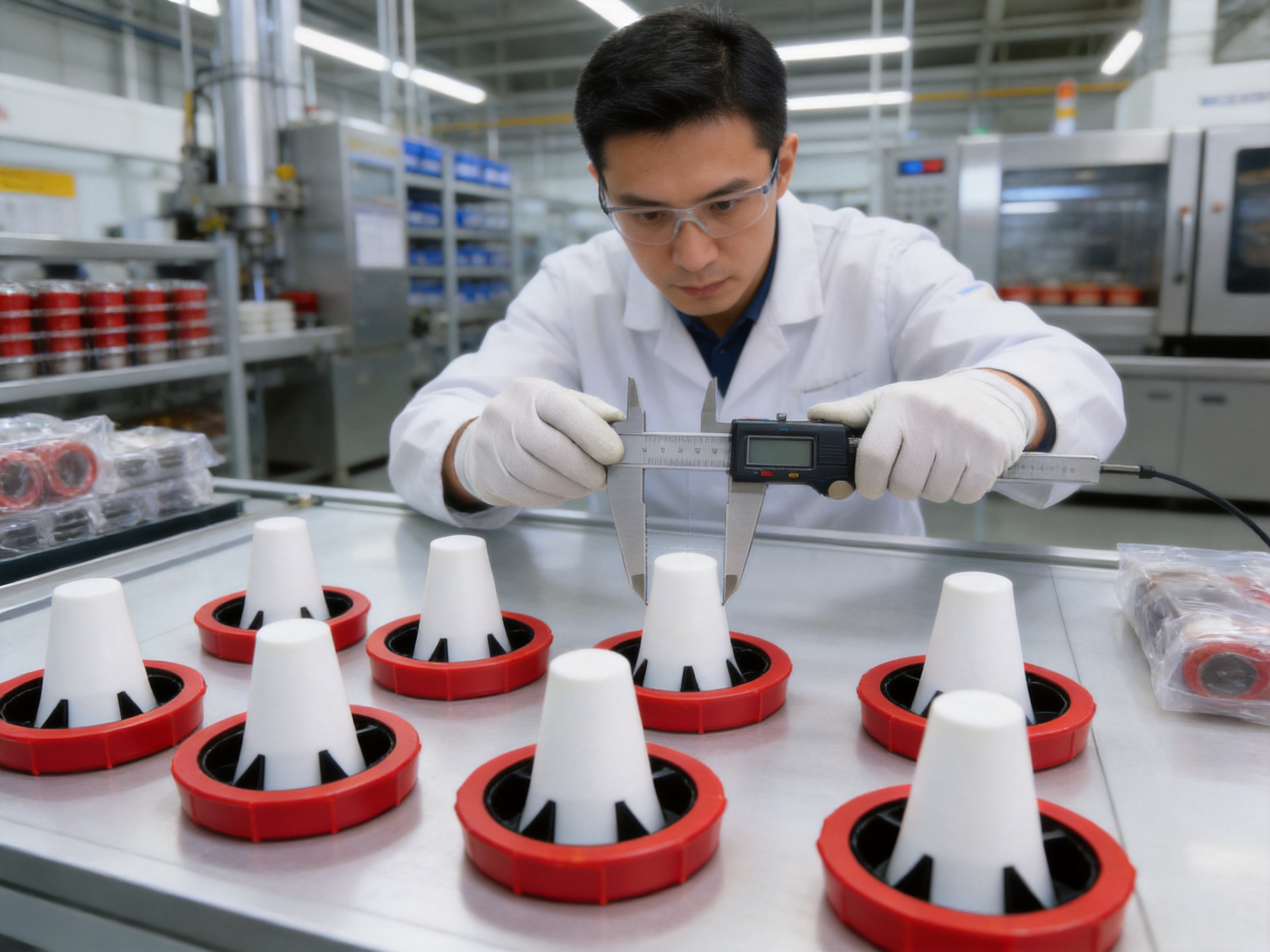
Cold Drink Appliance Cone Holder Replacement Part: Stable Serving Support for Beverage Preparation
Efficient beverage service depends on more than the performance of a dispenser, mixer, or cold drink appliance. Small support components can also influence cleanliness, convenience, presentation, and the overall speed of preparation. A cone holder is one such component. Designed to support cone-shaped cups during beverage preparation, this replacement part provides a practical solution for operators who need a stable and dependable holding position near a cold drink appliance.
This cone-shaped stand replacement part is intended for use with various beverage makers and related cold drink equipment. Its purpose is straightforward: it helps keep a cone-shaped cup securely positioned while a beverage is being prepared or served. The compact structure is easy to install, while the red outer ring adds visual distinction and contributes to the part’s durability. It can be used in suitable home, retail, hospitality, and commercial foodservice environments.
Although the cone holder is a small accessory, its role is important. A cup that is not properly supported may tilt, move, or spill during filling. In a busy service environment, repeated instability can cause wasted product, additional cleaning, slower order fulfillment, and an inconsistent customer experience. By creating a designated support point, this replacement component helps make beverage preparation more orderly and predictable.
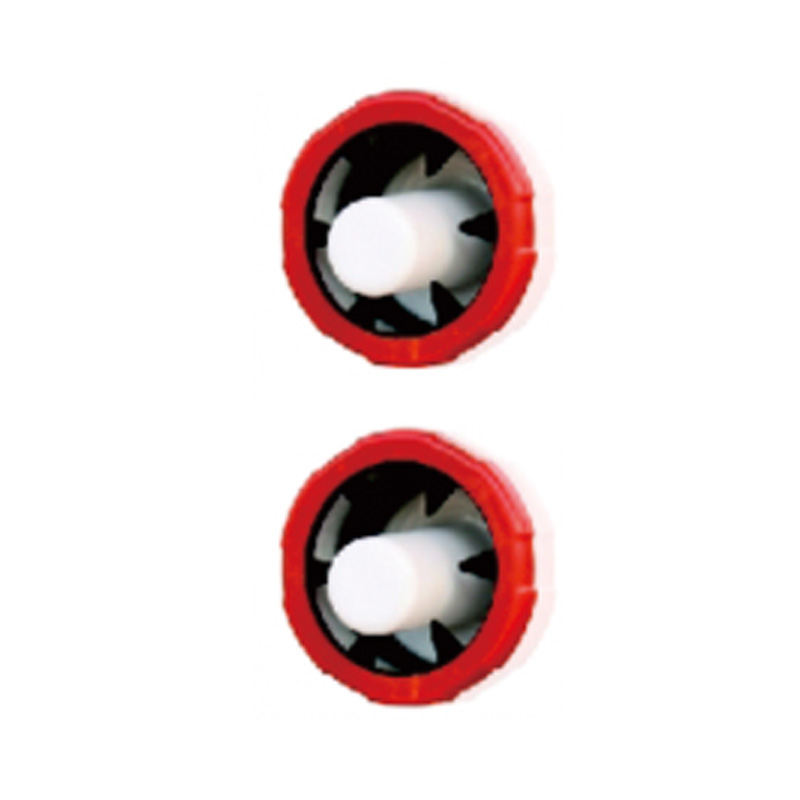
Cold Drink Appliance Cone Holder Replacement Parts(Not sold separately)
Understanding the Cone Holder Replacement Part
The cone holder is a replacement support component designed for cold drink appliances and beverage-making equipment that use cone-shaped cups or similar serving containers. It is not presented as a complete beverage machine and is not intended to replace the primary operating components of a dispenser. Instead, it functions as an auxiliary part that supports the serving process.
The component has a cone-shaped holding area and a visible red outer ring. The inner section is designed to accommodate the lower portion of a cone-shaped cup, while the outer ring provides an identifiable boundary around the support area. This arrangement helps guide the cup into position and reduces unnecessary movement during preparation.
Because beverage equipment is often used repeatedly throughout the day, support accessories need to be practical and durable. A well-designed holder should be easy to place, simple to clean, convenient to replace, and compatible with the working habits of the operator. This product addresses those needs through a compact form and a straightforward installation concept.
The part is especially useful when an existing holder has become worn, cracked, discolored, misplaced, or otherwise unsuitable for continued use. Replacing the holder instead of replacing the complete appliance may reduce downtime and help extend the service life of the main equipment. For operators managing multiple machines, replacement accessories can also simplify routine maintenance and inventory planning.
Why a Stable Cup Support Matters
Cold beverage preparation often requires the operator to position a cup beneath a dispensing outlet, mixing area, or filling point. When the cup has a cone-shaped base or a narrow lower section, it may not sit securely on a flat surface. Even a small movement can create alignment problems.
A dedicated holder provides a defined resting position. It helps the operator place the cup consistently, which is valuable when several beverages are prepared in succession. The holder also keeps the cup closer to the intended dispensing location, supporting better control over the filling process.
Stable positioning can provide several practical benefits:
First, it can help reduce spills. If the cup remains upright during preparation, the beverage is less likely to overflow over the side or fall onto the counter.
Second, it can help improve working speed. Staff members do not need to repeatedly adjust a cup or search for a suitable support surface.
Third, it can contribute to a cleaner workstation. Fewer spills mean less wiping, less liquid accumulation around the appliance, and fewer interruptions during busy service periods.
Fourth, it can improve presentation. A cup that remains properly aligned during preparation is more likely to receive a neat and consistent fill, which can influence the customer’s perception of quality.
Finally, it can support safer handling. A stable cup is easier for an operator to monitor and remove after filling, particularly when the beverage is cold, thick, carbonated, or served with toppings.
Key Product Features
Cone-Shaped Support Design
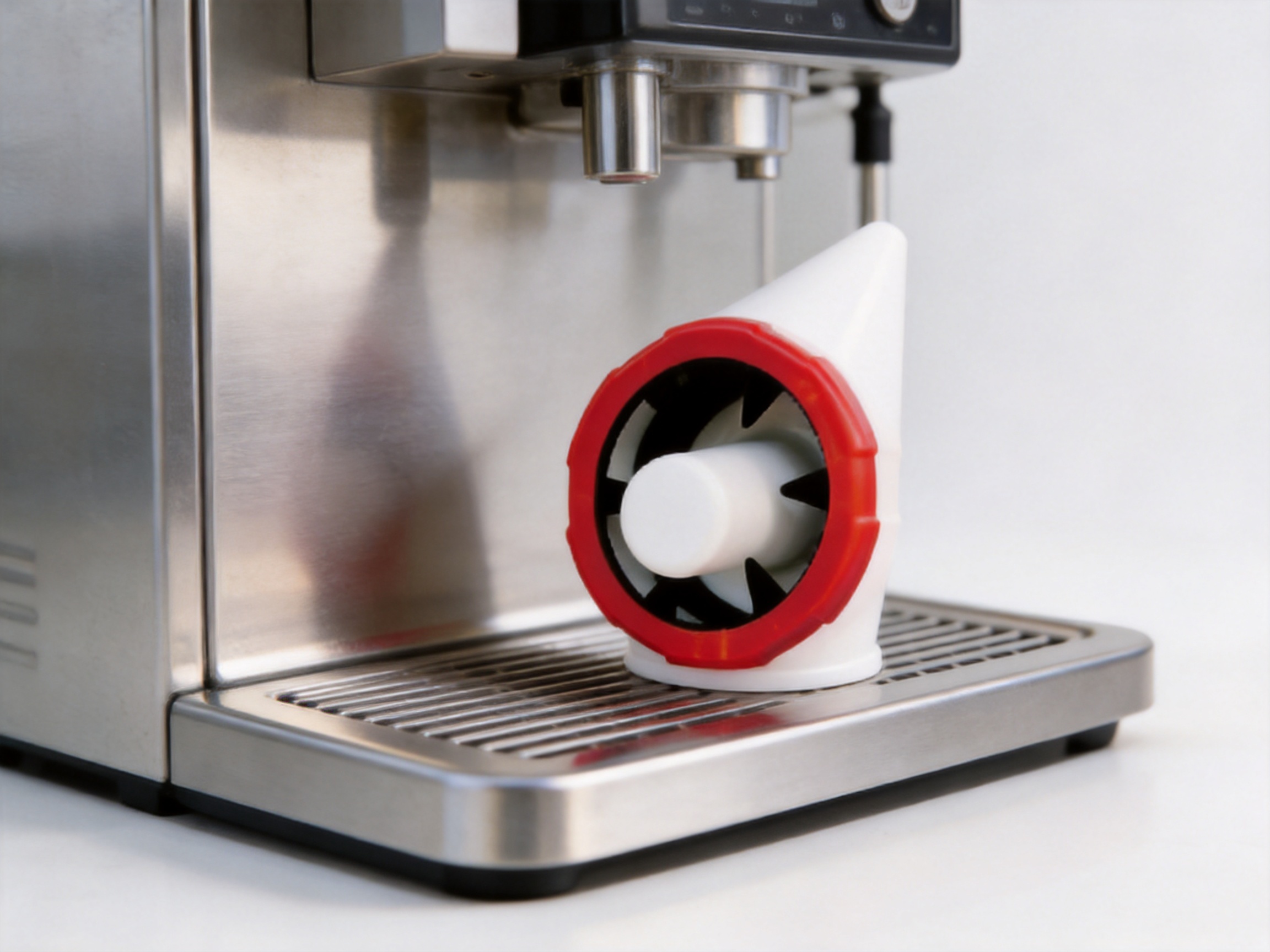
The central feature of this replacement part is its cone-shaped support structure. It is designed to accommodate cone-shaped cups and provide a more suitable resting position than a plain flat surface. The shape helps guide the cup toward the center of the holder, supporting a more stable placement.
The design is particularly useful for beverage applications where the lower part of the serving container is narrower than the upper opening. Without an appropriate support profile, such containers can rock or lean. A dedicated cone holder responds to that specific requirement without adding unnecessary complexity.
Compact Construction
The holder has a compact design that can fit naturally into the working area around a beverage appliance. Compact accessories are valuable in foodservice environments because counter space is often limited. A bulky support structure may interfere with other equipment, ingredient containers, cups, or cleaning tools.
By maintaining a small footprint, the holder can help preserve an organized preparation area. Its compact form also makes it easier to store as a spare part when it is not in use. This can be useful for service companies, equipment distributors, and operators with multiple beverage stations.
Red Outer Ring
The red outer ring provides both visual and functional value. Its contrasting color makes the holder easy to identify around a busy workstation. Staff members can quickly recognize the intended placement area without needing to inspect the part closely.
The outer ring also creates a visible boundary around the cup-supporting area. This can help guide placement and make the holder easier to use for new staff members. In addition, the ring contributes to the overall structure of the component and is designed to support durability during repeated handling.
Simple Installation Concept
Replacement parts should not create unnecessary service complexity. This holder is designed for straightforward installation in suitable beverage appliances. The compact construction allows the component to be positioned without requiring an elaborate assembly process.
Before installation, operators should confirm the dimensions, mounting arrangement, and compatibility of the holder with their equipment. The appliance should be switched off and safely disconnected when necessary. Any residue, damaged material, or foreign objects around the installation area should be removed before the replacement part is fitted.
Suitable for Home and Commercial Use
The product can be considered for both home and commercial beverage preparation where the equipment and cup design are compatible. In a home setting, it can help maintain a neater and more convenient drink preparation area. In a commercial setting, it can support repeated service in cafés, snack shops, bars, convenience stores, restaurants, and other foodservice locations.
The product’s suitability for commercial environments is based on its role as a practical replacement accessory. It does not replace the need for proper cleaning, inspection, or equipment maintenance. Instead, it supports the daily operation of beverage appliances by maintaining a functional cup support point.
Advantages Compared with Generic Cup Supports
Many beverage operators use improvised solutions when a cup holder is missing or damaged. A tray, flat plate, folded cloth, or unrelated container may temporarily support a cup, but these alternatives are rarely ideal. They may move during service, retain liquid, obstruct cleaning, or fail to align with the appliance outlet.
A purpose-designed cone holder offers several advantages over improvised support methods.
More Consistent Positioning
Generic flat supports do not necessarily guide a cone-shaped cup toward a central position. The cup may sit at an angle or shift when liquid enters it. A shaped holder is better suited to the geometry of the serving container and can provide more consistent positioning from one order to the next.
Better Use of Counter Space
A large tray may occupy valuable space around the appliance. In contrast, a compact replacement holder is designed to perform a specific function without taking over the entire preparation area. This is particularly useful in compact beverage counters and mobile service stations.
Improved Visual Organization
The red ring creates a clear visual point for cup placement. Generic supports may blend into the counter or become difficult to recognize when ingredients, utensils, and cups are present. A visible designated holder can improve workflow and help employees follow a consistent preparation routine.
Reduced Dependence on Complete Equipment Replacement
When only the cup support is damaged, replacing the entire machine may be unnecessary and costly. A replacement part allows the operator to address the specific problem while continuing to use the main appliance. This can reduce disruption and support more responsible equipment management.
More Professional Service Presentation
Customers may not focus directly on a small holder, but they notice the results of an organized service process. A stable cup position can help reduce splashing, uneven filling, and visible mess. These details contribute to a more professional impression of the beverage station.
Advantages for Commercial Foodservice Operations
Commercial beverage preparation requires repeatability. A component that works acceptably once but becomes inconvenient during continuous service does not provide sufficient operational value. A cone holder should support repeated placement, removal, and cleaning throughout the working day.
For cafés and snack shops, the holder can help staff maintain a fast rhythm during peak hours. Employees can position the cup in a familiar location, activate the beverage appliance, and remove the filled cup with fewer adjustments. Although the time saved on each order may be small, the cumulative effect can be meaningful during long service periods.
For bars and entertainment venues, a clear and stable support point can help organize service counters where space is often crowded. The red ring can make the holder easier to locate under variable lighting conditions, while the compact form helps avoid unnecessary obstruction.
For supermarkets and convenience stores, replacement parts can support the continued operation of customer-facing beverage stations. Maintaining small components as spare inventory may help reduce the impact of unexpected damage. Instead of taking a machine out of service while waiting for a complete replacement, the operator may be able to restore the relevant support function more efficiently.
For institutions such as schools, hospitals, offices, and canteens, a stable cup holder can contribute to orderly beverage preparation. These environments may serve many users with different levels of experience. A simple and recognizable support component can make the equipment easier to use consistently.
Manufacturing Strength and Production Capability
The supplier is a professional manufacturer integrating product design, research and development, manufacturing, sales, and service. Its broader product portfolio includes commercial refrigeration equipment, ice cream machines, juice dispensers, fried ice cream machines, refrigeration cabinets, slush machines, flake ice machines, cooking equipment, griddles, fryers, insulation products, barbecue equipment, and buffet solutions.
This broad manufacturing background is relevant to a small replacement component because beverage accessories are best developed by a company that understands complete equipment systems. Knowledge of beverage machines, refrigeration structures, dispensing arrangements, commercial kitchens, and foodservice workflows can support more practical accessory design.
The company operates modern production facilities covering more than 60,000 square meters. A large production base can support coordinated processes such as material preparation, component forming, assembly, inspection, packaging, and order fulfillment. It can also provide the capacity needed for both standard product production and customized projects.
Manufacturing a replacement holder involves more than producing a simple shape. The component must have a consistent profile, appropriate surface quality, reliable dimensional control, and sufficient durability for normal handling. The fit and appearance of the outer ring must also remain consistent from batch to batch.
Product Design and Development
Effective product development begins with understanding how an accessory will be used. For a cone holder, this includes considering the shape of the cup, the available installation area, the movement of the operator, the relationship between the cup and the dispensing outlet, and the cleaning routine.
A user-oriented design process can help avoid unnecessary features that make a component difficult to install or maintain. The compact shape of this holder reflects a practical focus on space efficiency and daily usability. The visible ring provides an identifiable placement boundary without requiring a complicated mechanism.
Material and Structural Considerations
A replacement part used near beverages should be manufactured with attention to strength, stability, and surface condition. The holder should maintain its shape during normal use and should not become easily deformed through ordinary placement and removal of cups.
The outer ring is especially important because it contributes to the holder’s structure and visual identity. A well-formed ring can help the part resist damage caused by routine handling. It can also make the component easier to inspect, since cracks, deformation, or unusual wear may be visible around the contrasting color.
Material selection and processing should be evaluated according to the intended application, cleaning requirements, temperature conditions, and contact arrangements. Operators should always follow the equipment manufacturer’s cleaning instructions and confirm whether the part is intended for direct food contact or only for external cup support.
Production Consistency
Commercial customers often purchase replacement parts in quantities. Consistency is therefore important. A replacement holder should have stable dimensions and a repeatable appearance so that different units can be used in comparable equipment positions.
Consistent production also benefits distributors and service providers. When replacement items follow a predictable specification, inventory management becomes easier, product identification is clearer, and customer complaints related to variation can be reduced.
Quality Inspection
Quality inspection may include visual examination, dimensional checks, structural review, color assessment, and packaging inspection. For a compact accessory, small defects can affect installation or appearance. Scratches, incomplete forming, uneven edges, or incorrect dimensions should be identified before shipment.
A reliable inspection process supports the company’s wider commitment to product quality. It also helps protect the customer’s investment by ensuring that the replacement part arrives in a condition suitable for evaluation and installation.
Packaging and Logistics
Replacement components are often ordered because an existing part is already unavailable or damaged. Timely and secure packaging is therefore important. The holder should be protected from crushing, scratching, and contamination during storage and transport.
The supplier’s experience with global foodservice equipment markets can support flexible logistics and export coordination. This is valuable for distributors, original equipment manufacturers, maintenance companies, and international buyers who need replacement components delivered with other equipment or spare parts.
Installation and Replacement Guidance
Before replacing the cone holder, identify the exact equipment model and compare the existing part with the replacement. Check the overall shape, outer dimensions, mounting location, and cup-supporting area. Compatibility should be confirmed before purchase whenever the beverage appliance uses a specialized mounting arrangement.
Switch off the appliance before beginning any replacement procedure. Disconnect electrical power when the holder is located near powered components or when the equipment instructions require full isolation. Allow any relevant surfaces to reach a safe condition before handling the part.
Remove the damaged holder carefully. Do not use excessive force, sharp tools, or methods that could damage the surrounding appliance structure. Clean the installation area with an appropriate method and allow it to dry if moisture is present.
Position the replacement holder according to the equipment’s design. Confirm that it sits level, remains secure, and does not interfere with the dispensing outlet, moving components, doors, panels, or cleaning access points. If fasteners or retaining features are used, ensure that they are properly positioned without over-tightening.
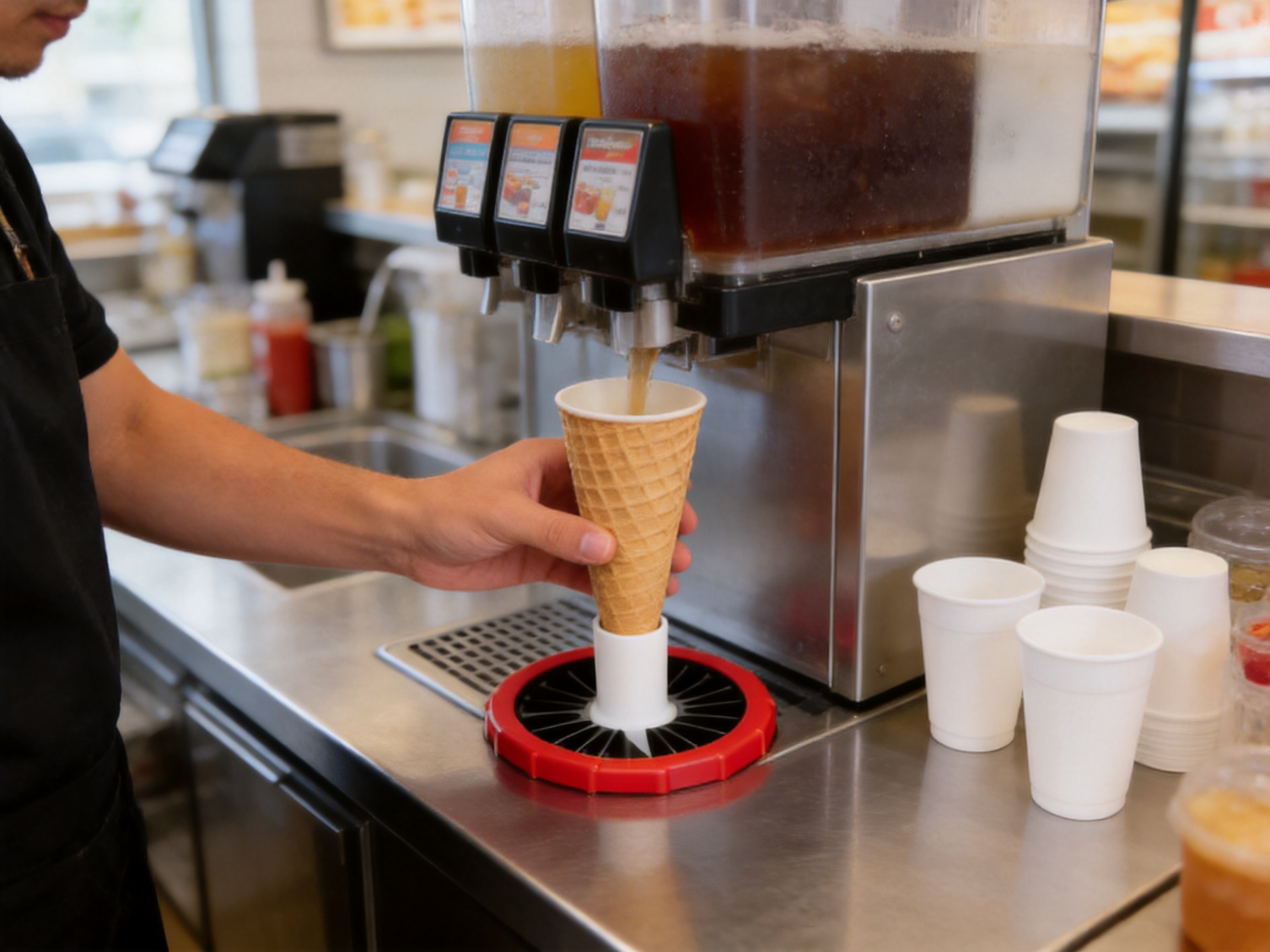
After installation, place a suitable empty cup into the holder. Check whether the cup remains upright and whether the center of the cup aligns correctly with the beverage outlet. Perform a controlled test before returning the appliance to normal service.
If the holder does not fit correctly, do not force it into place. An incorrect installation may cause instability or damage. Contact the supplier or equipment service provider for compatibility assistance.
Cleaning and Maintenance Practices
Regular cleaning is essential for any accessory used around beverage preparation. Liquid, sugar, syrup, milk, fruit residue, and dust may accumulate around the holder if cleaning is neglected. Residue can make the surface sticky and may affect the appearance or ease of cup placement.
Clean the holder according to the instructions provided for the equipment and the material of the component. Use a soft cloth or suitable cleaning tool, and avoid abrasive methods that may scratch the surface. Strong chemicals should not be used unless they are confirmed to be appropriate for the part.
Inspect the red outer ring periodically. Look for cracks, loosening, deformation, discoloration, or sharp edges. Also check whether the holder remains stable in its installation position. A holder that moves excessively or no longer supports the cup evenly should be evaluated for replacement.
Do not use a damaged holder simply because the appliance itself continues to operate. A weakened support can cause a cup to fall or spill, creating avoidable operational and cleaning problems. Keeping a spare holder in inventory may be useful for businesses that depend on continuous beverage service.
Applications Across Different Settings
| Application Environment | Typical Benefit | Operational Consideration |
| Cafés and beverage counters | Supports faster and more consistent cup placement during repeated orders | Confirm compatibility with the dispensing outlet and cup dimensions |
| Snack shops and fast-food locations | Helps reduce spills and maintain an organized preparation area | Clean frequently during high-volume service |
| Bars and entertainment venues | Provides a visible support point in a busy service environment | Inspect regularly because accessories may be handled frequently |
| Supermarkets and convenience stores | Supports continued use of customer-facing beverage equipment | Maintain replacement inventory for rapid service recovery |
| Institutional foodservice | Encourages consistent operation by different users and staff members | Use clear cleaning and inspection procedures |
| Home beverage preparation | Improves convenience and reduces instability around the appliance | Verify that the holder is suitable for the home appliance model |
Selection Considerations for Buyers
Buyers should begin by identifying the appliance type and the intended cup design. A cone holder is most useful when the serving container has a cone-shaped lower section or requires a shaped support. If the equipment uses a completely different cup platform, another accessory may be more suitable.
Compatibility is the most important consideration. Product photographs can assist with initial comparison, but dimensions and mounting details should be confirmed where possible. Buyers purchasing for a fleet of appliances should examine whether the same component is used across all units or whether different models require different versions.
Usage volume should also be considered. A busy commercial operation may need multiple replacement holders, including reserve units. A distributor may prefer to maintain stock according to common machine models and customer demand. A home user may require only one replacement, but should still verify the installation details before ordering.
Appearance can be relevant in customer-facing areas. The red outer ring provides a clear, distinctive appearance that may complement or contrast with the beverage machine. For businesses with a specific visual identity, buyers may also discuss available customization possibilities with the supplier when ordering larger quantities or developing an OEM project.
OEM and ODM Cooperation Potential
The manufacturer provides OEM and ODM services based on drawings, specifications, or customer requirements. This capability can be relevant to buyers who need more than a standard replacement component. Equipment brands, distributors, and foodservice solution providers may require modified dimensions, alternative colors, different mounting arrangements, packaging changes, or private labeling.
OEM cooperation generally involves producing a product according to the customer’s approved design or specification. ODM cooperation may involve adapting an existing design or developing a solution based on the customer’s application needs. For a cone holder, this could include adjusting the support diameter, changing the outer ring appearance, or coordinating the component with a particular beverage machine platform.
A structured customization process normally includes requirement review, drawing or sample confirmation, prototype evaluation, production planning, quality inspection, and shipment coordination. Clear communication at each stage helps reduce misunderstandings about dimensions, materials, tolerances, colors, packaging, and intended use.
The company’s wider product experience can support integrated projects. A customer developing a commercial beverage appliance may be able to coordinate the machine, accessories, spare parts, and service support through one manufacturing partner. This can simplify procurement and help maintain greater consistency across the equipment package.
Why Work with an Integrated Foodservice Equipment Manufacturer
An integrated manufacturer can offer advantages beyond the production of one individual part. Because design, development, manufacturing, sales, and service are connected, customer feedback can be communicated more efficiently between departments.
This structure may help buyers receive clearer technical responses, more coordinated production planning, and better support for product changes. It can also assist with after-sales issues, especially when a replacement part needs to be matched with an existing equipment model.
The supplier’s product range covers several categories used in commercial kitchens, beverage stations, dessert shops, supermarkets, and buffet environments. This creates a broader understanding of how individual components function within real foodservice operations.
For international customers, one-stop service can include pre-sales consultation, product customization, logistics coordination, payment solutions, and after-sales maintenance support. These services are useful when the buyer needs to manage equipment procurement across borders or coordinate multiple product categories in one project.
Operational Value and Total Cost Considerations
The purchase price of a small replacement part is only one part of its value. Buyers should also consider the cost of downtime, labor interruptions, cleaning, product waste, emergency shipping, and complete equipment replacement.
A practical cone holder may help reduce these indirect costs by keeping the beverage appliance usable and the preparation process organized. If a damaged holder can be replaced quickly, staff do not need to create temporary solutions or remove the entire machine from service.
Durability is also connected to total cost. A component that maintains its shape and appearance during normal use may provide better long-term value than a low-quality accessory that needs frequent replacement. Consistent production and appropriate handling can further extend service life.
For business operators, it may be useful to establish a simple spare-part policy. This could include recording the appliance model, identifying compatible holder versions, keeping a small quantity of spare units, and inspecting replacement stock before installation. Such procedures can support faster maintenance response.
Safety and Responsible Use
The holder is a support accessory and should not be used for purposes outside its intended application. It should not be overloaded, modified without authorization, exposed to unsuitable heat, or used as a structural support for heavy containers.
Operators should keep hands clear of moving or heated parts during installation and maintenance. If the holder is located close to electrical or refrigeration components, appropriate service precautions must be followed. The appliance manual should take priority whenever it provides model-specific instructions.
Only suitable cups should be used. A cup that is too large, too heavy, or incorrectly shaped may not remain stable even when placed in the holder. Test the cup position before filling, particularly when introducing a new cup design or changing beverage service procedures.
Any visible damage, unusual movement, sharp edge, or poor fit should be treated as a reason for inspection. Replacing a small accessory at the appropriate time can help avoid larger operational problems.
Frequently Asked Questions
What is this product used for?
This product is a cone-shaped holder replacement part for suitable cold drink appliances and beverage makers. It is designed to support cone-shaped cups and help keep them stable during beverage preparation.
Is it a complete beverage machine?
No. It is an optional component and spare part. It does not include a beverage dispenser, refrigeration system, mixing system, control panel, or other complete-machine functions.
Can it be used with any beverage appliance?
Not necessarily. Compatibility depends on the appliance design, installation position, dimensions, and cup-support arrangement. Buyers should confirm the model and measurements before ordering.
What is the purpose of the red outer ring?
The red outer ring provides a visible boundary around the holder and helps make the component easy to identify in a busy preparation area. It also contributes to the overall structure and durability of the part.
Is the holder suitable for commercial use?
It can be used in suitable commercial foodservice environments, including beverage counters, snack shops, bars, supermarkets, convenience stores, and institutional kitchens. Commercial operators should follow proper cleaning, inspection, and maintenance procedures.
Can it be used at home?
Yes, it may be suitable for home beverage preparation when the appliance and cup design are compatible. The user should verify fit and follow safe installation practices.
Is the product sold separately?
The product information identifies it as a replacement component that is not sold separately in the standard product arrangement. Buyers should contact the supplier to discuss availability, purchasing conditions, equipment compatibility, and possible project requirements.
How should the holder be cleaned?
Clean it according to the equipment instructions and the material requirements of the component. Use appropriate non-abrasive cleaning methods, remove beverage residue promptly, and allow the part to dry as required.
What should be checked before installation?
Confirm the appliance model, holder dimensions, mounting arrangement, cup size, and clearance around the dispensing area. The appliance should be safely switched off before replacement work begins.
Can the manufacturer provide customized versions?
The manufacturer offers OEM and ODM services based on drawings or requirements. Customers can discuss possible adjustments to dimensions, colors, packaging, mounting details, and other specifications, subject to technical and production evaluation.
Why replace the holder instead of the complete appliance?
If the main appliance remains functional and only the cup support is damaged, replacing the individual component may help reduce downtime, waste, and unnecessary equipment expenditure. Compatibility should be confirmed before selecting a replacement.
How can distributors benefit from stocking this type of part?
Distributors and service providers can use replacement holders to respond more quickly to customer maintenance needs. Keeping commonly required accessories in stock may support faster repairs and improve customer service.
Conclusion
The cold drink appliance cone holder replacement part is a compact accessory with a practical role in beverage preparation. By supporting cone-shaped cups, it can help improve stability, reduce spills, organize the workstation, and make repeated service more consistent.
Its cone-shaped support, compact construction, visible red outer ring, and straightforward installation concept make it suitable for a range of compatible beverage equipment. Compared with improvised trays or generic flat supports, a purpose-designed holder provides a more controlled and professional solution.
The product also benefits from the capabilities of an integrated foodservice equipment manufacturer with extensive production facilities, broad product expertise, OEM and ODM experience, and international service support. These strengths are important for customers who require reliable replacement components, coordinated equipment procurement, or customized accessory development.
For home users, commercial operators, distributors, and equipment service providers, the most important steps are to confirm compatibility, install the part safely, maintain it properly, and replace it when signs of damage appear. When combined with suitable equipment management, this small component can contribute to a cleaner, faster, and more dependable beverage preparation process.
References
1. Product information supplied for the Cold Drink Appliance Cone Holder Replacement Part.
2. Manufacturer information supplied for Spelor Electrical Appliances (Zhejiang) Co., Ltd.
3. General principles of commercial foodservice equipment maintenance and spare-part management.
4. General guidance on beverage station organization, cup stability, sanitation, and operational efficiency.
5. General OEM and ODM product development practices for commercial kitchen and foodservice equipment.
6. General principles of component inspection, replacement planning, packaging, and after-sales support.
Product: Cold Drink Appliance Cone Holder Replacement Parts(Not sold separately)

For exclusive deals and latest offers, sign up by entering your email address below.


-
spelor@spelor.com
-
+86-576-85229688
-
No.528, Changxi Road, Linhai City, Zhejiang Province, China
Commercial Refrigeration Equipment Manufacturer China
Copyright © 2025 by Spelor Electrical Appliances (Zhejiang) Co., Ltd. Rights Reserved.
