


 中文简体
How a Dual 15-Litre Commercial Juice Dispenser Improves Beverage Service Efficiency
Admin 2026-09-02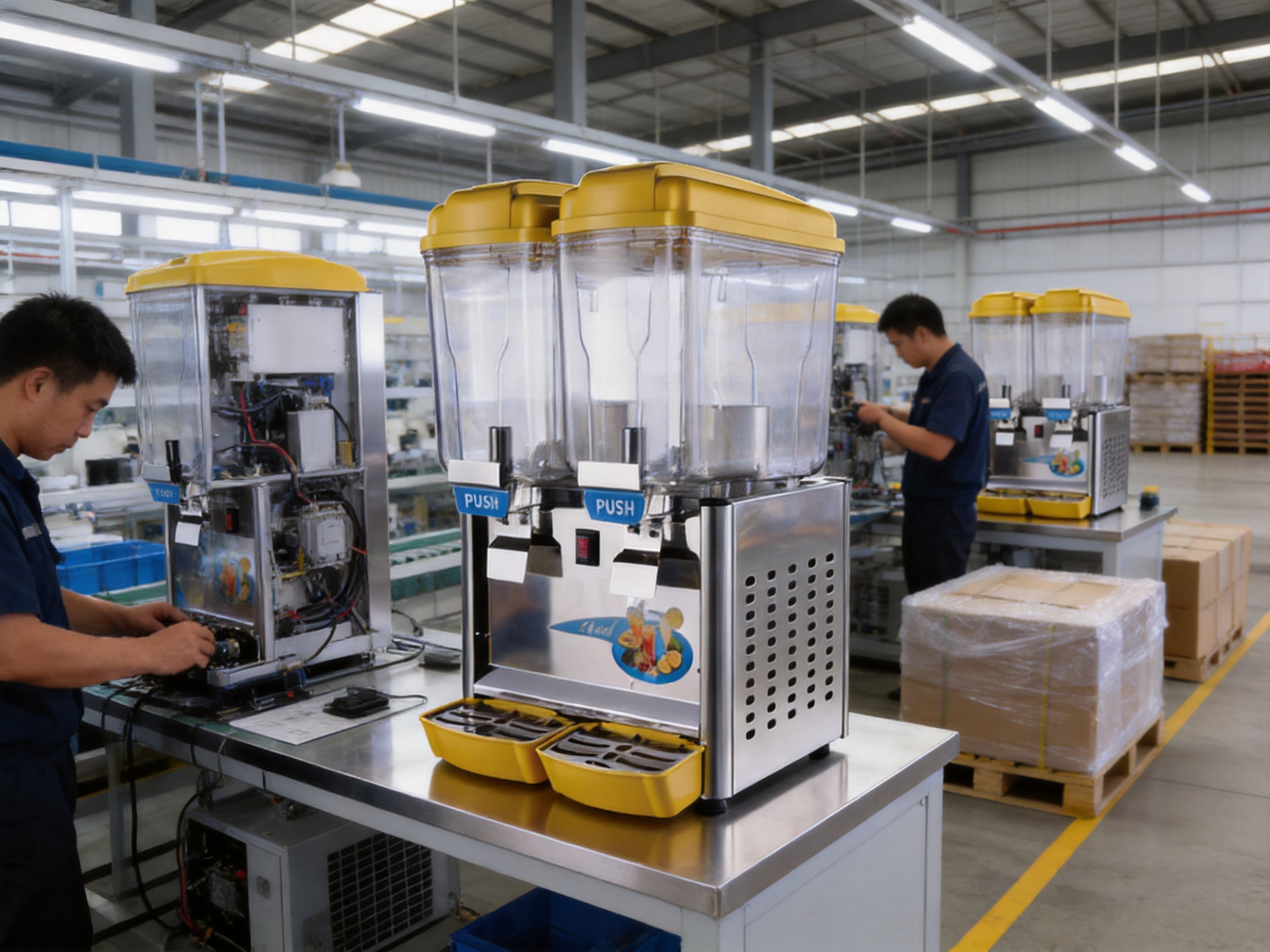
Commercial beverage service depends on more than simply placing a drink in a cup. Operators must keep beverages chilled, preserve flavor consistency, support fast service, simplify cleaning, control operating costs, and present equipment that fits naturally into a professional foodservice environment. A reliable dispenser must perform these tasks continuously during busy service periods while remaining easy for staff to understand and maintain.
The 2*15L Spraying/Stirring Commercial Juice Dispenser is designed for this type of demanding environment. With two independent 15-litre containers, the machine can hold and dispense two beverage flavors at the same time. Its refrigeration system maintains a temperature range of 7°C to 12°C, while the operator can select either spraying or stirring circulation depending on the characteristics of the beverage. The result is a flexible cold-drink solution for cafés, restaurants, buffets, hotels, snack shops, canteens, and other commercial foodservice locations.
Manufactured by Spelor Electrical Appliances (Zhejiang) Co., Ltd., the dispenser combines a compact footprint with stainless steel construction, practical circulation functions, and a factory-developed production system. It is intended for buyers that require dependable equipment at wholesale and distribution scale, including importers, foodservice suppliers, hospitality groups, and commercial kitchen project contractors.
1. Product Overview
The PL-230A/AJ commercial juice dispenser uses a dual-container design with a total capacity of 30 litres. Each tank holds 15 litres, allowing two beverages to be served independently. This arrangement is especially useful in locations that want to offer two flavors without purchasing and positioning two separate single-tank machines.
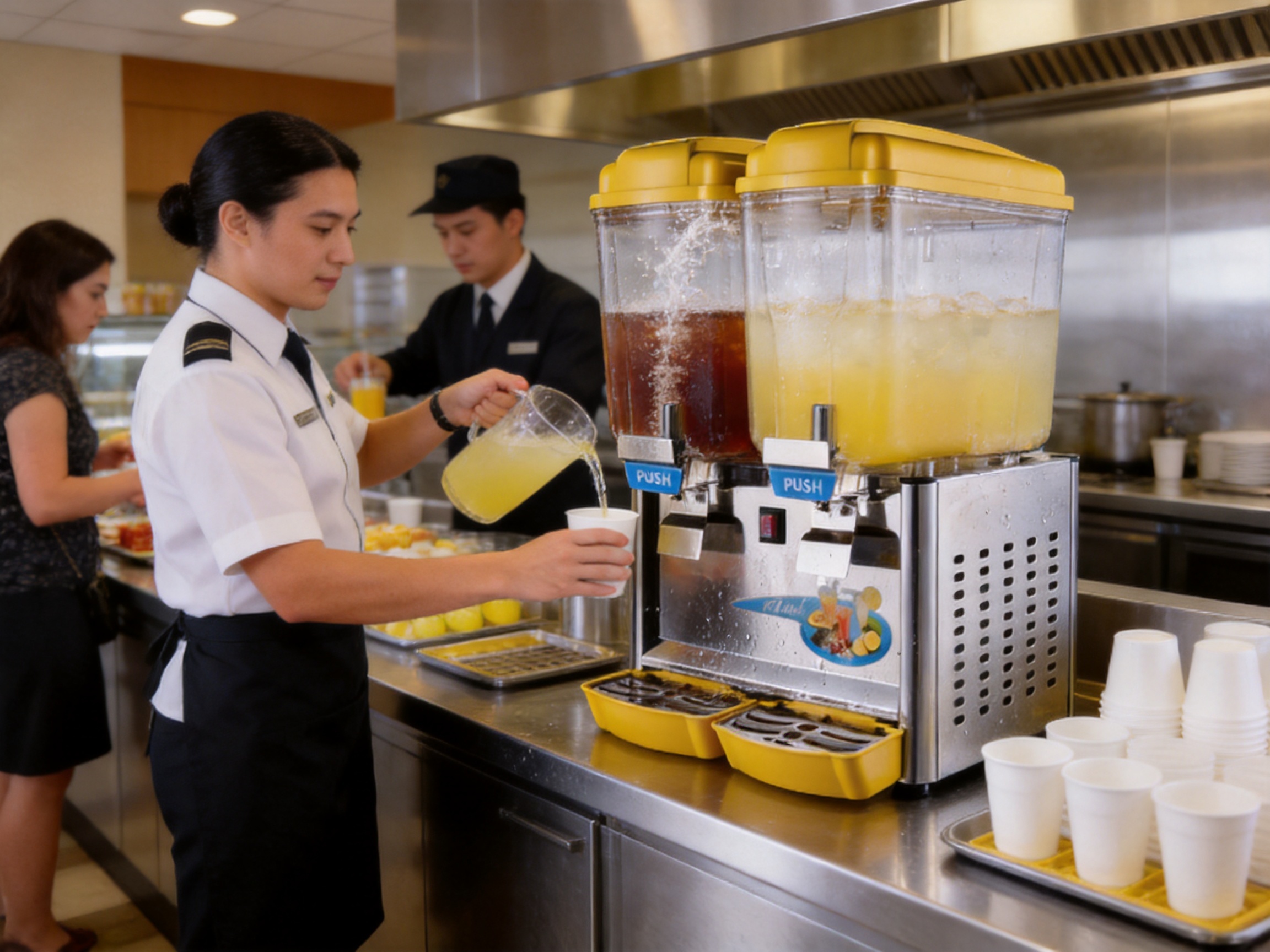
Each container has its own dispensing path and circulation function. Operators can place different beverages in the two tanks, such as orange juice and apple juice, fruit punch and lemonade, or two recipes prepared for different customer preferences. The independent design also helps staff refill one side while continuing to serve from the other side, subject to the operating procedure and beverage level.
The equipment is available with two circulation configurations. The spraying version uses a 360W power rating, while the stirring version uses a 250W power rating. Spraying circulation creates an attractive movement effect and is suitable for beverages that benefit from visible circulation. Stirring circulation provides steady mixing for drinks that require a gentler or more controlled movement. This choice gives distributors and operators greater flexibility when matching the equipment to their beverage menu.
The machine is described as a refrigeration-only model. It is intended to cool and maintain beverages rather than heat them. The temperature range of 7°C to 12°C supports the requirements of many chilled juices, fruit drinks, iced teas, flavored beverages, and non-carbonated refreshments. Operators should always confirm the recommended holding temperature and handling instructions for each beverage recipe before service.
| Model | PL-230A/AJ |
| Tank configuration | 2 independent containers |
| Capacity | 2 x 15 litres |
| Total nominal capacity | 30 litres |
| Spraying power | 360W |
| Stirring power | 250W |
| Temperature range | 7°C to 12°C |
| Net weight | 25kg |
| Overall dimensions | 410 x 450 x 665mm |
| Refrigeration type | Refrigeration only |
The 410 x 450 x 665mm overall size gives the unit a practical balance between capacity and counter space. Its 25kg net weight makes it substantial enough for stable placement while remaining manageable for installation, relocation, and distribution. The compact dimensions are valuable in cafés, hotel breakfast areas, buffet lines, convenience stores, and restaurants where every section of the counter must be used efficiently.

2*15L Spraying/Stirring Commercial Juice Dispenser
2. Why Two Independent 15-Litre Tanks Matter
Capacity is one of the most important considerations when selecting a commercial beverage dispenser. A machine that is too small may require frequent refilling, causing interruptions and increasing staff workload. A machine that is unnecessarily large may occupy too much space, hold more product than the site can sell, and increase the amount of beverage exposed to service conditions.
The dual 15-litre configuration provides a useful middle ground. It offers enough capacity for regular commercial service while retaining a relatively compact footprint. The two separate tanks allow the operator to offer variety without sacrificing organization. Instead of mixing different flavors in a single container or dedicating two complete machines to two products, the business can use one dual-tank dispenser.
Independent containers also help support menu segmentation. One side can be used for a popular everyday beverage, while the other side can be reserved for a premium flavor, seasonal recipe, sugar-free option, or locally preferred drink. In a hotel breakfast buffet, one tank might contain orange juice and the second apple juice. In a quick-service restaurant, one side may dispense lemonade while the other serves iced tea. In a school or institutional setting, the two tanks may support different beverage preferences or dietary requirements.
The arrangement is also helpful for wholesalers and project suppliers. A dual-tank unit is easier to specify for customers that need two flavors but have limited counter space. It can be included in beverage stations, buffet equipment packages, café fit-outs, and commercial kitchen installations without requiring a large equipment footprint.
Efficient Use of Counter Space
The machine measures 410mm wide and 450mm deep, providing two beverage outlets within a compact equipment body. Compared with installing two independent dispensers, a dual-tank unit can reduce the amount of counter space occupied by motors, refrigeration systems, control components, and external housings. The exact space required for operation should include sufficient clearance for ventilation, cleaning, refilling, and staff access, but the basic design is suitable for locations where floor and counter area are limited.
Reduced Equipment Complexity
Using one dual-tank machine instead of two separate units may reduce the number of power connections, equipment housings, and routine inspection points required at the beverage station. It can also simplify purchasing, delivery, installation planning, and staff training. Operators still need to clean and inspect both beverage circuits, but the overall equipment arrangement is more organized.
Better Beverage Variety
Customer choice is a major factor in foodservice sales. Offering two flavors from a single machine creates a more attractive beverage presentation and can encourage customers to purchase cold drinks with meals, snacks, breakfasts, or buffet selections. The transparent or visible container arrangement commonly associated with this type of dispenser can also help customers identify the available choices before ordering.
3. Spraying and Stirring Functions for Different Beverage Needs
Not every beverage behaves in the same way during service. Some drinks contain pulp, suspended ingredients, flavor particles, or natural sediment. Others are relatively uniform and require only moderate movement to maintain a consistent appearance. The spraying and stirring options of the PL-230A/AJ allow the equipment to be matched more closely with the beverage being served.
Spraying Circulation
The spraying configuration uses a 360W power rating and creates a visible circulation effect inside the container. This can make the beverage station more visually engaging, particularly in buffet areas, self-service locations, cafés, and open-counter environments. The movement can also assist with maintaining a more even distribution of suitable beverage mixtures during service.
Spraying circulation may be considered for drinks that benefit from continuous movement and visual presentation. Operators should evaluate the texture and formulation of the beverage before use. Drinks with delicate foam, highly sensitive ingredients, or specific mixing requirements should be tested according to the recipe and operating instructions.
Stirring Circulation
The stirring configuration uses a 250W power rating. It is intended to provide consistent movement with a lower power requirement than the spraying version. Stirring may be suitable for beverages that need regular mixing without a pronounced spray effect. It can be useful for juice beverages, prepared fruit drinks, tea-based refreshments, and other recipes where steady circulation is preferred.
The lower rated stirring power can be an advantage for operators that prioritize a straightforward mixing process and efficient use of electrical power. It also gives distributors another product configuration for customers whose beverage menus do not require visible spraying circulation.
Choosing the Appropriate Function
Selection should be based on beverage formulation, serving style, desired visual effect, cleaning procedures, and expected service volume. A hotel buffet that wants an attractive display may prefer spraying circulation, while a restaurant that values controlled mixing may select stirring. When the buyer serves several types of beverages across different customer locations, offering both configurations can make the product range more adaptable.
It is important not to treat circulation as a substitute for correct beverage preparation. Ingredients should be mixed according to the recipe, and the operator should follow appropriate food-handling practices. The dispenser supports consistent service, but product quality also depends on fresh ingredients, correct dilution, suitable storage, sanitation, and timely replenishment.
4. Refrigeration Performance and Beverage Quality
Cold beverage quality depends on stable temperature control. A drink that becomes too warm may lose its refreshing character and may not meet customer expectations. A properly cooled drink, by contrast, offers a more consistent experience during the service period.
The PL-230A/AJ is designed with commercial refrigeration technology and a stated temperature range of 7°C to 12°C. This range is suitable for a wide variety of chilled non-carbonated beverages. The refrigeration-only design keeps the product focused: it cools the drink and maintains service temperature without adding the complexity of a heating function that many beverage stations do not need.
Consistent cooling is particularly valuable during peak service. Buffets and busy restaurants may experience a steady flow of customers over several hours. The dispenser is designed to support continuous access to chilled beverages during these periods, provided that the machine is installed correctly, the surrounding temperature is suitable, and the beverage volume remains within operating recommendations.
Independent Temperature Management
The product information describes an independent temperature control system for the two containers. This design supports separate management of the beverage compartments and helps maintain consistent taste across both sides. Independent control can be useful when the two beverages have different service patterns or when one side is opened more frequently than the other.
Separate control also gives the operator greater flexibility when planning menus. If one flavor is sold more quickly, the operator can monitor and replenish that side without treating both tanks as a single volume. Staff can observe the condition of each beverage individually and adjust operating practices accordingly.
Supporting Food Safety Practices
Refrigeration is one part of beverage safety. The operator must also use clean, food-appropriate containers, prepare beverages in accordance with applicable regulations, monitor holding times, and clean the dispenser regularly. The use of food-grade materials and stable cooling helps support safe beverage service, but it does not eliminate the need for sanitation and responsible handling.
Businesses should establish a written cleaning schedule covering the tanks, circulation components, dispensing outlets, removable parts, exterior surfaces, and surrounding counter. Staff training should include hand hygiene, refill procedures, spill management, and the correct response if a beverage falls outside its required temperature or holding period.
5. Stainless Steel Construction and Commercial Appearance
The machine features stainless steel panels that contribute to both appearance and durability. Stainless steel is widely used in commercial kitchens because it provides a professional appearance and can be cleaned efficiently when maintained correctly. It also coordinates well with other foodservice equipment, including refrigeration cabinets, counters, preparation tables, buffet stations, and cooking appliances.
A clean, well-presented beverage dispenser can influence customer confidence. Equipment positioned in an open buffet or self-service area is part of the visible customer environment. A stainless steel exterior gives the machine a modern commercial appearance that can fit into cafés, hotels, restaurants, supermarkets, and institutional dining rooms.
Durability is especially important for equipment used by multiple employees throughout the day. The machine may be exposed to repeated handling, liquid splashes, routine cleaning, and frequent movement of cups and containers around the dispensing area. Robust external panels help the equipment maintain its professional appearance when operators follow proper cleaning and maintenance practices.
Stainless steel does not mean that the machine is maintenance-free. Operators should use cleaning products appropriate for foodservice equipment, avoid abrasive tools that can scratch surfaces, and dry the exterior after cleaning. Acidic or salty residues should not be left on the panels for extended periods.
6. Practical Advantages over Single-Tank and Basic Dispensers
The commercial beverage equipment market includes simple single-tank dispensers, large multi-tank systems, decorative beverage units, and specialized machines with different cooling or mixing methods. The PL-230A/AJ competes by combining two-flavor capacity, refrigeration, circulation flexibility, and a compact structure in one machine.
Advantage One: Two Flavors in One Unit
A single-tank dispenser limits the beverage station to one primary product. A dual-tank model doubles the basic flavor capacity without requiring the full space of two separate systems. This is a direct advantage for businesses that want choice but cannot allocate a large counter area.
Advantage Two: Greater Circulation Flexibility
Some basic dispensers are designed around only one circulation method. The availability of spraying and stirring configurations allows buyers to select equipment according to their beverage style and presentation requirements. This makes the machine more suitable for varied commercial applications.
Advantage Three: Commercial Refrigeration
The product is not simply a room-temperature beverage holder. Its refrigeration system is designed to maintain chilled service conditions within the stated temperature range. This supports more consistent customer experience than a basic non-refrigerated dispenser, particularly in warm kitchens, busy buffets, and high-volume service environments.
Advantage Four: Compact Commercial Format
With dimensions of 410 x 450 x 665mm, the machine is sized for practical placement on a commercial counter. It offers a meaningful capacity while avoiding the excessive footprint associated with some high-capacity beverage systems. This can help businesses maximize their available service area.
Advantage Five: Professional Construction
The stainless steel panel design supports a commercial appearance and a durable external structure. This is valuable for open-service environments in which the equipment is visible to customers and must coordinate with other professional appliances.
Advantage Six: Factory Supply and Custom Support
For wholesalers and distributors, buying directly from an experienced manufacturer can provide advantages in product communication, order coordination, technical consultation, and after-sales support. Spelor offers OEM and ODM services based on drawings or customer requirements, allowing project buyers to discuss customized solutions for different foodservice markets.
7. Manufacturing Strength of the Supplier
Product performance is closely connected with manufacturing capability. A commercial dispenser may be used for many hours each day, so buyers need more than an attractive specification sheet. They need a supplier with the facilities, engineering resources, production organization, quality awareness, and service structure required to support long-term commercial use.
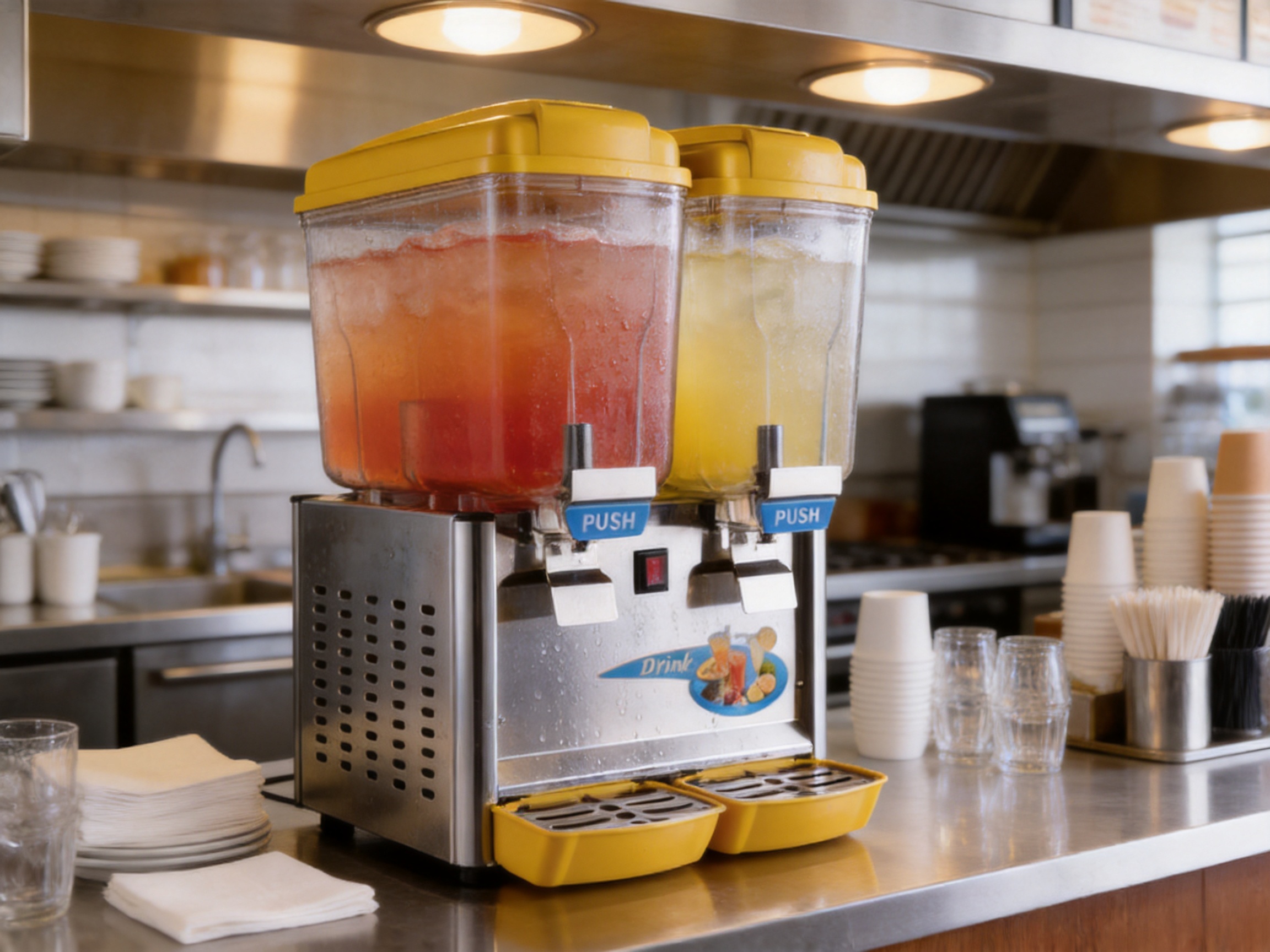
Spelor Electrical Appliances (Zhejiang) Co., Ltd. is a professional manufacturer integrating design, research and development, manufacturing, sales, and service. The company operates more than 60,000 square meters of modern production facilities and specializes in commercial refrigeration, kitchen equipment, and buffet equipment.
This broad production background is relevant to buyers of beverage dispensers because the company’s product categories cover connected areas of the foodservice industry. Its range includes ice cream machines, juice dispensers, fried ice cream machines, refrigeration cabinets, slush machines, flake ice machines, cooking equipment, griddles, fryers, insulation products, barbecue equipment, and buffet solutions.
A manufacturer with experience across these categories can understand how beverage equipment fits into complete commercial projects. A hotel, restaurant chain, snack shop, or supermarket may need multiple equipment types from the same supplier. Coordinating product specifications, packing, shipment, documentation, and service through one manufacturing partner can reduce purchasing complexity.
Integrated Design and Development
Product design is not limited to external appearance. It includes capacity planning, component arrangement, cooling performance, circulation behavior, operator access, cleaning requirements, electrical configuration, and compatibility with the intended foodservice environment. An integrated design and research-and-development team can evaluate these factors together rather than treating them as isolated features.
For the PL-230A/AJ, the dual-container structure, compact dimensions, refrigeration system, circulation functions, and stainless steel panels work as one equipment concept. This integration helps the product serve both front-of-house presentation needs and back-of-house operational requirements.
Modern Production Facilities
More than 60,000 square meters of modern production facilities provide the space required for organized manufacturing, component handling, assembly, testing, storage, and shipment preparation. A substantial production base can support more consistent workflow control and improve the manufacturer’s ability to serve wholesale orders and project-based procurement.
Factory scale alone does not guarantee quality, but it creates the foundation for structured production. The more important consideration is how the facility uses its resources: whether incoming components are managed properly, whether assembly stages are controlled, whether finished units are inspected, and whether customer feedback is used to improve products.
Experience Across Foodservice Applications
Commercial equipment must respond to the real conditions of foodservice operations. Equipment installed in a buffet may face frequent self-service use. A snack shop may need fast output in a small space. A restaurant may prioritize simple cleaning and a professional appearance. A supermarket may require visible presentation and reliable operation over extended opening hours.
Because Spelor serves snack shops, fast-food chains, bars, supermarkets, institutions, and other foodservice applications, its product development and service work can be informed by diverse operating environments. This application-oriented experience supports more practical communication between the factory and the buyer.
8. Production Process Considerations
Although individual factory procedures may vary by model and order, the production of a commercial juice dispenser generally requires coordination across several technical stages. The value of an experienced manufacturer lies in managing these stages as a connected process.
Material Preparation
The machine begins with the selection and preparation of materials for the housing, beverage-contact components, refrigeration system, circulation components, control parts, and packaging. Foodservice equipment requires careful attention to material suitability, dimensional accuracy, cleanability, and resistance to the conditions of regular commercial use.
Stainless steel panels must be cut, formed, finished, and prepared for assembly. Visible surfaces require consistent appearance, while structural elements must align correctly with the internal frame and service components. Proper material handling helps reduce surface damage and unnecessary rework during production.
Panel Fabrication and Structural Assembly
Panel fabrication affects the appearance, stability, and serviceability of the finished machine. Accurate cutting and forming help ensure that panels fit correctly and that access points remain aligned. A well-organized structure also makes it easier to position refrigeration and electrical components inside the housing.
During assembly, the manufacturer must coordinate the external stainless steel body with the dual tank arrangement, dispensing system, circulation mechanism, control system, and refrigeration unit. Consistent assembly procedures are important because small alignment errors can affect appearance, access, sealing, or component performance.
Refrigeration System Integration
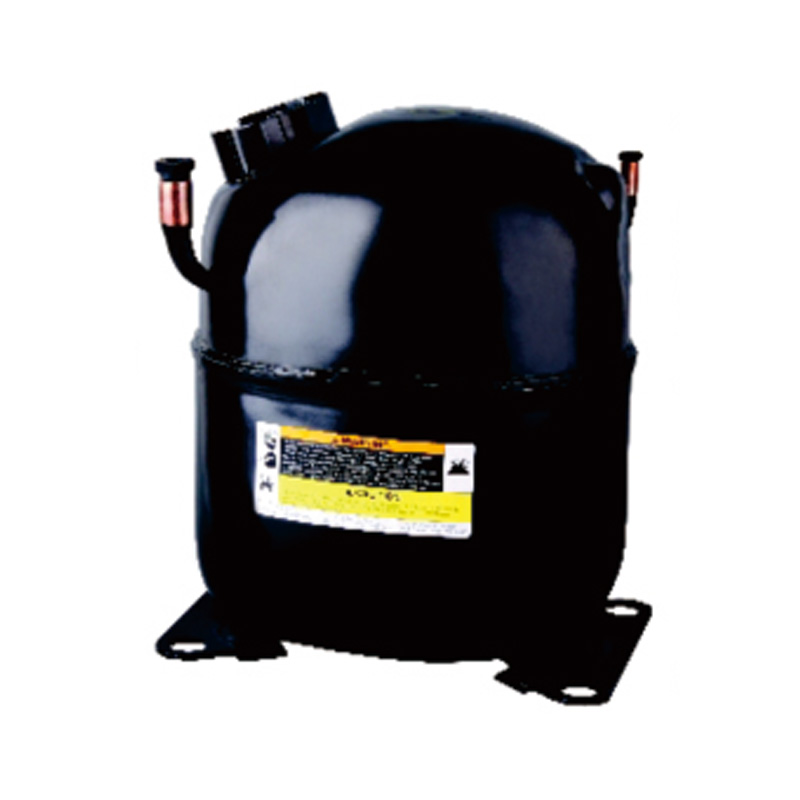
The cooling system is one of the most important functional areas of the machine. It must be integrated with the beverage containers and control components so that heat is removed effectively and the target service range can be maintained. Refrigeration assembly includes the installation and connection of relevant components, electrical checks, and performance verification.
For a dual-tank machine, the cooling design must support two beverage compartments within the available cabinet dimensions. The system must also be compatible with the intended temperature range and expected operating conditions. Factory testing helps identify problems before the unit is packed and shipped to the customer.
Circulation and Dispensing Assembly
The spraying or stirring configuration requires appropriate installation of circulation parts and dispensing components. These components must work smoothly with the beverage containers and allow the operator to fill, serve, clean, and inspect the machine efficiently.
Testing should consider circulation movement, dispensing response, leakage prevention, component fit, and ease of operation. The machine is intended for commercial users, so controls should be understandable to staff with different levels of technical experience.
Electrical Inspection and Functional Testing
Electrical safety and functional reliability are essential for commercial appliances. Factory inspection may include checks of wiring, switches, power input, grounding arrangements, operating controls, refrigeration response, and circulation performance. The specific inspection protocol depends on the product configuration, market requirements, and applicable standards.
Functional testing is particularly important for equipment destined for international markets. Buyers may require documentation, labeling, voltage specifications, packaging details, or compliance information for their destination country. These matters should be confirmed with the supplier before an order is finalized.
Final Quality Review and Packing
Before shipment, the finished dispenser should be reviewed for appearance, operating condition, component completeness, and packaging security. The stainless steel exterior should be protected against scratches, while internal and removable parts should be packed to minimize movement during transportation.
Appropriate export packaging is important because the product may travel through several stages of handling before reaching the final installation site. A supplier experienced in international business can advise customers about carton construction, palletization, container loading, spare parts, manuals, labels, and shipping documents.
9. Installation and Operating Practices
Correct installation helps the dispenser achieve reliable performance. The machine should be positioned on a stable, level counter that can support its 25kg net weight plus the weight of the beverage in both tanks. A fully filled unit is significantly heavier than the empty machine, so the counter and supporting structure must be selected accordingly.
Operators should leave adequate clearance around the equipment for ventilation, inspection, cleaning, and access to controls. The machine should not be placed next to equipment that produces excessive heat unless the installation plan accounts for the surrounding temperature. The power supply must match the product configuration and local electrical requirements.
Before first use, staff should clean and sanitize beverage-contact components according to the operating manual and applicable foodservice procedures. The tanks should be filled with suitable beverages rather than overfilled. Staff should check that the circulation function is operating correctly and that the dispensing outlets are positioned to reduce splashing and waste.
During service, operators should monitor beverage levels, temperature, appearance, and dispensing performance. If a beverage shows unusual separation, foaming, odor, color change, or other quality concerns, it should be removed from service and investigated. The machine should not be used to conceal poor ingredient handling or extended holding times.
Daily Cleaning
Daily cleaning should normally include the dispensing outlets, external surfaces, splash areas, tank covers, and accessible beverage-contact parts. Spills should be removed promptly because dried beverage residue can become more difficult to clean and may attract pests.
Where the operating manual permits, removable components should be disassembled and cleaned using approved methods. Parts should be rinsed thoroughly and dried or reassembled according to the manufacturer’s instructions. Cleaning chemicals must be compatible with the materials and should never be used in a way that leaves unsafe residue in the beverage path.
Periodic Maintenance
Periodic maintenance may include inspection of seals, dispensing parts, circulation components, electrical connections, ventilation areas, and refrigeration performance. The frequency depends on service intensity, beverage formulation, ambient conditions, and local sanitation policies.
High-volume operations should create a maintenance log. Recording cleaning, inspection, temperature checks, and service actions helps managers identify recurring problems and demonstrate responsible equipment control.
10. Applications Across the Foodservice Market
Cafés and Beverage Shops
Cafés can use the dispenser to offer two chilled beverages alongside coffee, tea, smoothies, or light meals. The compact design allows the machine to fit behind a service counter or within a self-service beverage area. Two flavors can be offered without taking the space required by a larger multi-unit arrangement.
Restaurants and Quick-Service Locations
Restaurants and fast-food operations need equipment that supports quick service and predictable output. A dual-tank dispenser can hold two frequently ordered beverages, helping staff serve customers during busy meal periods. The refrigeration system supports chilled drinks, while the choice of circulation method allows the operator to select the most suitable presentation.
Hotels and Buffet Lines
Hotel breakfast areas and buffet restaurants often need attractive, accessible beverage equipment that can serve many customers within a limited time. Two independent 15-litre containers provide a convenient way to offer common breakfast beverages or rotating flavor selections. The stainless steel design can also complement other buffet equipment.
Bars and Entertainment Venues
Bars and entertainment venues may use chilled fruit drinks, mixers, lemonade, or non-alcoholic refreshments. A visible spraying function can contribute to an appealing service display, while the independent tanks allow different beverage options to be served from one machine.
Supermarkets and Convenience Stores
Supermarkets and convenience stores can position the dispenser near prepared-food counters, bakery sections, deli areas, or checkout zones. Its two-flavor configuration can encourage impulse purchases and provide a clear product presentation. Operators should evaluate local regulations and customer traffic before selecting a self-service or staff-service arrangement.
Schools, Institutions, and Canteens
Institutional dining facilities often need practical equipment that can handle repeated daily use. A two-flavor machine can support different menu choices in schools, offices, hospitals, factories, and public dining areas. The operator should ensure that beverage recipes, sanitation procedures, accessibility, and supervision meet institutional requirements.
11. Benefits for Wholesalers, Importers, and Distributors
Commercial equipment buyers often evaluate more than the machine itself. They also consider supply continuity, product positioning, order flexibility, technical information, packaging, shipping, and service support. The PL-230A/AJ offers several characteristics that make it suitable for distribution channels.
First, its application range is broad. A distributor can present it to restaurants, cafés, hotels, buffets, snack shops, bars, supermarkets, and institutions instead of limiting sales to one niche. Second, the two circulation configurations allow the distributor to address different customer requirements. Third, the dual-tank format is easy to explain to buyers because the core benefit—two independent 15-litre beverage containers—is immediately clear.
The product can also be included in larger equipment packages. A foodservice project may require refrigeration cabinets, ice machines, ice cream equipment, slush machines, cooking equipment, and buffet products in addition to juice dispensers. A manufacturer with a broad portfolio can help the distributor create a more complete proposal.
OEM and ODM support is another consideration. Customers may request changes based on local market preferences, project specifications, branding programs, packaging requirements, or equipment layouts. Spelor states that it can provide customized solutions based on drawings or requirements. The precise scope of customization, minimum order quantity, lead time, certification, and pricing should be discussed directly for each project.
Factory-direct purchasing can also improve communication. Instead of relying entirely on several intermediaries, the buyer can communicate technical questions, product requirements, quality expectations, and order details with the manufacturing source. This may help reduce misunderstandings when the order includes multiple configurations or special documentation.
12. How the Product Supports Cost Control
Commercial equipment should be assessed through total operating value rather than purchase price alone. A dispenser can influence labor, counter utilization, beverage waste, service speed, menu variety, and replacement frequency. The dual 15-litre design supports cost control in several practical ways, although actual savings depend on usage, local energy costs, maintenance, and beverage sales volume.
Offering two flavors in one cabinet can reduce the need to purchase multiple single-tank machines. It may also reduce the space needed for the beverage station, allowing the operator to use the remaining counter area for cups, food display, payment equipment, or additional menu items.
Appropriate circulation can help beverages maintain a more consistent appearance and texture, reducing the risk that customers receive a poorly mixed product. The operator must still follow recipe and holding procedures, but the equipment’s movement function supports more uniform service.
The stirring version has a 250W power rating, while the spraying version has a 360W power rating. Buyers can select the configuration that matches their service requirements rather than automatically choosing a higher-power option. Lower rated power does not by itself determine total energy consumption, because actual consumption is affected by operating time, ambient temperature, refrigeration load, and control cycles. Nevertheless, configuration choice is an important part of equipment planning.
Durable external construction and proper maintenance can also support a longer service life. Replacing equipment prematurely creates costs for removal, purchasing, installation, staff training, and lost operating time. Regular cleaning and maintenance remain essential to obtaining the expected value from the machine.
13. Customer Experience and Presentation
Beverage equipment contributes to the customer’s perception of a business. A well-organized beverage station looks cleaner, operates more efficiently, and makes menu choices easier to understand. The dual-container format presents two flavors in a clear and orderly way.
In self-service environments, customers can see the beverage choices and select their preferred flavor. In staff-service environments, employees can dispense the requested beverage quickly without walking to separate machines. The visible circulation effect of the spraying version may also add movement and interest to the presentation.
The stainless steel exterior supports a professional appearance that can be appropriate for both front-of-house and back-of-house settings. The machine can be positioned as part of a coordinated beverage station alongside cups, lids, straws, ice, napkins, and menu signage.
However, presentation quality depends on operational discipline. A beautiful dispenser will not create a positive customer impression if the surrounding counter is wet, the drip area is not cleaned, or the beverage containers are not replenished. Businesses should include the machine in their front-of-house cleaning and inspection routine.
14. Selecting Between Spraying and Stirring Versions
The choice between spraying and stirring should be made after considering the beverage recipe, required presentation, customer traffic, maintenance preferences, and available electrical specification.
The spraying version may be suitable when visible beverage movement is important. It can help create a more dynamic display in buffet lines, open beverage counters, and promotional areas. Its 360W power rating should be considered when planning electrical load and operating costs.
The stirring version may be appropriate for operators seeking steady circulation with a 250W power rating. It can be a practical choice for beverages that need regular mixing but do not require a pronounced spray effect. It may also suit locations that prioritize simple, controlled beverage presentation.
Distributors can offer both versions as separate solutions rather than presenting one configuration as universally superior. The correct choice depends on the customer’s operating conditions. A professional supplier should ask questions about beverage type, daily volume, available space, local voltage, cleaning practices, installation environment, and expected service schedule before recommending a model.
15. Ordering and Project Consultation
Businesses purchasing one unit and businesses purchasing a container load may have different requirements. Before placing an order, buyers should confirm the selected circulation version, electrical specifications, product dimensions, packaging, quantity, delivery terms, warranty conditions, spare parts, and documentation.
For OEM or ODM projects, the buyer should provide drawings, branding requirements, target market information, packaging instructions, certification needs, and any requested changes to the standard configuration. Early communication helps the factory evaluate feasibility and identify the effect of customization on tooling, production time, minimum order quantity, and cost.
Project buyers should also consider installation location. The machine requires a suitable counter, an appropriate power supply, access for cleaning, and adequate space for beverage preparation and dispensing. If the equipment will be installed as part of a buffet or kitchen line, the layout should be reviewed before the order is finalized.
After-sales planning is equally important. Buyers should ask how technical questions are handled, which components are considered consumable, how replacement parts are ordered, and what information is needed for troubleshooting. Spelor provides pre-sales consultation, product customization, logistics and payment solutions, and after-sales maintenance support as part of its service approach.
16. Company Capabilities and Service Approach
Spelor Electrical Appliances (Zhejiang) Co., Ltd. was formerly known as Zhejiang Spelor Refrigeration Equipment Co., Ltd. The company integrates design, research and development, manufacturing, sales, and service within its business structure. Its more than 60,000 square meters of production facilities support a broad commercial equipment portfolio.
The company’s product range covers refrigeration, beverage, frozen dessert, cooking, buffet, and foodservice equipment. This includes commercial juice dispensers, ice cream machines, fried ice cream machines, slush machines, flake ice machines, refrigeration cabinets, griddles, fryers, insulation products, barbecue equipment, and buffet solutions.
This portfolio allows the supplier to support different types of foodservice customers. A snack shop may need a juice dispenser and an ice cream machine. A restaurant project may require beverage equipment, refrigeration cabinets, griddles, and fryers. A buffet operator may need juice dispensers, ice machines, insulation products, and serving equipment. A single supplier with multiple product categories can make sourcing more coordinated.
The company’s stated service philosophy is user-oriented and quality-driven. Its experienced team provides one-stop service covering consultation, product customization, logistics, payment solutions, and after-sales maintenance. For international customers, responsive communication is particularly valuable because shipment distance, import documentation, local regulations, and service arrangements can add complexity to the purchasing process.
Manufacturing strength should ultimately be measured by the supplier’s ability to provide consistent products, accurate information, practical customization, reliable packaging, and ongoing support. These are the qualities that help turn a machine purchase into a stable long-term equipment relationship.
17. Comparison with Common Alternative Solutions
| Evaluation factor | Single-tank basic dispenser | Two separate single-tank machines | Dual 15-litre spraying/stirring dispenser |
| Flavor capacity | One flavor | Two flavors | Two independent flavors |
| Counter efficiency | High | Lower because two units are required | High for a two-flavor setup |
| Circulation choice | May be limited | Depends on each machine | Spraying or stirring configuration |
| Refrigerated service | Depends on model | Depends on models | Designed for refrigeration-only service |
| Management complexity | Simple but limited variety | More units and more connections | One cabinet with two beverage compartments |
| Suitable applications | Small menus and low volume | High variety where space is available | Cafés, restaurants, buffets, hotels, and institutions |
This comparison is intended as a general purchasing guide. Actual performance depends on the specifications of competing products and the operating environment. The main positioning of the PL-230A/AJ is its balance of capacity, flexibility, refrigeration, compactness, and commercial construction.
18. Frequently Asked Questions
Q1: What is the total capacity of the dispenser?
The machine has two independent 15-litre containers, giving a nominal total capacity of 30 litres. Each side can hold a different beverage flavor.
Q2: Can the two tanks serve different beverages?
Yes. The independent tank design is intended to allow two beverage flavors to be stored and dispensed separately. Operators should use recipes and ingredients that are appropriate for the machine and follow proper cleaning procedures between beverage changes.
Q3: What is the difference between spraying and stirring?
Spraying creates a visible circulation effect and has a stated power rating of 360W. Stirring provides steady mixing and has a stated power rating of 250W. The preferred version depends on the beverage recipe and the desired presentation.
Q4: Is this a heating and cooling machine?
No. The product is specified as a refrigeration-only model. It is intended to cool and maintain beverages within a stated temperature range of 7°C to 12°C.
Q5: What are the dimensions of the unit?
The overall dimensions are 410 x 450 x 665mm. Buyers should also allow additional clearance for ventilation, cleaning, refilling, and staff operation.
Q6: How much does the machine weigh?
The net weight is 25kg. The supporting counter must be able to carry the machine and the additional weight of beverages when both tanks are filled.
Q7: Is the machine suitable for a hotel buffet?
Yes. Its two-flavor capacity, chilled service, compact size, and professional stainless steel appearance make it suitable for many hotel breakfast areas and buffet beverage stations. The operator must establish appropriate cleaning, temperature monitoring, and refill procedures.
Q8: Is the product suitable for restaurants and cafés?
Yes. Restaurants and cafés can use the machine for juices, fruit drinks, lemonade, iced tea, and other suitable chilled beverages. The two tanks allow the business to offer more than one flavor without installing two separate machines.
Q9: How should the machine be cleaned?
Cleaning should follow the manufacturer’s instructions and local food-safety requirements. In general, operators should clean beverage-contact components, dispensing outlets, tank areas, splash zones, and external surfaces regularly. Removable parts should be handled according to the approved cleaning procedure.
Q10: Can the supplier provide customized products?
Spelor offers OEM and ODM support based on customer drawings or requirements. Buyers should discuss the requested specifications, branding, certifications, packaging, minimum order quantity, lead time, and technical feasibility before placing a customized order.
Q11: Is the dispenser suitable for self-service?
It may be used in self-service environments when the installation, dispensing controls, supervision, sanitation, and local regulations support that arrangement. Operators should assess customer access, spill control, cup placement, and cleaning frequency before approving self-service operation.
Q12: What should an importer confirm before ordering?
The importer should confirm the model, spraying or stirring configuration, electrical requirements, dimensions, packaging, quantity, delivery terms, documentation, warranty provisions, spare parts, and destination-market compliance requirements.
19. Final Assessment
The 2*15L Spraying/Stirring Commercial Juice Dispenser is a practical solution for businesses that want two chilled beverage flavors in one compact commercial machine. Its independent 15-litre containers, refrigeration-only operation, spraying or stirring configurations, stainless steel panels, and 410 x 450 x 665mm footprint make it suitable for a wide range of beverage service applications.
Its principal advantage is balance. It offers more menu flexibility than a single-tank dispenser, requires less equipment space than two separate machines, and provides more circulation choice than many basic beverage units. The temperature range of 7°C to 12°C supports chilled non-carbonated beverage service, while the independent tank design helps organize different flavors and service requirements.
For wholesalers, importers, and foodservice project contractors, the product is supported by a manufacturer with broad experience in commercial refrigeration, kitchen, frozen dessert, beverage, and buffet equipment. Spelor’s integrated design, research and development, manufacturing, sales, and service structure, together with more than 60,000 square meters of modern production facilities, provides a foundation for factory-direct supply and customized project support.
The best results will come from combining the machine with correct beverage preparation, disciplined sanitation, suitable installation, regular temperature checks, and preventive maintenance. When these practices are followed, the dispenser can help businesses improve beverage variety, service efficiency, counter organization, and customer presentation.
References
1. Product specification sheet for PL-230A/AJ, 2*15L Spraying/Stirring Commercial Juice Dispenser.
2. Manufacturer-provided product information for dual-container commercial beverage dispensing equipment.
3. Commercial foodservice equipment planning principles covering capacity, counter layout, cleaning access, and service workflow.
4. General food-handling and sanitation principles for refrigerated beverage service.
5. Manufacturer information concerning commercial refrigeration, kitchen equipment, buffet equipment, OEM services, and ODM development.
6. Manufacturer company profile for Spelor Electrical Appliances (Zhejiang) Co., Ltd., including production facilities, product categories, and customer support services.
Product: 2*15L Spraying/Stirring Commercial Juice Dispenser

For exclusive deals and latest offers, sign up by entering your email address below.


-
spelor@spelor.com
-
+86-576-85229688
-
No.528, Changxi Road, Linhai City, Zhejiang Province, China
Commercial Refrigeration Equipment Manufacturer China
Copyright © 2025 by Spelor Electrical Appliances (Zhejiang) Co., Ltd. Rights Reserved.
