


 中文简体
中文简体Commercial Ice Makers: Types, Materials, and Safe Use
Admin 2026-05-22Types of Commercial Ice Cube Making Machines on the Market
Commercial ice cube machines produce large volumes of ice for restaurants, bars, hotels, convenience stores, and healthcare facilities. The type of ice (shape, clarity, hardness) varies by machine design. The following types are distinguished by ice cube shape and the freezing method.
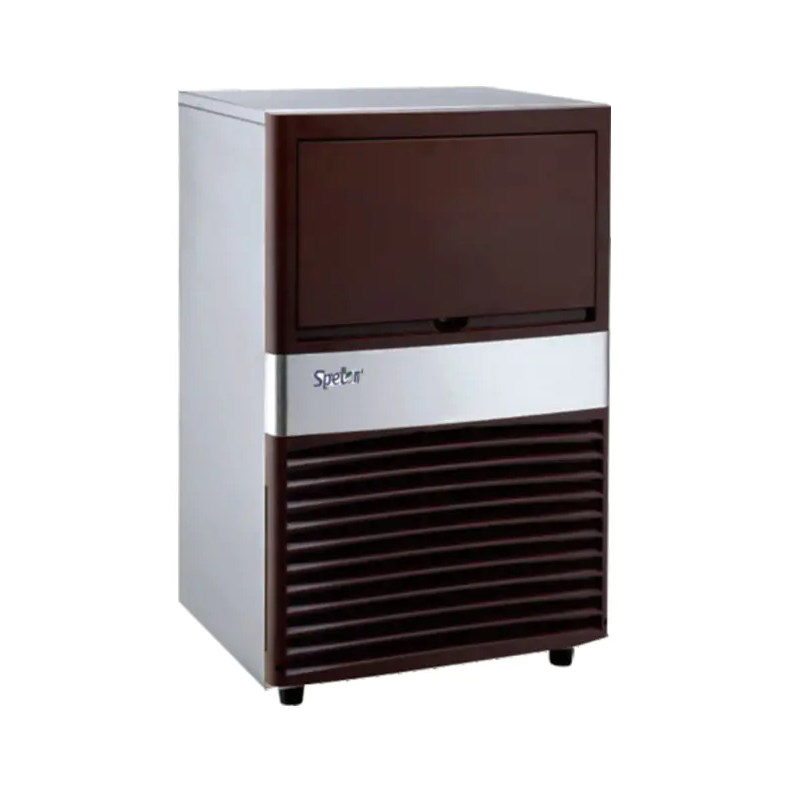
Cube ice makers (full cube, half cube, mini cube).
The most common type. Water flows over a vertical or horizontal evaporator plate with individual cube molds. Ice forms, then a hot gas defrost cycle releases the cubes. Cube sizes: full cube (22×22×22 mm, about 7–15 g), half cube (22×15×22 mm, 5–10 g), mini cube (13×13×13 mm, 3–5 g). Production: 20–500 kg per day. Used for soft drinks, mixed drinks, and general cooling.
Nugget ice makers (also called pearl ice or chewable ice).
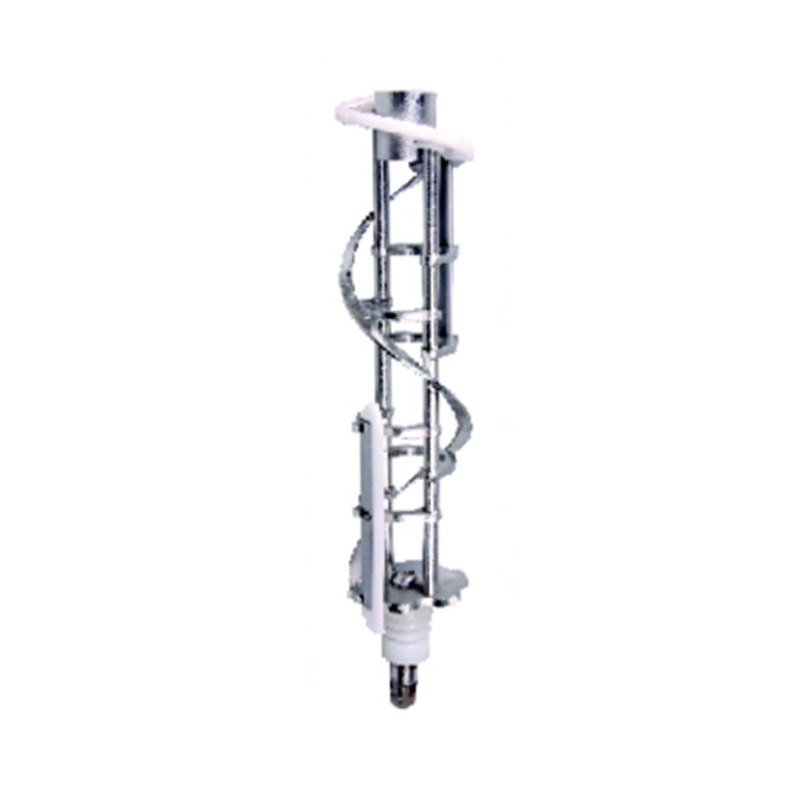
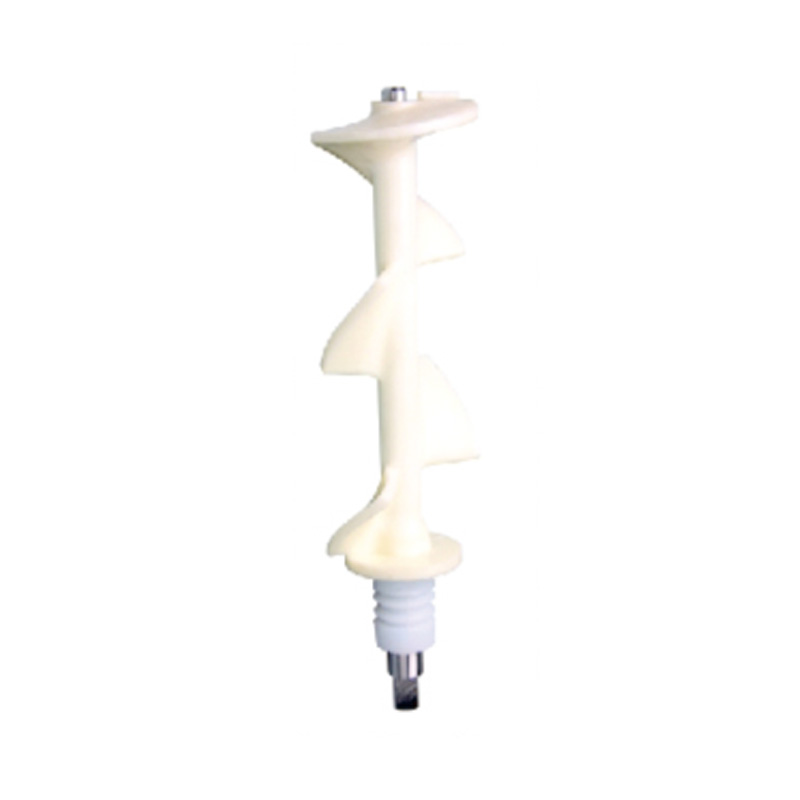
Ice is formed by freezing water on a refrigerated cylinder, then scraping the ice off with an auger (screw). The scraped ice is compressed and extruded through a die, then cut into nuggets (soft, chewable, airy). Production: 40–600 kg/day. Used in healthcare (patients who have difficulty chewing), soft drinks (Sonic Drive-In style), and blended beverages.
Flake ice makers.
A rotating drum or disk freezes water into a thin layer of ice. A scraper removes the ice as flakes (irregular, 2–5 mm thick, 10–50 mm long). Production: 200–5,000 kg/day. Used for food display (seafood, salads), concrete cooling, and fishing boat storage. Not for beverages (melts quickly).
Gourmet cube makers (dice, octagon, or sphere ice).
Produce large, clear, slow-melting ice cubes for whiskey and spirits. The machine uses directional freezing (freezes from one direction, pushing impurities downward). The ice block is then cut into cubes by a hot wire or saw. Production: 15–100 kg/day. Made of stainless steel with heavy insulation. Each cube weighs 25–65 g (large dice 35×35×35 mm) and melts 30–50% slower than standard cube ice.
Material Specifications for Commercial Ice Cube Machines
Evaporator Plate Material – Nickel or Stainless Steel. The evaporator is the cold surface where water freezes. Its material affects ice release, durability, and corrosion resistance. Most machines use nickel-plated copper or stainless steel evaporators. Nickel-plated copper (electroless nickel, 0.1–0.3 mm thick on a copper base) has excellent heat transfer (thermal conductivity copper 400 W/(m·K), nickel 90). The nickel surface is non-stick (ice releases easily), and it resists corrosion from minerals in water. However, the nickel layer can wear away over 5–10 years (especially if water is aggressive or if the defrost cycle is too long). Once the nickel wears off, ice sticks to the copper, and the machine's production rate drops. Stainless steel evaporators (304 grade, 1.0–1.5 mm thick) are more durable (no coating to wear) but have lower thermal conductivity (16 W/(m·K) vs. copper's 400). To compensate, stainless steel evaporators have thicker walls and larger surface area. They are found in high-end gourmet cube makers and nugget machines. Stainless resists corrosion from acidic water (pH <6.5) better than nickel.
Ice Storage Bin Liner – Polyethylene or Stainless Steel. The bin that holds the ice after it is made must be smooth, easy to clean, and resistant to bacteria. Rotomolded polyethylene (HDPE, 5–8 mm thick) is the most common. It is seamless (no crevices for bacteria), lightweight, and inexpensive. However, polyethylene can be scratched by ice scoops; scratches (0.5–1 mm deep) trap water and can lead to bacterial growth. Stainless steel liners (304, 1.2–2.0 mm thick) are more expensive but last 2–3 times longer. They do not scratch as easily, and scratches can be polished out. Some high-volume machines have a "dual liner" – stainless steel on the bottom (where ice scoops hit) and polyethylene on the sides (for insulation). The bin door (where you scoop ice) is often stainless steel or clear polycarbonate (so you can see the ice level without opening the door). Polycarbonate yellows after 5–7 years of UV exposure (if near sunlight).
Water Distribution System Components. The water pump and water lines are critical for ice quality. The pump is a magnetic drive centrifugal pump (no shaft seal to leak), rated for continuous duty (running 24/7). The impeller (pump wheel) is made of Noryl or polysulfone (heat-resistant to 100°C) because it pumps cold water but the motor is warm. Water lines (hoses) are silicone rubber or PTFE (polytetrafluoroethylene), rated for food contact and resistant to chlorine (which some water treatments add). Silicone hoses should be replaced every 2–3 years because they can stiffen and crack. The water float valve (which fills the reservoir) has a brass or plastic body. Plastic valves are acceptable but may warp under hot water (if you clean with hot water). Brass valves are more durable but may leach lead (plumbed with lead-free brass required by NSF/ANSI 61). Check for "NSF-61" marking.
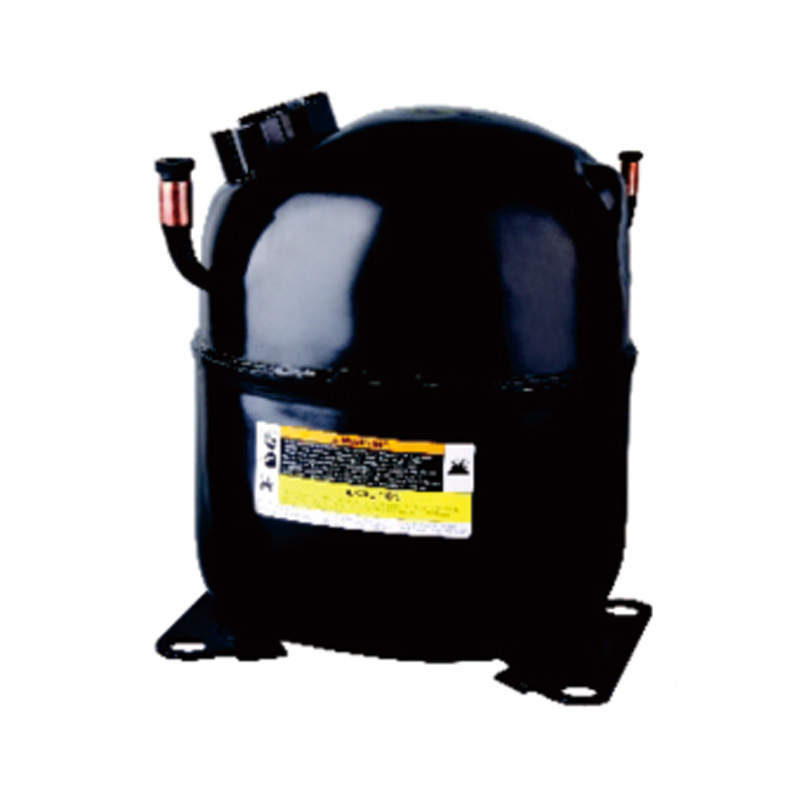
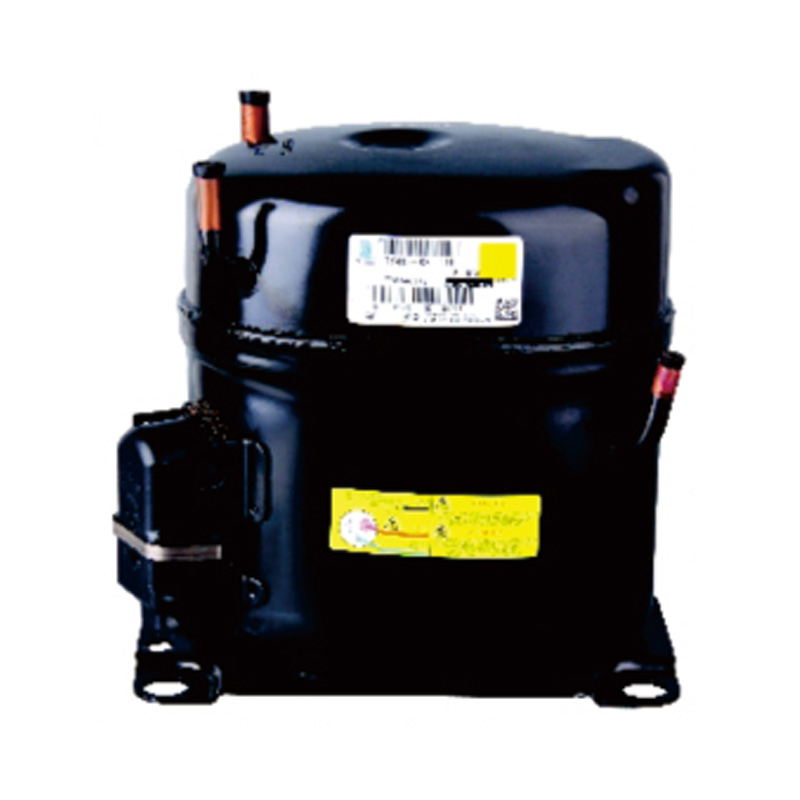
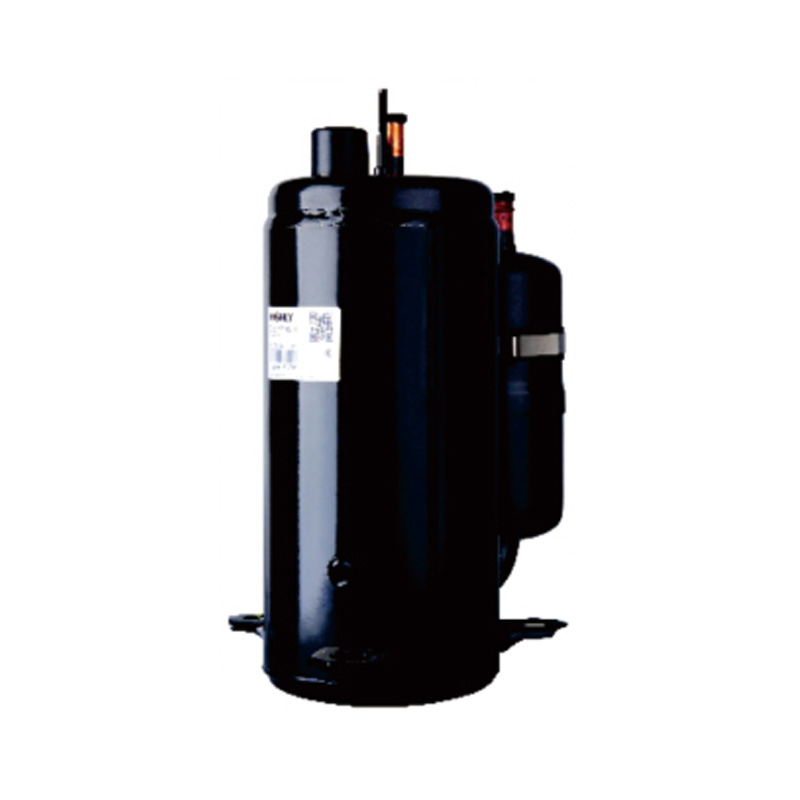
Refrigeration Components (Compressor, Condenser). The compressor is a hermetically sealed reciprocating or rotary type, running on R-134a, R-404A, or R-449A (depending on age). The condenser (where heat is released) is either air-cooled (a finned coil with a fan) or water-cooled (a tube-in-tube heat exchanger). Air-cooled condensers have aluminum fins (0.1–0.2 mm thick) and copper tubes (5–10 mm diameter). The fins are delicate; bending them with a high-pressure hose reduces airflow. Water-cooled condensers are made of copper-nickel alloy (to resist corrosion from tap water) or stainless steel. They require a continuous water supply (waste water flows down the drain) and produce more refrigeration effect per unit of energy, but they waste water (10–30 L per kg of ice). Most modern machines are air-cooled to save water.
For exclusive deals and latest offers, sign up by entering your email address below.


-
spelor@spelor.com
-
+86-576-85229688
-
No.528, Changxi Road, Linhai City, Zhejiang Province, China
Commercial Refrigeration Equipment Manufacturer China
Copyright © 2025 by Spelor Electrical Appliances (Zhejiang) Co., Ltd. Rights Reserved.
