


 中文简体
中文简体Ice Cream Machine: Fast Soft Serve for Shops
Admin 2026-06-12A commercial ice cream machine is not a home appliance. It runs all day. It serves hundreds of cones. It gets cleaned nightly. A commercial ice cream machine needs to be reliable. Fast. Easy to clean. Here is what buyers look for before buying one.
What a Commercial Ice Cream Machine Does
It freezes and dispenses soft serve or hard ice cream
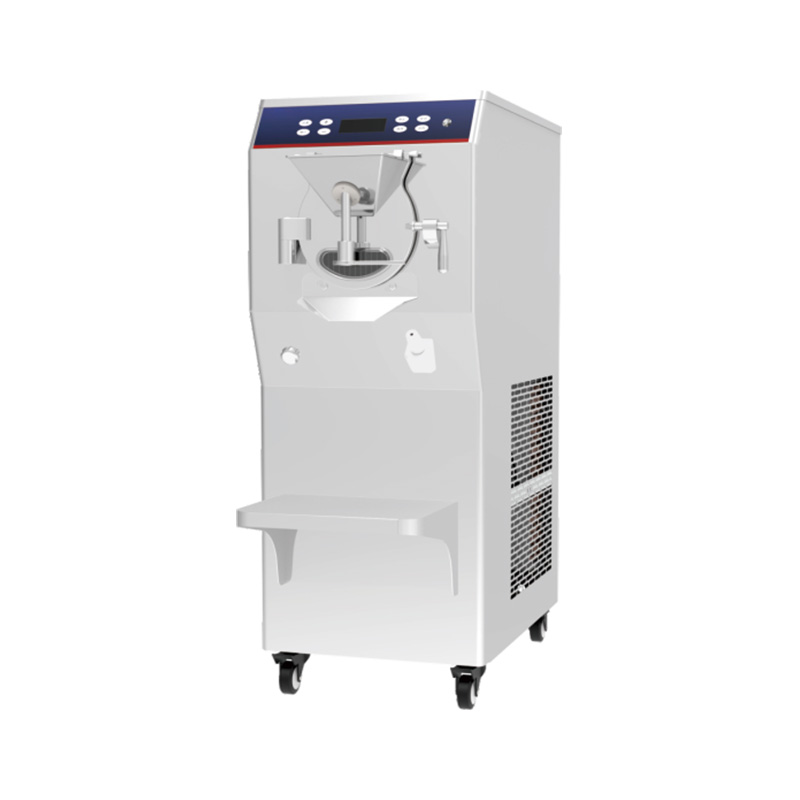
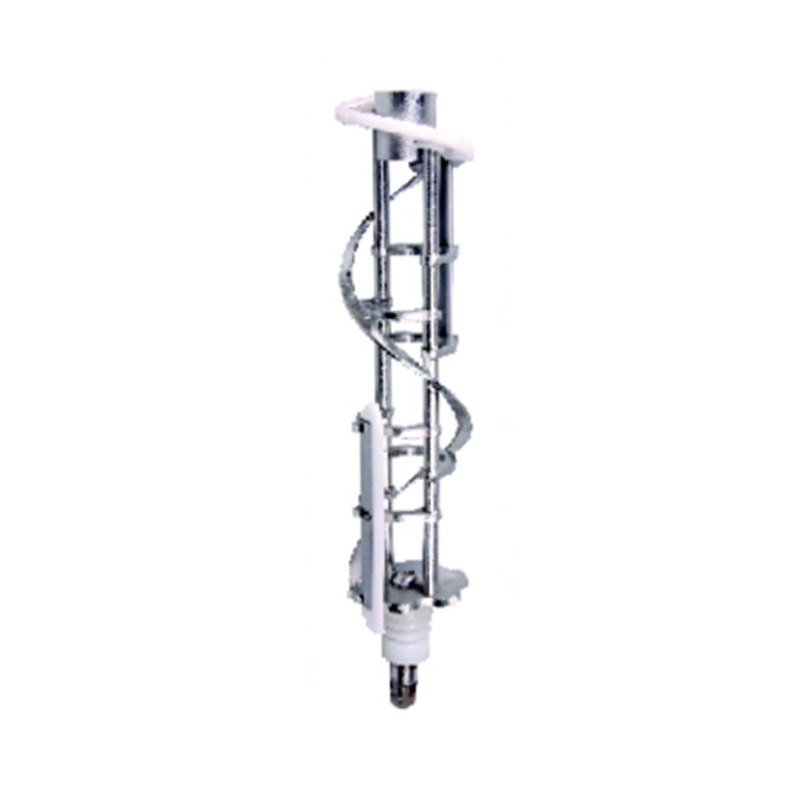
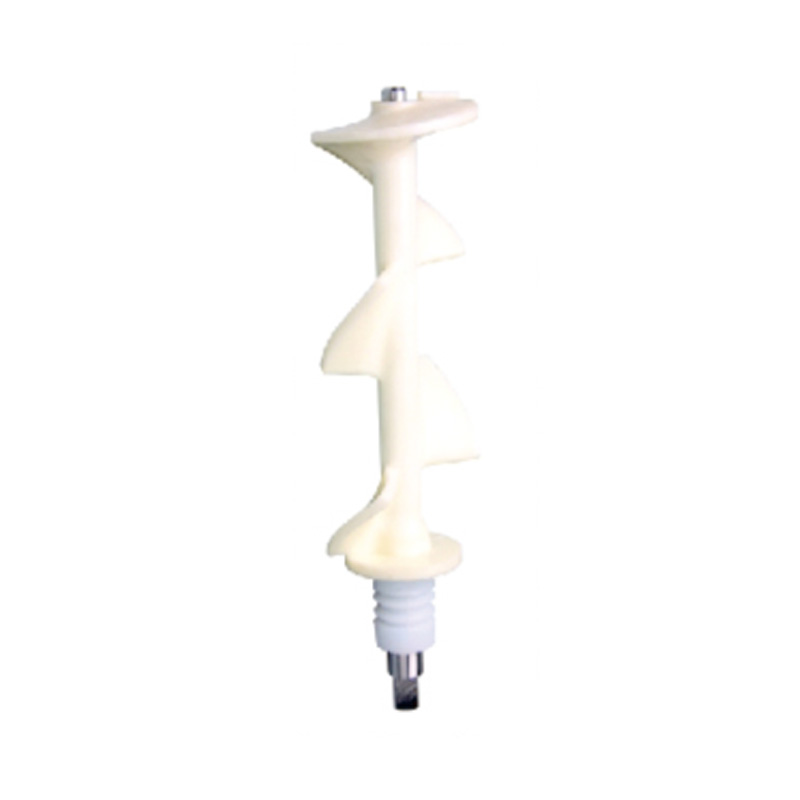
A commercial ice cream machine has a freezing cylinder. A dasher spins inside. It scrapes frozen mix off the cylinder wall. Air gets incorporated. The result is smooth, creamy soft serve. Twist two flavors. Vanilla and chocolate. Swirl in the cone.
Hard ice cream machines are different. They freeze the mix in batches. The ice cream goes into a hardening freezer. Soft serve is ready immediately. Hard ice cream needs time.
Two types: gravity feed or pressurized
Gravity feed machines have a hopper on top. Mix flows down into the freezing cylinder. Simple. Reliable. A commercial ice cream machine with gravity feed is common for low volume.
Pressurized machines use a pump. The mix is forced into the freezing cylinder. Faster output. Better overrun (air incorporation). Good for high volume.
Soft Serve vs. Frozen Yogurt vs. Gelato
Soft serve is the common commercial machine
Soft serve has lower butterfat than hard ice cream. Around 5 to 10 percent. A commercial ice cream machine for soft serve runs at higher temperature. About -5°C. The product is soft enough to swirl into a cone.
Soft serve machines freeze continuously. Mix goes in. Soft serve comes out. No stopping.
Frozen yogurt machines are similar to soft serve
Frozen yogurt has a tangy taste. Lower fat. A commercial ice cream machine for frozen yogurt uses the same hardware. Different mix. The machine does not care. Clean between flavors.
Gelato machines are batch freezers
Gelato has less air than soft serve. Denser. Richer. A commercial ice cream machine for gelato freezes a batch, then stops. The operator scrapes the gelato out. The machine restarts for the next batch.
Here is how machine types compare:
- Soft serve — continuous, high volume, swirl cone
- Frozen yogurt — same as soft serve, different mix
- Gelato — batch freezer, denser product, lower volume
- Hard ice cream — batch freezer, needs hardening freezer
What to Look for in a Commercial Ice Cream Machine
Output capacity matches your expected volume
A small commercial ice cream machine makes 5 to 10 liters per hour. Good for a coffee shop or small cafe. A large machine makes 30 to 50 liters per hour. Good for a busy ice cream shop or buffet.
Match the machine to your peak hour. If you serve 100 cones at lunch, you need a machine that can make 100 cones per hour.
Cooling system: air cooled or water cooled
Air cooled machines use fans. They blow air over the condenser. A commercial ice cream machine with air cooling is cheaper to install. The room gets hot. The machine needs ventilation.
Water cooled machines use water to cool the condenser. A commercial ice cream machine with water cooling costs more to install. Water hookup needed. The machine runs quieter. The room stays cool.
Here is how cooling systems compare:
- Air cooled — cheaper, needs ventilation, heats the room
- Water cooled — more expensive, quiet, cool operation
Cleaning ease and frequency
A commercial ice cream machine needs daily cleaning. The freezing cylinder gets disassembled. Parts go in the sink. The machine gets sanitized. Easy cleaning saves labor.
Look for removable parts that fit in a standard sink. No special tools needed. Gaskets that are easy to replace. A machine that takes an hour to clean costs labor. A machine that takes 20 minutes saves money every day.
What Goes Wrong with Cheap Commercial Ice Cream Machines
The machine freezes up and stops dispensing
The dasher scrapes the cylinder wall. If the blade is dull, ice builds up. The machine stops. The operator waits for it to thaw. Customers wait. Sales drop.
The compressor fails
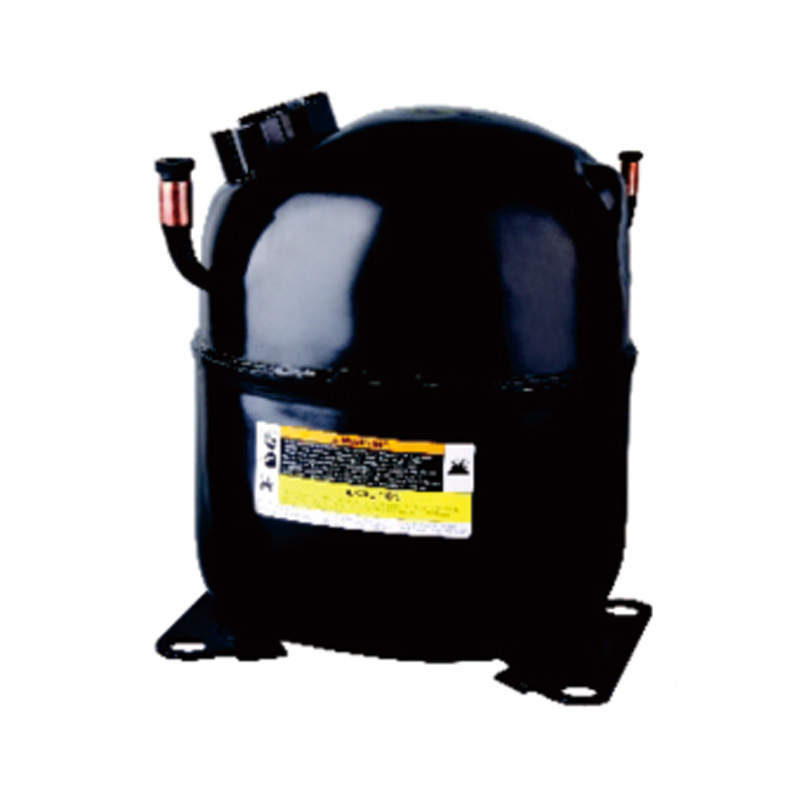
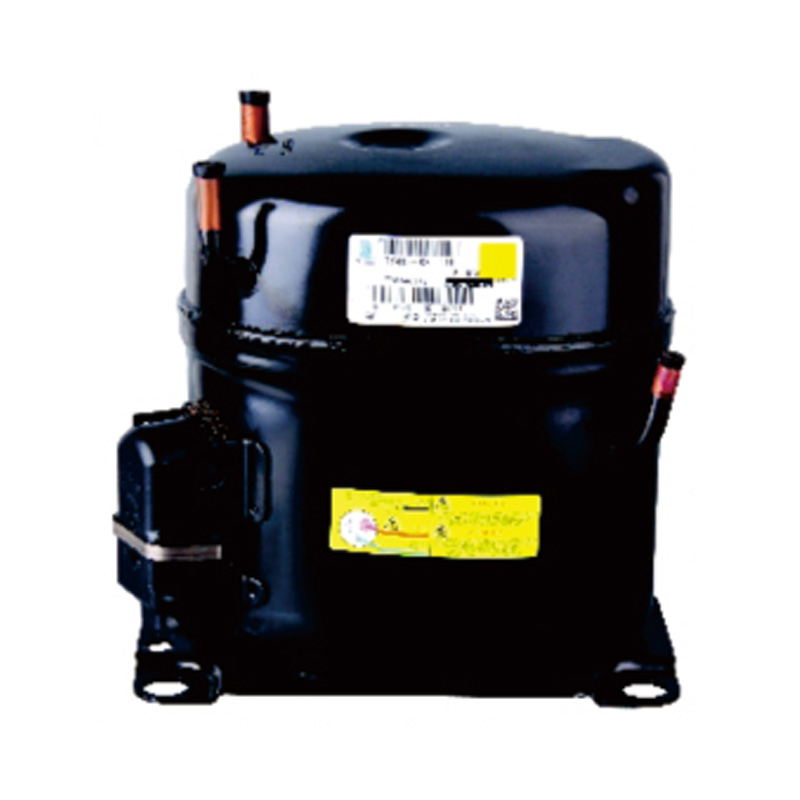
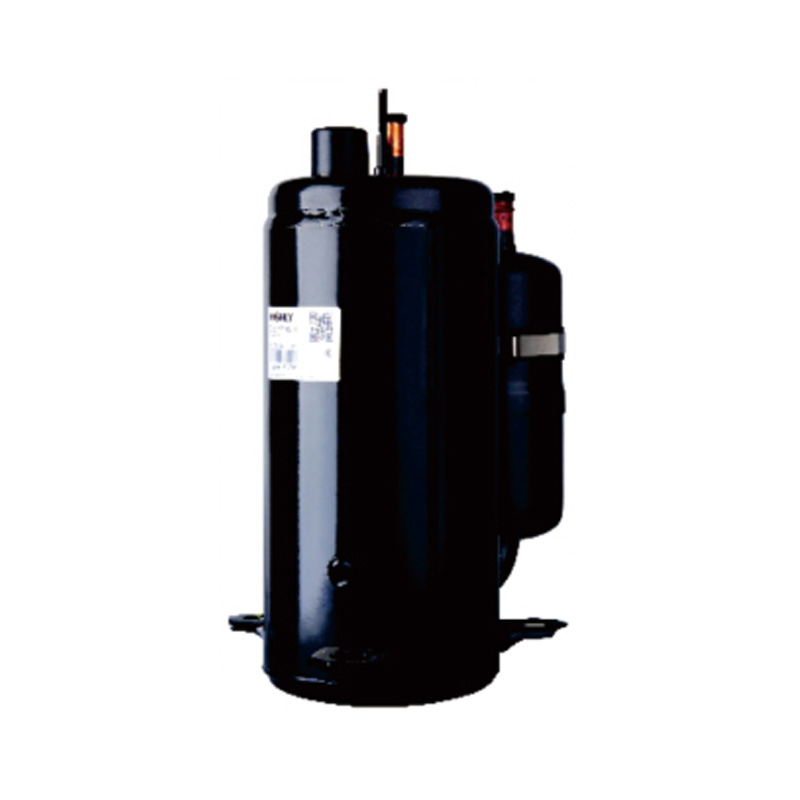
Cheap compressors are not rated for continuous duty. A commercial ice cream machine runs all day. The compressor cycles on and off. Cheap compressors overheat. They fail. The machine is down for days.
The mix leaks into the machine
Seals fail. Liquid mix drips into the machine interior. It gets sticky. It smells. It attracts bugs. Cleaning takes extra time.
The machine is hard to clean
Hidden crevices. Hard-to-remove parts. A commercial ice cream machine that takes two hours to clean costs the operator $40 in labor per day. Over a year, that is thousands of dollars.
A commercial ice cream machine is an investment. Cheap machines fail. They freeze up. Compressors die. They are hard to clean.
Buy from a known brand with local service. Get a machine sized for your volume. Air cooled is fine for small spaces with ventilation. Water cooled is better for hot kitchens.
Look for easy cleaning. Removable parts. No hidden crevices. Daily cleaning takes 20 minutes, not an hour.
A good machine lasts for years. It makes consistent soft serve. It keeps customers happy. A bad machine causes frustration. It costs money in downtime and labor.
Commercial ice cream is a good business. People love frozen treats. The machine is the heart of that business. Choose wisely. Your customers will taste the difference. Your staff will thank you. Your profit will show it.
For exclusive deals and latest offers, sign up by entering your email address below.



-
spelor@spelor.com
-
+86-576-85229688
-
No.528, Changxi Road, Linhai City, Zhejiang Province, China
Commercial Refrigeration Equipment Manufacturer China
Copyright © 2025 by Spelor Electrical Appliances (Zhejiang) Co., Ltd. Rights Reserved.
