


 中文简体
中文简体Commercial Juice Dispenser: Serving Drinks Fast Without Waste
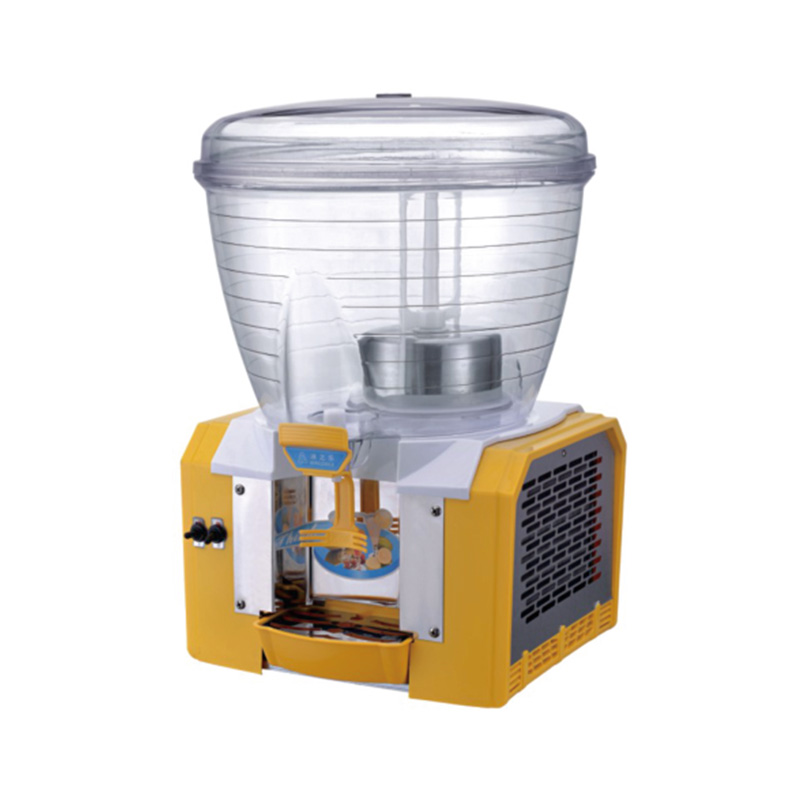
Admin 2026-06-05Restaurants and cafeterias serve juice by the glass, not by the bottle. Opening individual bottles is slow. Pouring from large jugs spills. A commercial juice dispenser solves these problems. It holds a few gallons of juice. It dispenses one glass at a time. The customer pushes a lever or presses a button. Juice flows. No spills. No measuring. No waste.
What a Commercial Juice Dispenser Is and How It Works
The dispenser holds juice in a removable container and releases it through a valve
A commercial juice dispenser has three main parts. The container holds the juice. The valve releases juice when opened. The stand or frame holds everything at the right height for filling cups. dispensers are clear so customers see the juice before buying.
The container is usually polycarbonate or stainless steel. Polycarbonate is clear and lightweight. Stainless steel is more durable and keeps juice colder longer. A commercial juice dispenser with a polycarbonate container works well for orange juice and apple juice. Stainless steel works better for acidic juices like lemonade or for outdoor use where sunlight might damage plastic.
Gravity or pump determines how the juice flows
Basic commercial juice dispenser models use gravity. The container sits above the valve. Juice flows down when the valve opens. Simple. Reliable. No moving parts except the valve.
Pump models work for thicker juices or when the container sits below counter height. A small pump pushes juice up to the valve. Pump dispensers cost more and need maintenance. For applications, gravity is fine.
Why a Good Dispenser Matters for Commercial Kitchens
Consistent portion control reduces waste and protects profit margins
A commercial juice dispenser with a consistent flow rate helps staff pour the same amount every time. Less waste. Lower food cost. The alternative is free-pouring from a jug. One staff member pours 200 milliliters. Another pours 250 milliliters. The customer gets more juice sometimes, less juice other times. Nobody is happy.
Good dispensers have adjustable portion control. Set the dispenser to release a specific amount. Push the lever once. The commercial juice dispenser stops automatically. Every cup gets exactly the same amount.
Speed of service keeps lines moving during busy periods
Breakfast rush. Lunch rush. Concession stand at a game. Customers do not want to wait. A commercial juice dispenser pours a glass in seconds. The alternative — opening a bottle or pouring from a jug — takes three times as long.
Here is what a commercial juice dispenser needs to deliver for fast service:
- Valve that opens fully and closes without dripping
- Container large enough to last through the rush
- Clear markings showing remaining juice level
- Easy access for cleaning between refills
- What to Look for in a Commercial Juice Dispenser
- Container material and capacity match your expected volume
Small cafes might sell 20 glasses of juice per day. A 2-gallon commercial juice dispenser is fine. Large cafeterias might sell 200 glasses per hour. They need a 5-gallon dispenser or multiple units.
Polycarbonate containers are lighter and less expensive. But they scratch over time. Scratches trap bacteria. The dispenser looks dirty even when clean. Stainless steel containers cost more but last longer and stay looking good.
Valve design affects dripping and ease of cleaning
The valve is the part that fails often on a commercial juice dispenser. Cheap valves drip. Juice runs down the front of the dispenser. Flies come. Customers are disgusted. Staff spend time wiping instead of serving.
Good valves have a positive shut-off with no leakage. They come apart for cleaning without tools. Seals are replaceable. A valve that cannot be disassembled will eventually trap old juice and grow mold.
Ease of cleaning is critical for health department compliance
A commercial juice dispenser needs cleaning daily. More often if it holds dairy-based juices or smoothies. The container should lift off the base easily. All parts that touch juice should go in a dishwasher.
Here are cleaning-related features to check before buying:
- Container removes without tilting or spilling
- Gaskets and seals come out for separate cleaning
- No hidden crevices where juice can pool
- Dishwasher-safe plastic parts
What Goes Wrong with Cheap Dispensers
Cracks in the container leak juice onto the counter
Polycarbonate commercial juice dispenser containers crack when dropped. Cracks are hard to see. Juice seeps through slowly. The counter is sticky. Staff wipe. The leak continues. A cracked container needs replacement immediately.
Cheap containers use thin plastic that cracks easily. Better containers are thicker or use more impact-resistant material. Some manufacturers sell replacement containers separately. Good to know before the first one breaks.
Valves stick open or closed
A commercial juice dispenser valve that sticks open empties the container onto the floor. Waste. Mess. Lost revenue. A valve that sticks closed frustrates customers waiting for juice.
Valves stick because of dried juice deposits or worn seals. A good valve design has smooth surfaces that resist buildup. Seals are made of food-grade silicone that lasts for years.
Drip trays are too small
Juice drips. Every dispenser drips a little. The drip tray catches the drips. A commercial juice dispenser with a small drip tray overflows quickly. Juice runs off the counter. Staff clean constantly.
Check the drip tray capacity. Look for a tray that removes easily for emptying and cleaning. Some dispensers have drip trays that attach to the base with magnets. Easy on, easy off.
A commercial juice dispenser is not a complicated machine. It holds juice and pours it. But small details make the difference between a dispenser that works for years and one that causes daily headaches. Container thickness. Valve quality. Ease of cleaning. Drip tray size. Spend a little more upfront for a dispenser with good components. Your staff and your customers will notice the difference.
For exclusive deals and latest offers, sign up by entering your email address below.


-
spelor@spelor.com
-
+86-576-85229688
-
No.528, Changxi Road, Linhai City, Zhejiang Province, China
Commercial Refrigeration Equipment Manufacturer China
Copyright © 2025 by Spelor Electrical Appliances (Zhejiang) Co., Ltd. Rights Reserved.
