


 中文简体
中文简体Usage of Commercial Slushy Makers
Admin 2026-05-01How Gravity-Fed and Pressurised Systems Work
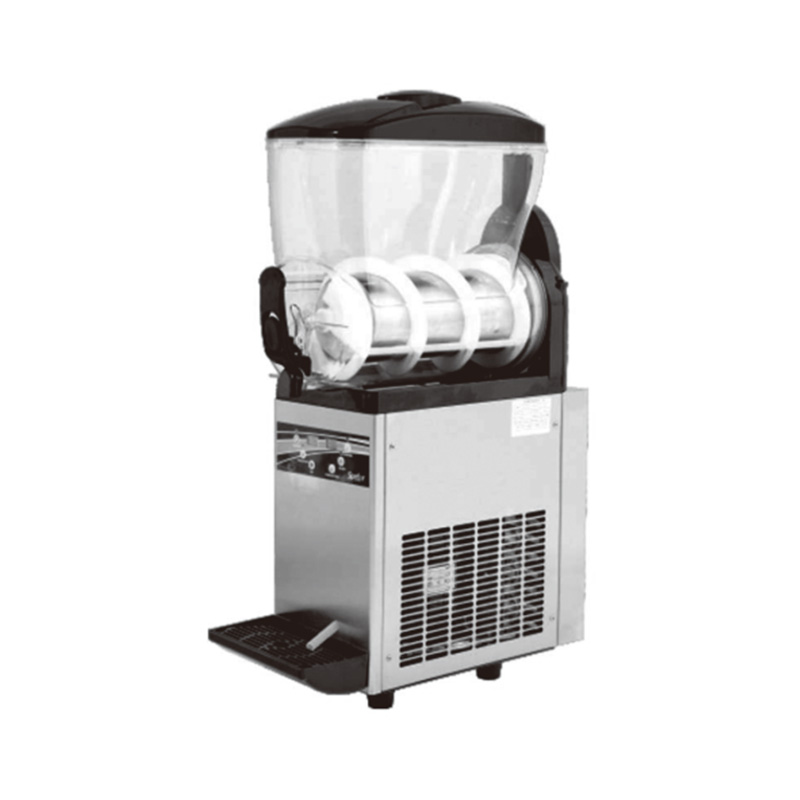
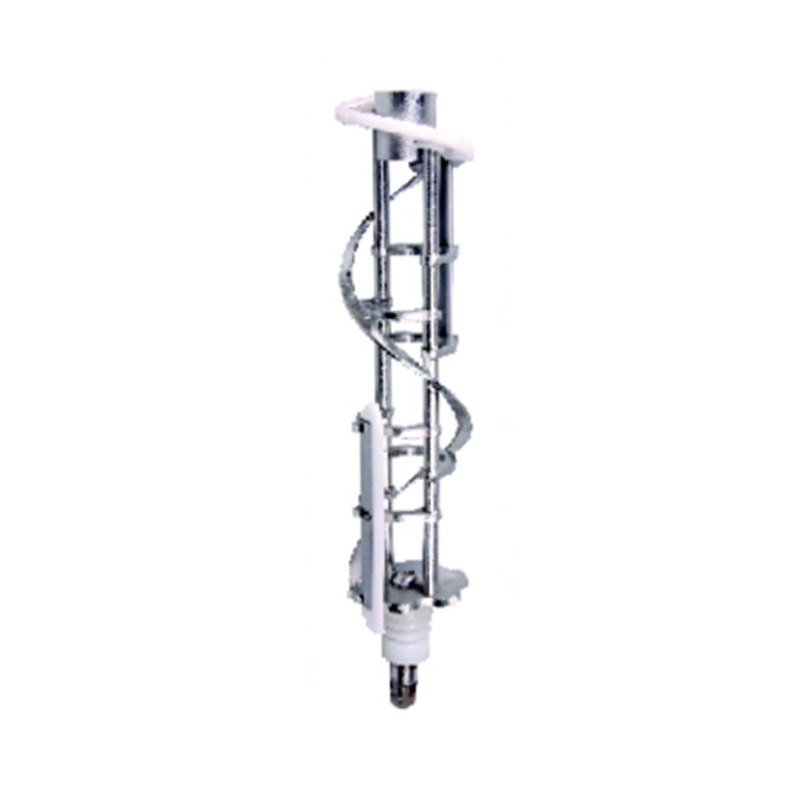
Commercial slushy machines fall into two main categories: gravity-fed (also called open-pour) and pressurised. Gravity-fed machines have a hopper on top where the user pours the slush mix. The mix flows downward by gravity into a freezing cylinder. An auger (a screw-shaped rotating blade) scrapes ice crystals from the cylinder wall and pushes the slush toward a dispensing tap. These machines are common in convenience stores and self-serve locations because they can be refilled during operation without stopping. Pressurised machines use a sealed tank (2-5 litres) that is pressurised with air from a small compressor (0.2-0.4 MPa). The mix is forced into the freezing cylinder under pressure, producing a finer, more consistent ice crystal size (0.1-0.3 mm versus 0.3-0.8 mm for gravity-fed). Pressurised machines are used in high-volume settings such as movie theaters and amusement parks, where texture consistency is important.
Freezing Cylinder Construction and Maintenance
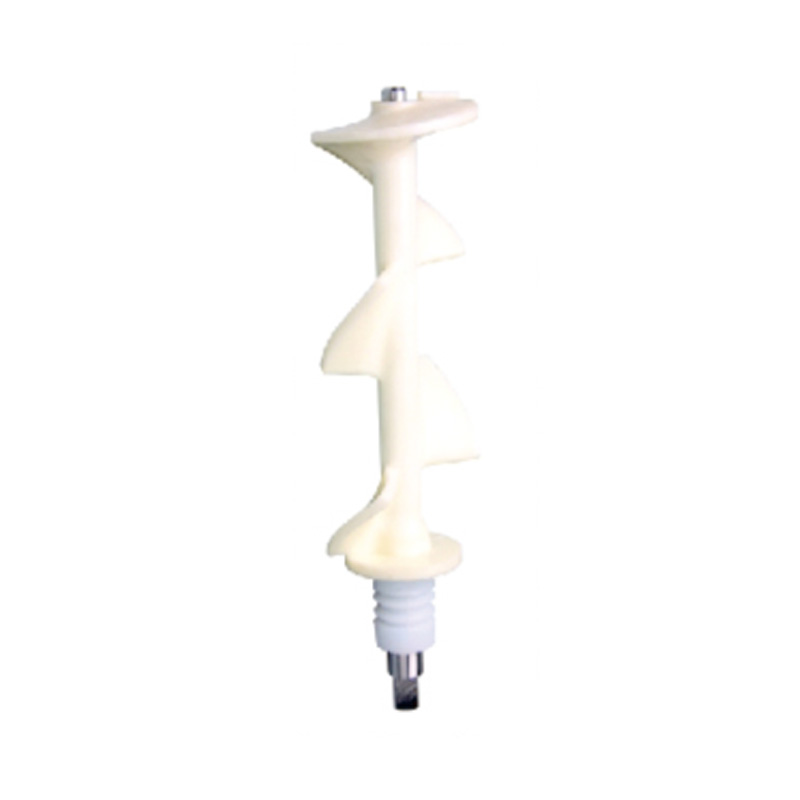
The freezing cylinder is the core component. It is a double-walled stainless steel tube (304 or 316 grade) with refrigerant circulating between the walls. The inner wall (contact with the slush) has a surface finish of Ra 0.4-0.8 microns. A smoother wall reduces ice adhesion and makes cleaning easier. The cylinder diameter ranges from 100 mm to 200 mm; length ranges from 300 mm to 600 mm. A larger cylinder produces more slush per batch (5-15 litres per cylinder) but takes longer to freeze (30-60 minutes for first batch versus 15-30 minutes for a small cylinder). The auger is made of stainless steel or food-grade plastic (acetal or polypropylene). Plastic augers are quieter and do not scratch the cylinder wall, but they wear out after 1-2 years (the flights (helical ridges) become rounded, reducing scraping efficiency). Stainless steel augers last 5-10 years but can scratch the cylinder if misaligned. The gap between the auger flight and the cylinder wall is 0.5-1.0 mm. If this gap increases to 1.5 mm or more (due to wear or bending), ice builds up on the cylinder wall (called "freeze-on"), and the machine must be defrosted.
Daily Start-Up and Shut-Down Procedures
Proper start-up and shut-down prevent damage to the refrigeration system. In the morning, turn on the machine without any mix in the cylinder. Allow the cylinder to cool for 10-15 minutes. Then pour in the slush mix (pre-chilled to 4-10°C). Using warm or room-temperature mix (20-25°C) causes the compressor to run continuously for 60-90 minutes to reach the set temperature, increasing wear on the compressor (a typical compressor is rated for 8,000-10,000 running hours; continuous running reduces its life by 30-50 percent). During operation, the mix temperature in the cylinder is maintained at -2°C to -4°C. At this temperature, about 30-50 percent of the water content is frozen; the rest remains liquid, giving the slush its pourable consistency. If the temperature drops below -5°C, the mix becomes too thick (like a slushy that has been in the freezer too long), and the auger may stall (drawing 2-3 times normal current, which can trip the breaker). At the end of the day, dispense any remaining slush, then run the cleaning cycle (see Part Two). Do not leave mix in the cylinder overnight; it freezes solid, requiring 2-4 hours of defrosting the next morning. The expansion of water when freezing (9 percent volume increase) can crack the cylinder wall or rupture the seals. A cracked cylinder costs $500-1,500 to replace and is not covered by warranty if caused by freezing.
Cleaning and Sanitising Frequency
Commercial slushy makers must be cleaned daily to prevent bacterial growth. The sugar content (12-20 percent in typical slush mixes) promotes the growth of yeast and mold. After one day at 25°C without cleaning, bacterial counts can reach 10⁵ CFU/ml (colony forming units per millilitre), exceeding food safety limits (typically below 10⁴ CFU/ml). The cleaning procedure: remove the auger, seals, and dispensing tap. Wash these parts in warm water (40-50°C) with a mild detergent (pH 7-9). Use a soft brush; do not use abrasive pads (steel wool or scouring powder) because they scratch stainless steel, creating crevices where bacteria hide. Rinse all parts with clean water. Sanitise with a chlorine-based solution (100-200 ppm free chlorine) or a quaternary ammonium compound (200-400 ppm). Let the parts air-dry for 10-15 minutes before reassembly. Clean the cylinder by running a cleaning cycle with warm water and a cleaning tablet (if the machine has a self-cleaning mode) or by scrubbing with a cylinder brush (nylon bristles, 100-150 mm diameter). Never use bleach (sodium hypochlorite) on aluminum parts (present in some older machines); bleach corrodes aluminum. For pressurised machines, clean the pressure lines and the air filter (located near the compressor) monthly. A clogged air filter reduces airflow to the compressor, causing it to overheat (surface temperature exceeding 90°C). An overheated compressor cycles on and off frequently (short-cycling), reducing its life by 50-70 percent.
For exclusive deals and latest offers, sign up by entering your email address below.


-
spelor@spelor.com
-
+86-576-85229688
-
No.528, Changxi Road, Linhai City, Zhejiang Province, China
Commercial Refrigeration Equipment Manufacturer China
Copyright © 2025 by Spelor Electrical Appliances (Zhejiang) Co., Ltd. Rights Reserved.
