


 中文简体
75kg/24H Countertop Ice Maker for Business and Commercial Applications
Admin 2026-10-26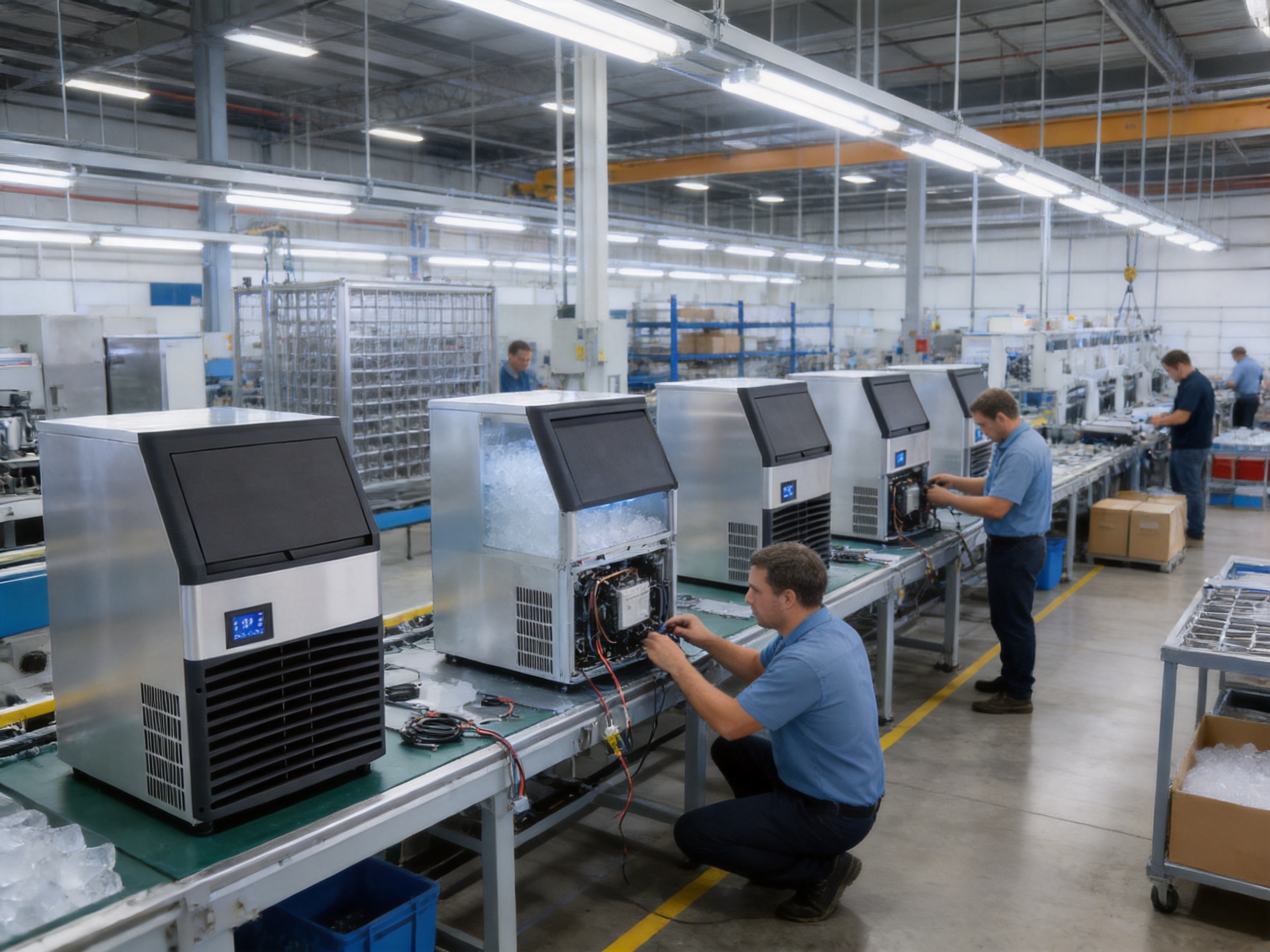
Reliable ice production is essential for many foodservice businesses. Cafes, convenience stores, restaurants, bars, hotels, catering operations, and institutional kitchens all depend on a stable supply of clean ice for beverages, food presentation, storage, and daily service. When ice production is inconsistent, staff must purchase additional bagged ice, storage space becomes difficult to manage, and operating costs can increase. A dedicated commercial ice machine provides a more controlled and dependable solution.
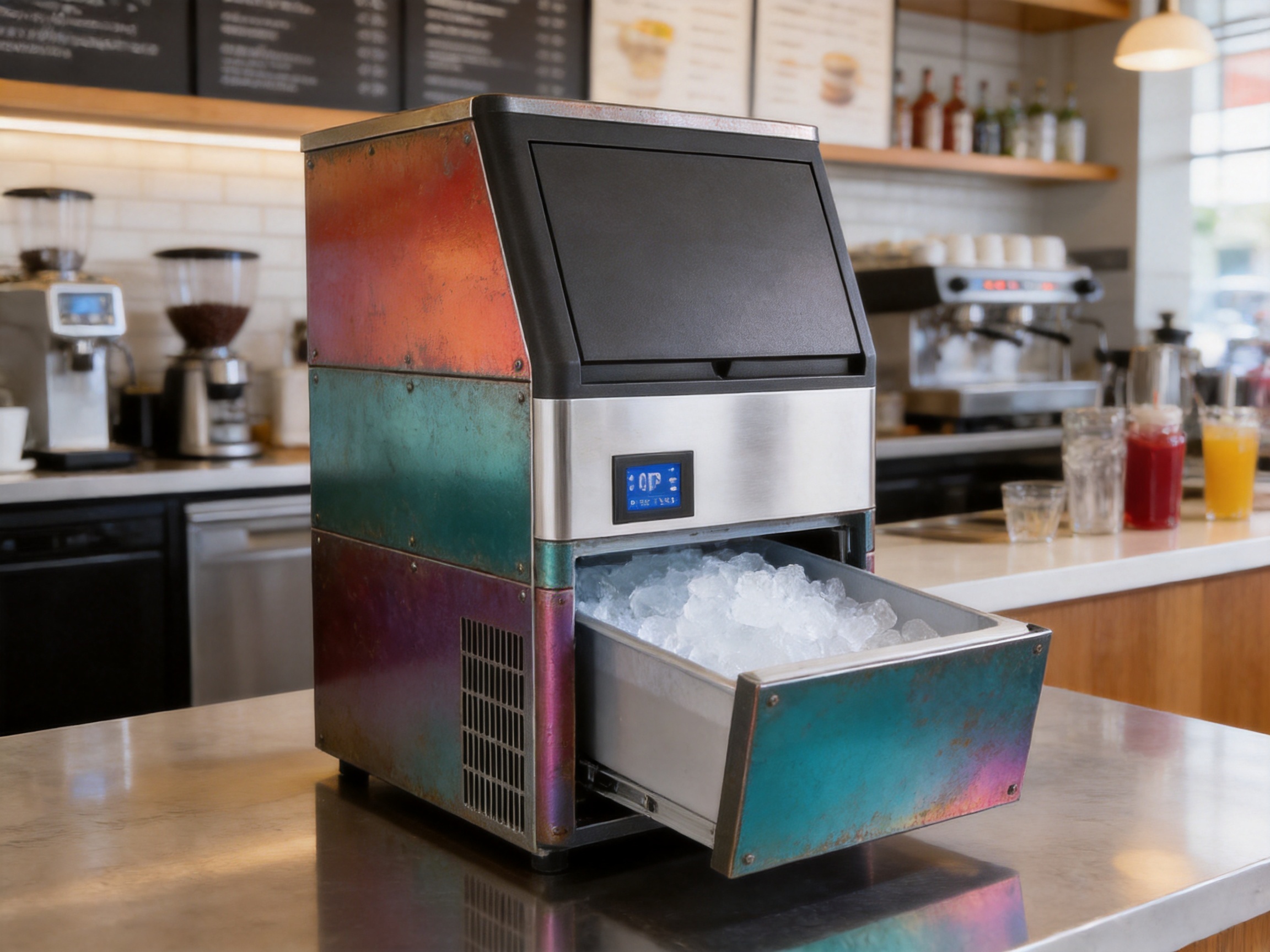
The ZB-150B 75kg/24H Countertop Ice Maker is designed for businesses that need continuous ice production in a compact footprint. With a maximum daily output of 75 kilograms, a 40-kilogram storage bin, air-cooled condensation, R290 refrigerant, and an automatic cleaning function, the machine is intended to support small- and medium-volume commercial operations. Its stainless-steel and coated-steel construction combines practical durability with a clean, professional appearance suitable for customer-facing environments.
This article examines the machine’s specifications, design, commercial applications, operating advantages, manufacturing background, maintenance requirements, and purchasing considerations. It also explains why a compact 75kg-per-day ice maker can be a practical alternative to smaller countertop units or much larger floor-standing systems.
Product Overview
The ZB-150B is a commercial ice-making and storage solution built for daily business use. It combines an ice production system with an integrated storage bin, allowing freshly produced ice to remain available for service instead of requiring immediate transfer to a separate container. The machine is suitable for operations that need a dependable supply of ice throughout the day but do not require the capacity of a large industrial ice plant.
The unit has a maximum stated daily production of 75 kilograms and a storage capacity of 40 kilograms. This production-to-storage combination is useful for businesses with changing demand. During quieter periods, the machine can continue producing ice while the bin holds the output. During busy service periods, staff can access stored ice without waiting for a new batch to finish.
With overall dimensions of 500 x 577 x 855 millimeters, the machine is relatively compact for its production class. Its footprint allows it to be positioned on a suitable counter, equipment stand, or other stable support surface, depending on the installation environment and local safety requirements. The vertical format uses floor and counter space efficiently, which is particularly valuable in small kitchens, beverage stations, convenience stores, and compact commercial premises.
The exterior uses food-grade stainless steel together with colorful sprayed steel. Stainless steel is widely used in foodservice equipment because it is resistant to routine moisture exposure and can be cleaned efficiently. The coated-steel elements provide an opportunity for a distinctive exterior finish while supporting the machine’s professional presentation. Together, these materials create an appearance that is suitable for both back-of-house and front-of-house installation.
Key Specifications
| Model | ZB-150B |
| Product type | Commercial ice machine with integrated storage |
| Maximum daily production | 75 kg |
| Storage bin capacity | 40 kg |
| Rated power consumption | 600 W |
| Condensation method | Air cooling |
| Refrigerant | R290 |
| Overall dimensions | 500 x 577 x 855 mm |
| Compressor specification | Chinese compressor |
| Cleaning feature | Automatic cleaning function |
The stated figures provide a useful basis for evaluating whether the ZB-150B matches a business’s operational requirements. Actual daily production can vary according to ambient temperature, incoming water temperature, ventilation, installation conditions, cleaning status, and usage patterns. Businesses should therefore consider the maximum daily output as a reference capacity rather than a guaranteed production level under every environmental condition.
75kg Daily Production for Continuous Commercial Use
The most important performance feature of this machine is its maximum production capacity of 75 kilograms per day. This level is suited to businesses that require more ice than a small domestic or light-duty machine can supply, but that do not need a very large central ice-making system.
A 75-kilogram daily capacity can support a range of common foodservice activities. A cafe may use ice for iced coffee, soft drinks, cold tea, smoothies, and water service. A convenience store may need ice for beverages, chilled products, and customer service. A small restaurant may use ice for drinks, ingredient preparation, buffet presentation, and temporary chilling. A bar may rely on ice throughout an extended service period, while a catering business may use the machine to prepare ice in advance of an event.
Daily output is especially valuable when demand is spread across many hours. Instead of depending entirely on an external ice supplier, a business can produce ice on-site according to its own schedule. This may reduce emergency purchases and make daily planning easier. It also gives operators more control over ice availability during periods when outside supply is delayed or unavailable.
The machine’s production capacity should be matched to the business’s actual demand. If a business normally consumes 20 to 40 kilograms of ice per day, the 75kg model provides useful reserve capacity. If demand regularly exceeds 75 kilograms, additional equipment or a larger production system may be required. A correct capacity assessment helps prevent both underinvestment and unnecessary equipment costs.
Integrated 40kg Storage Capacity
Production capacity alone does not determine how useful an ice machine is. Storage capacity is equally important because ice is often needed in short bursts rather than at a constant rate. The ZB-150B includes a 40-kilogram storage bin, allowing the machine to accumulate ice before peak service periods.
The integrated bin helps separate production timing from consumption timing. For example, a cafe can produce ice during the morning preparation period and draw from the storage bin during lunch. A restaurant can build inventory before dinner service. A convenience store can maintain available ice during busy periods when several customers need chilled beverages at the same time.
A built-in storage bin can also simplify workflow. Staff do not need to move ice repeatedly from a separate production area to a service station. The machine can be positioned close to the point of use, reducing handling and helping maintain a more orderly workspace.
Storage capacity should always be considered together with hygiene procedures. The bin should be emptied, cleaned, and inspected according to the operating schedule and the recommendations supplied with the equipment. Ice scoops and other contact tools should be kept clean, dry, and protected from contamination. Good storage practices help the machine deliver the hygienic benefits expected from on-site ice production.

75Kg/24H Countertop Ice Maker for Business Commercial
Compact Countertop Configuration
Space is one of the most serious limitations in commercial kitchens. Every piece of equipment competes for room on counters, under counters, in preparation areas, or along service lines. The ZB-150B addresses this challenge with a compact vertical configuration measuring 500 x 577 x 855 millimeters.
The machine’s width and depth are appropriate for many small commercial environments. Its vertical height provides production and storage capacity without requiring an exceptionally large floor footprint. This can be advantageous in cafes, beverage shops, small restaurants, convenience stores, and compact catering kitchens where a full-size floor model would be difficult to install.
A compact design can also support more flexible layout planning. Operators may position the machine near a beverage station, preparation counter, bar area, or service pass, provided there is sufficient ventilation, water access, drainage, electrical capacity, and clearance. The exact installation arrangement should be assessed by a qualified installer or responsible equipment manager before operation.
Countertop installation requires attention to structural support. A surface must be level, stable, and capable of supporting the machine and its operating load. The surrounding area should remain clear enough for air circulation, cleaning, inspection, and service access. Placing the machine too close to walls, heat-producing equipment, or blocked ventilation paths may reduce efficiency and affect production.
Air-Cooled Condensation
The ZB-150B uses air cooling for condensation. Air-cooled systems reject heat through airflow rather than relying on a separate water-cooled condenser loop. This can simplify installation because the machine does not require an additional condenser water supply for normal heat rejection.
For many small businesses, air cooling offers practical installation benefits. It can reduce plumbing complexity, support easier relocation, and avoid the water consumption associated with certain water-cooled configurations. These advantages are especially relevant to cafes, small shops, mobile food operations with fixed premises, and facilities where water connections are limited.
Air-cooled equipment must be installed in a location with adequate ventilation. The room should not be excessively hot, and the condenser air path must remain free from dust, packaging materials, grease, and other obstructions. Kitchen operators should avoid placing the machine directly next to ovens, fryers, hot holding equipment, or other appliances that release substantial heat.
In warm environments, the machine may require longer operating cycles and may not reach its maximum stated output. This is normal for refrigeration equipment because production performance depends partly on the temperature difference between the system and the surrounding environment. Regular cleaning of the air intake and condenser area is therefore important for maintaining stable operation.
R290 Refrigerant and Refrigeration Considerations
The machine uses R290 refrigerant. R290 is propane-based refrigerant commonly used in modern commercial refrigeration equipment. It is recognized for a low global warming potential compared with many older refrigerants and can provide effective thermodynamic performance in properly designed systems.
The use of R290 reflects the broader movement toward more environmentally considerate refrigeration solutions. Refrigerant selection is only one part of overall environmental performance, but it is an important part of the product design. Energy consumption, operating life, serviceability, insulation, component quality, and correct end-of-life handling also influence the complete environmental profile of a refrigeration appliance.
Because R290 is classified as a flammable refrigerant, installation and service work must be performed in accordance with applicable safety rules and by appropriately trained technicians. Operators should not attempt to open the sealed refrigeration circuit, recover refrigerant, or replace refrigeration components without the required expertise and equipment.
Businesses evaluating the machine should confirm local requirements for R290 appliances, electrical installation, ventilation, and servicing. The use of a modern refrigerant does not remove the need for correct installation. Instead, it makes adherence to manufacturer instructions and professional service procedures even more important.
Food-Grade Materials and Hygienic Design
The plate body is made from food-grade stainless steel and colorful sprayed steel. In a commercial ice machine, material selection has a direct relationship with cleaning, durability, appearance, and long-term maintenance.
Stainless steel provides a smooth and practical surface for foodservice environments. It is commonly selected for areas exposed to water, condensation, ice, and frequent wiping. When cleaned correctly, it can help maintain a sanitary appearance and reduce the accumulation of residue on exterior surfaces.
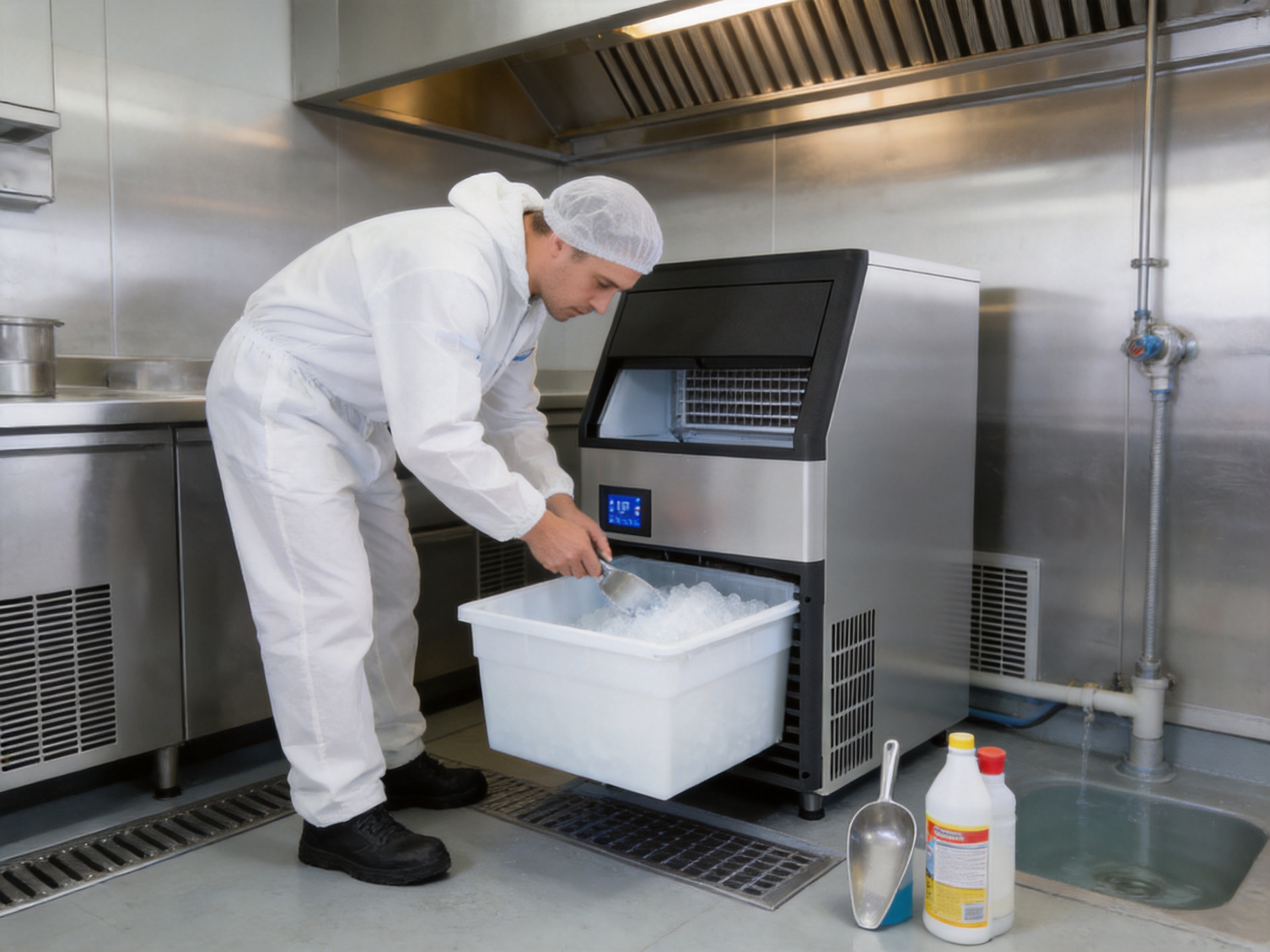
The food-contact and internal areas of an ice machine must be maintained through regular cleaning and sanitizing procedures. A clean exterior cannot compensate for poor internal hygiene. Operators should follow the supplied cleaning instructions, use appropriate products, respect chemical concentrations, and rinse or flush components as directed.
The machine’s automatic cleaning function is an important operational convenience. Automatic cleaning can help simplify routine maintenance by guiding or supporting a cleaning cycle without requiring every step to be performed manually. It does not eliminate the need for staff inspection, sanitizing, bin cleaning, or periodic professional maintenance, but it can make the standard cleaning routine easier to organize.
Hygiene also depends on the water supply. Businesses should use water that meets applicable local quality requirements and should pay attention to hardness, mineral content, and filtration needs. Excessive mineral deposits can affect ice quality, internal components, and cleaning intervals. Where local water conditions require it, a suitable filtration or treatment system may support more consistent operation.
Automatic Cleaning Function
Daily commercial use creates a continuous need for cleaning. Water can leave mineral deposits, the storage bin can accumulate residue, and airborne dust can affect external surfaces and condenser areas. The automatic cleaning function included with the ZB-150B is designed to support a more convenient maintenance routine.
Automatic cleaning may reduce the amount of manual intervention required for a standard cleaning cycle. This can be helpful for businesses where employees have limited time between service periods. A clear cleaning routine also makes it easier for managers to assign responsibilities and confirm that the equipment has been maintained.
Operators should still establish a written cleaning schedule. The schedule may include daily exterior wiping, regular storage-bin cleaning, periodic internal sanitizing, condenser inspection, and descaling when required. The exact intervals depend on water quality, operating hours, environmental conditions, and the manufacturer’s instructions.
Cleaning products must be compatible with the machine’s materials and intended food-contact environment. Strong chemicals used incorrectly may damage surfaces or leave residues. Staff should read product labels and equipment instructions before beginning maintenance. If the machine displays an error, produces abnormal ice, develops a leak, or operates with unusual noise, it should be inspected by qualified service personnel.
Advantages Compared with Smaller Ice Makers
Small countertop ice makers can be useful for offices, homes, temporary events, or very low-volume commercial service. However, they may not provide sufficient output or storage for a busy foodservice operation. The 75kg/24H capacity of the ZB-150B gives businesses greater production capability while retaining a comparatively compact form.
A higher-capacity commercial unit can reduce the frequency of manual refilling, waiting, or purchasing emergency bagged ice. It can also provide a larger reserve during peak periods. For a business that has outgrown a small machine, moving to a 75kg-per-day model may improve workflow without requiring a large industrial installation.
The integrated 40kg storage bin is another distinction. Many small appliances have limited storage, meaning that ice must be removed frequently. A larger commercial bin allows more flexible scheduling and provides better support for periods of concentrated demand.
The stainless-steel commercial construction and automatic cleaning function also make the ZB-150B more appropriate for regular foodservice use than a basic household appliance. Commercial equipment is expected to operate within a structured maintenance program and to support the demands of a professional working environment.
Advantages Compared with Larger Floor-Standing Systems
At the other end of the market, large floor-standing ice machines may offer higher output but can require more space, more complex installation, and a larger initial investment. A business with moderate ice demand may not benefit from installing a system that significantly exceeds its requirements.
The ZB-150B offers a middle-ground configuration. Its 75-kilogram maximum daily production is suitable for many small and medium commercial users, while its compact dimensions make it easier to integrate into limited spaces. The air-cooled design may also simplify installation compared with systems requiring additional condenser-water plumbing.
A properly sized machine can improve operational efficiency. Oversized equipment may cycle inefficiently when demand is low, consume unnecessary space, and increase the cost of ownership. Undersized equipment may force staff to purchase additional ice or operate the machine continuously under heavy demand. The ZB-150B is intended for businesses whose normal daily requirements fit within its production range.
Capacity matching remains essential. Hotels, large event venues, major bars, high-volume restaurants, and institutions with substantial ice demand should conduct a detailed usage assessment before selecting equipment. The 75kg model should be viewed as a practical commercial solution for moderate requirements, not as a replacement for every high-output ice production system.
Applications in Foodservice and Retail
Cafes and Beverage Shops
Cafes often experience sharp increases in ice consumption during warm weather and peak service periods. Iced coffee, cold tea, fruit beverages, smoothies, soft drinks, and chilled water all require access to ice. A machine with 75 kilograms of daily production can support a broad beverage menu while reducing reliance on delivered ice.
The compact design is useful in beverage-focused businesses where counter space is limited. The machine can be positioned near preparation and service areas, helping employees access ice quickly. A 40-kilogram bin can provide a reserve before lunch, afternoon, or evening peaks.
Convenience Stores
Convenience stores frequently sell cold drinks, packaged beverages, chilled foods, and other products that benefit from ready ice availability. On-site production can support daily operations and reduce the need to store large quantities of purchased ice.
The stainless-steel exterior can be cleaned regularly in a busy retail environment, while the compact dimensions make the machine suitable for stores where every square meter must be used efficiently. Managers should ensure that customers cannot access internal components or the ice bin unless the machine is installed specifically for self-service use and appropriate hygiene controls are in place.
Small Restaurants
Restaurants may use ice for dining-room drinks, bar service, food preparation, seafood presentation, salad stations, and temporary chilling. Demand can vary substantially between preparation, lunch, dinner, and closing periods. A production-and-storage combination helps restaurants prepare ahead of busy service windows.
The machine can be integrated into a back-of-house beverage station or a dedicated utility area. Its air-cooled system may be convenient where a separate condenser-water connection would be difficult to install. Adequate ventilation remains essential in a warm kitchen environment.
Bars and Hospitality Venues
Bars and hospitality venues often need ice quickly and repeatedly. Although the required ice type and exact production volume depend on the beverage menu, the 75kg model can be appropriate for smaller bars, lounges, clubs, and hotel beverage areas with moderate demand.
Managers should calculate consumption by shift, account for peak periods, and consider whether additional ice is needed for display, bottle chilling, or event service. If the venue serves a very high volume of cocktails or operates long peak periods, it may require a larger or multiple-machine configuration.
Catering and Institutional Operations
Caterers, schools, clinics, staff cafeterias, and other institutions may require ice for beverages, temporary food handling, and service preparation. A compact machine can be useful where space is limited or where demand is steady but not industrial in scale.
Institutional users may benefit from establishing documented cleaning, water-quality, and inspection procedures. Assigning responsibility to a trained employee or facilities team helps maintain reliable operation over the equipment’s service life.
Manufacturing Strengths and Production Capabilities
The manufacturer, Spelor Electrical Appliances (Zhejiang) Co., Ltd., is described as a professional manufacturer integrating design, research and development, manufacturing, sales, and service. This integrated structure is important for commercial equipment because successful product development requires coordination between engineering, production, quality management, sales support, and after-sales service.
The company operates more than 60,000 square meters of modern production facilities. A production base of this scale can support organized manufacturing workflows, dedicated equipment areas, component management, assembly operations, testing procedures, packaging, and logistics coordination. The available company information identifies commercial refrigeration, kitchen equipment, and buffet equipment as central areas of expertise.
The product range includes ice cream machines, juice dispensers, fried ice cream machines, refrigeration cabinets, slush machines, flake ice machines, cooking equipment, griddles, fryers, insulation products, barbecue equipment, and buffet solutions. This broad portfolio gives the manufacturer experience across several categories of foodservice equipment and allows it to understand the different needs of snack shops, fast-food chains, bars, supermarkets, institutions, and other commercial users.
For the ZB-150B, this manufacturing background is relevant because an ice maker is not an isolated appliance. It combines refrigeration, water handling, insulation, metal fabrication, electrical controls, storage, cleaning, and user operation. Experience across related product categories can support more coordinated product development and equipment integration.
Design and Research-Oriented Product Development
A commercial ice machine must balance production capacity, dimensions, power consumption, thermal performance, cleaning access, user convenience, and manufacturing cost. These design factors can conflict with one another. Increasing capacity may require a larger compressor or more internal space, while maintaining a compact footprint requires careful component arrangement.
An integrated design and research-and-development capability allows the manufacturer to address these relationships during product development. The ZB-150B reflects a compact commercial configuration that combines a 75kg maximum daily output with 40kg storage in a body measuring 500 x 577 x 855 millimeters.
The use of R290, air cooling, food-grade stainless steel, and automatic cleaning indicates attention to current commercial refrigeration and foodservice requirements. Each feature contributes to the equipment’s overall suitability, but the system must be designed and assembled as a complete unit. Refrigerant selection, airflow, insulation, water distribution, ice formation, storage, and control functions must work together for consistent results.
Product development also involves considering serviceability. Commercial buyers need equipment that can be inspected, cleaned, repaired, and supported over time. A manufacturer that provides pre-sales consultation, customization options, logistics assistance, payment solutions, and after-sales maintenance can help customers manage the full purchasing cycle rather than treating the transaction as a one-time shipment.
Manufacturing Process Considerations
The available company information describes integrated manufacturing but does not provide a detailed step-by-step factory process. Nevertheless, commercial ice machine production generally depends on several important manufacturing stages. These include material preparation, sheet-metal fabrication, surface treatment, component assembly, refrigeration-system integration, electrical installation, inspection, performance testing, cleaning verification, packaging, and shipment preparation.
For the ZB-150B, the external body requires accurate fabrication so that panels align correctly and the finished machine remains stable. Stainless-steel surfaces need appropriate forming, joining, finishing, and inspection. Coated-steel parts require consistent surface treatment and careful handling to reduce cosmetic damage during assembly.
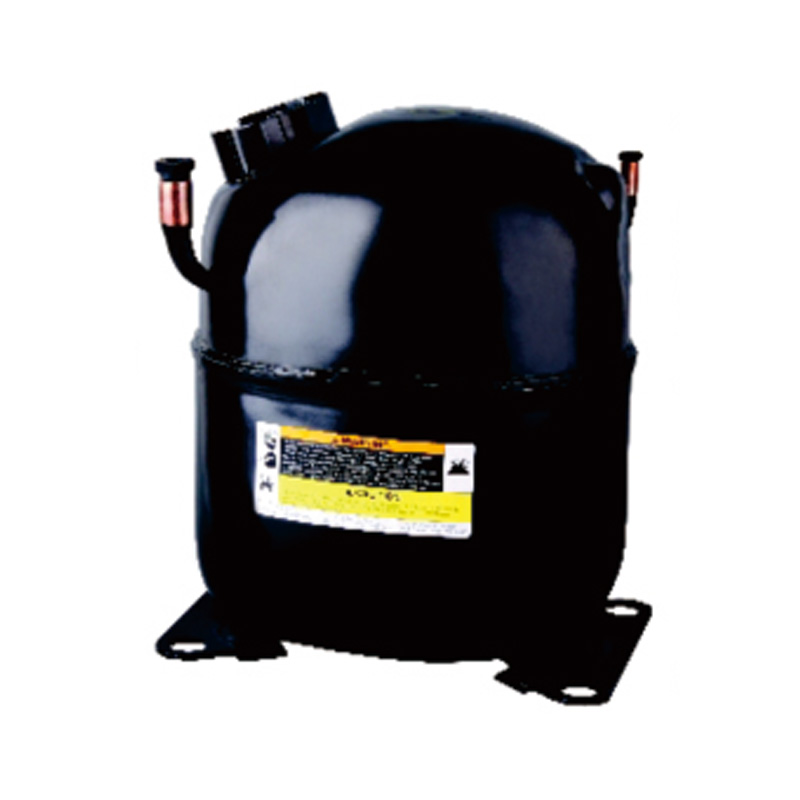
Refrigeration assembly is another critical area. The compressor, condenser, evaporator, refrigerant circuit, controls, and insulation must be installed according to the engineering design. The use of R290 requires suitable production controls, trained personnel, and safety procedures appropriate for flammable refrigerants.
Water and ice-contact components must be fitted carefully to reduce the risk of leaks, misalignment, or contamination. Electrical wiring and control components should be installed and checked using appropriate production and safety procedures. Final inspection should confirm that the unit is complete, clean, stable, and ready for packaging.
Testing is particularly important for commercial ice machines because performance depends on the interaction of several systems. A responsible production program may include checks for electrical operation, water flow, refrigeration performance, ice formation, storage-bin function, airflow, unusual noise, leakage, and cleaning-cycle operation. Specific factory tests and acceptance criteria should be confirmed with the supplier for each order.
OEM and ODM Support
The manufacturer offers OEM and ODM commercial refrigeration equipment based on customer drawings or requirements. This capability can benefit distributors, chain operators, project contractors, importers, and foodservice brands that need equipment adapted to a specific market or business model.
OEM production generally involves manufacturing equipment according to a customer’s specifications, branding, packaging, labeling, or commercial requirements. ODM cooperation may involve adapting an existing platform or developing a product around a customer’s functional objectives. The exact scope should be established in a written technical agreement.
For an ice machine, customization may relate to exterior color, logo placement, control language, packaging, electrical configuration, regional compliance documentation, water connections, drainage arrangements, or installation accessories. Not every customization is suitable for every production volume, so buyers should request a feasibility assessment before finalizing the project.
Clear technical communication is essential for OEM and ODM projects. A specification sheet should define output capacity, storage volume, dimensions, voltage, frequency, refrigerant, condenser type, materials, controls, accessories, packaging, and testing requirements. Drawings, samples, approval procedures, and change-control processes help reduce misunderstandings during production.
Quality and Service Advantages
The company’s stated one-stop service includes pre-sales consultation, product customization, flexible logistics and payment solutions, and after-sales maintenance. This type of support is valuable to international buyers because commercial refrigeration equipment is often purchased as part of a larger project.
During the pre-sales stage, the supplier can help customers compare production capacity, machine dimensions, operating environment, electrical requirements, and application needs. This reduces the risk of selecting equipment that is too small, too large, or unsuitable for the installation location.
During order preparation, customers may require assistance with packaging, documentation, shipping arrangements, product labeling, and payment procedures. Coordinating these elements through one supplier can simplify procurement, particularly for distributors and multi-site operators.
After delivery, effective maintenance support helps preserve the machine’s performance. Commercial users should have access to operating instructions, cleaning guidance, spare-part information, troubleshooting assistance, and service contacts. The company’s stated focus on dependable after-sales maintenance is therefore relevant to long-term ownership.
Buyers should still confirm the precise warranty, spare-parts availability, response times, technical documentation, and service arrangements before placing an order. These details can vary by market, order quantity, distributor relationship, and contract terms.
Installation Planning
Correct installation is essential for the ZB-150B to operate effectively. Before delivery, the buyer should confirm the available space against the stated dimensions of 500 x 577 x 855 millimeters. Clearance should be added for ventilation, cleaning, inspection, door or panel access, and service work.
The installation surface must be level and strong enough to support the machine. The unit should be positioned away from direct heat sources and protected from excessive dust, grease, splashing, and moisture. Air-cooled equipment needs sufficient room for the circulation and discharge of warm air.
Water supply and drainage arrangements should be planned in advance. The water source should meet local quality requirements, and drainage should be installed in a way that prevents backflow or standing water. Electrical connections must match the machine’s approved voltage and frequency configuration for the destination market.
Because the refrigerant is R290, installation and refrigeration service should be handled according to applicable local safety regulations. The operator should retain the product documentation and make sure that responsible staff understand the controls, cleaning function, bin hygiene, and basic fault procedures.
Operating and Maintenance Best Practices
Operators should inspect the machine before daily use. The exterior, storage bin, ice outlet, water connections, power cable, and surrounding area should be checked for visible problems. Any sign of leakage, damage, unusual noise, or abnormal odor should be addressed promptly.
The storage bin should be kept clean and should not be used to store unrelated products. Ice should be handled with a dedicated clean scoop rather than with hands, cups, or other objects that may introduce contamination. The scoop should be washed and stored in a hygienic location.
The automatic cleaning function should be used according to the manufacturer’s instructions. Cleaning cycles should not be treated as a substitute for manual inspection. Mineral deposits, residue, or hard-to-reach areas may still require additional attention at scheduled intervals.
Air-cooled condenser areas should be kept free from dust and grease. In a commercial kitchen, airborne oil and particles can accumulate quickly. A blocked condenser can reduce heat rejection, increase operating stress, and lower ice production. Cleaning frequency should reflect the environment in which the machine operates.
Water quality should be monitored. Hard water may result in scale formation, while poor-quality water may affect ice taste, appearance, and hygiene. If filtration is used, filter cartridges should be replaced according to the supplier’s recommended schedule and the actual water conditions.
At the end of the service day or during extended shutdowns, operators should follow the prescribed shutdown, draining, and cleaning procedures. Leaving old ice or stagnant water inside the machine for long periods may create hygiene and odor problems.
Energy and Operating Efficiency
The rated power consumption is listed as 600 watts. This figure provides a reference for electrical planning, but actual energy use depends on operating time, ambient temperature, water temperature, production demand, cleaning cycles, and equipment condition.
Businesses can support efficient operation by placing the machine in a cool, ventilated location, keeping the condenser clean, maintaining suitable water quality, and avoiding unnecessary operation when the storage bin is already full. A machine that is correctly sized for actual demand is generally easier to operate efficiently than one that is substantially undersized or oversized.
Operators should also consider the indirect energy effects of poor maintenance. Scale buildup and blocked airflow can reduce heat-transfer performance, extend operating cycles, and increase stress on refrigeration components. Regular cleaning is therefore important not only for hygiene but also for operational efficiency and equipment longevity.
When evaluating the total cost of ownership, businesses should consider purchase price, installation, electricity, water, cleaning supplies, filters, maintenance, spare parts, labor, and potential emergency ice purchases. A machine with a suitable capacity and manageable maintenance routine can provide value beyond its initial purchase cost.
Purchasing Checklist for Commercial Buyers
| Capacity | Confirm that 75kg maximum daily production matches normal and peak demand. |
| Storage | Verify that the 40kg bin is sufficient for the business’s service schedule. |
| Space | Measure the installation area and allow suitable ventilation and service clearance. |
| Power | Confirm voltage, frequency, electrical protection, and the 600W rated requirement. |
| Cooling | Provide adequate room ventilation for the air-cooled condenser. |
| Water | Check water quality, inlet arrangements, filtration, and drainage requirements. |
| Refrigerant | Confirm local installation and service requirements for R290. |
| Hygiene | Review the automatic cleaning function and establish a complete cleaning schedule. |
| Service | Confirm warranty terms, spare parts, technical support, and maintenance arrangements. |
| Customization | Discuss OEM or ODM requirements, labeling, packaging, color, and electrical configuration. |
Buyers should request a complete quotation that includes the machine configuration, accessories, packaging, shipping terms, documentation, warranty, and any customization charges. The product data should be reviewed carefully because regional electrical configurations, optional components, and delivery conditions may differ.
Why This Model Is a Practical Commercial Choice
The ZB-150B combines several features that address common business concerns: useful production capacity, integrated storage, compact dimensions, air-cooled operation, R290 refrigerant, foodservice-oriented materials, and automatic cleaning. No single feature determines the suitability of an ice machine, but the combination creates a balanced solution for small and medium commercial users.
Compared with smaller appliances, it provides greater output and storage. Compared with larger systems, it offers a more compact form and potentially simpler installation. Compared with machines that lack cleaning support, its automatic cleaning function can make routine maintenance easier to organize.
The product is also supported by a manufacturer with a broad foodservice equipment portfolio, modern production facilities, integrated design and manufacturing capabilities, and OEM and ODM experience. These strengths can be important for buyers that need more than a standard catalog item, especially distributors, chain businesses, project contractors, and international foodservice suppliers.
The machine should nevertheless be selected according to actual demand, environmental conditions, local regulations, and available service support. Its maximum 75kg daily output is a capacity reference, not a guarantee under every climate or installation condition. Proper ventilation, water quality, cleaning, and professional service remain essential.
Q&A
What is the daily production capacity of the machine?
The maximum stated daily production is 75 kilograms. Actual production can vary with ambient temperature, water temperature, ventilation, cleaning condition, and operating schedule.
How much ice can the storage bin hold?
The integrated storage bin has a stated capacity of 40 kilograms. This allows the machine to produce and hold ice before peak service periods.
Is this machine suitable for a small restaurant?
Yes. The machine is designed for small and medium commercial applications and can support restaurants that use ice for beverages, food preparation, presentation, and service. The business should compare its expected daily and peak demand with the machine’s capacity before purchasing.
Can it be used in a cafe or convenience store?
Yes. Its compact dimensions, commercial production capacity, integrated storage, and foodservice-oriented construction make it suitable for many cafes, beverage shops, and convenience stores.
What type of condenser does it use?
The machine uses an air-cooled condensation system. It must be installed in a well-ventilated area with adequate clearance around the air intake and discharge areas.
What refrigerant does the machine use?
The refrigerant is R290. Because R290 is flammable, installation, repair, and refrigerant-related service should be performed by qualified personnel following applicable safety requirements.
Does the machine have an automatic cleaning function?
Yes. The product information identifies an automatic cleaning function. Operators should still follow the complete maintenance instructions, including manual inspection, bin cleaning, sanitizing, descaling where necessary, and condenser cleaning.
What are the machine dimensions?
The stated overall dimensions are 500 x 577 x 855 millimeters. Buyers should also allow additional clearance for ventilation, cleaning, operation, and service access.
What is the rated power consumption?
The listed rated power consumption is 600 watts. The correct voltage and frequency configuration should be confirmed for the destination market before ordering.
Is the exterior suitable for commercial foodservice environments?
The plate body uses food-grade stainless steel and colorful sprayed steel. These materials provide a practical and professional exterior when cleaned and maintained correctly.
Does the machine require a separate cooling-water connection?
The machine uses air cooling, so it does not require a separate condenser-water connection for normal heat rejection. It does require suitable ventilation and correct installation.
Can the manufacturer provide OEM or ODM services?
The manufacturer states that it offers OEM and ODM commercial refrigeration equipment based on drawings or customer requirements. Specific options, minimum order quantities, lead times, packaging, and technical feasibility should be confirmed for each project.
How should the machine be maintained?
Maintenance should include regular exterior and storage-bin cleaning, use of the automatic cleaning function, inspection of water connections, cleaning of the air-cooled condenser area, monitoring of water quality, and professional servicing when required.
Is the machine appropriate for very high-volume operations?
The machine is intended for small and medium commercial requirements. Businesses such as large hotels, major event venues, high-volume bars, and large institutions should calculate their demand carefully and may require a higher-capacity system or multiple machines.
Conclusion
The ZB-150B 75kg/24H Countertop Ice Maker is a practical commercial ice-production solution for businesses that need dependable daily output without installing a large industrial system. Its 75-kilogram maximum production capacity, 40-kilogram storage bin, compact 500 x 577 x 855 millimeter configuration, 600-watt rated power, air-cooled condensation, R290 refrigerant, and automatic cleaning function address many of the core requirements of modern foodservice operations.
Its principal advantages are balance and usability. It provides more capacity than many small countertop appliances while occupying less space than many larger floor-standing systems. Food-grade stainless steel supports a professional appearance and practical cleaning, while the integrated bin improves service readiness. Air cooling can simplify installation, provided that adequate ventilation is maintained.
The manufacturer’s more than 60,000 square meters of production facilities, integrated research and development and manufacturing capabilities, broad foodservice equipment portfolio, and OEM and ODM support add value for domestic and international buyers. These capabilities can help customers source a standard product or develop a tailored solution for a specific commercial market.
For the best results, buyers should match the equipment to actual demand, confirm installation conditions, use suitable water, maintain strict hygiene procedures, and arrange qualified service for R290 refrigeration systems. When selected and operated correctly, the ZB-150B can support consistent ice availability, efficient workflow, and dependable daily service in cafes, convenience stores, small restaurants, beverage businesses, bars, catering operations, and other commercial environments.
References
1. Product specification sheet for the ZB-150B 75kg/24H Countertop Ice Maker, including capacity, dimensions, rated power, condensation method, refrigerant, and storage data.
2. Manufacturer-provided product information concerning automatic cleaning, commercial applications, materials, and operating characteristics.
3. Manufacturer company profile describing design, research and development, manufacturing, sales, service, production facilities, product categories, and OEM and ODM capabilities.
4. General commercial refrigeration maintenance principles covering ventilation, condenser cleaning, water quality, hygiene, and service planning.
5. General foodservice equipment installation principles concerning electrical supply, drainage, clearance, cleaning access, and equipment placement.
6. General safety guidance for commercial refrigeration equipment using R290 hydrocarbon refrigerant.
Product: 75Kg/24H Countertop Ice Maker for Business Commercial

For exclusive deals and latest offers, sign up by entering your email address below.


-
spelor@spelor.com
-
+86-576-85229688
-
No.528, Changxi Road, Linhai City, Zhejiang Province, China
Commercial Refrigeration Equipment Manufacturer China
Copyright © 2025 by Spelor Electrical Appliances (Zhejiang) Co., Ltd. Rights Reserved.
