


 中文简体
Food-Grade Plastic Beater Components for Soft-Serve Machines: A Practical Guide to Hygiene, Performance, and OEM Supply
Admin 2026-11-01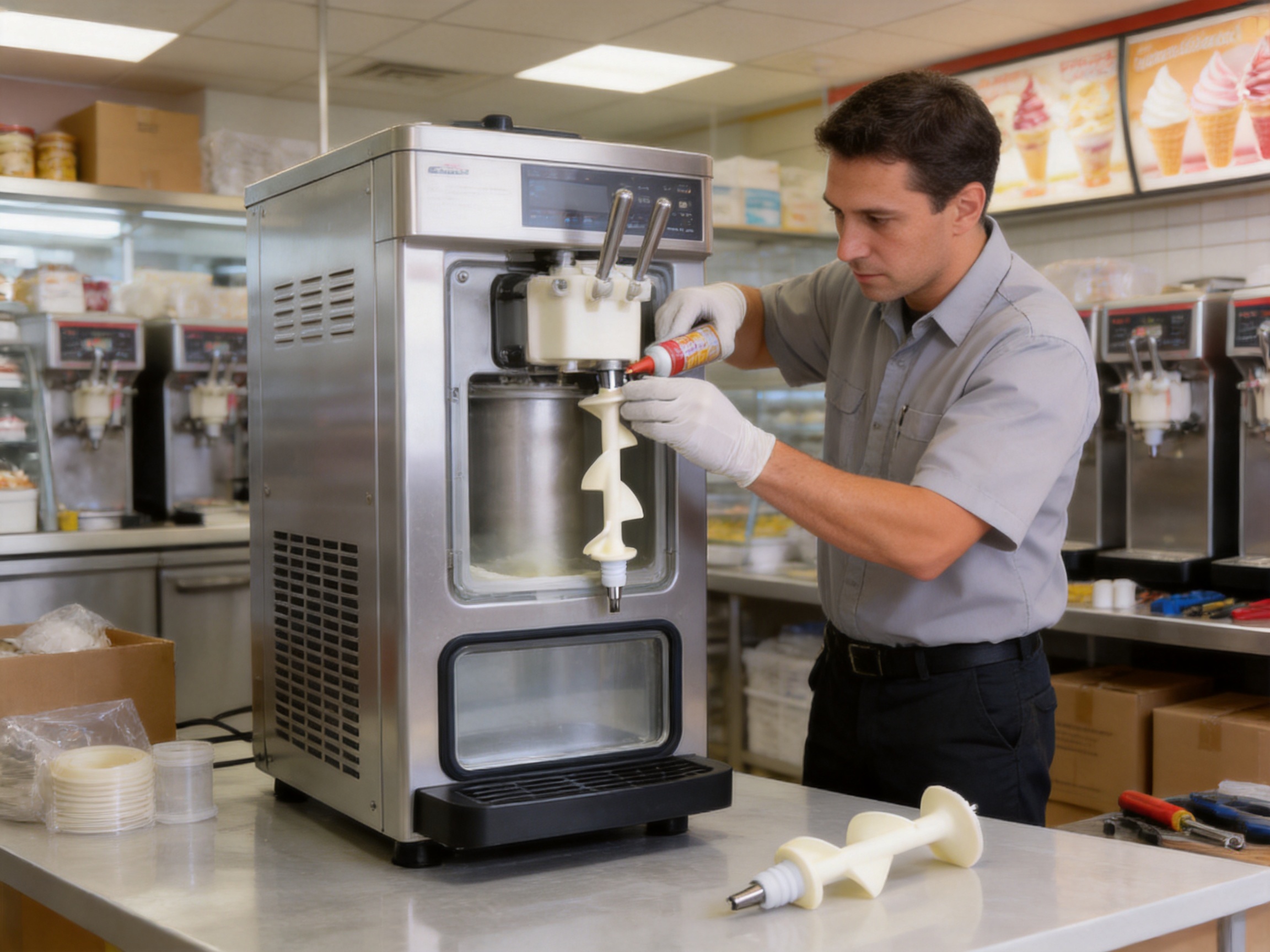
In a soft-serve ice cream machine, the beater assembly is one of the most important components involved in product consistency, freezing performance, and daily sanitation. Although it is often smaller and less visible than the compressor, freezing cylinder, or dispensing head, the beater directly interacts with the frozen mix during operation. It helps move the mix through the freezing cylinder, supports even heat transfer, reduces localized freezing, and contributes to the smooth texture expected from soft-serve products.
Plastic beater components designed for soft-serve machines provide a practical replacement and maintenance solution for foodservice operators, equipment distributors, service companies, and original equipment manufacturers. Produced from food-grade plastic, these components are intended to combine safe product contact, functional durability, convenient installation, and straightforward cleaning. They are suitable for businesses that need dependable replacement parts without replacing an entire soft-serve machine.
The product discussed in this article is a plastic beater component assembly for soft-serve machines. It is supplied as an optional component and spare part rather than as a standalone consumer product. Its value lies in helping maintain the operating condition of compatible soft-serve equipment. When correctly selected and installed, it can support uniform product texture, improve maintenance efficiency, and contribute to a cleaner production environment.
For equipment manufacturers and wholesalers, the component also represents an opportunity to develop reliable aftermarket support. A well-designed beater component can be incorporated into machine programs, service kits, replacement inventories, and customized equipment projects. With suitable model verification and engineering coordination, it can support different machine configurations and commercial applications.
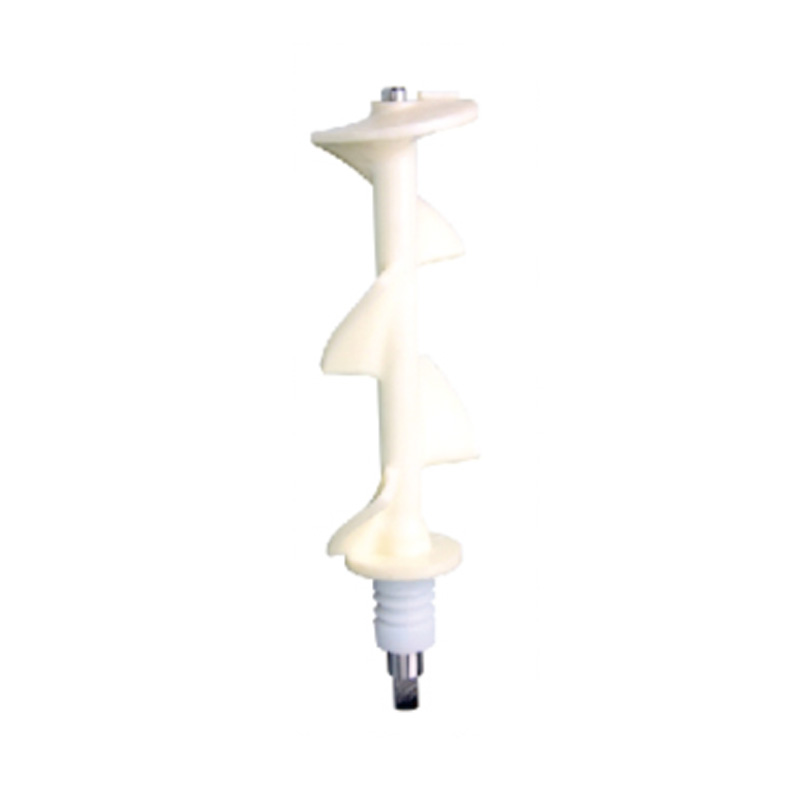
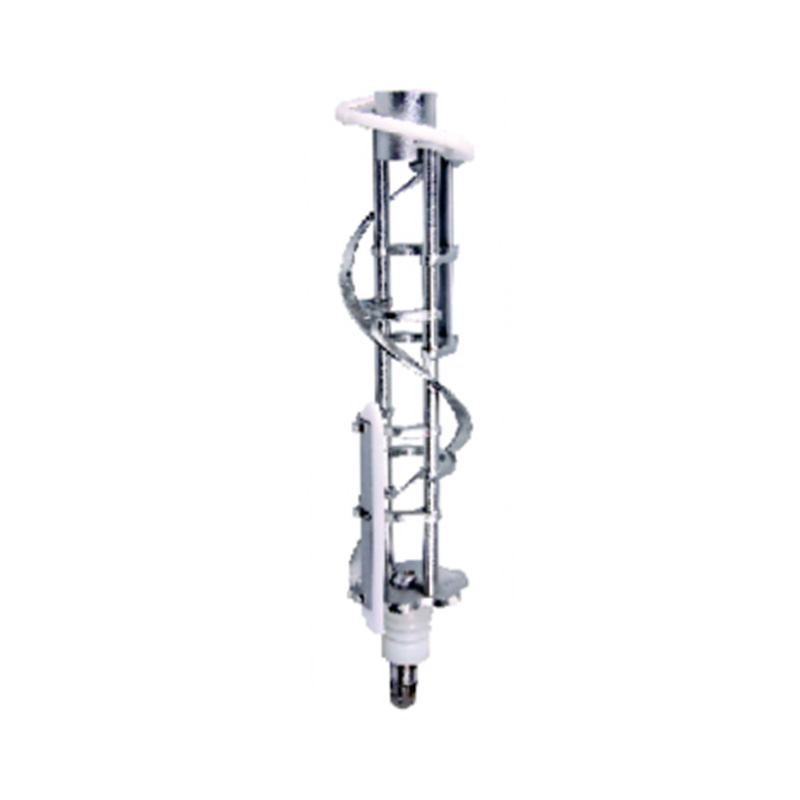
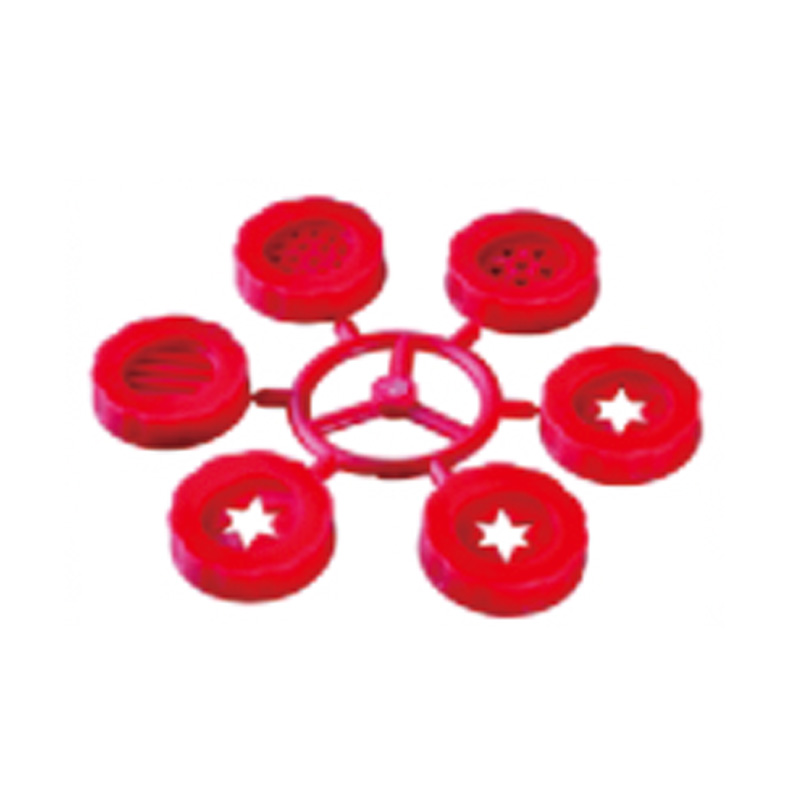
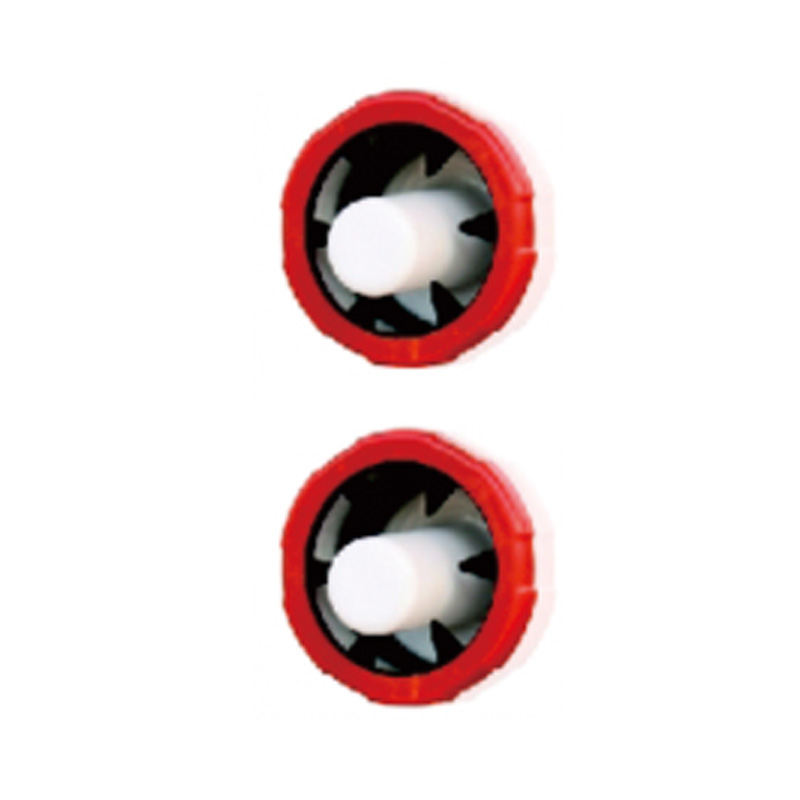
Plastic Beater Components for Soft-Serve Machine(Not sold separately)
What Is a Soft-Serve Plastic Beater Component?
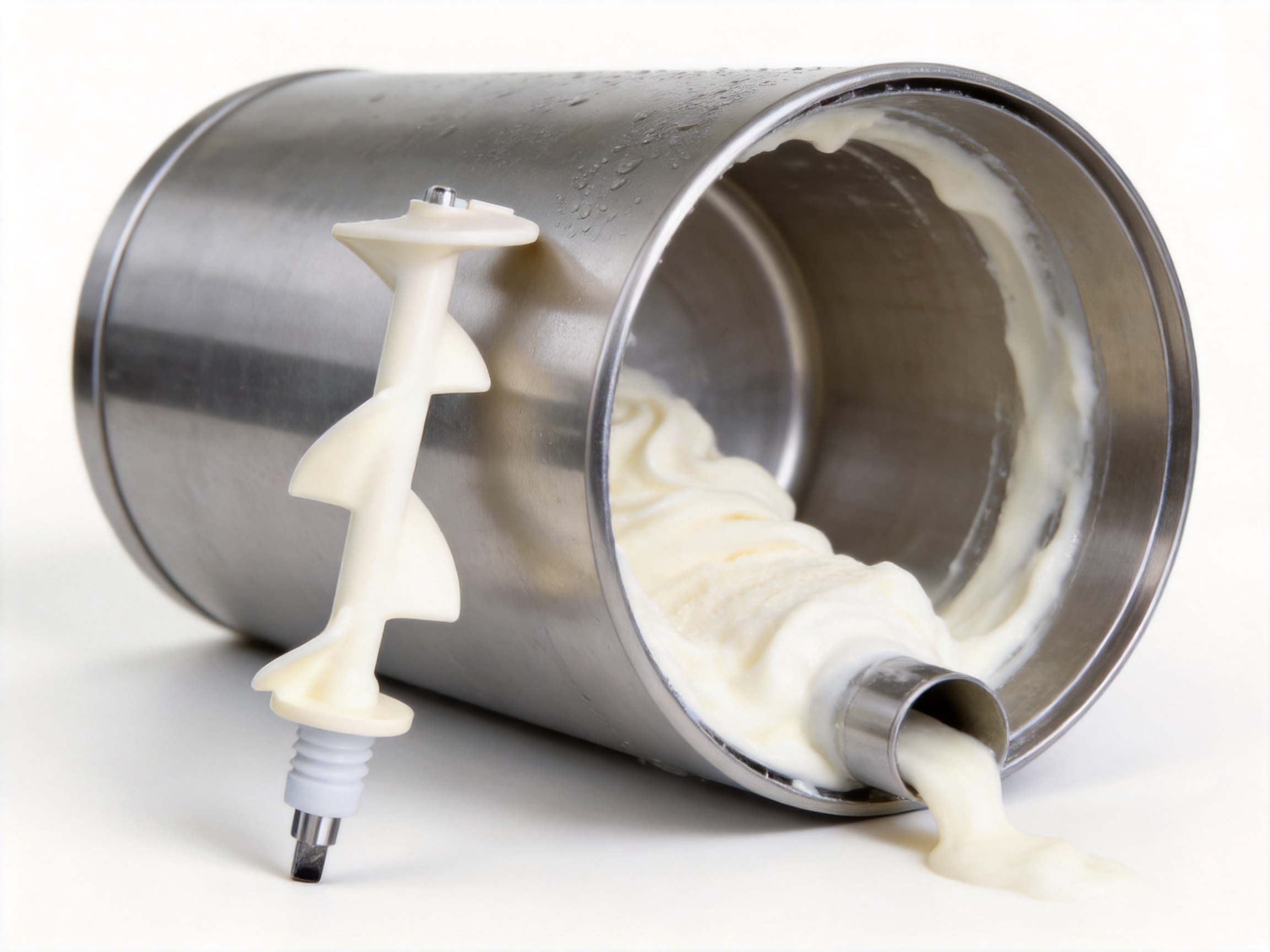
A soft-serve beater is the rotating assembly located inside the freezing cylinder of a soft-serve ice cream machine. During operation, the beater moves through the semi-frozen mix while the refrigeration system removes heat from the cylinder wall. This combined action helps distribute the mix, limit excessive freezing on the cylinder surface, and deliver a more consistent product toward the dispensing system.
The plastic beater component is made from food-grade plastic selected for use in a foodservice environment. Depending on the particular machine design, the assembly may include a central shaft interface, blades, paddles, scraping elements, and other molded or fitted parts. The exact geometry varies according to the machine model, cylinder size, drive system, product outlet, and required freezing characteristics.
Because the beater works inside the product zone, its design must balance several requirements. It needs to maintain adequate mechanical strength during repeated rotation, resist the conditions associated with frozen dessert mix, permit effective cleaning, and fit accurately within the freezing cylinder. It must also work with the machine’s drive system without causing unnecessary friction, vibration, or product interruption.
A plastic beater should not be viewed as a universal part simply because it resembles another beater visually. Small differences in shaft connection, blade diameter, overall length, scraper position, and outlet configuration can affect machine performance. For this reason, model verification is an important part of purchasing and installation. Customers should provide the machine model, existing component dimensions, photographs, or technical drawings when requesting compatibility confirmation.
Why the Beater Matters to Soft-Serve Quality
Soft-serve quality depends on the interaction of mix formulation, refrigeration capacity, air incorporation, cylinder design, dispensing pressure, and beater movement. The beater does not independently determine every aspect of the final product, but it plays a central mechanical role in the freezing process.
As the mix begins to freeze against the cooled cylinder wall, the beater helps move the partially frozen material away from the wall and back into the flowing product mass. This action helps reduce the formation of excessively hard frozen layers. It also supports a more even distribution of temperature throughout the cylinder. When the beater geometry and operating speed are properly matched to the machine, the product can develop a smoother and more uniform texture.
A properly functioning beater may also help reduce product stagnation inside the cylinder. Stagnant areas can contribute to uneven freezing, inconsistent dispensing, and more difficult cleaning. By maintaining movement through the product zone, the beater supports the machine’s intended production cycle.
The beater also influences how efficiently the frozen mix reaches the dispensing outlet. Its shape, clearance, and rotational action must work with the cylinder and front-door assembly. If the component is worn, incorrectly sized, or poorly aligned, the machine may experience unusual noise, inconsistent product flow, increased mechanical resistance, or a decline in serving quality.
For operators, this means that beater condition should be included in routine maintenance inspections. A component may appear usable from a distance while still showing wear around the scraper edge, shaft interface, or connection points. Replacing the beater at an appropriate service interval can help protect other machine components and maintain stable operation.
Advantages of Food-Grade Plastic Construction
Food-contact suitability
The use of food-grade plastic is one of the most important characteristics of the component. Materials used in the product zone should be selected with food-contact applications in mind and should be appropriate for the temperature, moisture, cleaning, and operating conditions encountered in soft-serve equipment.
Food-grade construction supports a cleaner product-contact environment when the component is correctly installed, cleaned, and maintained. It also gives equipment manufacturers and distributors a clear material specification when preparing product documentation, maintenance instructions, and replacement-part catalogs.
Lightweight handling
Compared with many metal alternatives, a plastic beater can be lighter and easier for service personnel to handle. Lower weight can simplify removal from the freezing cylinder, reduce strain during maintenance, and make the cleaning process more manageable for busy operators.
Lightweight construction can also benefit equipment assembly. Technicians can install or remove the component with less effort, especially when the machine is located in a compact commercial kitchen or under-counter service area. Easier handling does not eliminate the need for careful installation, but it can make routine service faster and more convenient.
Resistance to moisture and product exposure
Soft-serve machines operate in a wet environment. The beater may be exposed to dairy-based or non-dairy mixes, water, cleaning solutions, and repeated temperature changes. A suitable plastic material can provide useful resistance to moisture and common product exposure while maintaining a smooth, cleanable surface.
Material selection should always be matched to the intended application and cleaning procedure. Operators should follow the machine manufacturer’s approved sanitation instructions and avoid chemicals, temperatures, or tools that could damage the component. Proper maintenance is essential for protecting the surface and extending useful service life.
Low risk of corrosion
Plastic does not rust in the same way as conventional iron or unprotected steel. This can be an advantage in a product zone that is frequently exposed to water and cleaning operations. Reduced corrosion concerns may help simplify inspection and support a cleaner appearance over the service life of the component.
However, corrosion resistance does not mean that the component can be neglected. Cracks, deformation, surface damage, excessive wear, or changes around the connection area should still be treated as reasons for replacement. A hygienic component must remain structurally sound and easy to clean.
Convenient cleaning and disassembly
The plastic agitator or beater assembly is designed to support practical disassembly and cleaning. In commercial foodservice, sanitation procedures must be repeated frequently, often at the end of every operating day or according to the equipment’s approved schedule. Components that can be removed, washed, inspected, and reinstalled efficiently help reduce the time required for routine maintenance.
Easy disassembly also supports visual inspection. Operators can check for product residue, wear, cracks, damaged edges, or unusual discoloration. Regular inspection can identify a developing problem before it affects product quality or causes a more serious equipment failure.
Performance Benefits Compared with Generic Replacement Parts
Many replacement parts may appear similar, but performance depends on dimensional accuracy, material selection, surface quality, and compatibility with the complete machine system. A properly engineered plastic beater component offers several potential advantages over generic parts that have not been matched to the intended application.
More reliable dimensional matching
The internal clearance between a beater and a freezing cylinder is important. If a component is too large, it may create excessive friction or fail to rotate correctly. If it is too small, it may not move the mix effectively and can permit excessive frozen buildup on the cylinder wall. Accurate manufacturing helps the replacement part operate within the intended dimensional range.
Dimensional matching also applies to the front and rear connection points. A beater must engage correctly with the drive mechanism and remain properly positioned during rotation. A replacement part that fits only partially may produce vibration, uneven wear, or unnecessary stress on the drive components.
Consistent product movement
Blade and paddle geometry influences the movement of the mix. A consistent molded shape supports repeatable product flow from one unit to another. This is particularly important for operators managing multiple machines or distributors supporting a standard equipment model across different locations.
Consistent movement can help the machine deliver a more predictable soft-serve texture, provided that the mix, refrigeration system, machine settings, and other components are also working correctly. The beater is one part of an integrated system, but its geometry must be stable to support repeatable operation.
Reduced maintenance uncertainty
Using a component from an experienced commercial equipment supplier can reduce uncertainty during maintenance planning. Clear product identification, model verification, technical communication, and replacement support help service teams avoid ordering parts that look similar but do not match the machine.
For wholesalers and equipment dealers, reliable component sourcing can also reduce customer complaints caused by poor fit or premature wear. Maintaining a controlled spare-parts program allows service personnel to respond more quickly when an operator needs a replacement.
Better suitability for repeated commercial use
Commercial soft-serve machines may operate for long hours in restaurants, dessert shops, convenience stores, cafeterias, hotels, and other foodservice locations. A beater component intended for commercial equipment should be selected with repeated use in mind rather than occasional household operation.
The suitable service life depends on machine workload, product formulation, cleaning procedures, operating temperature, installation accuracy, and maintenance frequency. Nevertheless, a purpose-designed component provides a stronger basis for commercial use than an unverified substitute.
Manufacturing Process and Quality Considerations
The quality of a plastic beater begins before molding. Product development should start with an understanding of the freezing cylinder, drive system, product path, operating load, cleaning process, and required service procedure. Engineering teams can use machine drawings, existing samples, dimensional measurements, or customer requirements to establish the component design.
Design and engineering review
During design review, the supplier evaluates the component’s overall dimensions, connection structure, blade arrangement, material requirements, and relationship with neighboring parts. The design must provide sufficient clearance inside the cylinder while preserving effective product movement.
Engineering review may also consider the expected rotational speed, drive torque, product viscosity, operating temperature, and the possibility of repeated disassembly. These factors influence the shape and thickness of the molded sections, as well as the design of any connection or reinforcement areas.
For OEM and ODM projects, the design process can be based on customer drawings, physical samples, machine specifications, or performance requirements. This allows the component to be developed for a new machine program or adapted for a replacement-parts portfolio.
Material preparation
Material preparation is critical for molded foodservice components. The selected food-grade plastic must be suitable for the expected mechanical and environmental conditions. The material should be processed according to appropriate manufacturing parameters so that the finished part achieves stable shape, adequate strength, and a surface suitable for cleaning.
Material handling also affects production consistency. Proper storage and preparation help reduce the risk of contamination, moisture-related processing issues, and variation between production batches. For food-contact components, manufacturing discipline should extend beyond the final inspection and include the complete production process.
Precision molding
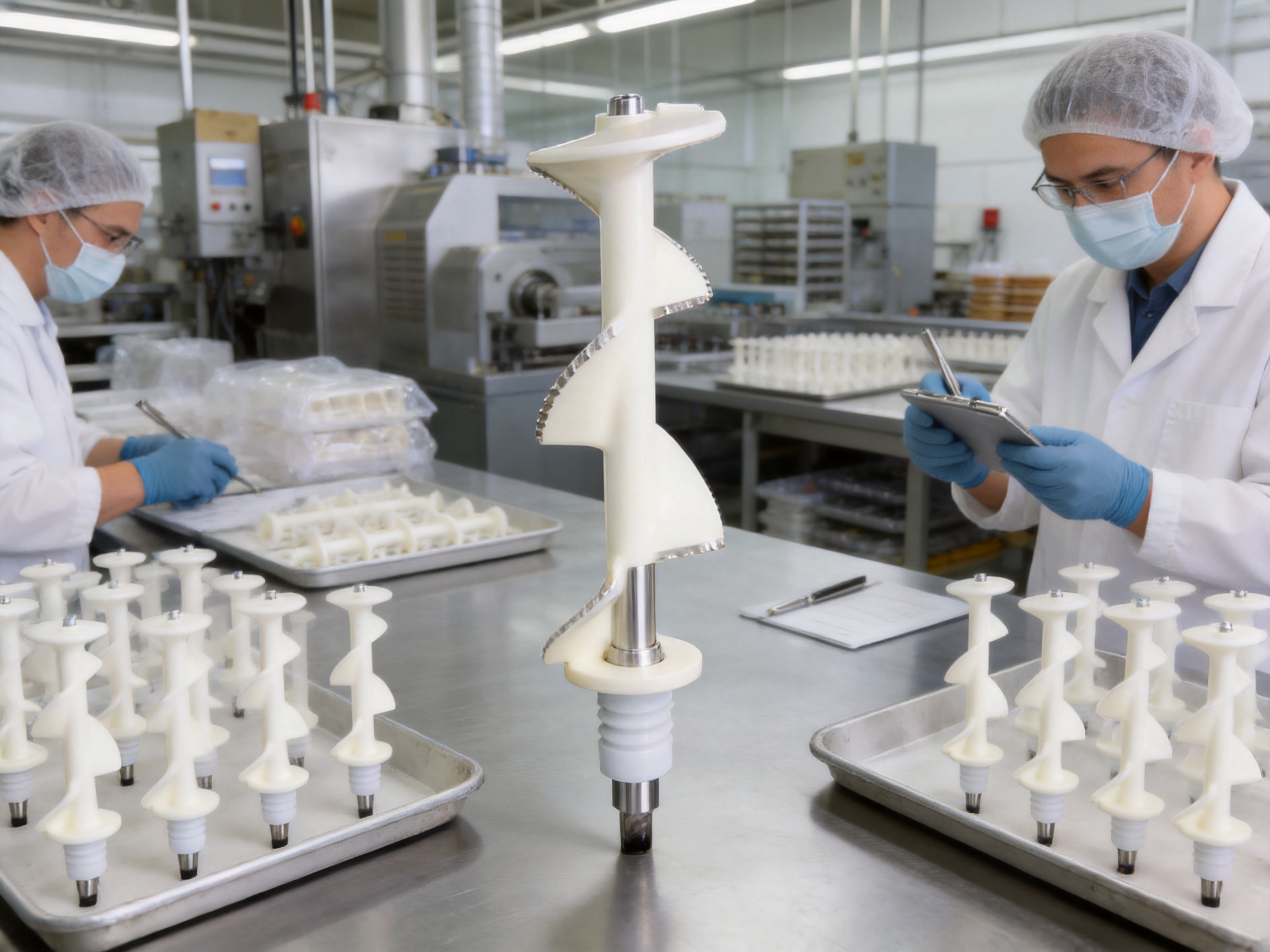
Plastic beater components are commonly produced through controlled molding processes. During molding, the plastic material is formed inside a tool designed to reproduce the required geometry. The tool must be developed with attention to wall thickness, corners, connection areas, dimensional stability, and surface finish.
A well-maintained mold supports repeatable production. It helps ensure that blade profiles, shaft interfaces, and outer dimensions remain consistent across multiple batches. Consistency is particularly valuable for spare parts because customers expect a replacement to fit the same machine without requiring additional modification.
Process control may include monitoring material temperature, injection or forming conditions, cooling behavior, cycle time, and part ejection. Stable control helps reduce defects such as warping, incomplete filling, sink marks, flash, surface damage, or dimensional changes.
Post-molding inspection
After molding, components should be checked for visible and functional quality. Inspection may include appearance, dimensional verification, connection fit, surface smoothness, blade integrity, and freedom from sharp edges or molding residue. Parts that do not meet the required standard should be separated before packing.
For OEM customers, inspection requirements can be aligned with approved drawings and quality agreements. Product identification, production records, packaging specifications, and sampling procedures can also be established for repeated orders.
Assembly and final verification
If the product includes multiple plastic or supporting elements, assembly must be completed carefully. The finished beater should be checked to confirm that all parts are secure, correctly oriented, and ready for installation. The final inspection should also confirm that the component is clean and properly protected for shipment.
Where appropriate, suppliers may perform fit checks using a corresponding machine assembly or a dedicated inspection fixture. These checks help identify dimensional issues before products leave the factory. Such procedures are especially useful when producing parts for different machine models with similar but non-identical configurations.
Protective packaging
Packaging should protect the beater from deformation, impact, dust, and contamination during storage and transport. Plastic components can be damaged if heavy items are placed on top of them or if connection areas are exposed to impact. Appropriate packaging helps preserve the component’s shape and surface condition until it reaches the customer.
For distributors, packaging can also include product labels, model references, batch information, installation guidance, or customized branding according to the order requirements. Clear identification reduces the risk of mixing similar replacement parts in a warehouse.
Manufacturing Strengths of an Integrated Foodservice Equipment Factory
A supplier with experience in commercial refrigeration and foodservice equipment can provide more than an individual spare part. Its understanding of complete machines helps it evaluate how the beater operates within the freezing cylinder, drive assembly, dispensing structure, and sanitation routine.
Spelor Electrical Appliances (Zhejiang) Co., Ltd. is a professional manufacturer integrating design, research and development, manufacturing, sales, and service. The company operates more than 60,000 square meters of modern production facilities and produces equipment for commercial refrigeration, kitchens, buffet service, and related foodservice applications.
Its product range includes ice cream machines, juice dispensers, fried ice cream machines, refrigeration cabinets, slush machines, flake ice machines, cooking equipment, griddles, fryers, insulation products, barbecue equipment, and buffet solutions. This broad product background is relevant to spare-part development because many components must be evaluated as part of a complete machine system rather than as isolated objects.
An integrated factory structure can support communication between product engineers, production teams, quality personnel, sales staff, and after-sales service specialists. This is useful when a customer needs a replacement component for an existing machine, a customized part for a new model, or a more efficient spare-parts supply program.
The company’s user-oriented and quality-driven approach is designed to support customers in snack shops, fast-food chains, bars, supermarkets, institutions, and other foodservice environments. These applications require equipment and components that can be maintained efficiently and used consistently under commercial operating conditions.
For international buyers, factory support may include pre-sales consultation, product customization, flexible logistics and payment solutions, and after-sales maintenance assistance. These services can be important when the buyer is sourcing not only a beater component but also a complete soft-serve machine program or a wider equipment portfolio.
Comparison with Metal and Low-Quality Plastic Alternatives
Different materials can be used in rotating food equipment, but the best choice depends on the design and operating requirements of the machine. Plastic and metal should not be compared only by general strength. The comparison should include food-contact suitability, weight, corrosion behavior, cleaning, noise, friction, manufacturing precision, and compatibility with the freezing cylinder.
| Evaluation factor | Food-grade plastic beater component | Metal replacement component | Unverified low-quality plastic part |
|---|---|---|---|
| Weight | Generally lightweight and convenient to handle | Often heavier, depending on construction | May be lightweight but can lack structural consistency |
| Corrosion considerations | Not subject to conventional metal rusting | Depends on metal type, coating, and maintenance | Usually resistant to rust but may degrade for other reasons |
| Food-contact planning | Can be specified with food-grade material | Requires suitable grade, finish, and protection | Material status may be unclear without documentation |
| Cleaning convenience | Designed for easy disassembly and cleaning | May be heavier or more difficult to handle | Surface and geometry may be difficult to inspect |
| Machine compatibility | Can be molded to the intended dimensions | May require different clearances and drive conditions | Fit and dimensional stability may be uncertain |
| Noise and contact behavior | May offer suitable low-weight contact characteristics | Can create different friction and noise conditions | May wear or deform unpredictably |
| OEM and ODM flexibility | Suitable for customized molded designs | May require different tooling and finishing processes | Customization capability may be limited |
This comparison does not mean that every plastic component is superior to every metal component. A specific application may require a metal shaft, reinforcement, or hybrid construction. The important point is that a properly engineered food-grade plastic beater can provide a strong combination of hygiene, handling convenience, compatibility, and cost efficiency for suitable soft-serve machine designs.
Compared with low-quality plastic parts, a controlled foodservice component offers greater confidence in material selection, geometry, production consistency, and technical support. In commercial equipment, a low purchase price can become expensive if the part causes downtime, poor product quality, difficult cleaning, or damage to adjacent components.
Installation and Maintenance Guidance
Before installing a replacement beater, turn off the machine and follow the equipment manufacturer’s safety procedure. Disconnect power when required, release product pressure, and ensure that the freezing cylinder is empty and ready for service. Operators should never attempt to remove a rotating component while the machine is operating.
Clean and inspect the freezing cylinder before installation. Product residue, hardened mix, or foreign particles can interfere with the beater’s movement and may cause premature wear. The cylinder should be checked for scratches, abnormal wear, or damage that could affect the replacement component.
Verify the part before installation. Compare the replacement beater with the removed component or the approved machine drawing. Check the overall length, outer diameter, blade arrangement, connection point, and orientation. If the component does not fit naturally, do not force it into position. Contact the supplier or service provider for clarification.
Follow the approved lubrication procedure for the machine. Some soft-serve machines require food-grade lubricant on designated seals or connection areas, while other surfaces should remain dry. Excess lubricant in the product zone can create contamination concerns or interfere with operation. Use only products approved for the specific equipment.
After installation, rotate or position the assembly according to the machine instructions and confirm that it engages correctly with the drive mechanism. Check for free movement before starting the refrigeration system. Once the machine is operating, listen for unusual noise and observe the product flow during the first production cycle.
Routine maintenance should include cleaning after the required operating interval, inspection of the scraper or blade surfaces, examination of the shaft connection, and checking for cracks or deformation. Replace the component if it shows structural damage, excessive wear, a loose connection, or any condition that could compromise hygiene or machine performance.
Cleaning and Hygiene Practices
Soft-serve equipment requires disciplined sanitation because residual mix can support microbial growth if the machine is not cleaned correctly. The beater should be removed according to the equipment procedure and washed using approved cleaning materials and water temperatures.
Use a soft brush or suitable cleaning tool to reach edges, grooves, connection areas, and other locations where product may accumulate. Avoid sharp tools that could scratch the plastic surface. Scratches may make future cleaning more difficult and can create areas where residue remains.
Rinse away all cleaning chemical residue according to the approved sanitation instructions. If sanitizing is required, use the correct concentration and contact time specified by the equipment or chemical supplier. Do not combine cleaning agents unless the instructions specifically permit it.
Allow the component to drain and dry as required before reassembly. Proper drying helps prevent dilution of the mix and supports a cleaner storage condition. Store the beater in a clean, protected location if the machine will remain out of service.
Operators should not use abrasive powders, aggressive solvents, uncontrolled high heat, or unauthorized chemical treatments on the plastic component. Such practices may damage the surface, alter dimensions, or reduce the useful life of the part.
Compatibility and Purchasing Checklist
Compatibility is the first purchasing consideration. Buyers should provide the soft-serve machine brand, model, serial number when available, freezing cylinder dimensions, existing beater photographs, and any available technical drawing. The more information provided, the easier it is for the supplier to confirm the correct configuration.
Customers should also clarify whether they need a complete beater assembly, a specific plastic element, or a replacement kit containing related seals and accessories. The product described here is an optional component and spare part and is not sold as a complete soft-serve machine.
Material requirements should be discussed before ordering. Buyers may need food-grade material documentation, a specified color, a particular surface finish, or a defined cleaning compatibility requirement. These details should be confirmed during the quotation and technical approval process.
Order quantity is another important consideration. A restaurant operator may need only a small maintenance quantity, while a distributor or OEM customer may require repeated production batches. Volume, tooling, packaging, sampling, and lead-time expectations should be discussed with the factory in advance.
Packaging and labeling requirements should be clarified for export shipments. Buyers may request individual packaging, carton identification, barcode labels, private-label information, instruction sheets, or model-specific inventory coding.
Finally, customers should define after-sales expectations. Technical assistance, replacement procedures, warranty terms, inspection documentation, and communication channels are all useful when the component will support equipment installed in multiple markets.
OEM and ODM Opportunities
The plastic beater component is suitable for OEM and ODM discussions because its geometry can be developed around a customer’s machine design or service requirements. An OEM customer may provide an approved drawing and request production under an existing equipment program. An ODM customer may require assistance with design adaptation, material selection, tooling, packaging, and integration into a new machine.
Customized development may include changes to the beater length, blade configuration, connection interface, material color, surface treatment, or packaging format. Any change should be evaluated against the freezing cylinder, drive system, mix flow, cleaning procedure, and product-contact requirements.
A professional factory can help organize the development process from initial specification to sample approval and mass production. Typical stages may include technical consultation, drawing review, prototype or sample development, fit verification, quality confirmation, tooling arrangement, production planning, and final inspection.
For equipment brands and distributors, a customized spare part can help create a more complete product offering. Instead of treating maintenance as an afterthought, the supplier can build a planned replacement-parts structure around the machine. This may improve customer support, simplify inventory, and contribute to long-term equipment reliability.
OEM and ODM cooperation also allows customers to coordinate the beater with other machine components. For example, the component can be reviewed together with seals, scraper elements, front-door parts, dispensing valves, and control settings. Integrated development can reduce the risk of selecting a part that works individually but does not perform well within the complete machine.
Applications in Commercial Foodservice
Plastic beater components can support a wide range of soft-serve applications. In snack shops and dessert stores, the component helps maintain the condition of machines used for cones, cups, sundaes, and other frozen dessert servings. In fast-food restaurants, an easily maintained spare part can help reduce disruption during busy service periods.
Bars, cafés, hotels, convenience stores, supermarkets, and institutional dining operations may also use soft-serve equipment. Each location has different production volumes and maintenance routines, but all benefit from components that are identifiable, cleanable, and available through a dependable supply chain.
Service companies can keep the component in stock for planned maintenance and emergency replacement. Equipment distributors can include it in spare-parts catalogs or machine packages. OEM customers can specify it as part of a complete soft-serve equipment platform.
Because the product is not sold separately as a complete machine, it should be positioned as a maintenance and equipment-support component. Its commercial value comes from helping a compatible machine continue to operate safely, consistently, and efficiently.
How the Component Supports Total Cost Management
The purchase price of a spare part is only one part of its total cost. A low-cost component may become expensive if it causes repeated service calls, poor texture, production waste, or unexpected downtime. Conversely, a correctly designed component can support cost management by simplifying installation, cleaning, and routine replacement.
Lightweight handling may reduce service labor. Easy disassembly may shorten cleaning time. Consistent dimensions may reduce installation adjustments. Food-grade construction may support sanitation routines. Reliable supply may reduce the need to keep multiple uncertain alternatives in inventory.
For distributors and operators, these benefits are especially important when several machines are installed across different locations. Standardized spare parts can simplify training and maintenance documentation. A factory that can provide both equipment and related components may also help customers coordinate orders and reduce procurement complexity.
Long-term value depends on correct use. The beater must be compatible with the machine, installed correctly, cleaned according to instructions, and replaced when worn. No component can compensate for an overloaded machine, unsuitable mix, inadequate refrigeration, or poor sanitation practices.
Common Problems Caused by Incorrect Beater Selection
An incorrectly selected beater may fail to engage with the drive system. This can result in rotation problems, vibration, unusual noise, or inability to start the machine. Forcing the part into position can damage the connection or the machine’s drive components.
A beater with incorrect external dimensions may create excessive contact with the freezing cylinder. Excessive contact can increase friction and heat, place additional load on the motor, and accelerate wear. A part that is too small may not move the mix effectively and may allow uneven frozen buildup.
Incorrect blade geometry can affect product movement and dispensing behavior. Operators may notice inconsistent texture, poor product flow, or irregular freezing. Such symptoms should be investigated together with mix concentration, temperature settings, seals, refrigeration performance, and other relevant factors.
Unverified plastic material can also create hygiene and durability concerns. The material may become brittle, deform under operating conditions, absorb residue, or react poorly to cleaning chemicals. Buyers should request suitable technical information when food-contact performance is important to the application.
These risks demonstrate why the replacement process should be treated as a technical purchasing decision rather than a simple visual comparison. The correct component is the one that matches the machine design, material requirements, operating conditions, and maintenance procedure.
Quality and Service Approach
A dependable component supplier should provide clear communication before, during, and after the order. Before production, the supplier should confirm the specification, compatibility information, quantity, packaging, and delivery requirements. During production, the factory should maintain process control and inspection procedures appropriate to the component.
After delivery, technical support can help customers resolve installation questions, confirm maintenance procedures, and identify the correct replacement configuration for future orders. For international foodservice customers, responsive communication is particularly valuable because the equipment may be operating far from the factory.
Spelor’s manufacturing and service structure is intended to support customers through pre-sales consultation, customization, logistics coordination, payment solutions, and after-sales maintenance. Its broader product portfolio allows it to understand the requirements of commercial refrigeration and foodservice equipment across different application environments.
The company’s location in Linhai City, Zhejiang Province, China, provides a base for manufacturing and international supply. Customers can contact the factory for product confirmation, OEM or ODM discussions, spare-parts requirements, and related commercial equipment needs.
Questions and Answers
Is this plastic beater component a complete soft-serve machine?
No. It is an optional component and spare part intended for use with compatible soft-serve ice cream machines. It does not include the complete refrigeration system, cabinet, control system, dispensing head, or other equipment required for a complete machine.
Is the component sold separately?
The product is identified as not sold separately. Buyers should discuss the required order arrangement with the supplier and confirm whether it is available as part of a machine package, maintenance kit, OEM program, or approved spare-parts order.
Is the plastic suitable for foodservice applications?
The component is described as being made from food-grade plastic for use in soft-serve machine applications. Customers with specific regulatory or documentation requirements should confirm the applicable material information and compliance documents with the supplier before ordering.
Can the component fit every soft-serve machine?
No. Compatibility depends on the machine model, freezing cylinder dimensions, drive connection, beater geometry, and other design factors. Customers should provide complete model information or technical measurements so that the correct configuration can be confirmed.
What are the main benefits of the plastic construction?
The principal benefits include food-contact suitability, lightweight handling, resistance to conventional metal corrosion, convenient disassembly, and practical cleaning. The component can also be molded to match the dimensions and geometry required by a compatible machine.
How does the beater affect soft-serve texture?
The beater helps move the mix through the freezing cylinder, distribute partially frozen product, and reduce localized freezing. When the component is correctly matched to the machine and other systems are functioning properly, this action can support a smoother and more uniform product texture.
How often should the beater be replaced?
Replacement timing depends on operating hours, product formulation, cleaning frequency, machine design, and visible wear. The component should be inspected regularly and replaced if it develops cracks, deformation, excessive wear, a loose connection, or any condition that may affect hygiene or safe operation.
Can the factory produce customized beaters?
OEM and ODM cooperation may be available for customized designs, dimensions, materials, colors, packaging, and machine configurations. Customers should provide drawings, samples, specifications, or technical requirements for evaluation.
Can a damaged beater cause machine noise?
Yes. A damaged, incorrectly fitted, worn, or deformed beater may contribute to abnormal noise or vibration. However, noise can also result from drive components, bearings, seals, product buildup, or other machine problems. A qualified technician should inspect the complete system.
What information should be included in an inquiry?
An inquiry should include the machine model, quantity, application, existing component photographs, dimensions, drawings if available, material requirements, packaging expectations, destination market, and any OEM or ODM requirements. This information helps the supplier provide a more accurate technical response.
Conclusion
The plastic beater component is a small but essential part of a soft-serve machine’s product-handling system. Its role in moving frozen mix, supporting even freezing, and contributing to uniform texture makes it important to machine performance. Food-grade plastic construction offers practical advantages in handling, cleaning, corrosion resistance, and molded design flexibility.
Compared with generic or unverified alternatives, a properly engineered component provides greater confidence in dimensions, compatibility, material selection, and commercial usability. Its performance depends on correct matching with the freezing cylinder and drive system, as well as proper installation, sanitation, inspection, and replacement.
For foodservice operators, distributors, maintenance companies, and equipment manufacturers, the component can support a more organized spare-parts strategy. It may help reduce maintenance uncertainty, protect machine operation, and improve the consistency of soft-serve production.
Spelor Electrical Appliances (Zhejiang) Co., Ltd. combines equipment design, research and development, manufacturing, sales, and service within an established commercial foodservice equipment business. Its modern production facilities, broad equipment portfolio, OEM and ODM capabilities, and customer-support approach provide a foundation for supplying plastic beater components and other specialized parts for commercial applications.
Customers seeking a suitable replacement or customized solution should verify compatibility before ordering and communicate their technical requirements clearly. With accurate specification and responsible maintenance, a food-grade plastic beater component can provide an economical, hygienic, and practical contribution to the reliable operation of compatible soft-serve machines.
References
1. Commercial soft-serve machine operating and maintenance principles, including freezing-cylinder, beater, dispensing, and sanitation considerations.
2. General foodservice equipment hygiene practices for removable food-contact components.
3. General principles of food-grade polymer selection for commercial food equipment applications.
4. General plastic injection molding practices, including tooling, dimensional control, cooling, inspection, and packaging.
5. Equipment maintenance principles for rotating components used in commercial refrigeration and frozen dessert systems.
6. Product information supplied for the food-grade plastic beater component assembly for compatible soft-serve machines.
7. Manufacturer information supplied for commercial refrigeration, kitchen, buffet, and foodservice equipment production, OEM, ODM, and after-sales support.
8. General procurement guidelines for replacement parts, technical verification, spare-parts inventory, and international foodservice equipment supply.
Product: Plastic Beater Components for Soft-Serve Machine(Not sold separately)

For exclusive deals and latest offers, sign up by entering your email address below.


-
spelor@spelor.com
-
+86-576-85229688
-
No.528, Changxi Road, Linhai City, Zhejiang Province, China
Commercial Refrigeration Equipment Manufacturer China
Copyright © 2025 by Spelor Electrical Appliances (Zhejiang) Co., Ltd. Rights Reserved.
