


 中文简体
High-Capacity Three-Flavor Soft Serve Ice Cream Machine for Professional Foodservice
Admin 2026-10-13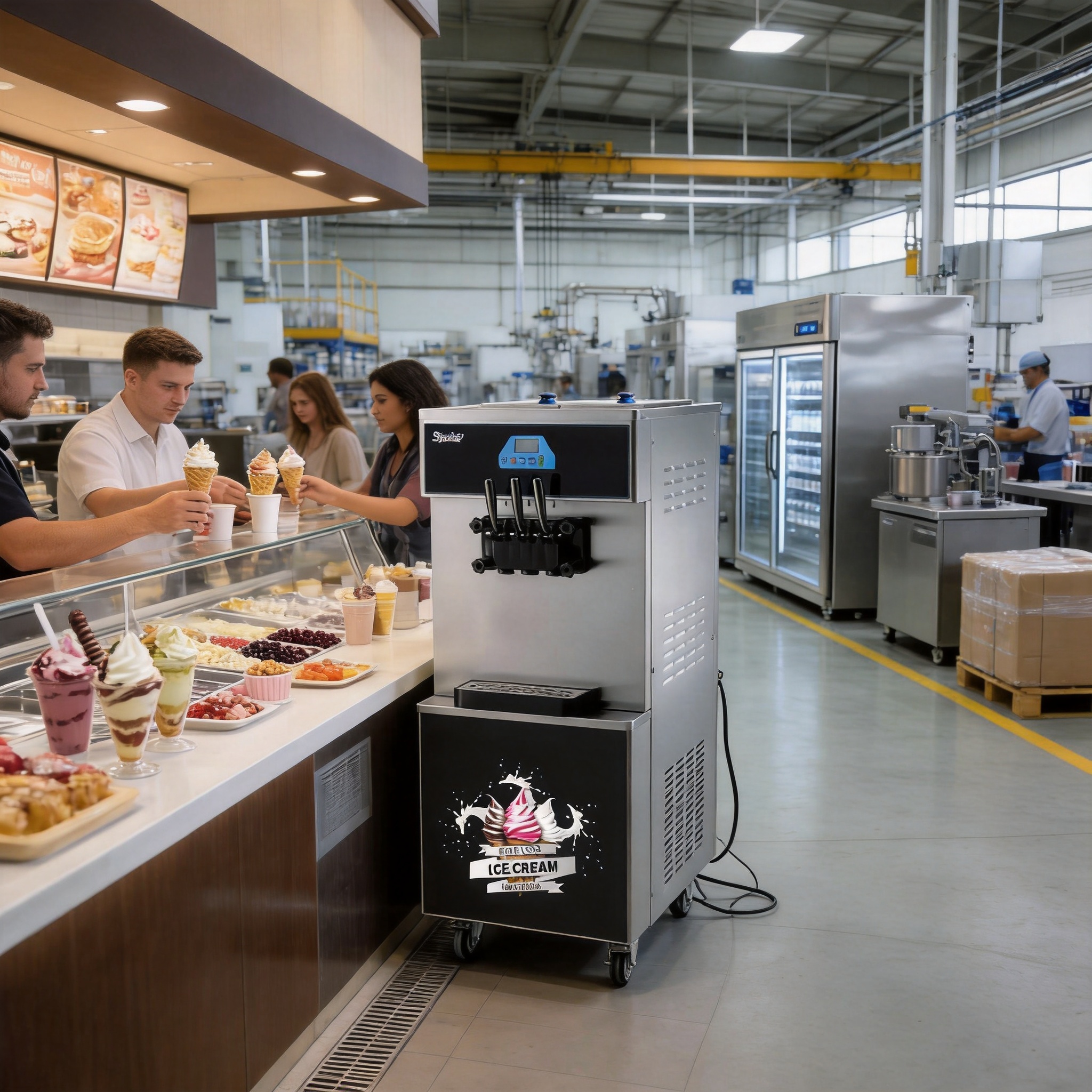
Soft serve ice cream has become an important revenue-generating product for bakeries, dessert shops, cafés, restaurants, snack bars, fast-food outlets, and other commercial foodservice businesses. Customers value soft serve because it is fresh, visually appealing, easy to customize, and suitable for many serving formats. Operators value it because a well-managed machine can produce multiple flavors quickly while supporting cones, cups, sundaes, milkshake combinations, fruit desserts, and promotional menu items.
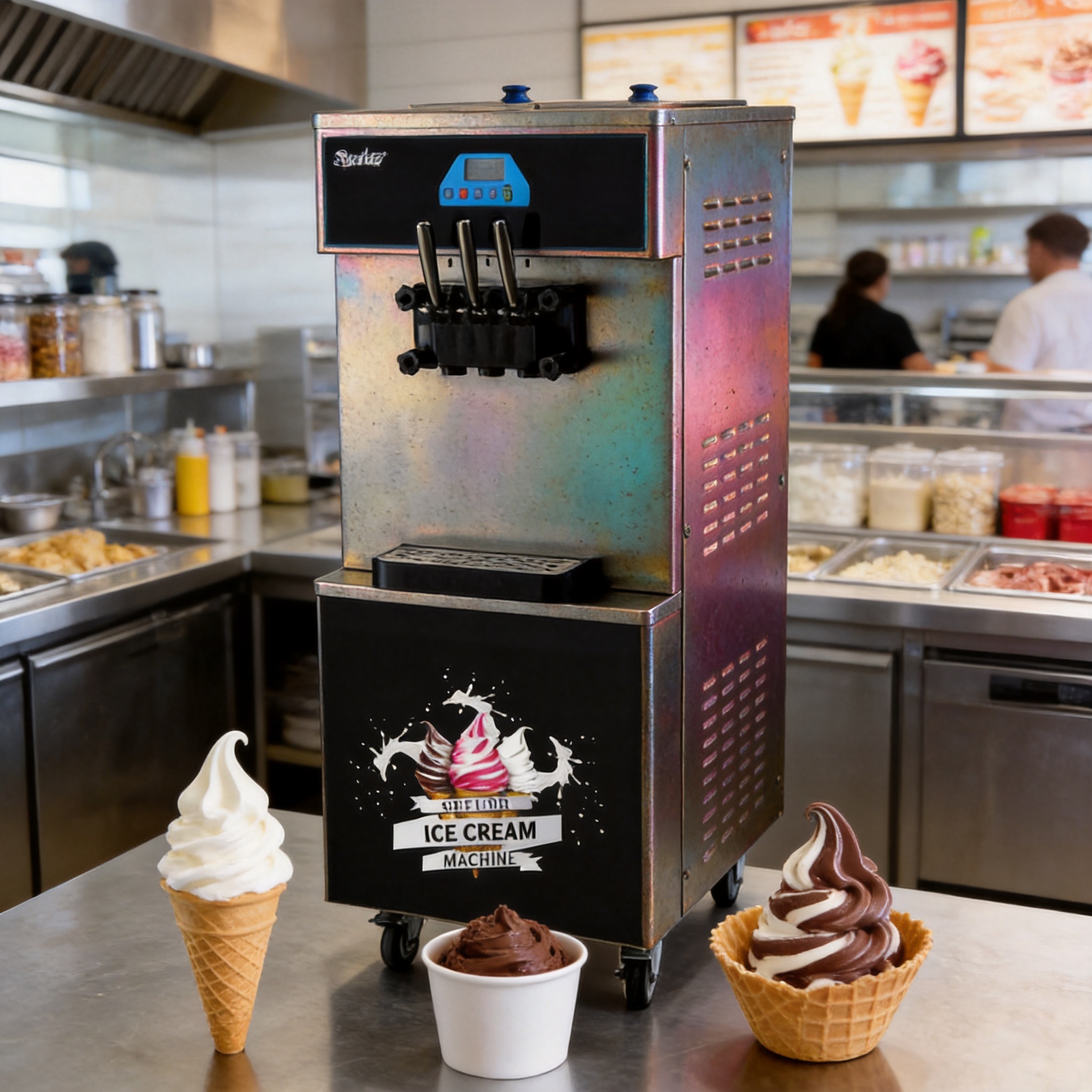
The BQL-830C is a commercial soft serve ice cream machine designed for businesses that require high output, stable refrigeration, convenient control, and a professional appearance. It combines a large-capacity Tecumseh compressor, a three-flavor dispensing configuration, stainless-steel food-contact construction, LCD operation, self-cleaning functionality, and pre-cooling capability. With a stated production capacity of 30–35 liters per hour, it is positioned for bakeries, medium-sized and large restaurants, dessert stores, and other locations that must serve customers efficiently during busy periods.
Unlike small countertop machines intended for occasional use, this floor-standing model is developed for continuous commercial operation. Its design focuses on production volume, temperature stability, hygiene, service convenience, and long-term usability. The machine also benefits from the manufacturing capabilities of Spelor Electrical Appliances (Zhejiang) Co., Ltd., a professional producer of commercial refrigeration, kitchen, buffet, ice-making, and frozen dessert equipment.
Product Overview
The BQL-830C provides a practical solution for foodservice operators seeking to add or expand a soft serve program. Its relatively compact footprint allows it to fit into professional kitchens, bakery production areas, front-of-house dessert counters, and self-service zones without requiring the space associated with several individual machines. At the same time, its vertical floor-standing structure provides room for larger internal refrigeration and mix storage components than are typically available in lightweight countertop equipment.
The machine is specified with a production capacity of 30–35 liters per hour. Actual output can vary according to mix formulation, ambient temperature, serving size, draw frequency, machine settings, and operator practices. Nevertheless, this rated range gives operators a useful planning reference when estimating peak-period production and daily sales potential.
The unit includes two 10-liter hoppers and two 2-liter freezing tanks. This configuration provides substantial mix storage and supports continuous production without frequent refilling. The three-flavor dispensing arrangement gives businesses additional menu flexibility. Depending on the selected dispensing setup, operators can offer separate flavors and a combined or mixed serving option, helping them create a broader menu from a single machine.
A 2,650-watt input power rating supports the refrigeration and freezing system required for high-capacity commercial operation. The machine weighs approximately 142 kilograms and measures 565 × 640 × 1,470 millimeters. These dimensions should be considered during site planning, including clearance for ventilation, cleaning, service access, and movement through doors or corridors.
| Product Feature | Specification or Benefit |
| Model | BQL-830C |
| Product type | Commercial soft serve ice cream machine |
| Flavor configuration | Three-flavor dispensing capability |
| Production capacity | 30–35 liters per hour |
| Hopper capacity | 2 × 10 liters |
| Freezing tank capacity | 2 × 2 liters |
| Input power | 2,650 watts |
| Compressor | Tecumseh compressor |
| Refrigerant | R404 |
| Net weight | 142 kilograms |
| Machine dimensions | 565 × 640 × 1,470 millimeters |
| Control system | LCD panel |
| Cleaning function | Self-cleaning function |
| Freshness support | Pre-cooling function designed to help keep mix fresh for up to one week, subject to proper operating conditions |
Three-Flavor Capability for a More Flexible Menu
One of the most important advantages of a multi-flavor soft serve machine is menu flexibility. A single-flavor unit can be effective for simple operations, but it limits the choices available to customers and may require a second machine if the business wants to offer another product. A three-flavor configuration allows an operator to present more variety while using one coordinated equipment platform.
For example, a bakery could offer vanilla, chocolate, and a swirl combination. A dessert shop could alternate between a standard flavor, a premium seasonal flavor, and a mixed serving. A fast-food restaurant could keep two core flavors available while using the third option for a rotating promotion. The same machine may also support different product concepts, including soft serve cones, cups, waffles, sundaes, layered desserts, and combination servings.
Three-flavor production can improve customer choice without requiring a proportional increase in floor space. This is particularly useful in stores where every square meter must support revenue-producing activity. Rather than installing multiple single-flavor machines, a business can centralize production and dispensing in one commercial unit.
Multi-flavor operation can also simplify menu development. Operators may use one side for a regular dairy-based flavor and another side for a chocolate or fruit-based formula, while the center dispensing option creates a blended presentation. Seasonal campaigns can be introduced without changing the entire equipment arrangement. These options can help a store maintain customer interest and encourage repeat visits.
The ability to serve different flavors from the same machine is especially valuable in locations with varied customer groups. Families may prefer traditional vanilla, children may choose chocolate or a colorful flavor, and adults may prefer a mixed serving with toppings. Restaurants can also coordinate the machine with different meal periods and promotional bundles.
Large-Capacity Tecumseh Compressor
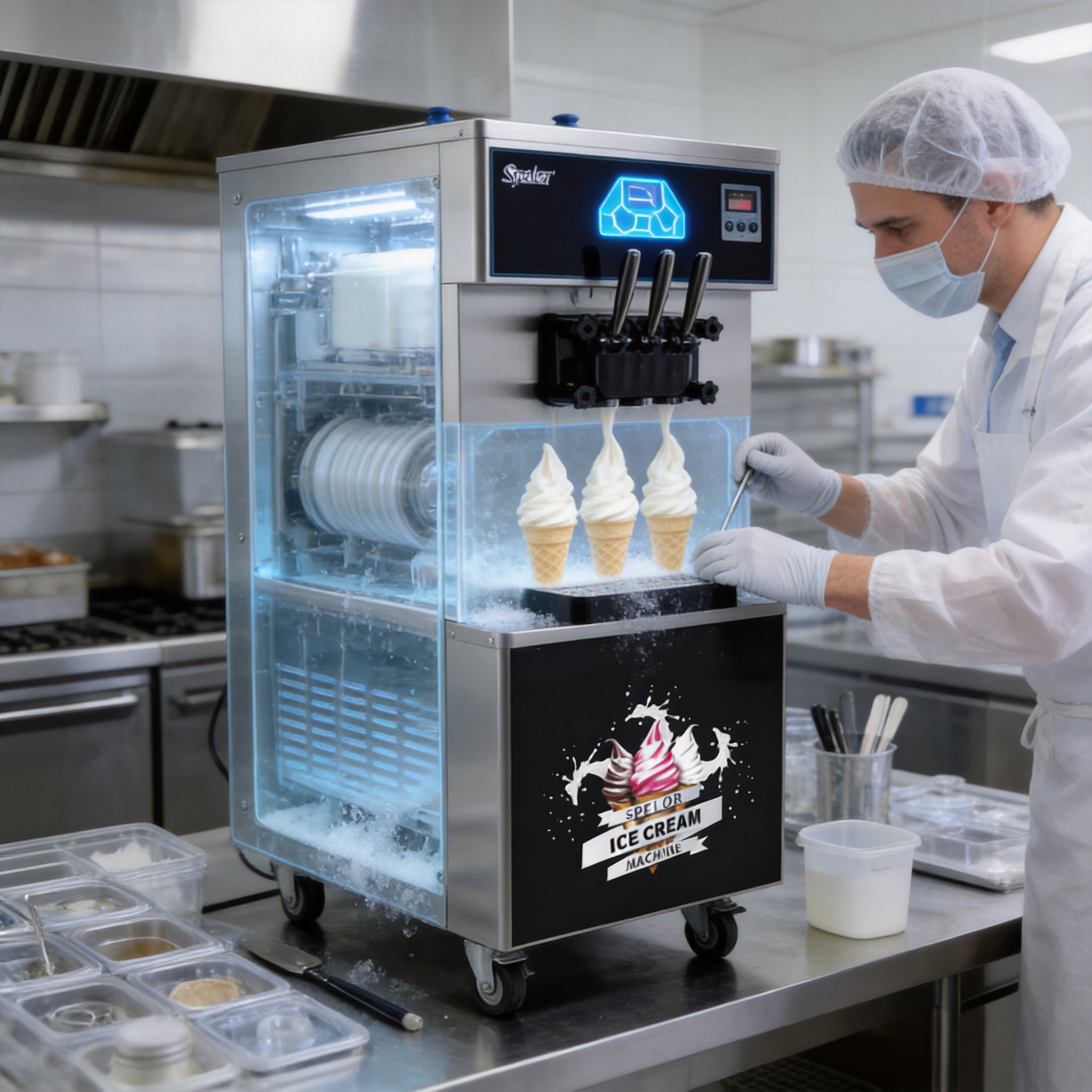
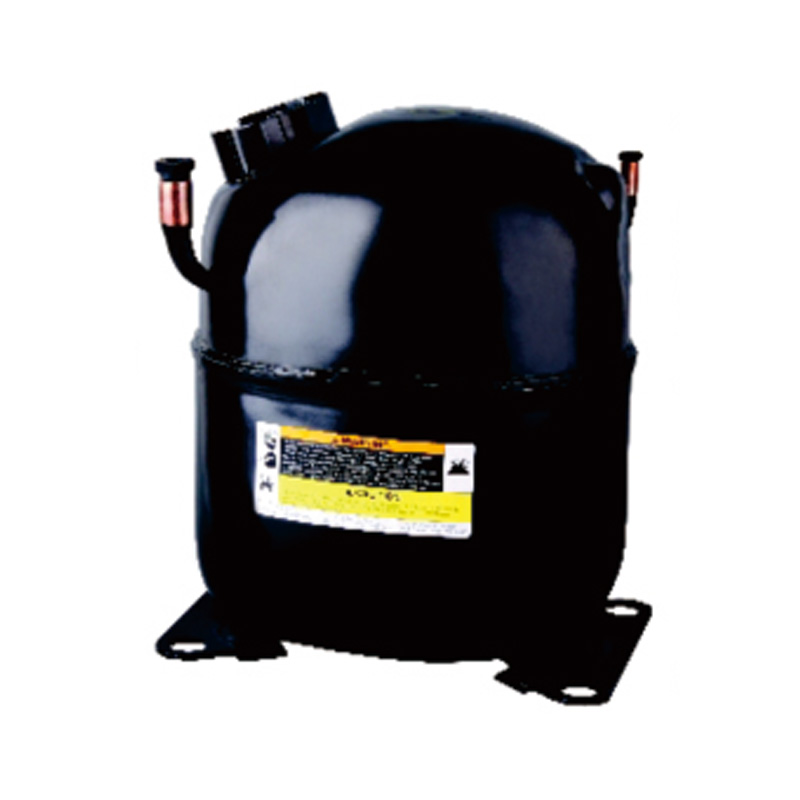
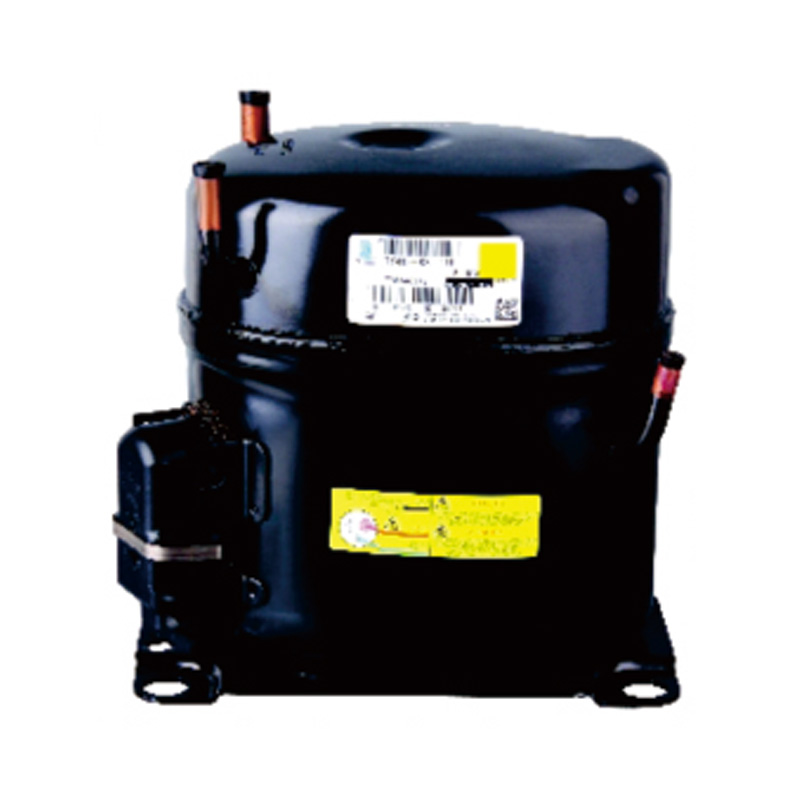
The refrigeration compressor is central to the performance of a commercial soft serve machine. It must remove heat from the mix, support freezing inside the cylinders, and maintain stable operation during repeated dispensing. The BQL-830C is equipped with a Tecumseh compressor, a component selected for commercial refrigeration applications.
A large-capacity compressor is particularly beneficial for high-volume businesses. During busy service periods, the machine may be opened and drawn repeatedly, causing warm mix to enter the freezing system. The refrigeration system must recover efficiently and maintain the desired product consistency. A suitable compressor helps the machine respond to this operating demand more effectively than equipment designed only for low-volume use.
Stable cooling supports product consistency. Customers expect each serving to have a similar texture, firmness, and temperature, whether it is purchased at the beginning of a shift or during the busiest period of the day. Stable refrigeration can help reduce variations caused by repeated dispensing, provided that the mix, ambient conditions, and machine settings are properly managed.
The compressor also contributes to production planning. If recovery after dispensing is slow, staff may need to pause service or serve a product that does not meet the desired texture. A commercial compressor with adequate capacity helps reduce such interruptions and allows the machine to remain available for a larger portion of the operating day.
It is important to understand that compressor performance depends on the entire refrigeration system. Condenser cleanliness, airflow, ambient temperature, refrigerant charge, electrical stability, and routine maintenance all affect practical results. The compressor is therefore a major advantage, but it should be supported by correct installation and regular service.
Production Capacity for Busy Commercial Locations
The stated capacity of 30–35 liters per hour makes the BQL-830C suitable for businesses with regular customer traffic and concentrated peak demand. A 30-liter production rate can support a large number of small servings, while the upper range provides additional flexibility during promotional events, weekends, holidays, and meal periods.
Actual servings depend on portion size. If a store serves 100-milliliter portions, one hour of production at 30 liters represents approximately 300 portions before accounting for waste and operational variation. Larger portions reduce the number of servings, while small cups, tasting portions, and children’s products increase the number. Operators should use their own sales data and portion standards when planning capacity.
High capacity is not only about serving more customers. It can also reduce the risk of lost sales. If an operator has only a small machine, the product may become unavailable during a rush, or staff may have to wait for the freezing cylinder to recover. A higher-output unit can support a smoother customer experience and help employees maintain a faster service rhythm.
The two 10-liter hoppers provide a combined nominal hopper volume of 20 liters. This helps reduce the frequency of refilling and allows staff to prepare for busy periods in advance. Larger hoppers are useful in bakeries and restaurants where employees have multiple responsibilities and cannot constantly monitor and replenish a small tank.
Production planning should still follow food safety procedures. Mix should be stored and handled according to the requirements of the formula and local regulations. Hopper capacity should not be treated as permission to hold product indefinitely. Cleanliness, temperature control, ingredient rotation, and documented operating procedures remain essential.
Pre-Cooling Function and Product Management
The pre-cooling function is designed to help keep mix fresh for up to one week under appropriate operating conditions. This feature can be useful for businesses that need to manage mix between service periods or maintain a ready-to-use supply without unnecessary waste. It may also help operators prepare the machine before a busy shift.
Pre-cooling can support operational efficiency in several ways. Staff may load the machine in advance, reduce preparation time before opening, and maintain a more consistent starting condition. For stores with predictable demand, it can help align machine operation with daily sales patterns.
However, freshness depends on more than the presence of a pre-cooling system. Mix formulation, storage temperature, ingredient quality, cleaning, exposure to air, handling practices, and local food regulations all influence product safety and quality. The stated one-week period should therefore be understood as an operating reference rather than a substitute for a food safety management system.
Operators should establish written procedures for labeling mix, recording loading times, checking temperatures, rotating ingredients, and discarding product when required. Staff should also understand when a hopper must be emptied and cleaned rather than simply topped up. Correct stock rotation protects both customer safety and product flavor.

Spelor Large Capacity Tecumseh Compressor 3 Flavors Soft Serve Ice Cream Machine for Bakery Store
Food-Grade Materials and Hygienic Construction
The machine body is made with food-grade stainless steel and colorful sprayed steel. Stainless steel is widely used in commercial food equipment because it is durable, resistant to corrosion under normal operating conditions, and relatively easy to clean. It also presents a professional appearance that is suitable for customer-facing environments.
Hygiene is a major consideration in soft serve production because the product contains ingredients that can support microbial growth if handled incorrectly. Smooth, accessible surfaces help employees wipe away spills, remove residue, and maintain a cleaner working environment. Stainless steel also resists the staining and odor retention that can occur with less suitable materials.
The colorful sprayed steel exterior adds visual appeal while allowing the machine to coordinate with different store concepts. A bakery may prefer an appearance that complements its display cases and décor, while a snack shop may choose equipment that creates a more colorful and energetic service counter. The exterior can therefore serve both practical and branding purposes without changing the basic production function.
Food-contact components require particular attention during cleaning and sanitizing. Operators should follow the equipment manual and the requirements of their local health authority. Removable parts, seals, dispensing components, freezing-cylinder surfaces, and product passages should be handled according to the recommended cleaning schedule.
Good material selection is one advantage that commercial equipment can have over low-cost consumer-oriented machines. A lightweight machine may be inexpensive to purchase, but it may not be designed for frequent disassembly, repeated washing, intensive service, or the demands of a professional environment. A commercial stainless-steel structure is better suited to sustained use when properly maintained.
LCD Panel and User Convenience
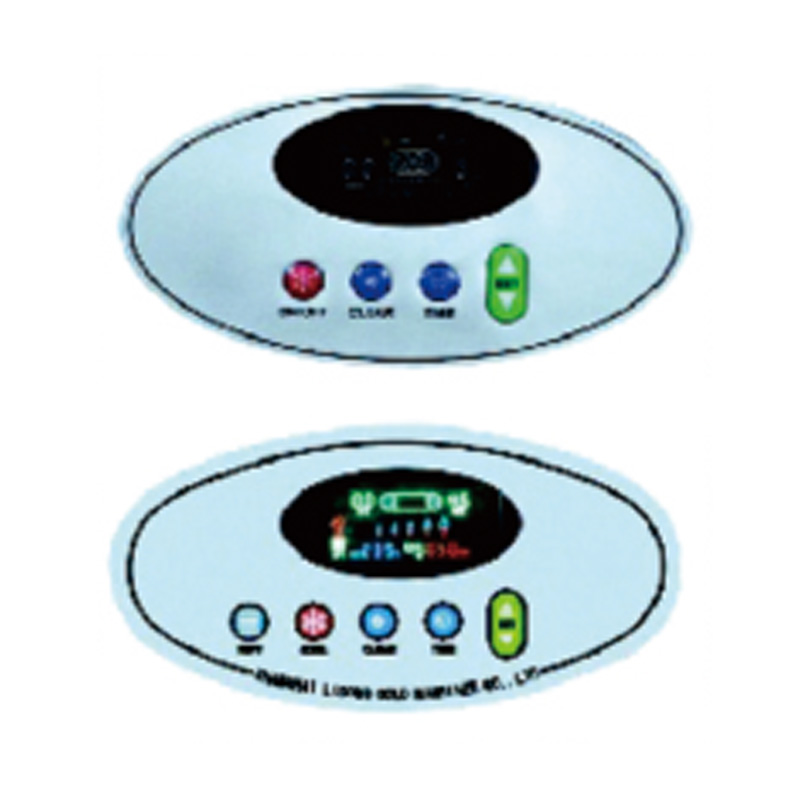
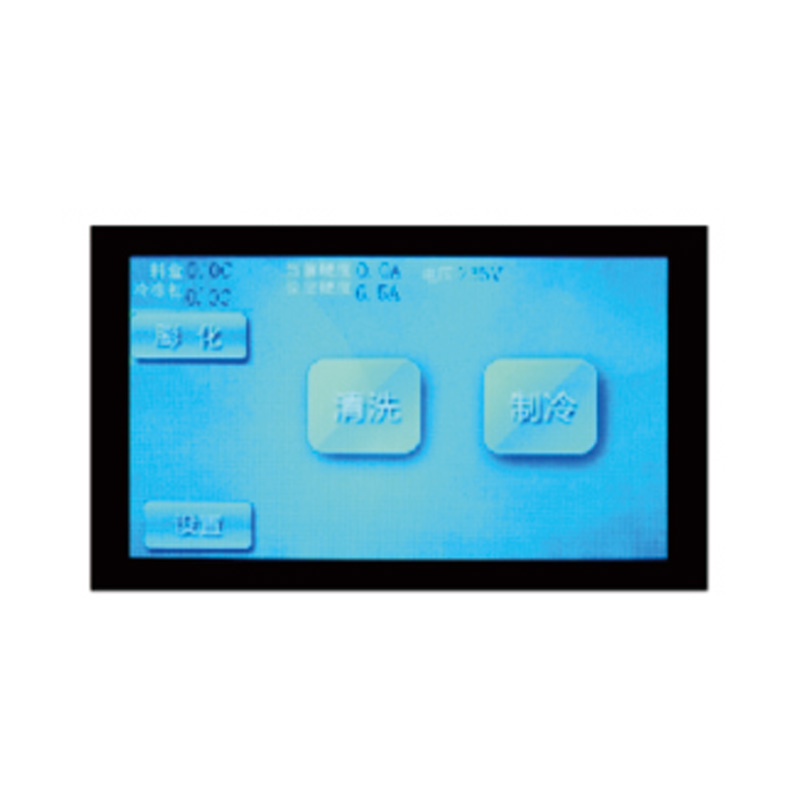
The LCD panel provides a clear operating interface for daily use. In a busy commercial environment, controls should be understandable enough for trained staff to operate without unnecessary delay. A visible panel can make it easier to monitor machine status, select functions, and follow operating procedures.
Digital controls may also support more consistent operation between different employees. When a business has multiple shifts, standardized settings help reduce variations caused by personal interpretation. Training becomes easier when staff can follow a clear sequence for startup, production, cleaning, and shutdown.
The control panel can be especially valuable in businesses where employees are not dedicated exclusively to ice cream production. In a bakery or restaurant, the same team may handle baking, food preparation, cashier service, and cleaning. An intuitive interface can shorten the learning period and reduce operating errors.
Electronic controls do not eliminate the need for staff training. Employees should understand the meaning of operating indicators, the correct time to initiate cleaning, and the action required if a warning or abnormal condition appears. A good operating procedure combines the LCD interface with visual inspections, temperature checks, and scheduled maintenance.
Self-Cleaning Function for Commercial Operation
Cleaning is one of the most important responsibilities associated with soft serve equipment. Product residue can remain in passages, valves, freezing cylinders, and dispensing components if the machine is not cleaned properly. The self-cleaning function is designed to simplify this process and reduce the labor required for routine cleaning cycles.
A self-cleaning program can help operators follow a more consistent procedure. It may assist with flushing product pathways, circulating cleaning solution, or preparing internal areas for manual disassembly and sanitation. The precise process should always follow the manufacturer’s instructions and local food safety requirements.
Self-cleaning should be viewed as a labor-saving aid, not as a complete replacement for manual cleaning. Some parts must still be removed, inspected, washed, sanitized, lubricated when appropriate, and reassembled correctly. Seals and gaskets should be checked for wear, while nozzles and dispensing parts should be examined for residue or damage.
A practical cleaning schedule can include quick cleaning after a service period, full cleaning at the legally required interval, inspection of product-contact parts, and external wiping throughout the day. The exact frequency depends on the mix, operating hours, local requirements, and the machine’s instructions.
Efficient cleaning has commercial benefits. It helps protect product quality, reduces cross-flavor contamination, supports food safety, and improves the reliability of the equipment. It can also reduce downtime when employees use a repeatable procedure rather than waiting until residue becomes difficult to remove.
Advantages Compared with Lower-Capacity Alternatives
The BQL-830C offers several practical advantages over small countertop machines and low-output commercial units. The first is capacity. With a stated output of 30–35 liters per hour and two 10-liter hoppers, it is designed to support a higher level of continuous service.
The second advantage is flavor flexibility. A three-flavor arrangement allows an operator to offer more options from one machine. A low-cost single-flavor unit may have a lower purchase price, but it can restrict the menu and make expansion more difficult. Businesses that want to offer classic, premium, and mixed choices may find a multi-flavor system more useful over its operating life.
The third advantage is commercial refrigeration capability. A large-capacity Tecumseh compressor is better aligned with repeated service and professional production than the compact refrigeration components commonly used in small appliances. This does not mean that every operation requires the same compressor size, but it makes the BQL-830C better suited to busy locations.
The fourth advantage is operational convenience. LCD controls, pre-cooling, and self-cleaning functions can reduce daily labor and make procedures easier to standardize. These features may be especially valuable when a business has several staff members working different shifts.
The fifth advantage is construction. A food-grade stainless-steel body and commercial floor-standing design are appropriate for demanding environments. The unit is built for use as part of a professional foodservice workflow rather than as an occasional home appliance.
The sixth advantage is space efficiency. A single three-flavor machine can provide capabilities that might otherwise require multiple units. Although the BQL-830C requires a suitable floor area and service clearance, it can help consolidate equipment in a bakery, restaurant, or dessert counter.
| Evaluation Area | Benefit of the BQL-830C | Business Effect |
| Output | 30–35 liters per hour | Supports higher customer volume and peak-period service |
| Flavor range | Three-flavor dispensing capability | Expands menu variety from one machine |
| Mix storage | Two 10-liter hoppers | Reduces frequent refilling during service |
| Refrigeration | Large-capacity Tecumseh compressor | Supports stable cooling and repeated dispensing |
| Operation | LCD panel | Improves usability and shift-to-shift consistency |
| Maintenance | Self-cleaning function | Helps simplify routine cleaning procedures |
| Product management | Pre-cooling function | Supports preparation and mix freshness management |
| Construction | Food-grade stainless steel and sprayed steel | Provides durability, hygiene, and a professional appearance |
Suitable Applications
Bakeries and Pastry Stores
Bakeries can use soft serve as a complementary product alongside cakes, pastries, bread, and beverages. The machine can support plated desserts, filled waffles, ice cream cups, and combination products. Its three-flavor capability allows a bakery to match soft serve with different toppings, sauces, and pastry ingredients.
The machine can also help bakeries use existing customer traffic more effectively. Customers who visit for bread or coffee may purchase a soft serve dessert, increasing the average transaction value. During warm seasons, soft serve can provide an additional attraction without requiring a completely separate production concept.
Restaurants and Fast-Food Outlets
Restaurants can include soft serve in children’s meals, set menus, dessert promotions, and self-service areas. A high-capacity machine is useful when demand is concentrated after lunch and dinner. The ability to provide several flavors can improve customer satisfaction and support different menu packages.
Fast-food locations may also benefit from faster service. A reliable commercial unit can reduce the need for manual preparation and help staff serve consistent portions during busy periods. The machine’s floor-standing structure can be positioned near the beverage or dessert station, provided that ventilation and hygiene requirements are met.
Snack Shops and Dessert Counters
Snack shops often rely on visually attractive products and fast preparation. Soft serve can be served in cones, cups, waffles, fruit bowls, or layered creations. Three flavors create opportunities for mixed presentations and promotional combinations.
In a dessert counter, the machine can become a central display feature. Its colorful sprayed-steel finish may support a modern or playful store design, while the stainless-steel components reinforce a clean commercial image.
Hotels, Canteens, and Institutional Foodservice
Hotels, schools, hospitals, company canteens, and other institutions may use soft serve equipment for buffets, special events, and scheduled meal service. The output capacity can support concentrated demand, while the self-cleaning function may help staff manage maintenance within a structured foodservice routine.
Supermarkets and Retail Food Areas
Supermarkets can place the machine in a prepared-food area, café, or seasonal promotion zone. Soft serve may encourage customers to remain longer in the food area and can complement beverages, snacks, and ready-to-eat products.
Manufacturing Capabilities and Quality-Focused Production
The manufacturer, Spelor Electrical Appliances (Zhejiang) Co., Ltd., operates as a professional producer integrating design, research and development, manufacturing, sales, and service. This integrated structure is important for commercial equipment because performance depends on the coordination of mechanical design, refrigeration engineering, electrical controls, materials, assembly, testing, and after-sales support.
The company operates more than 60,000 square meters of modern production facilities. A production base of this scale can support dedicated manufacturing areas, organized material flow, equipment assembly, quality inspection, warehousing, and product development. It also provides a foundation for handling different product families and customer requirements.
The manufacturer’s product range covers commercial refrigeration, kitchen equipment, buffet equipment, ice cream machines, juice dispensers, fried ice cream machines, refrigeration cabinets, slush machines, flake ice machines, cooking equipment, griddles, fryers, insulation products, barbecue equipment, and buffet solutions.
This broad product experience can provide advantages in component sourcing, refrigeration knowledge, manufacturing organization, and understanding of foodservice environments. A company that develops several types of commercial equipment can identify common operational requirements, including cleanability, durability, space efficiency, temperature management, and service accessibility.
Advanced manufacturing is not limited to the appearance of a finished machine. It includes design verification, material control, component inspection, welding or forming accuracy, electrical safety, refrigeration-system assembly, leak testing, function testing, final cleaning, packaging, and documentation. Each stage contributes to the reliability expected by professional users.
For a soft serve machine, manufacturing quality is especially important because the equipment combines food-contact surfaces, moving parts, electrical components, refrigeration lines, freezing cylinders, controls, and dispensing mechanisms. If these elements are not correctly integrated, the machine may experience inconsistent texture, leakage, excessive wear, difficult cleaning, or unnecessary downtime.
An integrated manufacturer can also coordinate product improvements more efficiently. Feedback from customers and service teams can be returned to engineering and production departments. This allows the company to refine controls, improve structural details, develop optional components, and adapt equipment to changing foodservice needs.
OEM and ODM Support
The company offers OEM and ODM services based on customer drawings or requirements. This capability is valuable for importers, distributors, chain stores, hospitality groups, and foodservice equipment brands that require customized products or private-label programs.
OEM cooperation may involve branding, color, packaging, labels, control-panel configuration, electrical specifications, or other agreed product details. ODM cooperation may involve deeper development support, such as adapting the equipment to a particular market, service model, store concept, or capacity requirement.
Customization should be managed through a clear technical process. Buyers should provide information about voltage, frequency, plug standards, refrigerant regulations, ambient temperature, production targets, available floor space, preferred appearance, and certification requirements. The manufacturer can then evaluate the design and confirm which changes are practical.
For international projects, OEM and ODM support can shorten the process of developing a commercial frozen-dessert solution. Instead of coordinating multiple suppliers for the machine body, refrigeration system, controls, packaging, and service documentation, a buyer can work with an experienced foodservice equipment manufacturer that provides a more unified supply chain.
Installation and Site Planning
Before delivery, the operator should confirm that the site can accommodate a machine measuring 565 × 640 × 1,470 millimeters and weighing approximately 142 kilograms. Doorways, elevators, ramps, corridors, and final positioning areas should be checked in advance.
The machine should be placed on a stable, level surface that can support its weight. Adequate clearance should be provided around ventilation areas and service panels. Restricting airflow may increase the refrigeration load and reduce operating efficiency. The installation area should also be protected from excessive heat, direct sunlight, water splashes, and unnecessary dust.
Electrical requirements must be reviewed before installation. The machine has a stated input power of 2,650 watts, but the correct voltage, frequency, circuit protection, grounding, and plug configuration depend on the destination market. A qualified electrician should confirm that the site installation complies with local regulations.
Water access and drainage requirements should also be considered if the cleaning procedure uses water or cleaning solution. Staff should have enough space to disassemble components safely and place cleaned parts on a hygienic surface. Equipment should not be installed where cleaning would contaminate adjacent food preparation areas.
Good site planning improves safety, serviceability, and productivity. It also reduces the likelihood of emergency relocation after installation, which can damage the equipment or interrupt business operations.
Recommended Operating Practices
Operators should read the equipment documentation before use and train all employees who will load mix, operate controls, serve product, or perform cleaning. Training should cover startup, pre-cooling, dispensing, product replenishment, shutdown, self-cleaning, manual cleaning, and emergency procedures.
Mix should be prepared according to the formula supplier’s instructions. Incorrect solids content, excessive viscosity, insufficient liquid, or incompatible ingredients may affect freezing performance and product texture. Operators should avoid using ingredients that are not approved for the equipment or that may damage seals and internal components.
The hoppers should be loaded without introducing unnecessary contamination. Containers, utensils, and hands must be clean, and ingredients should be stored at appropriate temperatures. Staff should rotate mix according to a documented first-in, first-out procedure.
During service, employees should monitor product texture and machine behavior. Unusual noise, excessive vibration, leakage, temperature changes, or repeated alarms should be investigated promptly. Continuing to operate a machine with an abnormal condition may increase damage and repair costs.
At the end of a service period, staff should follow the prescribed cleaning and shutdown sequence. Product should not be left in the machine beyond the permitted storage period. The self-cleaning function should be used as instructed, followed by any required manual disassembly and sanitation.
Maintenance and Long-Term Reliability
Preventive maintenance helps protect the machine’s production capacity and reduce unplanned downtime. Operators should keep exterior surfaces, ventilation areas, and condenser-related components clean. Dust and grease accumulation can restrict airflow and increase refrigeration stress.
Seals, gaskets, dispensing handles, freezing-cylinder components, and other wear parts should be inspected at regular intervals. Damaged or worn parts can cause leakage, poor product control, air entry, or hygiene problems. Replacement parts should be compatible with the machine and installed according to the manufacturer’s instructions.
Refrigeration performance should be assessed by qualified service personnel when necessary. The system uses R404 refrigerant according to the supplied product information. Refrigerant handling, recovery, charging, and servicing must comply with applicable environmental and safety regulations in the installation country.
Electrical inspections should include cables, connectors, control components, grounding, and protective devices. Any service involving electrical or refrigeration systems should be completed by trained technicians. Operators should not remove safety covers or attempt repairs beyond their training.
A maintenance log can help the business track cleaning cycles, part replacements, service visits, temperature observations, and unusual operating conditions. This record supports accountability and can help technicians diagnose problems more quickly.
Commercial Value and Return on Investment Considerations
The commercial value of a soft serve machine depends on more than its purchase price. Operators should consider capacity, menu flexibility, labor, product waste, maintenance, energy use, downtime, and the additional sales generated by frozen desserts.
A three-flavor machine can support a broader menu than a single-flavor model, potentially improving average transaction value. A bakery may sell a pastry-and-soft-serve combination, while a restaurant may add soft serve to meal packages. A snack shop may use toppings and premium presentations to create higher-margin products.
High capacity can help protect sales during peak periods. If demand exceeds the capability of a small machine, customers may face delays or find that the product is unavailable. The BQL-830C is designed for larger service requirements, making it more suitable for businesses that expect regular traffic rather than occasional use.
Labor efficiency is another factor. Large hoppers reduce frequent refilling, the LCD panel supports easier operation, and self-cleaning can simplify routine maintenance. These features do not remove the need for trained employees, but they may reduce repetitive work and help staff follow consistent procedures.
Return on investment should be calculated using realistic assumptions. Businesses should estimate daily servings, selling price, ingredient cost, labor, cleaning materials, electricity, maintenance, seasonal variation, and expected downtime. A professional equipment supplier can help buyers evaluate whether the machine’s production capacity matches the intended business model.
Why Choose an Experienced Foodservice Equipment Manufacturer?
Commercial buyers often need more than a machine. They need technical communication, production consistency, export support, documentation, replacement parts, service guidance, and a supplier capable of supporting future orders. An experienced manufacturer can provide a more complete solution than a company that only resells equipment.
Spelor combines manufacturing, research and development, sales, and service functions. This structure supports communication from the initial inquiry through product selection, customization, production, shipment, installation guidance, and after-sales maintenance.
The company serves foodservice applications including snack shops, fast-food chains, bars, supermarkets, institutions, and other commercial environments. This market experience helps the manufacturer understand that equipment must be practical in real workplaces. It must be efficient to operate, manageable to clean, compatible with store layouts, and suitable for different levels of customer demand.
The company also provides pre-sales consultation, product customization, logistics and payment solutions, and after-sales maintenance support. These services are important for international customers who may be purchasing equipment for new stores, distribution programs, or multi-location projects.
Frequently Asked Questions
What type of business is the BQL-830C designed for?
The machine is designed for commercial foodservice applications, including bakeries, dessert shops, restaurants, fast-food outlets, snack stores, hotels, canteens, supermarkets, and institutional foodservice operations. Its output and floor-standing structure make it more appropriate for professional use than for occasional home use.
How many flavors can the machine dispense?
The product is described as a three-flavor soft serve ice cream machine. This configuration is intended to provide multiple flavor choices and a mixed serving option, depending on the dispensing arrangement and the selected operating setup.
What is the production capacity?
The stated production capacity is 30–35 liters per hour. Actual results depend on mix formulation, portion size, ambient temperature, operating settings, and service frequency.
What are the hopper and freezing-tank capacities?
The machine includes two 10-liter hoppers and two 2-liter freezing tanks. The large hoppers help reduce the need for frequent refilling during busy periods.
What type of compressor does it use?
The BQL-830C uses a Tecumseh compressor. The large-capacity compressor is intended to support rapid and stable cooling for continuous commercial production.
Does the machine have a cleaning function?
Yes. The machine includes a self-cleaning function. Operators should still follow the complete cleaning procedure, including any required manual disassembly, washing, sanitizing, inspection, and reassembly.
Can the machine keep mix fresh for one week?
The product information describes a pre-cooling function designed to help keep mix fresh for up to one week under suitable conditions. The actual permitted holding period depends on the recipe, temperature, hygiene procedures, local food regulations, and the manufacturer’s operating instructions.
What materials are used for the machine body?
The machine body is made of food-grade stainless steel and colorful sprayed steel. These materials provide a professional appearance and are suitable for commercial environments when correctly cleaned and maintained.
What are the machine’s dimensions and weight?
The stated dimensions are 565 × 640 × 1,470 millimeters, and the net weight is approximately 142 kilograms. Buyers should allow additional space for ventilation, cleaning, service access, and safe movement.
What refrigerant does the machine use?
The supplied product information identifies R404 as the refrigerant. Installation and service should comply with the regulations applicable in the destination market, including requirements for refrigerant handling and environmental protection.
Is OEM or ODM customization available?
The manufacturer offers OEM and ODM support based on customer drawings or requirements. Customization should be discussed in advance, including electrical specifications, appearance, packaging, labels, technical features, and destination-market requirements.
What should be checked before ordering?
Buyers should confirm voltage, frequency, plug type, production capacity, flavor configuration, installation dimensions, ventilation clearance, local certification requirements, delivery conditions, spare-parts availability, warranty terms, and after-sales service arrangements.
Conclusion
The BQL-830C is a high-capacity commercial soft serve ice cream machine developed for businesses that require dependable production, multiple flavor choices, and efficient daily operation. Its 30–35-liter-per-hour capacity, two 10-liter hoppers, three-flavor dispensing capability, large-capacity Tecumseh compressor, LCD panel, self-cleaning function, and pre-cooling system make it a practical option for busy foodservice environments.
Its food-grade stainless-steel and sprayed-steel construction supports hygiene, durability, and an attractive professional appearance. Compared with lower-capacity or single-flavor alternatives, the machine offers greater menu flexibility and stronger suitability for peak-period service. Its design can help bakeries, restaurants, dessert shops, snack stores, hotels, supermarkets, and institutional operators expand their frozen-dessert programs.
The product is supported by a manufacturer with more than 60,000 square meters of production facilities and experience across commercial refrigeration, kitchen, buffet, ice-making, frozen-dessert, and foodservice equipment. Integrated design, research and development, manufacturing, sales, and service capabilities provide a strong foundation for product consistency, customization, export support, and long-term cooperation.
For businesses evaluating commercial soft serve equipment, the most important step is to match capacity and features with actual sales demand, available space, local electrical conditions, cleaning procedures, and service resources. When correctly installed, operated, and maintained, the BQL-830C can serve as a productive centerpiece for a professional soft serve program and a flexible platform for developing new dessert sales.
References
1. Product specification sheet for BQL-830C commercial soft serve ice cream machine, including capacity, dimensions, power, compressor, hopper volume, freezing-tank volume, and refrigerant information.
2. Manufacturer-provided product information concerning LCD operation, self-cleaning, pre-cooling, food-grade materials, and three-flavor production.
3. Commercial refrigeration equipment maintenance principles, including condenser care, airflow management, electrical inspection, and preventive service practices.
4. Foodservice sanitation and hygiene guidelines for frozen dessert equipment, including cleaning, sanitizing, ingredient handling, and product rotation.
5. General commercial kitchen planning practices for equipment placement, electrical safety, ventilation, service clearance, and workflow design.
6. Manufacturer profile and corporate information concerning commercial refrigeration, kitchen equipment, buffet equipment, OEM services, ODM services, production facilities, and after-sales support.
Product: Spelor Large Capacity Tecumseh Compressor 3 Flavors Soft Serve Ice Cream Machine for Bakery Store

For exclusive deals and latest offers, sign up by entering your email address below.


-
spelor@spelor.com
-
+86-576-85229688
-
No.528, Changxi Road, Linhai City, Zhejiang Province, China
Commercial Refrigeration Equipment Manufacturer China
Copyright © 2025 by Spelor Electrical Appliances (Zhejiang) Co., Ltd. Rights Reserved.
